Stanford researchers publishing in Nature report that the brain develops from two separate embryonic progenitor populations: Otx2-expressing cells that form the forebrain and midbrain, and Gbx2-expressing cells that form the hindbrain. This developmental split explains why labs previously failed to produce authentic hindbrain neurons and enabled scientists to culture them for the first time. Access to genuine brainstem neurons should improve models for ALS and spinal muscular atrophy and accelerate testing of potential therapies.
Study: Human Brain Develops From Two Distinct Embryonic Origins — A Breakthrough for ALS Research
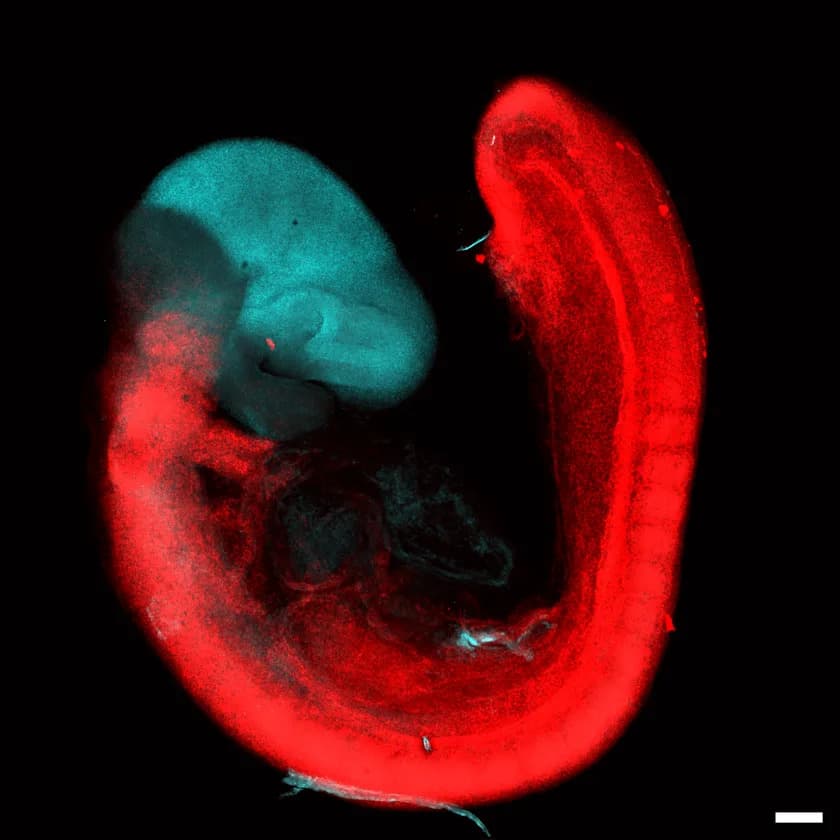
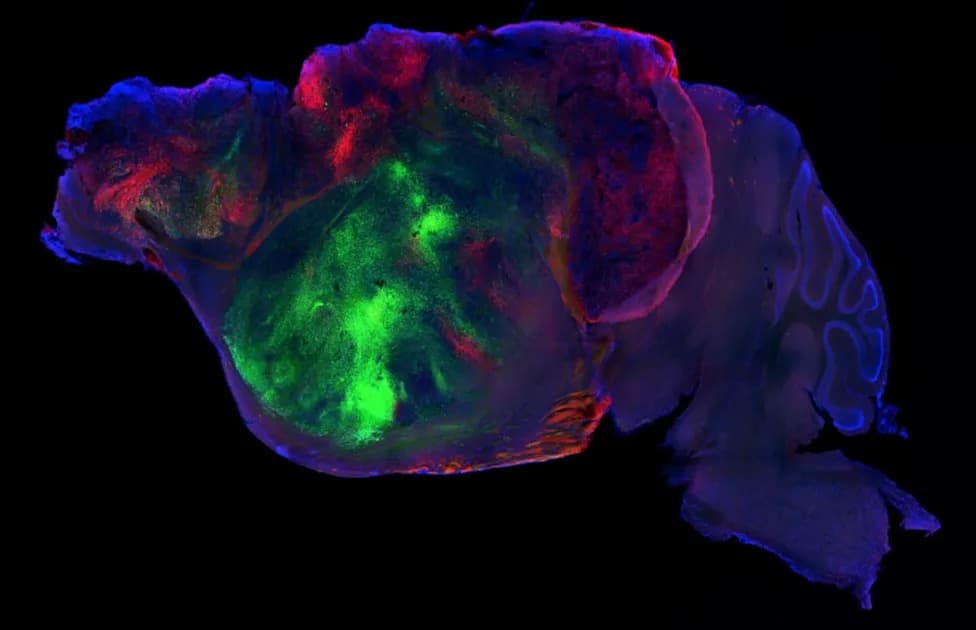
In this photo from the study, the two separate developmental origins of the brain are highlighted in blue and red in a 9.5-day-old mouse embryo. In blue is the front of the brain, specifically the forebrain and midbrain, which express the Otx2 gene. In red is the back of the brain, the hindbrain, which originates from a different developmental source than the rest of the brain. (The red dye also extends into the spinal cord, which runs throughout the body.)
New research from scientists at Stanford, published in Nature, shows the human brain develops from two separate embryonic origins rather than forming as a single homogeneous organ. That discovery helps explain why researchers previously could not grow authentic hindbrain (brainstem) neurons in the lab — and it allowed them to produce those cells for the first time.
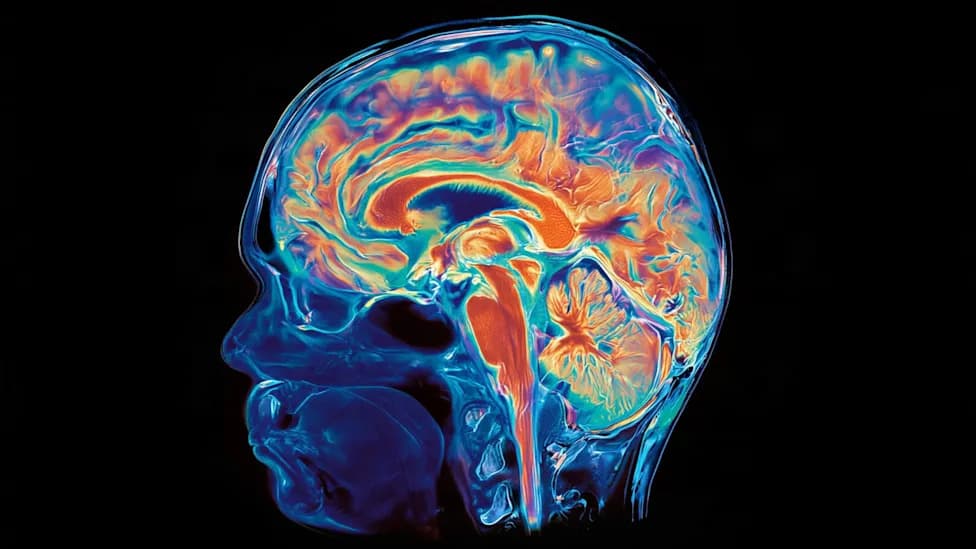
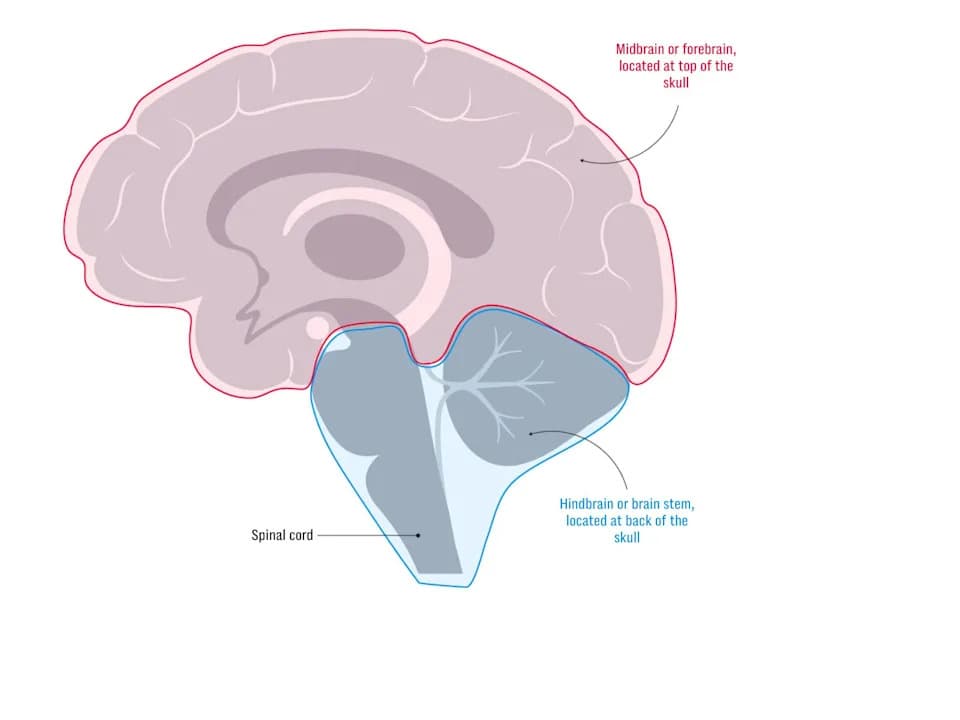
For context, the adult brain is commonly described in three regions: the forebrain, midbrain and hindbrain. The forebrain supports higher cognitive functions such as language and abstract reasoning. The midbrain contributes to sensory processing and aspects of motor control. The hindbrain (often referred to as the brainstem) regulates basic physiological processes including breathing, sleep, heart rate and hunger.
Stanford researchers found that during embryonic development the forebrain/midbrain and the hindbrain arise from two distinct progenitor cell populations. One population expresses the gene Otx2 and gives rise to the forebrain and midbrain; a separate population expresses Gbx2 and differentiates into the hindbrain. As these progenitors proliferate and mature, they remain developmentally distinct rather than merging into a single, interchangeable pool of cells.
That separation helps explain a persistent technical roadblock: earlier efforts to produce hindbrain neurons in vitro likely attempted to convert Otx2-expressing forebrain/midbrain progenitors into hindbrain cells — an approach the new study shows is not viable. As co-first author Rayyan Jokhai noted in a press release, researchers were probably trying to "coax forebrain and midbrain progenitors into hindbrain cells," which the data indicate cannot happen.
"The brain is better understood, developmentally, as a composite organ built from two distinct origins," says Dr. Rab Nawaz Khan, a neurologist with more than a decade of clinical experience who was not involved in the research. "This is a fascinating developmental finding. Its immediate importance is in research rather than changing patient care tomorrow."
Knowing the hindbrain’s separate developmental origin let the team generate bona fide hindbrain neurons in the laboratory for the first time. Access to authentic brainstem neurons should improve laboratory models of disorders that target those cells — notably amyotrophic lateral sclerosis (ALS) and spinal muscular atrophy (SMA) — enabling more accurate testing of candidate therapies and a better understanding of disease mechanisms.
The study also includes images from a 9.5-day-old mouse embryo that highlight the two developmental domains: Otx2-expressing front regions (forebrain and midbrain) in blue and the Gbx2-derived hindbrain in red. The red labeling extends into the spinal cord, underscoring the distinct developmental trajectory of posterior neural tissues.
While clinical applications will take time, this fundamental developmental insight opens new avenues for developmental biology, disease modeling and therapeutic discovery. There is now much more to investigate about how these two origins interact — and how that knowledge can be translated into better models and, eventually, better treatments.
Help us improve.