Stanford Medicine researchers report that the human brain is formed from two distinct developmental lineages: the forebrain/midbrain from one progenitor and the hindbrain from another. This distinction allowed scientists to generate true hindbrain neurons in vitro for the first time, a milestone for brainstem disease research. The same two-origin pattern appears across species—including chickens, zebrafish and acorn worms—suggesting the fusion of two ancient neural systems about 550 million years ago.
Scientists Reveal Human Brain Is Two Ancient Nervous Systems Packaged Together
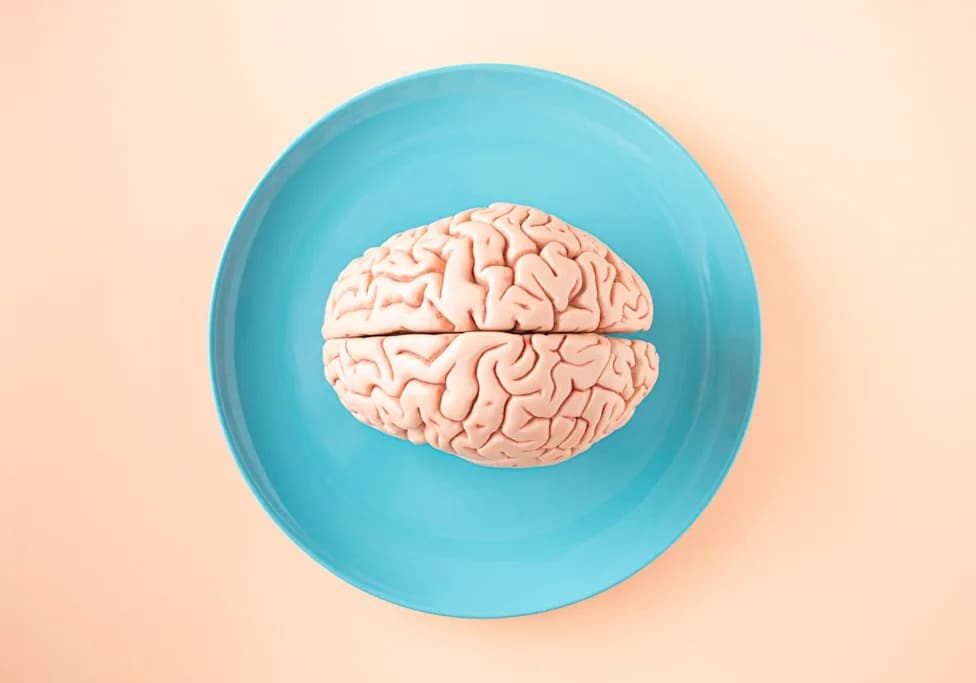
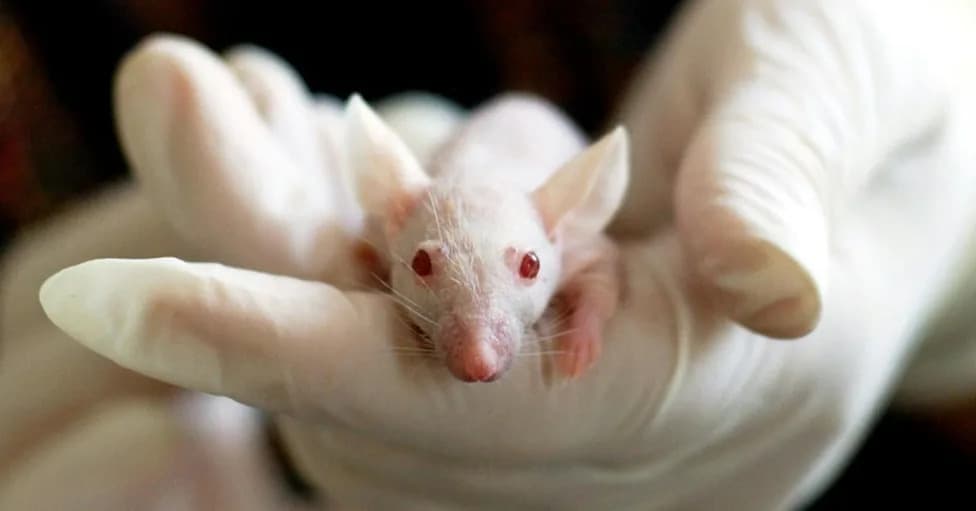
(Photo by Amel Uzunovic via Pexels)
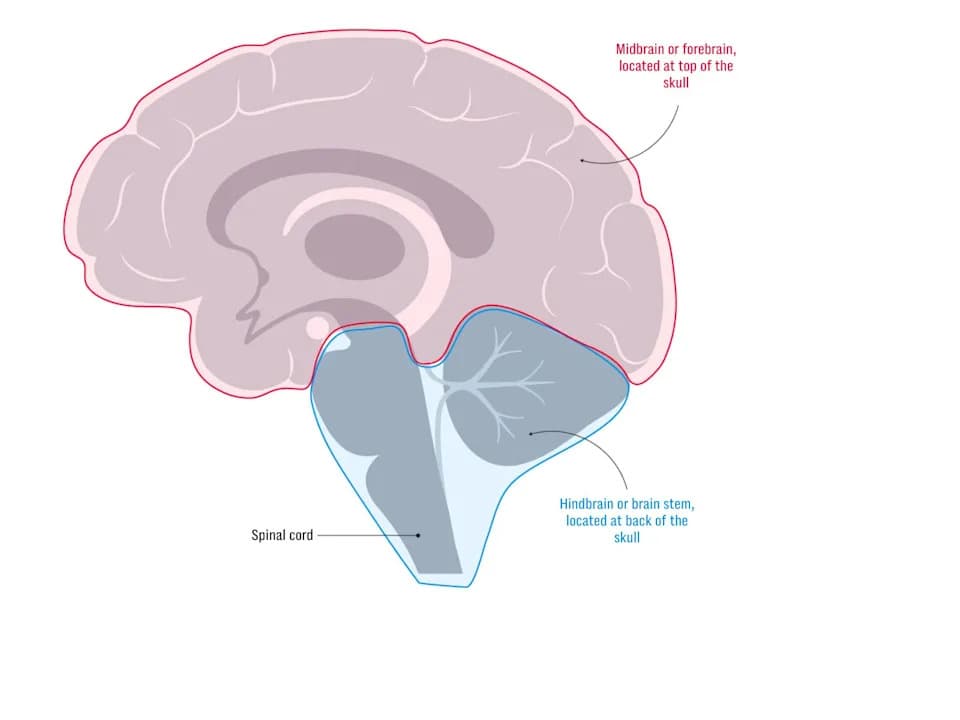
New research from Stanford Medicine challenges the long-held view that the brain arises from a single developmental source. The study presents evidence that the human brain is best understood as two ancient nervous systems—forebrain/midbrain and hindbrain—that evolved separately and were later brought together.
What the Study Found
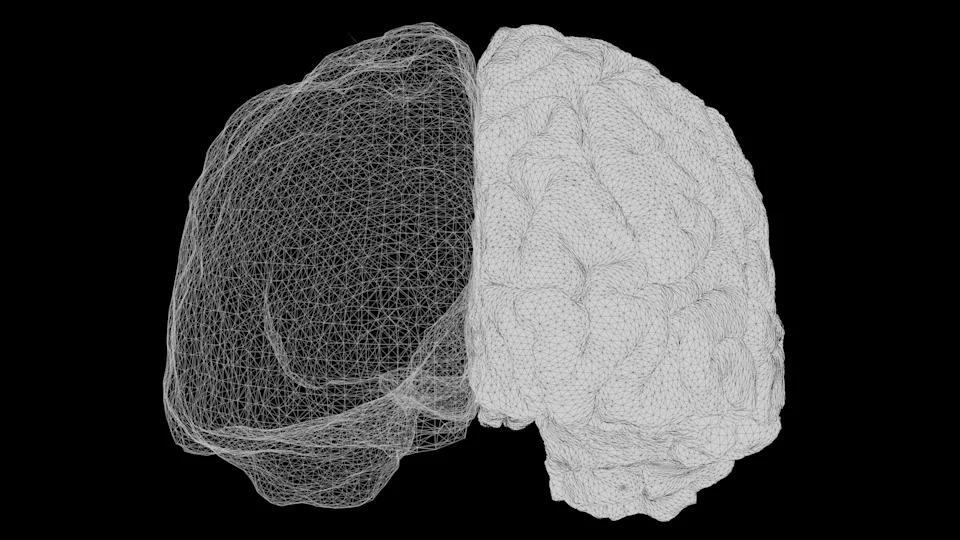
The team discovered that the forebrain and midbrain develop from one type of progenitor cell, while the hindbrain originates from a distinct progenitor. Because these parts come from different early cell lineages, the investigators describe the hindbrain as effectively a separate organ within the skull.
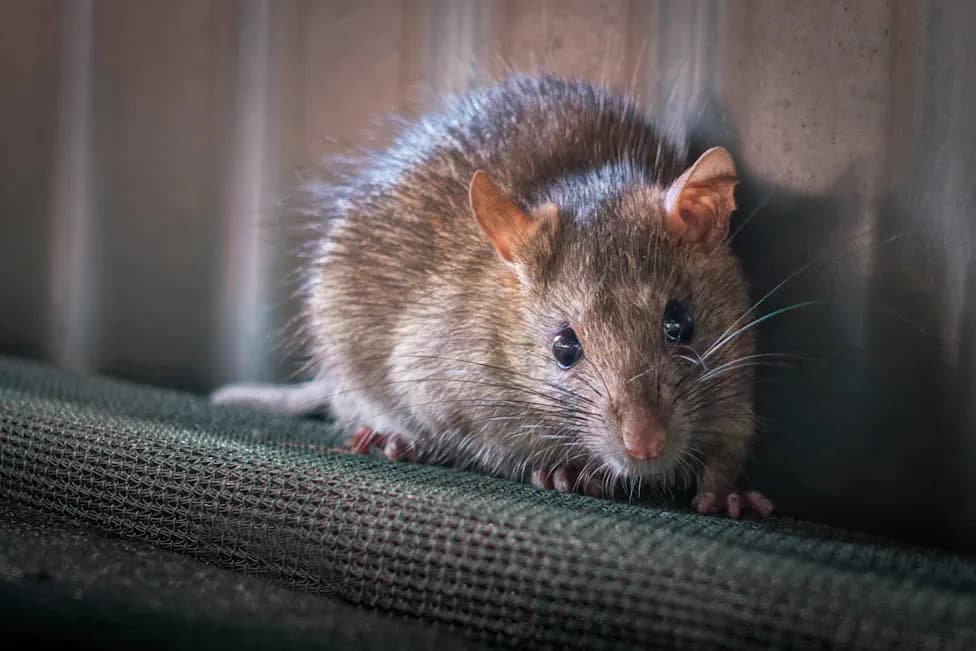
(Photo byShawn DayviaUnsplash)
"We've shown for the first time that the front of the brain arises from a totally different progenitor cell than the back of the brain," said Kyle Loh, PhD, associate professor of developmental biology.
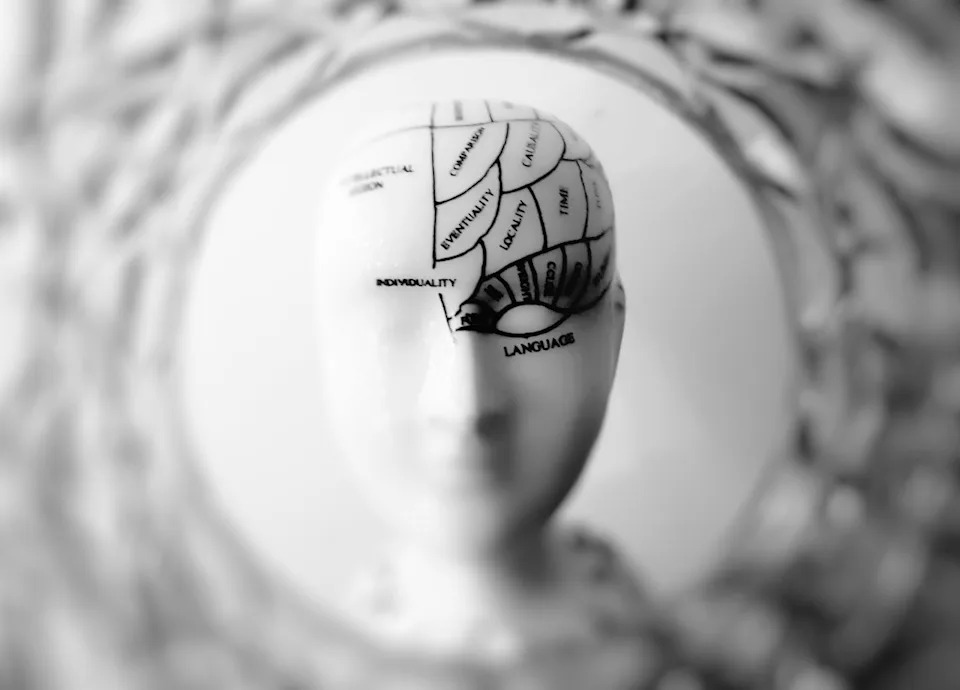
Functionally, the researchers note, the forebrain supports higher cognitive abilities—language, abstract reasoning, creativity and consciousness—whereas the hindbrain manages essential, automatic processes such as breathing, sleep regulation and heart-rate control.
Lab Breakthroughs and Evolutionary Insight
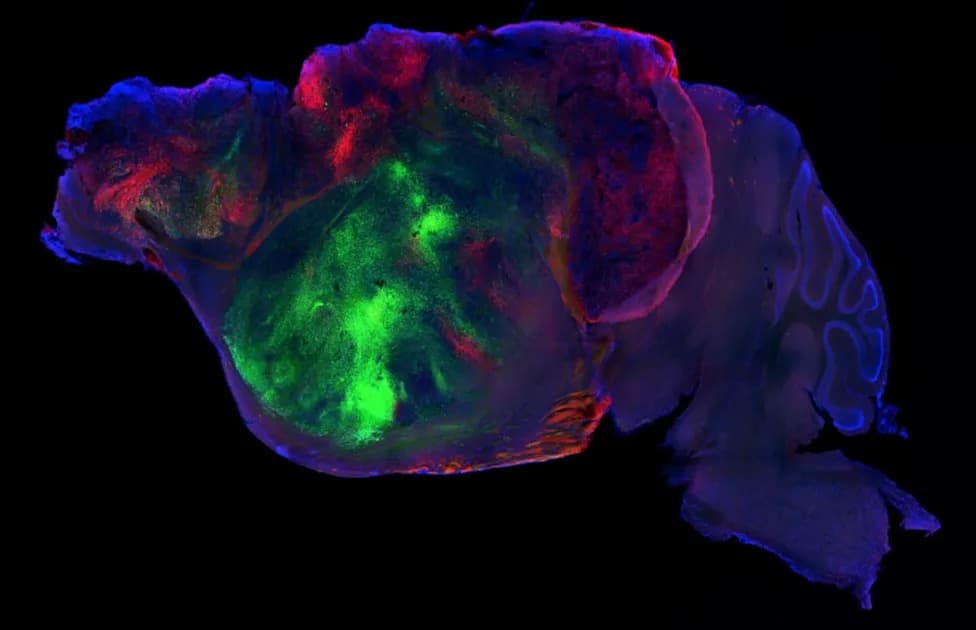
Because the hindbrain arises from a different progenitor, previous laboratory attempts to create authentic hindbrain neurons likely failed by trying to convert forebrain progenitors into hindbrain cells. With the new developmental insight, the team was able to generate hindbrain neurons in vitro for the first time—an advance that opens new avenues for studying brainstem disorders.
(Photo by meo via Pexels)
"Previous attempts to make hindbrain neurons likely tried to coax forebrain and midbrain progenitors into hindbrain cells, which our study shows is not possible," said Rayyan Jokhai, co-first author of the study.
The researchers also traced this two-origin pattern back roughly 550 million years, finding the same arrangement in chickens, zebrafish and even acorn worms—simple marine animals that share a distant common ancestor with humans. The team suggests that evolution moved two preexisting neural systems together spatially, resulting in the contiguous brain we see today.
Implications
By clarifying the separate developmental origins of brain regions, this work could accelerate research into brainstem and hindbrain-related diseases by enabling accurate lab models. The findings also offer a fresh perspective on how complex nervous systems evolved and why our brain combines distinctly ancient structures into a single functional organ.
Help us improve.