New Stanford research shows the brain develops from two distinct progenitor populations—forebrain and hindbrain—established during gastrulation. Chromatin configuration early in embryogenesis restricts anterior cells to forebrain fates (Otx2) and posterior cells to hindbrain fates (Gbx2). The split is evolutionarily conserved across species and enabled the first lab derivation of hindbrain progenitors, with potential applications for modeling SMA, ALS, and metabolic drug discovery.
Surprise Discovery: The Brain Develops From Two Distinct Progenitor Organs
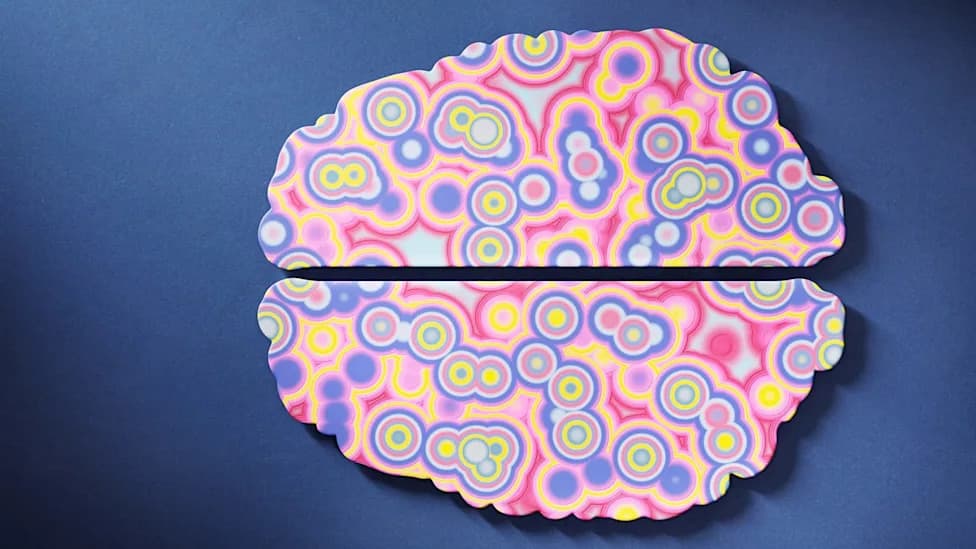
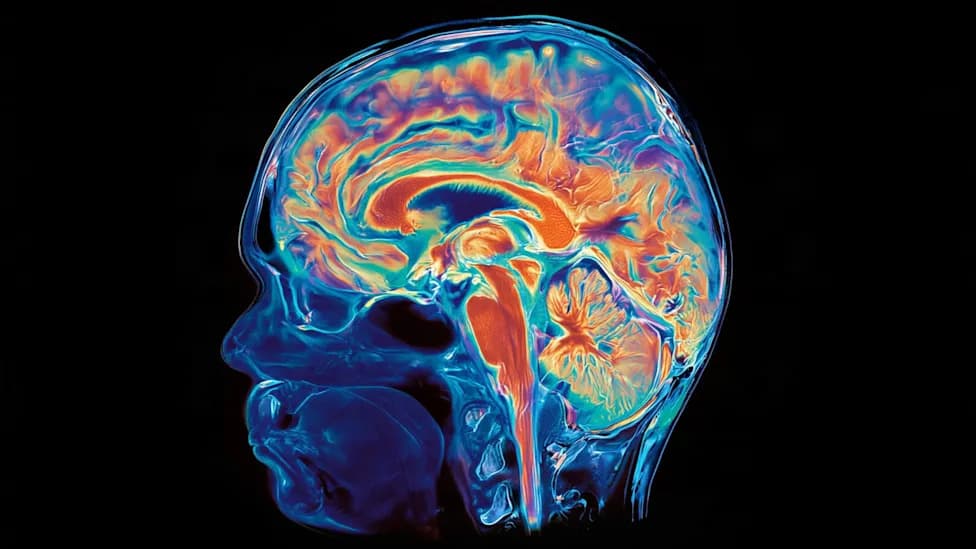
Surprise! You Have Two Brains.Eugene Mymrin - Getty Images
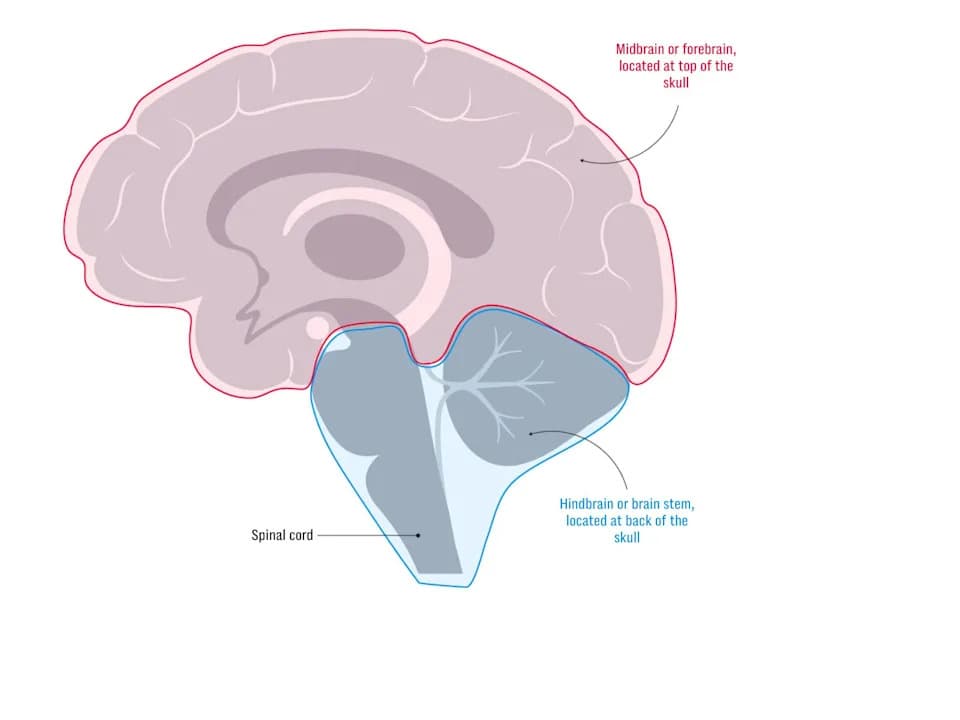
Recent research from Stanford University challenges a longstanding assumption: the brain does not arise from a single homogeneous pool of precursor cells but instead develops from two distinct progenitor populations that give rise to the forebrain and the hindbrain (brainstem).
How the Split Happens
During early embryogenesis—specifically gastrulation—pluripotent epithelial cells in the embryo narrow their potential and separate into anterior and posterior neural ectoderm. The key difference is in chromatin configuration, the DNA-and-protein packaging that determines which genes are accessible. In the anterior domain chromatin is configured to permit expression of Otx2, committing cells toward forebrain and midbrain fates; in the posterior domain chromatin favors Gbx2, driving a hindbrain program. These lineage restrictions are established within days of development.
"We postulate the brain is a composite organ emanating from two lineage-restricted progenitors; these dual progenitors may be evolutionarily conserved across 550 million years from hemichordates to mammals," the authors write in Nature Neuroscience.
Evidence and Methods
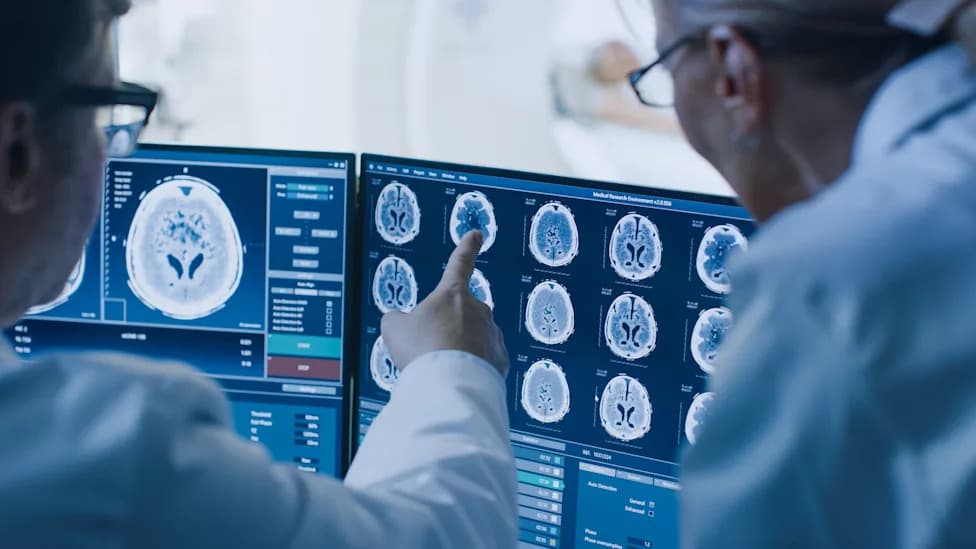
Stanford researchers Rayyan Jokhai, Carolyn Dundes and senior author Kyle Loh derived both progenitor types in the lab—an important advance because hindbrain progenitors had not previously been produced in vitro. Each derived population activated its own transcription-factor program, confirming that anterior and posterior neural ectoderm are lineage-restricted rather than merely regionally specified variants of the same tissue.
Evolutionary Perspective
The anterior/posterior division is not unique to mammals. Similar sorting of neural tissue into anterior and posterior domains is seen in zebrafish, chicken, mice and even acorn worms, which shared a last common ancestor with vertebrates roughly 550 million years ago. This deep conservation helps explain why the two domains ended up juxtaposed in animal heads and why their separate origins went unnoticed for so long.
Clinical And Research Implications
Deriving hindbrain progenitors in vitro has several important implications: motor neurons affected in disorders such as spinal muscular atrophy (SMA) and many forms of amyotrophic lateral sclerosis (ALS) descend from posterior lineage cells, so lab-grown hindbrain progenitors could improve disease modeling and accelerate targeted therapy development. The hindbrain is also a site of action for appetite-regulating GLP-1 drugs (for example, semaglutide), so access to posterior-lineage cells may aid discovery of new metabolic treatments.
Bottom line: The brain is better understood as a composite organ formed from two lineage-restricted progenitors established during gastrulation. This insight reshapes basic developmental biology and opens new avenues for modeling and treating neurodegenerative and metabolic diseases.
Help us improve.