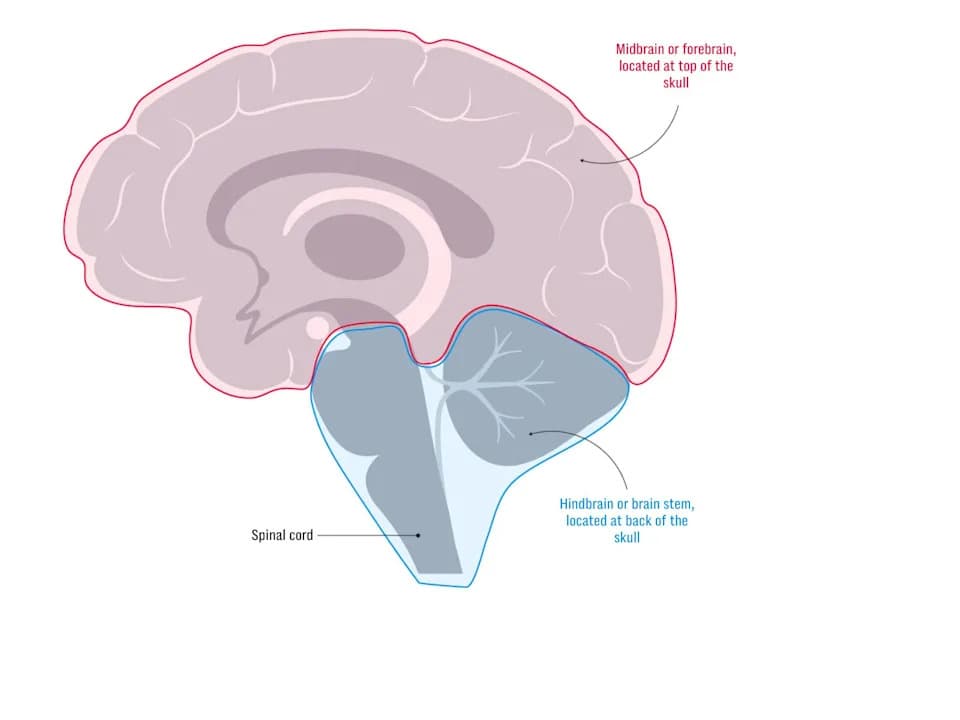
Stanford researchers report that the forebrain/midbrain and hindbrain originate from two distinct embryonic progenitor lineages marked by Otx2 and Gbx2, respectively. These lineages are mutually exclusive from the earliest stages examined and show different chromatin organization, providing a mechanism for limited interconversion. The two-origin pattern is conserved across multiple species, and the finding improves how scientists can grow and study hindbrain neurons in vitro—though clinical translation remains distant.
Stanford Study: Forebrain and Hindbrain Arise From Two Distinct Embryonic Lineages
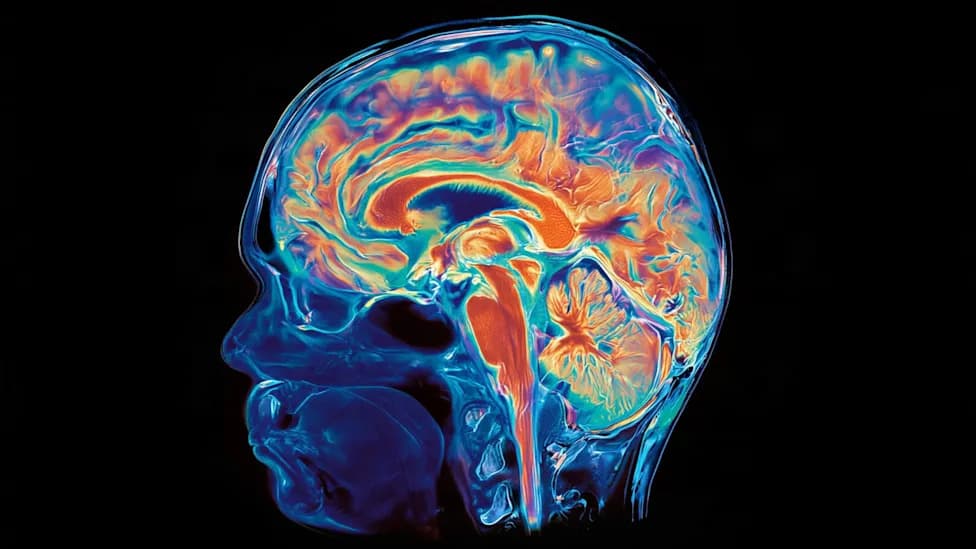
Image: Science Daily
A Stanford Medicine study published on September 18, 2026 in Nature Neuroscience finds that the brain’s anterior and posterior regions originate from two separate embryonic progenitor populations. The work reframes how researchers think about early brain patterning and carries immediate implications for laboratory models and stem cell research.
Two Lineages, Separate Origins
Using lineage tracing and molecular analyses, the team showed that the forebrain and midbrain develop from progenitor cells that express the gene Otx2, while the hindbrain arises from a distinct progenitor population marked by Gbx2. These progenitor pools were mutually exclusive from the earliest developmental stages the researchers examined — the two lineages were already distinct and running in parallel.
Chromatin Differences Provide a Mechanistic Hint
The authors identified marked differences in chromatin organization between the Otx2- and Gbx2-expressing populations. Chromatin — the complex of DNA and proteins that packages the genome — helps determine which genes are accessible for activation. Distinct chromatin states in the two progenitor types help explain why one population does not readily convert into the other.
Evolutionary Conservation
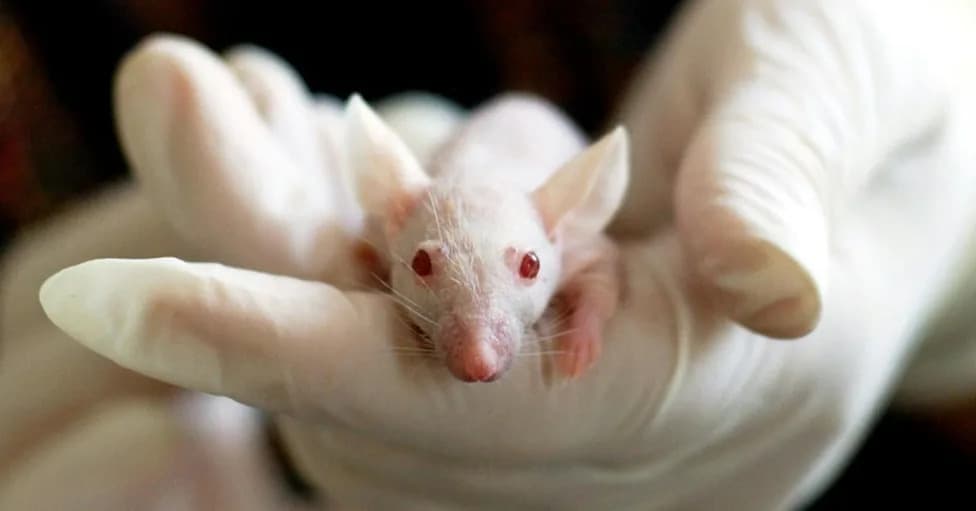
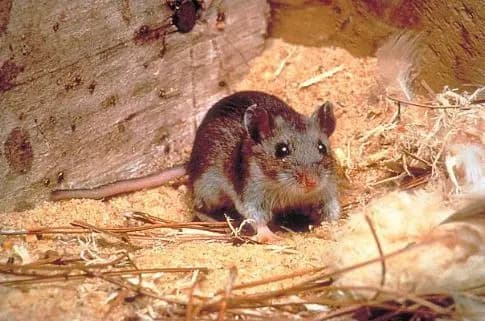
Researchers observed the same two-origin pattern in multiple species, including mice, chickens, zebrafish and acorn worms. That cross-species conservation suggests the developmental split between forebrain and hindbrain programs is ancient and broadly conserved across animals.
Implications for Research and Disease Modeling
A practical consequence is for stem cell researchers: efforts to generate hindbrain neurons by steering pluripotent stem cells toward forebrain or midbrain identities may begin from the wrong lineage. The new findings enable researchers to target the correct progenitor lineage and grow more accurately specified hindbrain neurons in culture.
More precisely patterned hindbrain neurons could improve laboratory models for disorders that affect posterior brain regions and motor functions — for example, amyotrophic lateral sclerosis (ALS) and spinal muscular atrophy (SMA). However, the authors emphasize this is a methodological advance. Any clinical application would require rigorous demonstration that lab-grown neurons can be produced at scale, faithfully model human disease biology, and integrate safely into tissues.
Kyle Loh, senior author and associate professor of developmental biology at Stanford: "We've shown for the first time that the front of the brain arises from a totally different progenitor cell than the back of the brain."
Overall, the study clarifies a fundamental aspect of brain development and gives researchers a sharper toolset for building disease models and probing early neural specification.
Help us improve.