A Nature Neuroscience study reports that forebrain and hindbrain regions arise from distinct embryonic progenitors—Otx2-expressing cells for forebrain/midbrain and Gbx2-expressing cells for hindbrain. The authors propose that the human brain may have evolved by packing two ancient neural systems together. Using this framework, the team produced functional hindbrain motor neurons from human pluripotent stem cells, a development that could improve models of brainstem diseases. Some experts urge caution about alternative interpretations.
Study Finds Human Brain May Have Evolved by Pressing Two Ancient Neural Systems Together
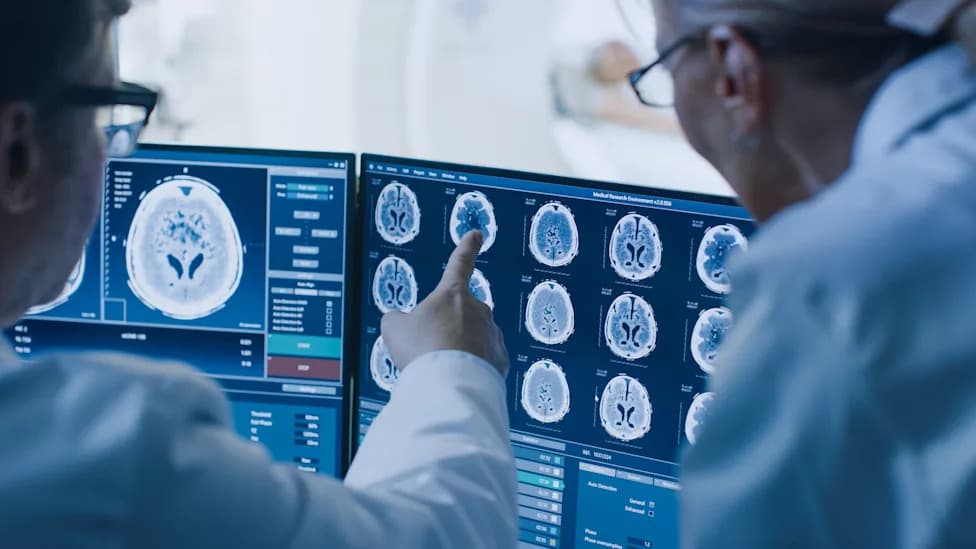
Photo Credit: iStock
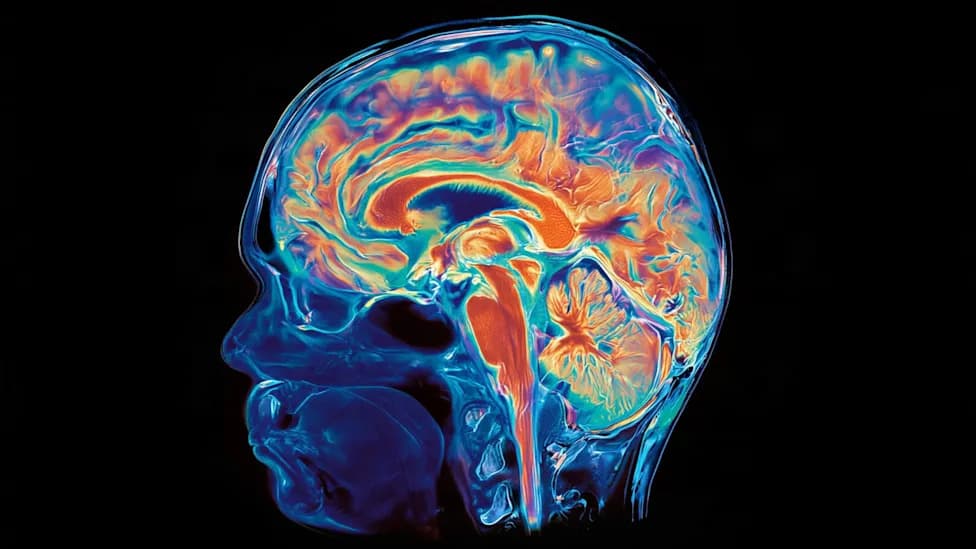
New research published in Nature Neuroscience suggests the modern human brain may have arisen when two ancient neural systems were compressed together during evolution. The study, summarized by Smithsonian Magazine, finds that forebrain and hindbrain regions follow distinct developmental trajectories in the embryo.
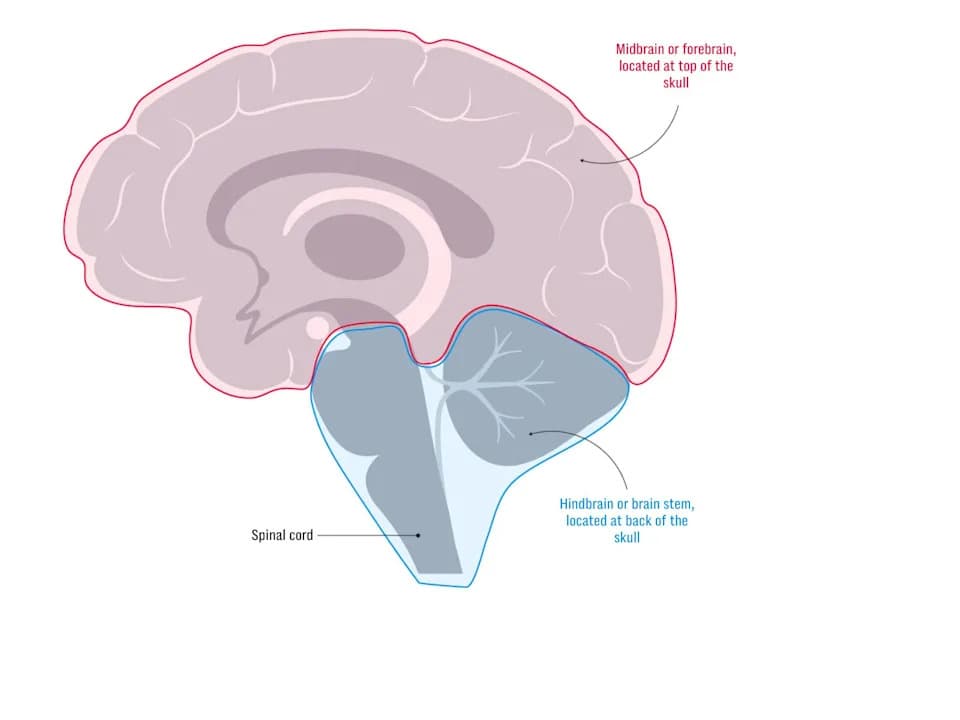
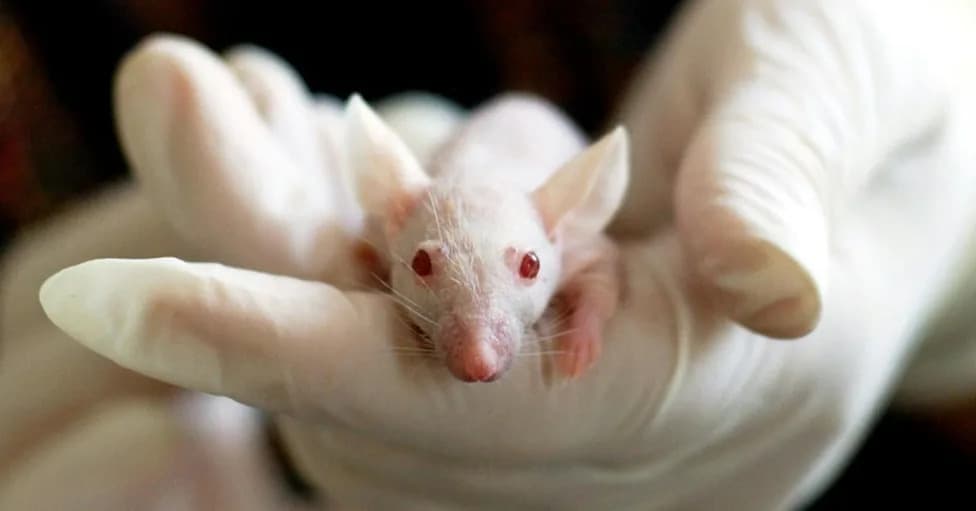
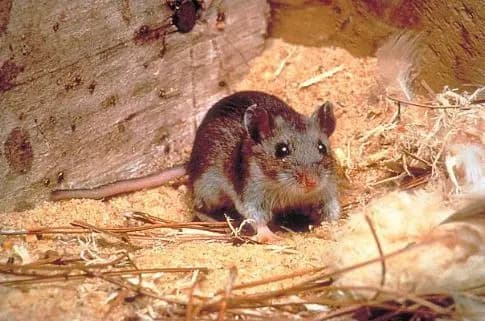
In mouse embryos about a week after conception, investigators identified two molecularly distinct classes of neural progenitor cells. Cells expressing the gene Otx2 go on to form the forebrain and midbrain, while progenitors marked by Gbx2 develop into the hindbrain (the brainstem).
As these regions differentiate, they take on very different roles: the forebrain supports higher-order functions such as language and abstract reasoning, whereas the hindbrain controls vital functions like heartbeat, sleep, appetite signaling and the muscles of the face, tongue and throat.
"Our research suggests that evolution took two existing neural systems and pushed them together spatially," said Kyle Loh, a developmental biologist at Stanford University, in comments relayed by Smithsonian Magazine. "Having the brain as one organ would probably be more efficient, but we rely on this primordial way to make the brain as two separate pieces."
The team observed similar, distinct progenitor populations in chickens, zebrafish and acorn worms, which supports the idea of an evolutionarily conserved pattern. However, some experts urge caution: Alex Pollen (University of California, San Francisco) noted that it is difficult to exclude the possibility that the two populations descend from a brief, common progenitor.
Using these developmental insights, Kyle Loh, Rayyan Jokhai and colleagues say they are the first group to generate functional hindbrain motor neurons from human pluripotent stem cells in vitro. This advance could help researchers model brainstem-related disorders—such as spinal muscular atrophy (SMA) and amyotrophic lateral sclerosis (ALS)—more accurately by supplying the specific hindbrain neurons that were previously hard to produce.
Reliable production of hindbrain neurons may allow scientists to test disease mechanisms and candidate therapies earlier and with greater precision before progressing to animal or clinical studies. The work also raises broader questions about how complex neural systems evolved and how conserved developmental programs shape brain organization.
Related lines of research include studies suggesting sleep protects against DNA damage in jellyfish, evidence that nanoplastics can impair mitochondrial function in brain cells, autopsy-based findings that inhaled plastics may reach neural tissue via the olfactory bulb, and mouse experiments showing concerning effects of microplastics on brain function.
Help us improve.