The USDA has proposed rescinding the 2001 Roadless Area Conservation Rule, which currently protects about 45 million acres of national forest from new roads and large-scale timber harvesting. The Forest Service filed a draft environmental impact statement on August 18, 2026, and the public comment period is open through October 6. Supporters warn repeal would increase road-building, raise ignition risks near roads, and threaten recreation, water supplies and local economies; USDA says repeal would give local managers more flexibility to address wildfire risk.
USDA Moves to Repeal Roadless Rule — 45 Million Acres Could Lose Protections; Public Comments Due Oct. 6
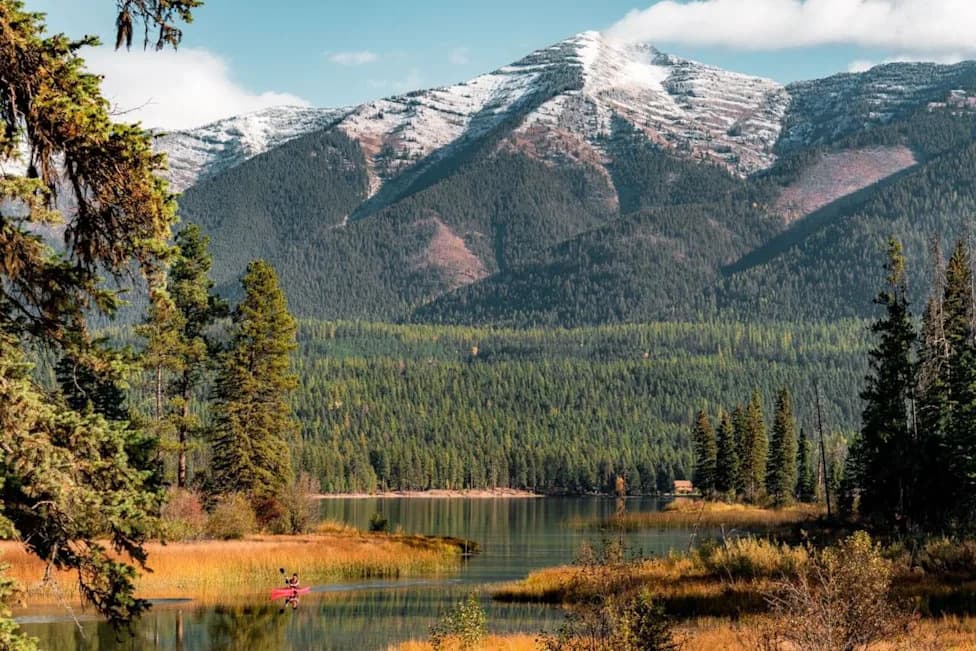
Flathead National Forest in Montana. Photo credit: Your Forests Your Future / US Forest Service
The U.S. Department of Agriculture has proposed fully rescinding the 2001 Roadless Area Conservation Rule, which currently protects roughly 45 million acres of national forest from new road construction and large-scale commercial timber harvest. The public-comment period for the Forest Service's draft environmental impact statement has been extended; comments are now due by October 6.
What’s At Stake
The Roadless Rule, adopted in 2001, was designed to preserve the ecological and social values of large, undeveloped tracts within national forests — including wildlife habitat, clean water sources and backcountry recreation. When first issued, the rule covered about 60 million acres. After Idaho and Colorado developed their own state-specific rules, roughly 45 million acres remain under the federal standard.
USDA’s Argument
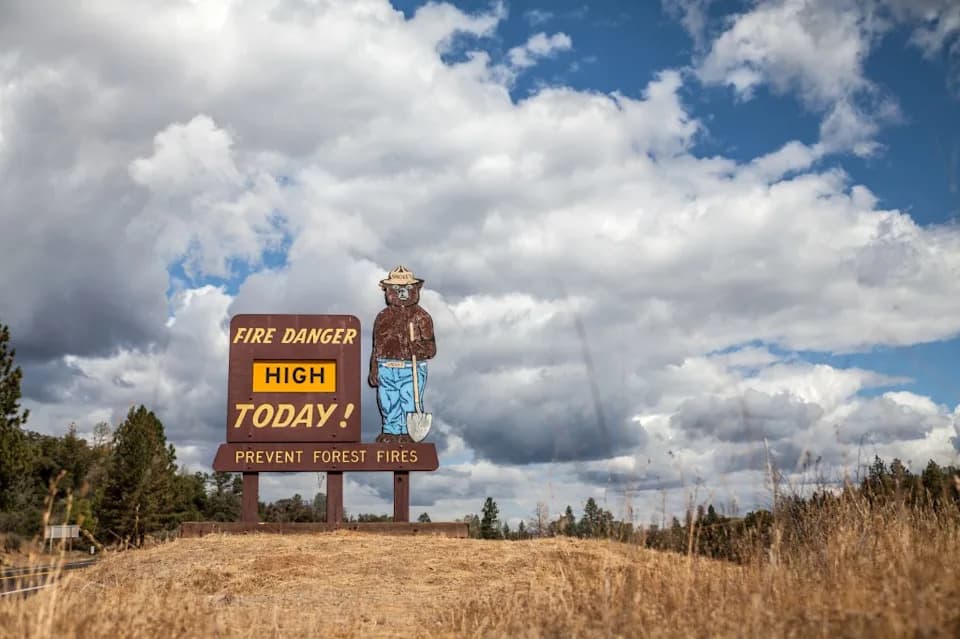
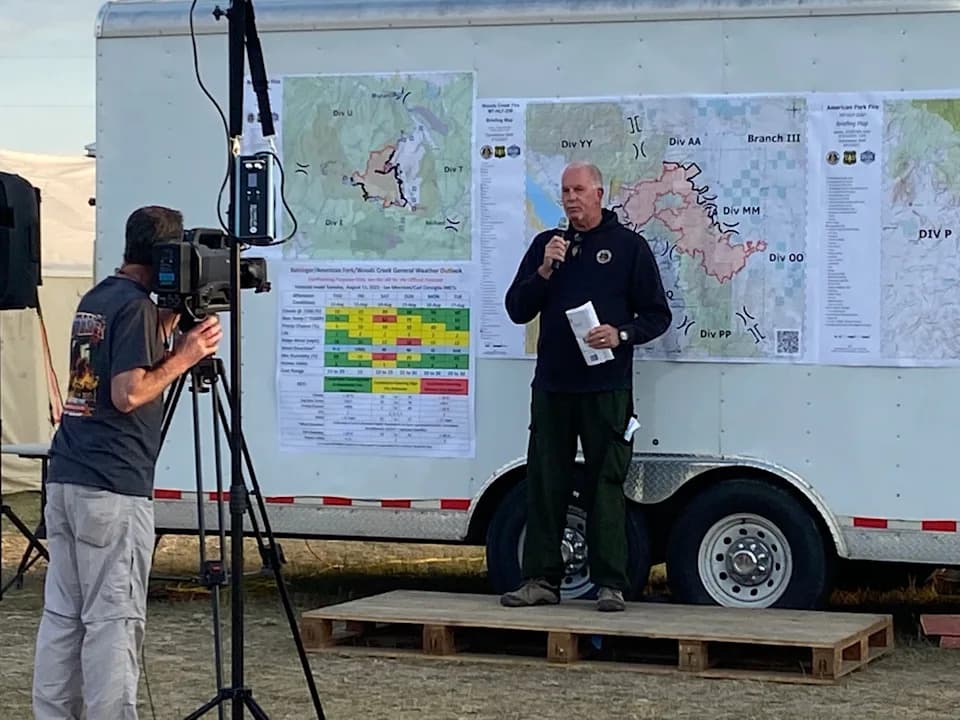
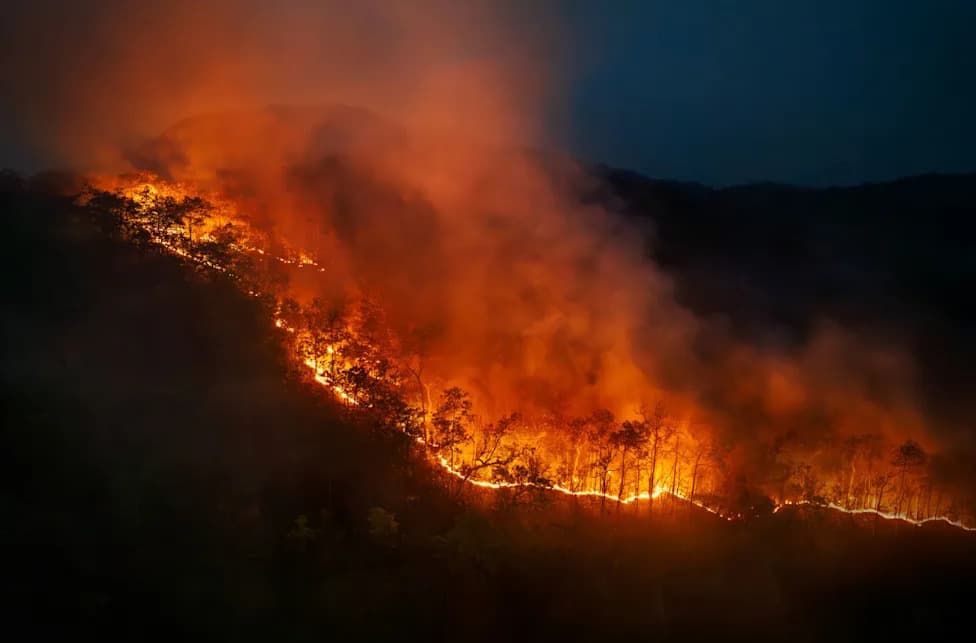
USDA officials say the rule limits local forest managers’ ability to respond to worsening wildfire risk. In filings accompanying the August 18, 2026 proposal and draft environmental impact statement, the agency cites factors such as denser forests, insect outbreaks and disease, and argues that restrictions on road construction can hinder access for treatments intended to reduce hazardous fuels.
Opposing Views and Evidence
Conservation groups, recreation organizations and many wildland fire experts strongly oppose the repeal. Earthjustice called the Roadless Rule "one of our nation's most successful conservation measures," saying it protects wildlife habitat, drinking-water sources for millions, and world-class recreation opportunities.
"The Trump administration falsely claims that rescinding the rule will help prevent wildfire, but the science shows the opposite is true. The public should see this rescind effort for what it is – yet another attack on public lands for the benefit of the timber industry – and call foul," said Tim Preso, attorney at Earthjustice.
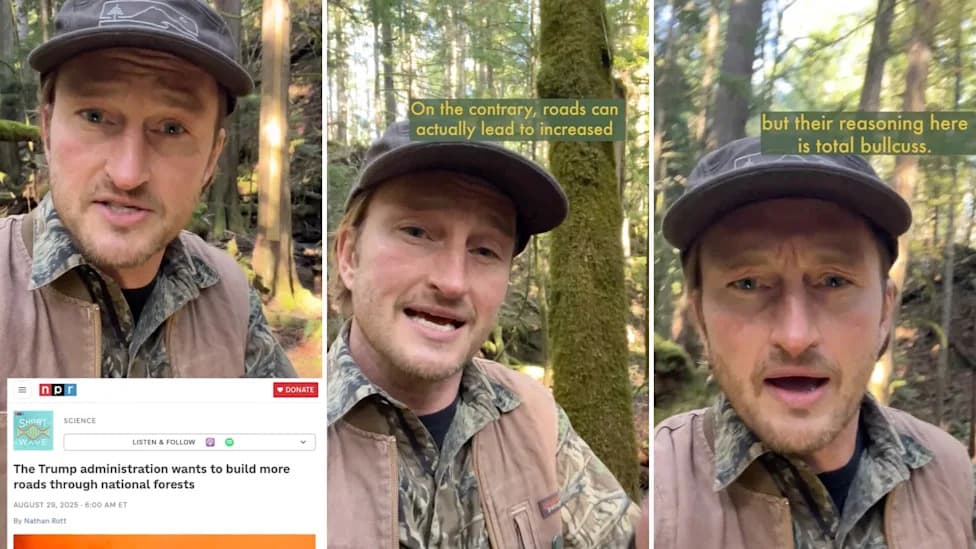
Research cited by opponents includes a January 2026 study by Gregory H. Aplet, Phil Hartger and Matthew S. Dietz that found wildfire ignition density on national forest lands was roughly four times higher within 50 meters (164 feet) of roads than in inventoried roadless areas. The Western Fire Chiefs Association also notes that people cause nearly 90% of U.S. wildfires, with common sources including discarded cigarettes, unattended campfires, burning debris and equipment failures; vehicles can ignite fires via hot exhaust, dragging chains, worn brakes or exposed wheel rims.
Trade-Offs Acknowledged
The Forest Service’s draft EIS recognizes a potential trade-off: it warns that "as the density of roads increases so does the probability, number, and frequency of wildfire ignitions." USDA maintains that rescinding the rule would return discretion to local managers to decide where roads and active management are appropriate instead of applying a single nationwide restriction.
Economic And Recreational Concerns
Outdoor and local business groups warn the change could harm recreation and regional economies that depend on intact forests. Outdoor Alliance estimates the affected areas include more than 25,000 miles of trails, nearly 1,000 miles of whitewater and over 10,000 miles of mountain-biking routes. In Alaska, businesses that rely on the Tongass National Forest — including tourism and commercial fishing — say they would be hurt if protections were removed, noting that timber production has historically been complex and often unproductive there.
How To Comment
October 6 is the deadline to submit public comments on the USDA proposal and draft EIS — it is not the date the Roadless Rule would be repealed. The Forest Service will review comments before deciding whether to finalize, modify or abandon the proposal.
USDA prefers electronic submissions via docket FS-2025-0001 or RIN 0596-AD66. Mailed comments can be sent to:
Director, Ecosystem Management Coordination
201 14th Street SW, Mailstop 1108
Washington, DC
Voices From Both Sides
"Earthjustice has successfully defended the Roadless Rule for a quarter century, and we are not going to stop now," said Abigail Dillen, president of Earthjustice.
"Once you start carving them up... you change your opportunity and your options to deal with these really bigger issues that are happening," said Bobby McEnaney, director of land conservation at the Natural Resources Defense Council.
USDA officials counter that local managers need flexibility to treat hazardous fuels and reduce wildfire risk, especially where inventory and treatment backlogs remain substantial.
Bottom Line
The proposal to rescind the Roadless Rule would shift the balance between landscape protection and local management discretion. The upcoming public comment period is a critical opportunity for stakeholders — from conservationists and recreation advocates to timber interests and local communities — to make their views part of the record.
Sponsored by Earthjustice. The Roam Report maintains full editorial independence; the brand did not review or approve this content before publication.
Help us improve.