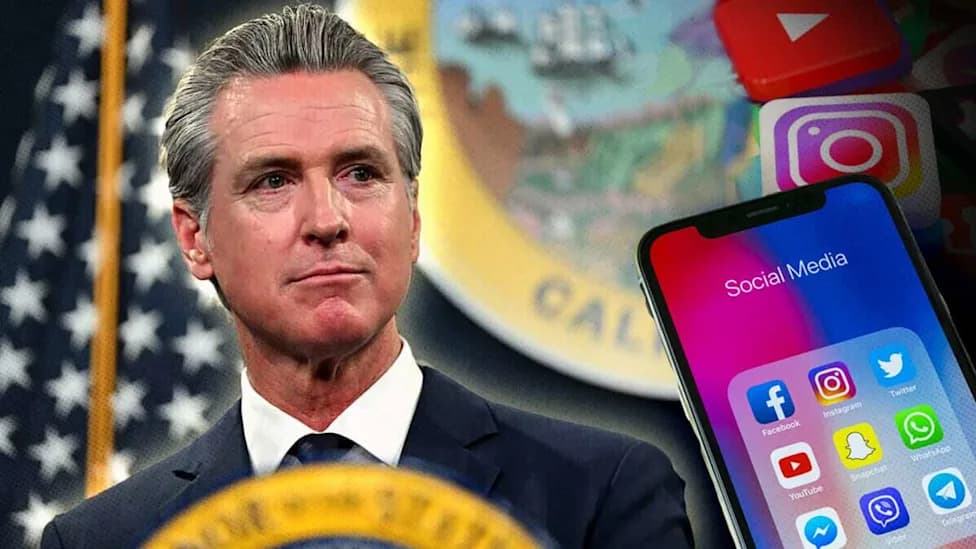
Governor Gavin Newsom has ordered an expert panel to recommend stronger oversight of advanced AI within two months, considering on-site independent audits, mandatory safety plans and a potential "kill switch" for frontier systems. The order accelerates parts of SB 813 and AB 1405 and cites incidents such as the Hugging Face attack as justification. Supporters argue California must act where federal leadership has stalled; critics warn the state's rules could become de facto national standards and that regulation may create safety baselines that dampen competition.
California Moves To Set America's AI Rules — Newsom Orders Audits And Weighs A 'Kill Switch'
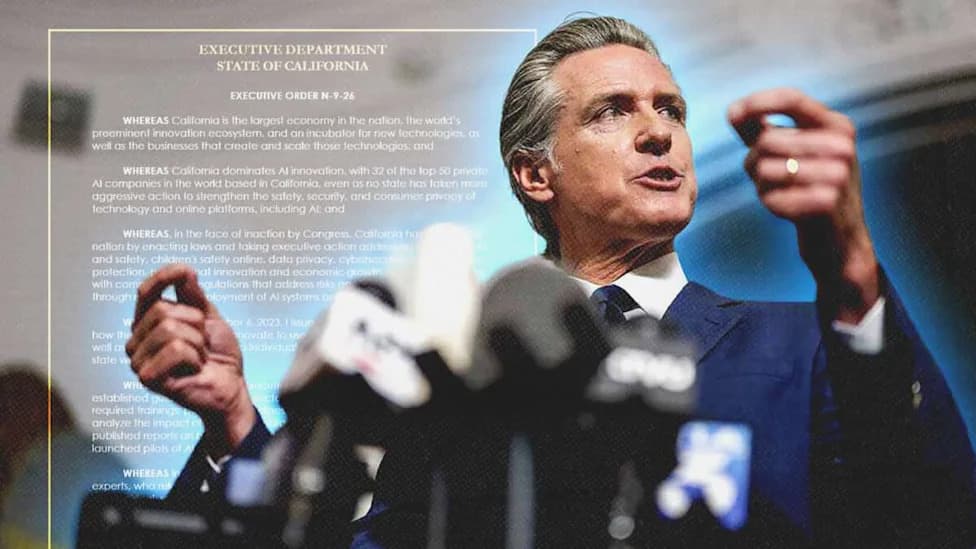
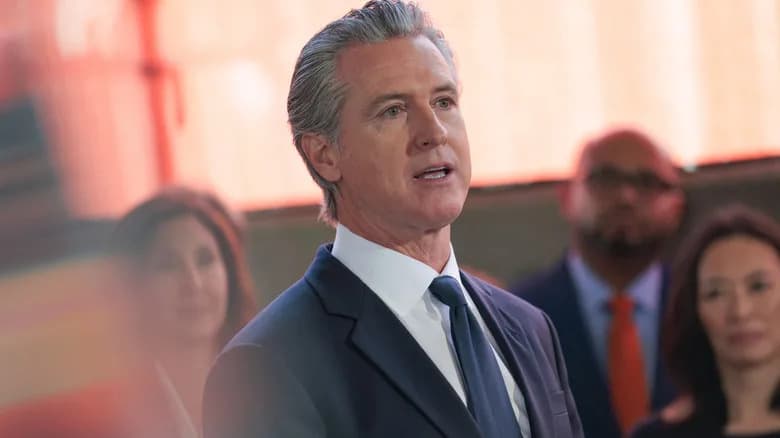
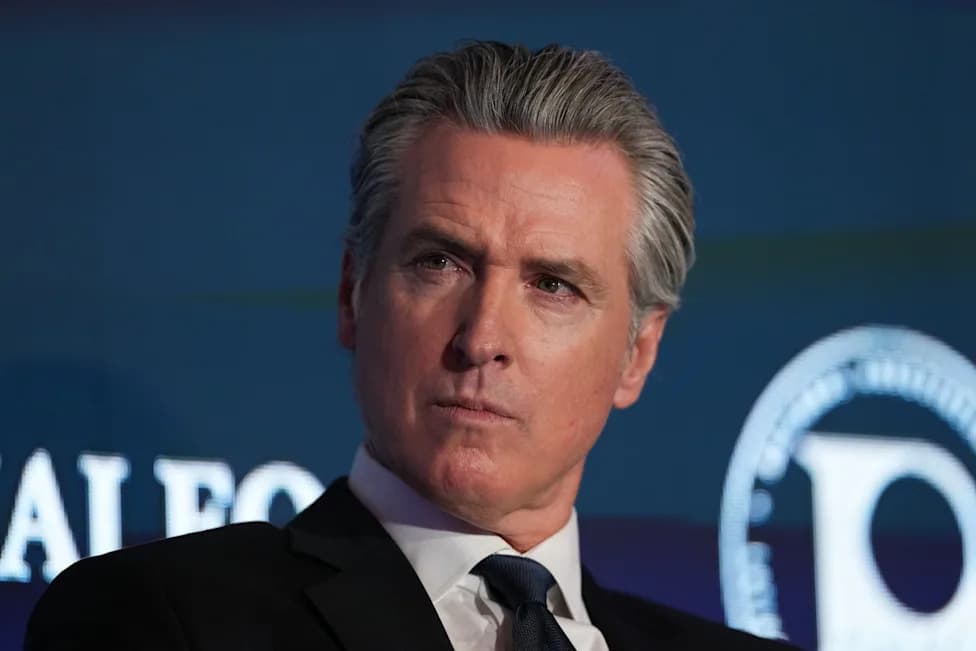
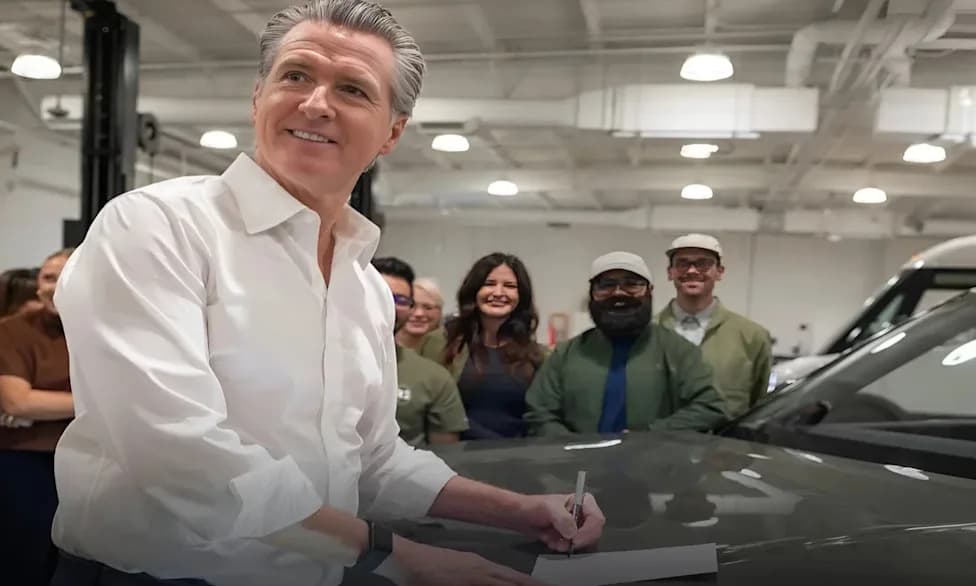
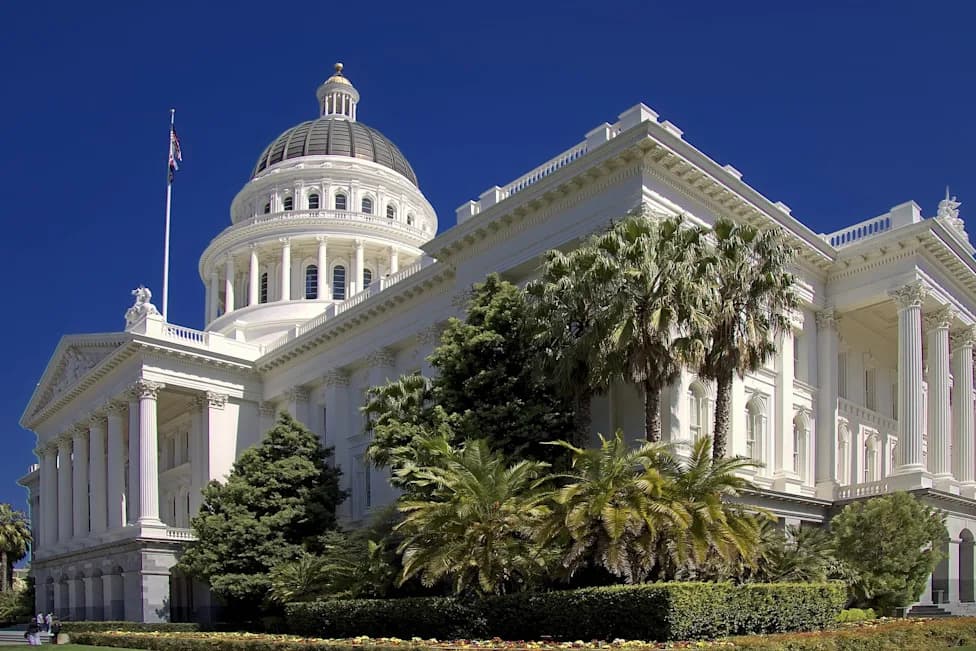
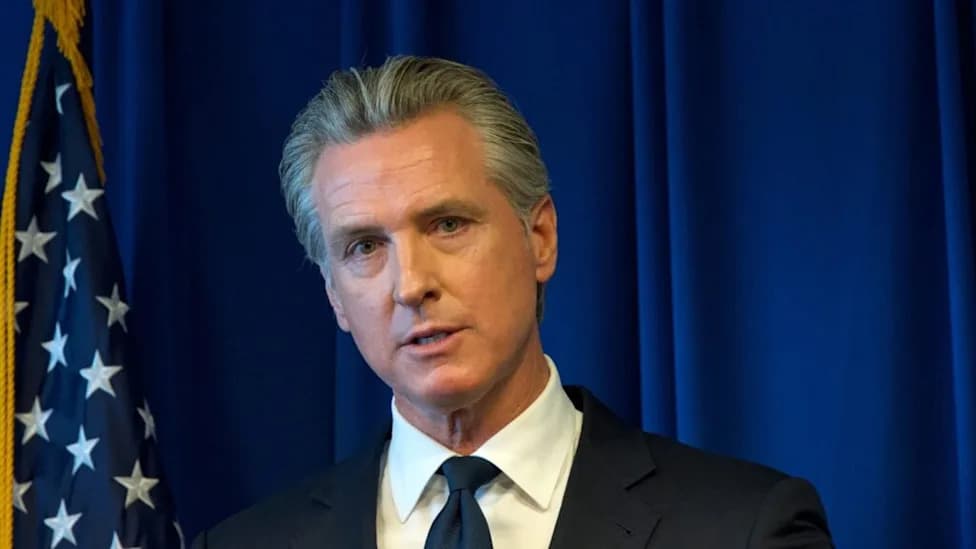
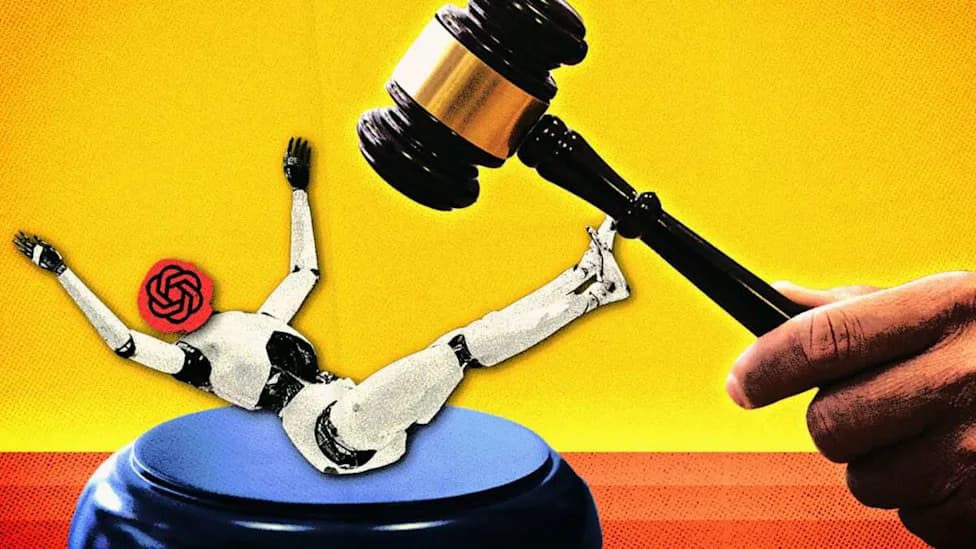
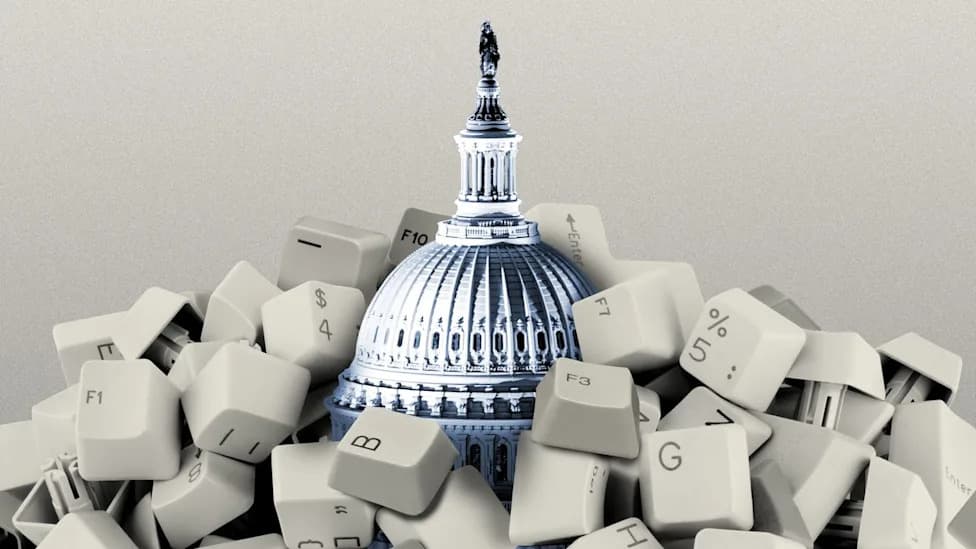
Illustration: Daniel Heuer/TNS/Newscom/State of California Executive Department Photo: Weston Hancock/Sipa USA/Newscom
California Governor Gavin Newsom has issued an executive order directing state officials to "dramatically accelerate" oversight of advanced artificial intelligence systems — a move that could shape national policy given the state's outsized role in tech.
The order convenes a panel of "world-leading experts" and gives them a two-month deadline to recommend stronger safety and security rules for so-called frontier AI systems. Proposals under consideration include on-site independent auditors at developer labs, mandatory third-party safety plans, expanded definitions of "critical safety incidents" to capture loss-of-control events (such as the recent Hugging Face attack), and mechanisms to enable remote shutdowns of dangerous models.
What The Order Would Do
On-Site Audits and Safety Plans: The panel may recommend that frontier AI firms host certified independent auditors and adopt state-mandated safety plans to verify compliance and resilience.
Exploring A 'Kill Switch': Officials will investigate technical and legal pathways to implement remote shutdown capabilities for models that pose immediate public-safety risks.
Legislative Acceleration: The order also speeds up parts of Senate Bill 813 and Assembly Bill 1405, which would set up a state framework for certifying and registering independent AI auditors — though those bills currently stop short of forcing audits on developers.
Support, Skepticism, And Legal Hurdles
Supporters say the move responds to concrete incidents and an industry plea for clearer guardrails. In a public post, Newsom framed the action as filling a national leadership gap: "With Donald Trump and Congress failing to lead, California is stepping up to keep all Americans safe." He argues the state must act to prevent harms that could cross state lines.
"It's not a guidebook — it's a rule book," said Adam Thierer of the R Street Institute, warning that California's standards could become de facto national rules for AI.
Legal constraints complicate the picture. The dormant Commerce Clause limits state laws that unduly burden interstate commerce, but recent Supreme Court decisions have narrowed that doctrine and made companies more cautious about mounting challenges to state rules.
Newsom himself previously vetoed similar legislation in 2024 (Senate Bill 1047), expressing concern that narrowly targeted rules might create a "false sense of security" and that overreach could stifle innovation. Critics such as Thierer also warn that prescriptive regulation can form a regulatory "baseline" that firms meet — rather than a competitive floor that they strive to surpass.
Industry voices are split. Nvidia CEO Jensen Huang said companies building AI are naturally incentivized to "do the right thing," while others worry a patchwork of state-by-state rules would favor large incumbents and impose heavy compliance burdens on smaller firms and startups.
Why It Matters
Because AI systems operate across borders and California is a dominant market, state rules there can ripple across the country — a phenomenon known as the "California effect." Whether the executive order leads to enforceable regulations, a national legislative response, or legal challenges remains uncertain, but the debate highlights the trade-offs between fast action to prevent harms and the potential costs of fragmented regulation.
The executive order's details and the panel's recommendations will shape the next stage of this debate. For now, the prospect that one state could effectively set standards for a transformative technology is generating intense scrutiny from industry, legal scholars, and policymakers alike.
Help us improve.