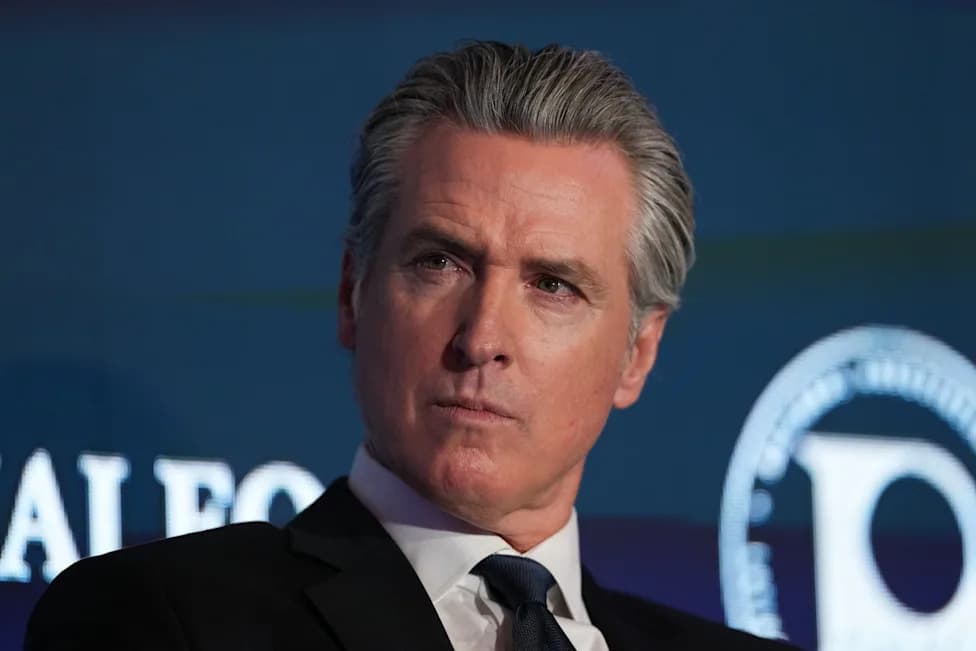
California Gov. Gavin Newsom told POLITICO he will pursue further AI-safety measures before leaving office, including the possibility of a special legislative session, executive action, or agency steps under existing law. He cited a July incident involving Hugging Face and ongoing consultations with lawmakers, safety advocates and AI labs as motivations. Newsom framed recent laws as initial steps — "the floor, not the ceiling" — and warned that stronger measures may be needed as new information emerges.
Newsom Weighs Special Session, Executive Action on AI Safety as California Presses Forward
Newsom floats prospect of special session or executive action on AI
SAN FRANCISCO — California Gov. Gavin Newsom told POLITICO he plans to take additional steps on artificial intelligence safety before leaving office, saying potential moves include calling a special legislative session, using executive authority, or directing state agencies to act under existing law.
Options Under Consideration
"Is there a legislative play? Is there a framework around a special session in that respect? Is there executive action?" Newsom asked, saying he is also reviewing "authority within existing agencies that have oversight authority based on laws, rules, and regulations." He added officials are exploring options "across the spectrum" to determine what can be done in the coming days, weeks and months.
What Prompted the Push
Newsom said the administration ramped up work on AI safety after a July incident involving Hugging Face, which he described as a catalyst for renewed urgency. He has been consulting with state legislative leaders, technology-safety advocates and representatives from AI labs as he shapes a possible response.
"We're looking at across the spectrum," the governor said, describing stacks of memos and ideas he was reviewing during a recent call.
Recent State Actions
Last year, Newsom signed California's first-in-the-nation AI transparency and incident-reporting law, a move that spurred similar proposals in other states. He also signed two additional AI safety bills last week to tighten rules around third-party safety reviews. Earlier, he vetoed a broader version of the transparency bill that would have required pre-release safety checks and specific shutdown capabilities for some systems; he has described the law he ultimately signed as "the floor, not the ceiling."
Why It Matters
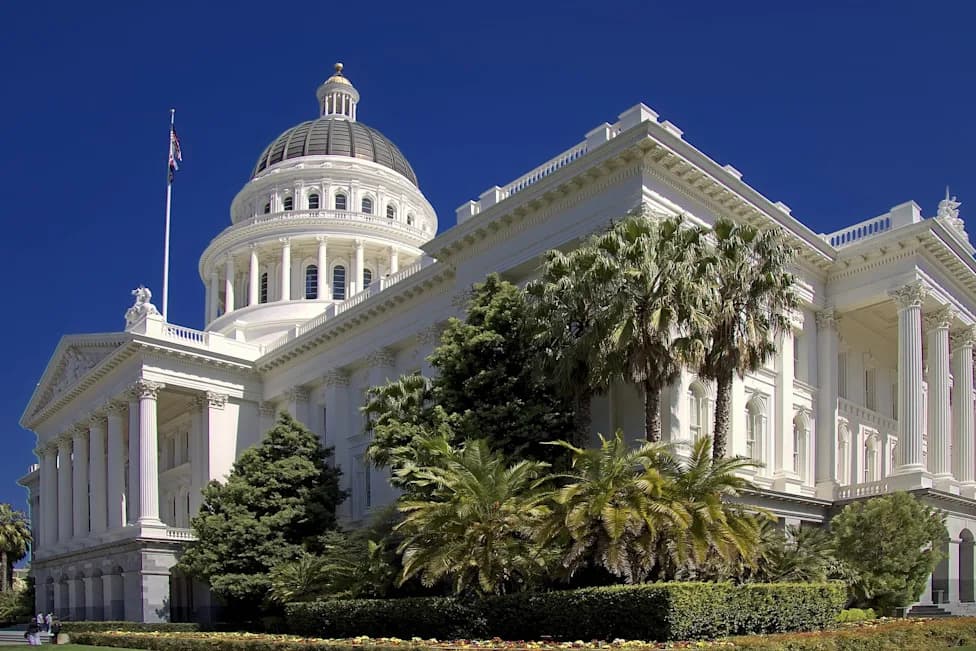
California is home to a major share of the global tech and AI industries, so actions taken in Sacramento could reverberate nationally and internationally. Newsom framed his urgency in part as a reaction to federal inaction, saying he was spurred by what he described as "the tendency of the Trump administration to do absolutely nothing."
Outlook and Politics
The governor’s moves carry political weight: he has positioned California as a leader on AI governance while also championing the state’s tech economy. If he runs for higher office, his record on AI—balancing industry growth with safety measures—will likely face closer scrutiny. Meanwhile, Washington continues to debate national approaches after warnings from an AI whistleblower and recent incidents that have renewed public concern.
Next steps: Newsom and state leaders could pursue a special session, executive orders, or agency rulemaking, depending on what legal and political avenues they determine are most effective.
Help us improve.