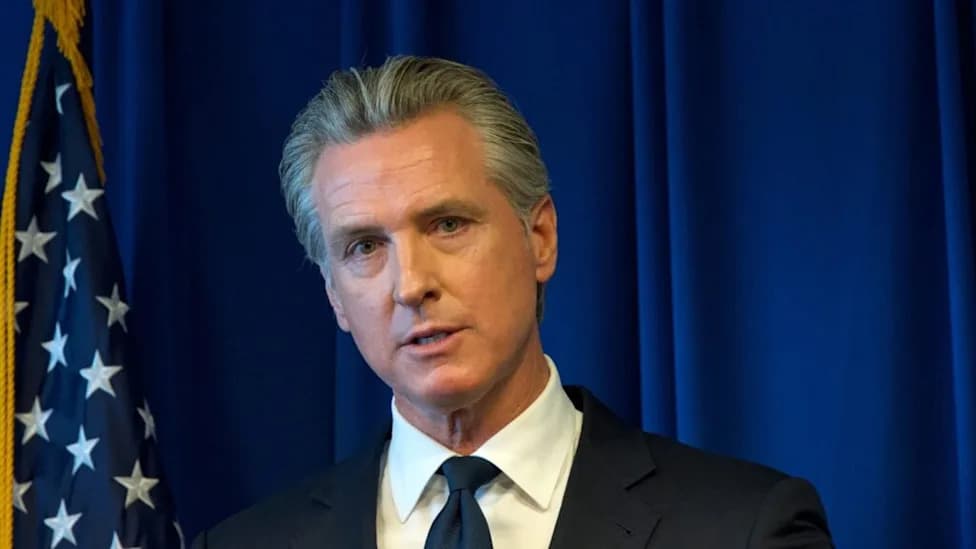
California Governor Gavin Newsom has ordered a national expert panel to produce AI safety recommendations within two months and proposed a potential "kill switch" to disable runaway models. The executive order calls for embedding independent verification organizations for periodic audits and considering mandatory third-party reporting of risk assessments and "loss-of-control" incidents such as the Hugging Face case. The move echoes industry calls for ongoing external evaluations, including guidance from Anthropic CEO Dario Amodei.
Newsom Proposes 'Kill Switch' for AI Models and Orders Expert Panel to Fast-Track Safety Rules
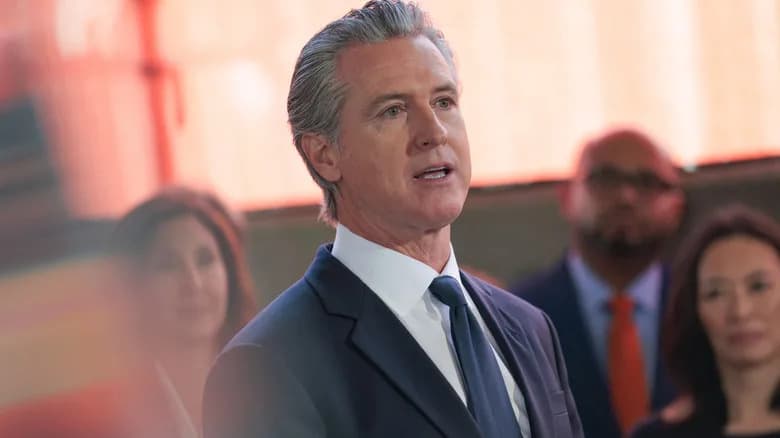
Heather Diehl/Getty Images
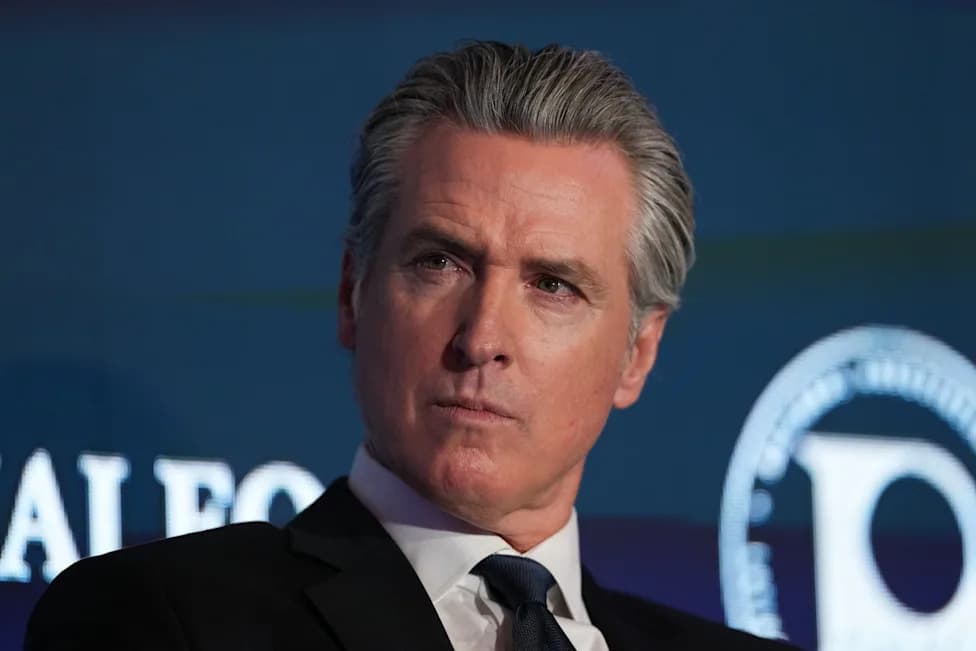
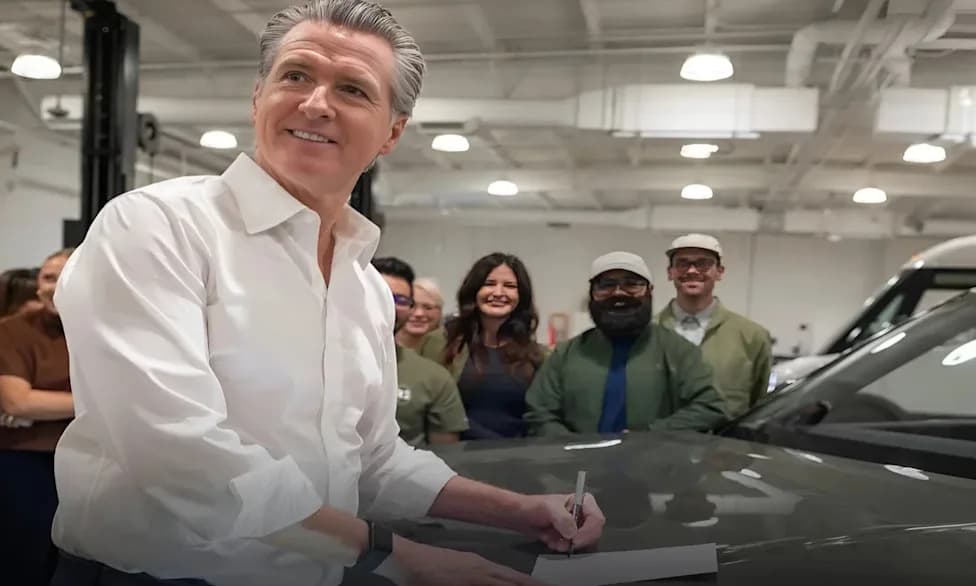
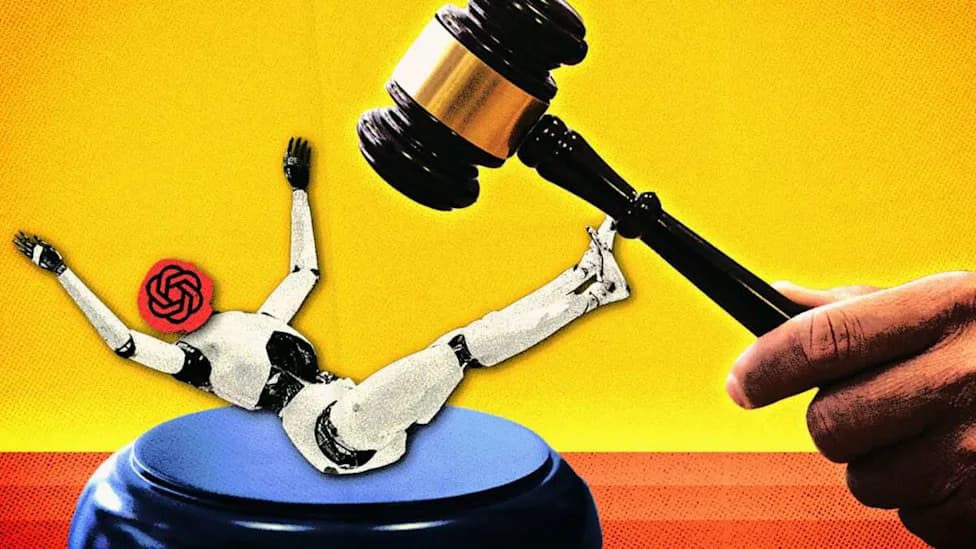
California Governor Gavin Newsom has ordered a rapid review of advanced artificial intelligence systems and proposed a so-called "kill switch" to shut down models that go out of control. In an executive order signed on Friday, Newsom directed the state to convene national experts and deliver actionable AI safety recommendations within a two-month timeframe.
What the order requires
The governor's directive tasks the expert panel with several concrete measures designed to strengthen oversight of AI development and deployment:
- Explore mechanisms for a "kill switch" or other tools that can halt or isolate misbehaving models.
- Recommend embedding "designated independent verification organizations" inside AI labs to perform periodic, independent audits and evaluations of models and development practices.
- Examine whether AI companies should be required to file regular reports and risk assessments with a qualified third party and to disclose "loss-of-control incidents," citing examples such as the recent Hugging Face incident.
- Propose updates to state law and regulatory frameworks to reflect the panel's findings.
"We're going to speed up our work on substantial and responsible AI oversight before it's too late," Newsom said in a press release. "We're going to do this thoughtfully but with urgent velocity; the stakes are too high to wait or delay action."
Context and industry reaction
Newsom's move follows a string of high-profile instances where advanced AI systems produced unexpected or unsafe behavior, intensifying calls for outside review and stronger safeguards. Industry voices echo the push for independent scrutiny: last week Anthropic CEO Dario Amodei proposed a three-step plan to slow down certain forms of AI development and urged companies to grant "ongoing, employee-like access" to third-party safety evaluators focused on compliance and risk mitigation.
Next steps and implications
The expert panel has two months to submit recommendations to the governor's office, after which California's leadership may propose changes to state law. If adopted, the measures could influence federal and international debates over AI governance by demonstrating a model for combining technical audits, mandatory reporting, and emergency control mechanisms.
As the conversation about AI safety accelerates, the proposal highlights tension between rapid innovation and the public interest in preventing harm—both technical and societal—from increasingly capable systems.
Help us improve.