EloraTZP — a combination of eloralintide and tirzepatide — produced a mean 23.3% weight loss (about 54.1 lb) at the highest dose over 48 weeks, outperforming tirzepatide alone (14.8%, ~34.4 lb) in a Phase 2 trial of 367 adults with overweight/obesity and type 2 diabetes. The combo also reduced A1C by up to 2.9% versus 2.4% for tirzepatide and 1.4% for eloralintide. However, discontinuations (10.8–27%) and gastrointestinal side effects were more frequent with the combination. Lilly plans to start Phase 3 before the end of 2026 and is developing a single‑injection fixed-dose formulation.
Eli Lilly’s EloraTZP Combo Produces 23.3% Average Weight Loss, Outperforming Tirzepatide in Mid-Stage Trial

Eli Lilly's weight loss drug combo shed 23% of body weight, topping its own blockbuster hero image
Eli Lilly reported Phase 2 results showing its investigational combination therapy, EloraTZP, produced substantially greater average weight loss than tirzepatide alone in people with overweight or obesity and type 2 diabetes.
Top-line results: Participants receiving the highest EloraTZP dose (9 mg eloralintide + 15 mg tirzepatide) lost an average of 23.3% of body weight — about 54.1 pounds — over 48 weeks. By comparison, those receiving the highest dose of tirzepatide alone lost an average of 14.8% of body weight (34.4 pounds).
How it works: EloraTZP pairs tirzepatide (which targets GLP-1 and GIP) with eloralintide, an experimental amylin analogue. Lilly says the combination simultaneously stimulates three complementary, nutrient-responsive hormones via distinct receptors to suppress appetite and improve glucose regulation.
Glycemic control: The combination lowered average A1C by up to 2.9%, compared with a 2.4% A1C reduction for tirzepatide alone and roughly 1.4% for eloralintide alone, according to Lilly.
Study details: The randomized mid-stage trial enrolled 367 adults with overweight or obesity and type 2 diabetes. Lilly presented the data at the European Association for the Study of Diabetes (EASD) annual meeting in Milan.
Safety and tolerability: Adverse events and treatment discontinuations were more frequent with the combination. Across EloraTZP dose cohorts, discontinuation rates due to adverse events ranged from 10.8% to 27%, versus 2.9% for tirzepatide alone. Gastrointestinal complaints were the most commonly reported side effects and occurred most often during dose escalation.
Kenneth Custer, president of Lilly’s cardiometabolic health division, cautioned that Phase 2 discontinuation figures do not necessarily predict long-term tolerability. He noted tirzepatide’s top dose showed similar mid-stage dropout rates during its development and added: "We do things in Phase 1 and Phase 2 to test what the molecule can do from an efficacy perspective. We also learn from those studies about how we should administer them, and then we make changes."
Next steps: Lilly is targeting a Phase 3 start for EloraTZP before the end of 2026 and is working on a fixed‑dose formulation that would deliver both agents in a single injection. Separately, eloralintide is also being evaluated as a standalone obesity treatment in Phase 3 trials.
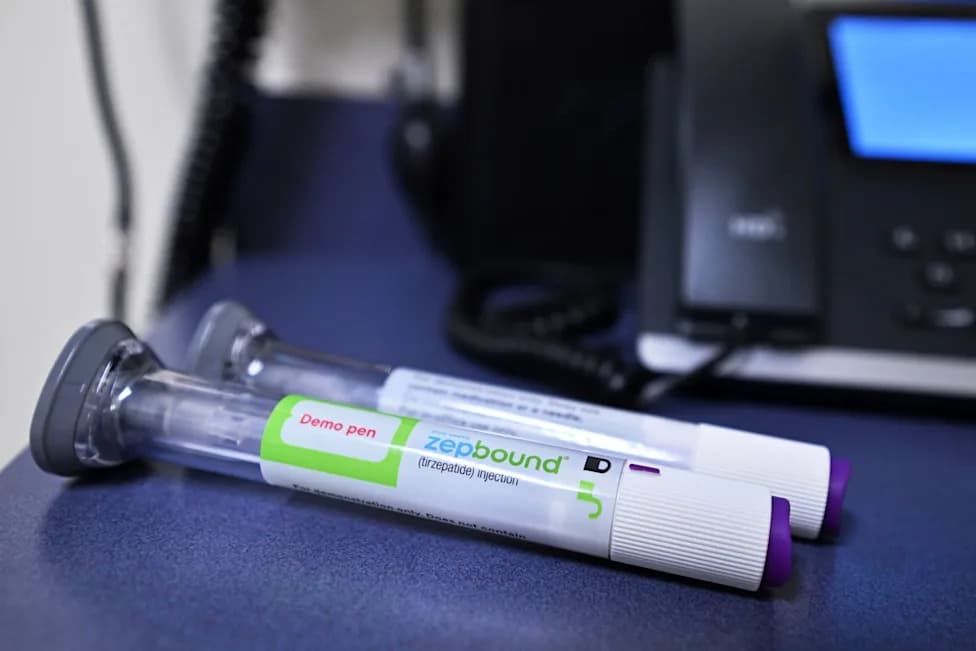
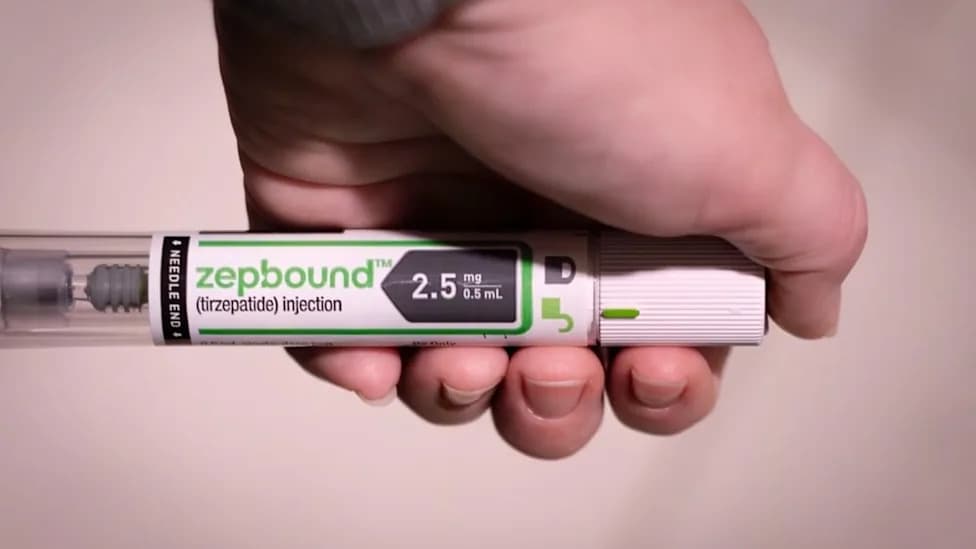
Context: Tirzepatide is the active molecule in Lilly’s obesity drug Zepbound and its diabetes medicine Mounjaro, both of which have reshaped expectations for pharmaceutical weight-loss therapies.
Help us improve.