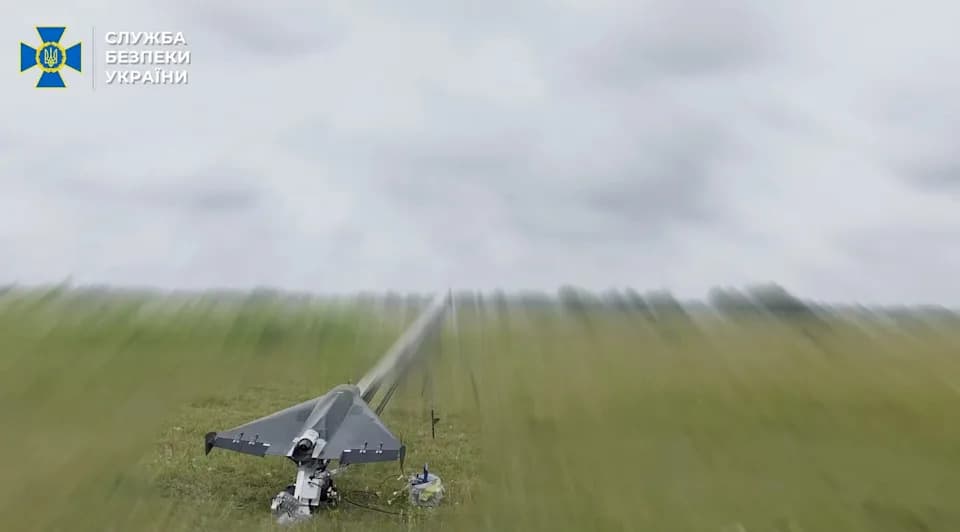
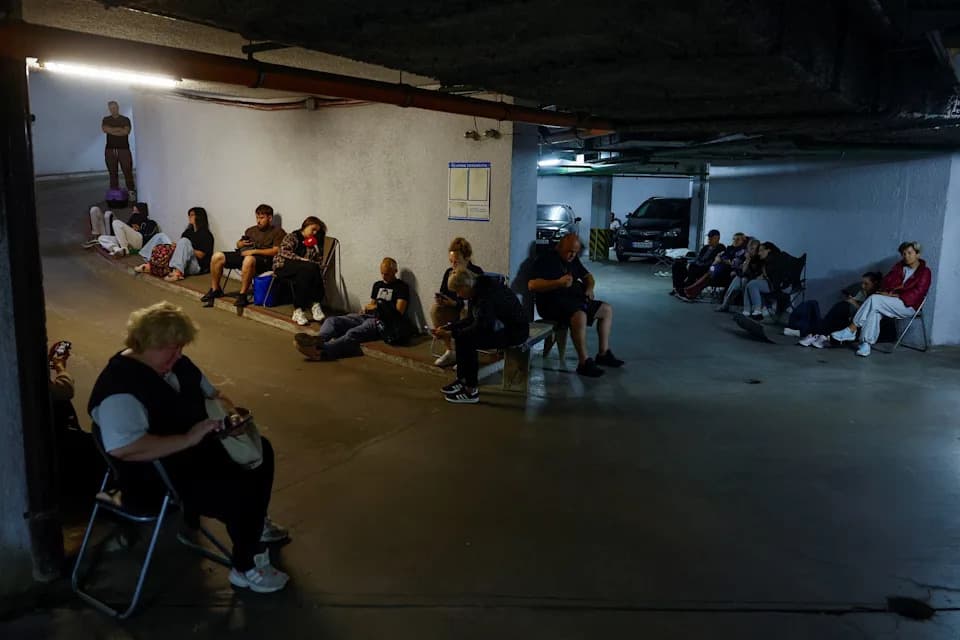
Russian jet-powered Shahed drones are striking Kyiv at speeds of several hundred kilometers per hour, giving air-defense crews only seconds to respond. Ukrainian manufacturers and engineers are urgently developing faster interceptors, miniature turbojet propulsion and AI guidance, but scaling production and training could take months. F-16 fighters can help intercept the fastest drones, but many require maintenance. Civilians and critical infrastructure have faced mounting disruption and casualties.
Jet-Powered Shahed Drones Outpace Kyiv's Air Defenses as Ukraine Races to Build Faster Interceptors
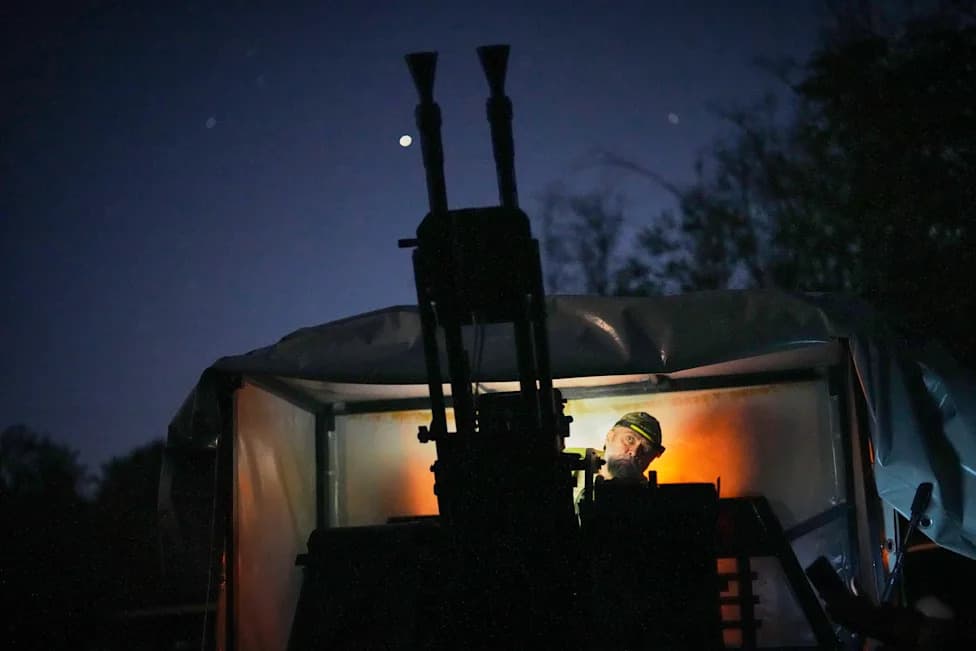
A Ukrainian air defense soldier gets ready to repel Russia's drone attack in Kyiv, Ukraine, Saturday evening, Sept. 19, 2026. (AP Photo/Efrem Lukatsky)(AP Photo/Efrem Lukatsky)
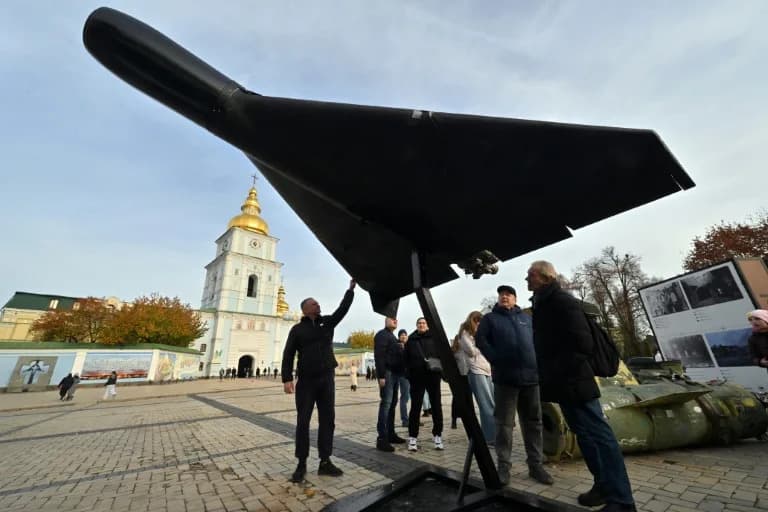
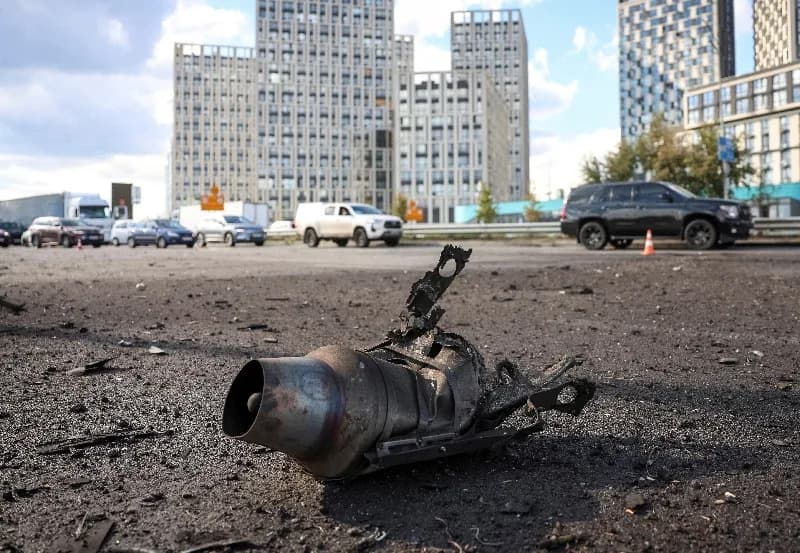
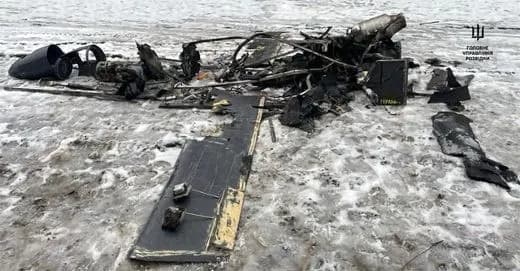
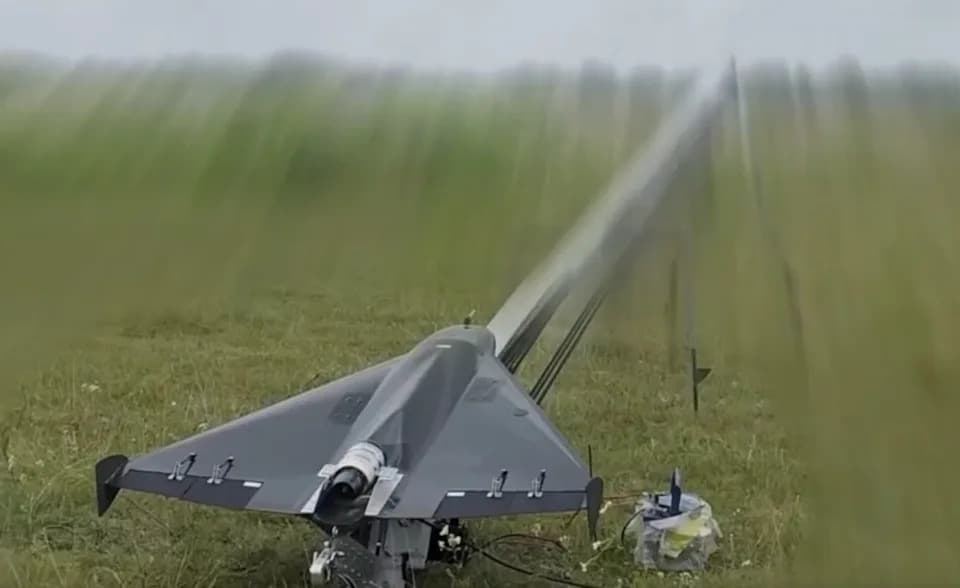
KYIV — A new wave of Russian jet-powered Shahed drones is slicing across Kyiv's night skies at several hundred kilometers per hour, giving Ukrainian air-defense crews only seconds to react — time that is increasingly insufficient.
As more of these high-speed drones penetrate the capital, Ukrainian defense manufacturers and engineers are racing to design and mass-produce a new generation of interceptors. Companies are developing small turbojet propulsion, upgrading airframe and cooling systems to sustain higher speeds, and training artificial intelligence to assist guidance and target prioritization.
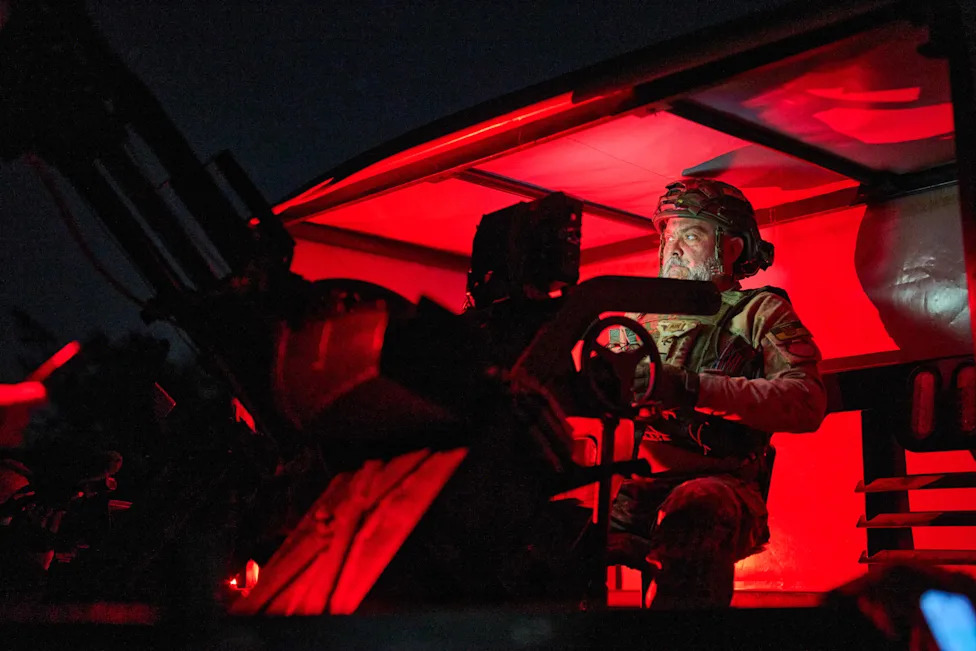
A Ukrainian air defense soldier gets ready to repel Russia's drone attack in Kyiv, Ukraine, Saturday evening, Sept. 19, 2026. (AP Photo/Efrem Lukatsky)(AP Photo/Efrem Lukatsky)
Targets and Impact
The intensified campaign appears aimed at Ukraine's infrastructure: energy systems, key industrial sites, railways, postal services, shopping centers, telecommunications networks, gas stations and grain export facilities have all been hit in recent weeks. The barrage — combined with Russia's ballistic missile arsenal — is straining Kyiv's stock of interceptor missiles and complicating defense efforts.
On the Front Lines of Air Defense
"They're moving so fast that we can't get a proper lock on them," said Volodymyr Serdiuk, commander of an air-defense unit. Serdiuk and his crew begin their night shift at 8 p.m., watching a tablet linked to a centralized radar network that maps the sky for their sector. A red marker racing across the screen can become a jet-powered Shahed in seconds.
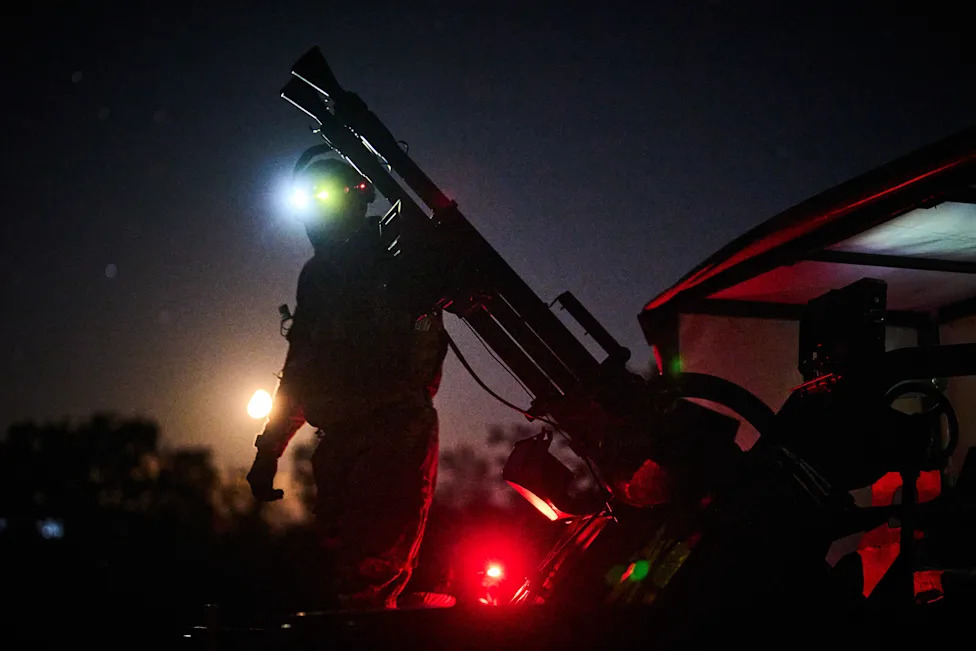
A Ukrainian air defense soldier gets ready to repel Russia's drone attack in Kyiv, Ukraine, Saturday evening, Sept. 19, 2026. (AP Photo/Efrem Lukatsky)(AP Photo/Efrem Lukatsky)
"It's like chasing a pig in the forest," Serdiuk said, referring to the difficulty of tracking the new variants.
Volunteer air defenders such as Sean Almeida, a former U.S. Marine, say the drones often fly too high or too fast for heavy machine guns or older interceptors to engage effectively. Ukrainian defenses use electronic warfare and AI to herd incoming drones into narrow corridors to improve interception chances, but the jet-propelled models are pushing that tactic to its limits.
Response: Prototypes, Production Bottlenecks and Timelines
Ukrainian firms report successful tests of prototype interceptors against the new threat, but scaling up remains the main obstacle. Manufacturers say building prototypes in sufficient numbers and training operators could take months. Oleksii Babenko, CEO of Vyriy Drones, estimates three to four months to scale production; analyst Taras Chmut suggests six months or longer. Miniature turbojet engines are a particular bottleneck, with much of the supply coming from European manufacturers whose output is currently limited.
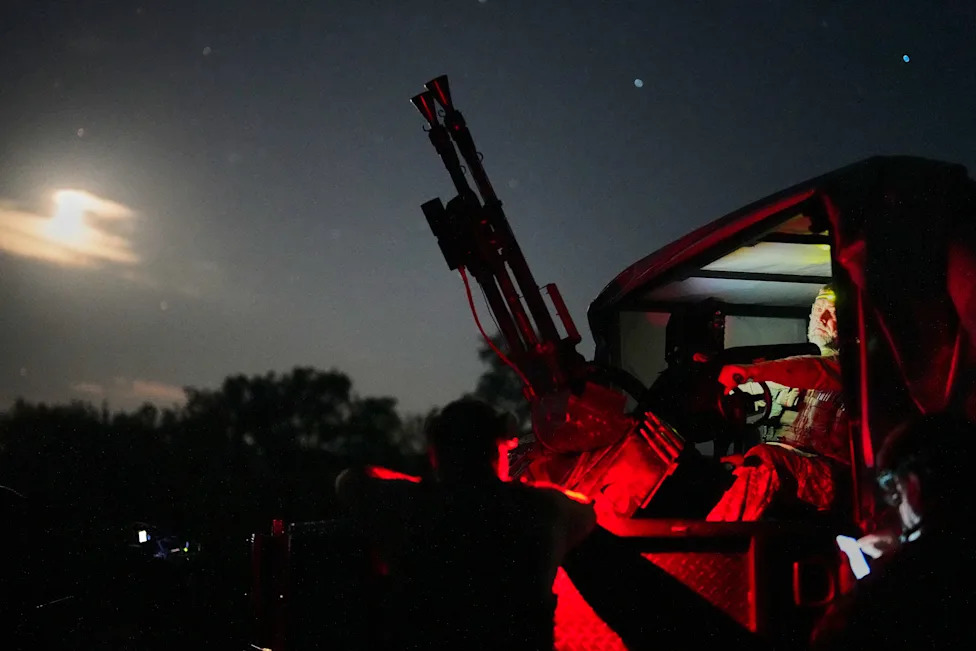
A Ukrainian air defense soldier gets ready to repel Russia's drone attack in Kyiv, Ukraine, Saturday evening, Sept. 19, 2026. (AP Photo/Efrem Lukatsky)(AP Photo/Efrem Lukatsky)
To close the speed gap, engineers are redesigning interceptors with improved propulsion and battery cooling systems to sustain higher sustained speeds. On occasion, Ukraine's F-16 fighters — represented as a blue blip on radar screens — are scrambled to chase the fastest drones, but many jets are undergoing maintenance and are temporarily out of service.
Human Cost
Civilians continue to suffer. Casualty reports surfaced after strikes in the Fastiv district of Kyiv, where a mother and child were reported killed. Florist Daria Kuchynska described being thrown to the ground by a nearby drone explosion and finding an unconscious woman who later died. "So many people are constantly dying around us," she said. "It's simply a matter of luck."
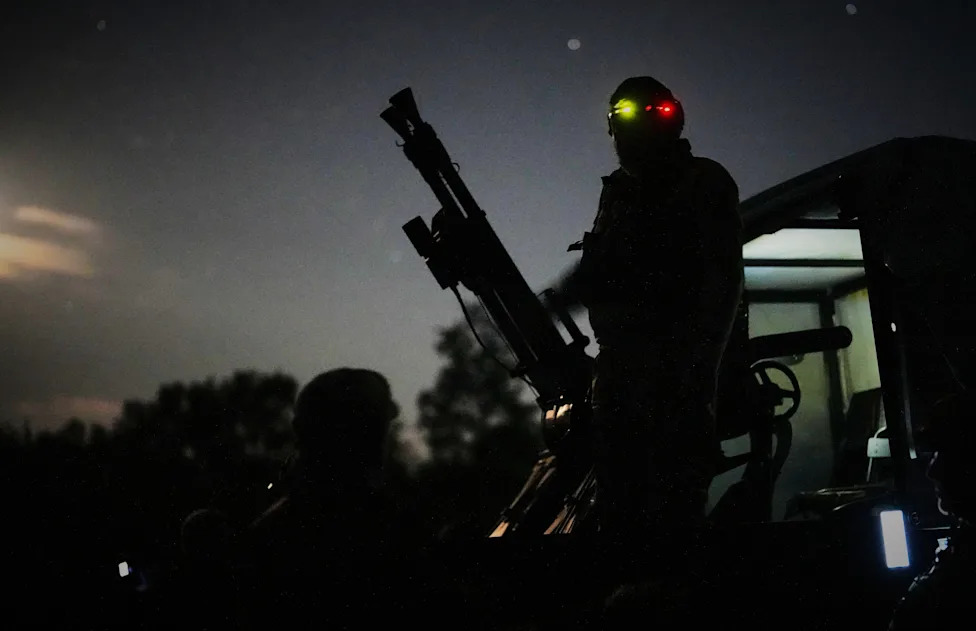
A Ukrainian air defense soldier gets ready to repel Russia's drone attack in Kyiv, Ukraine, Saturday evening, Sept. 19, 2026. (AP Photo/Efrem Lukatsky)(AP Photo/Efrem Lukatsky)
Ukrainian air-defense crews are improvising under relentless pressure, while engineers and manufacturers race to field effective, scalable interceptors before the next wave of attacks.
Reporting note: The account draws on on-the-ground interviews with air-defense personnel and industry officials and reflects the situation and timelines they provided.
Help us improve.