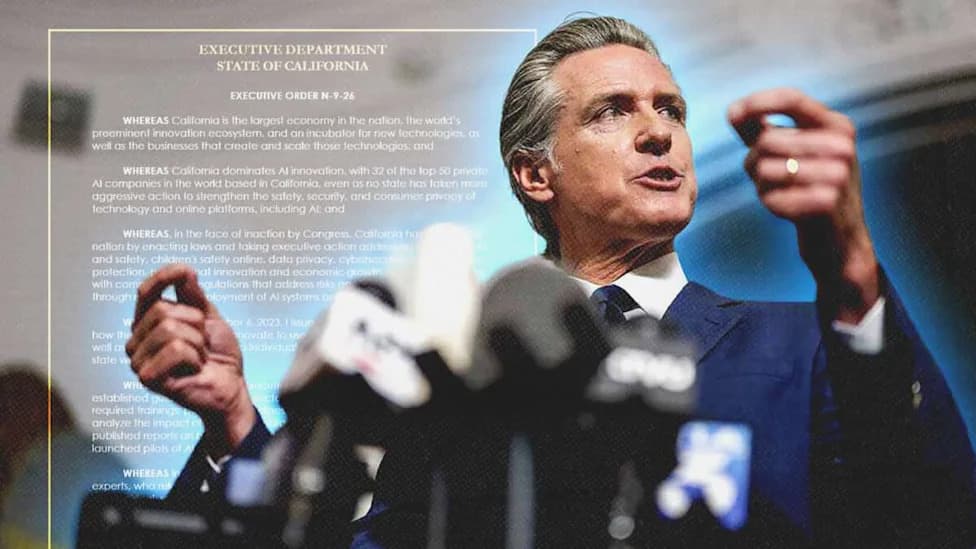
California Gov. Gavin Newsom signed a suite of laws and executive orders to protect workers from AI-related harms, banning biometric-based emotion profiling, requiring written notice for AI-driven mass layoffs, and preventing AI from being the sole basis for firings. He also ordered state agencies to standardize use of the term artificial intelligence and pressed for chatbot risk assessments and expert oversight. The actions come amid criticism of the lack of federal AI regulation and on the governor's final day to sign or veto bills before his term ends.
Newsom Signs Laws to Protect Workers From AI: Biometric Emotion Profiling Banned, AI Firings Limited
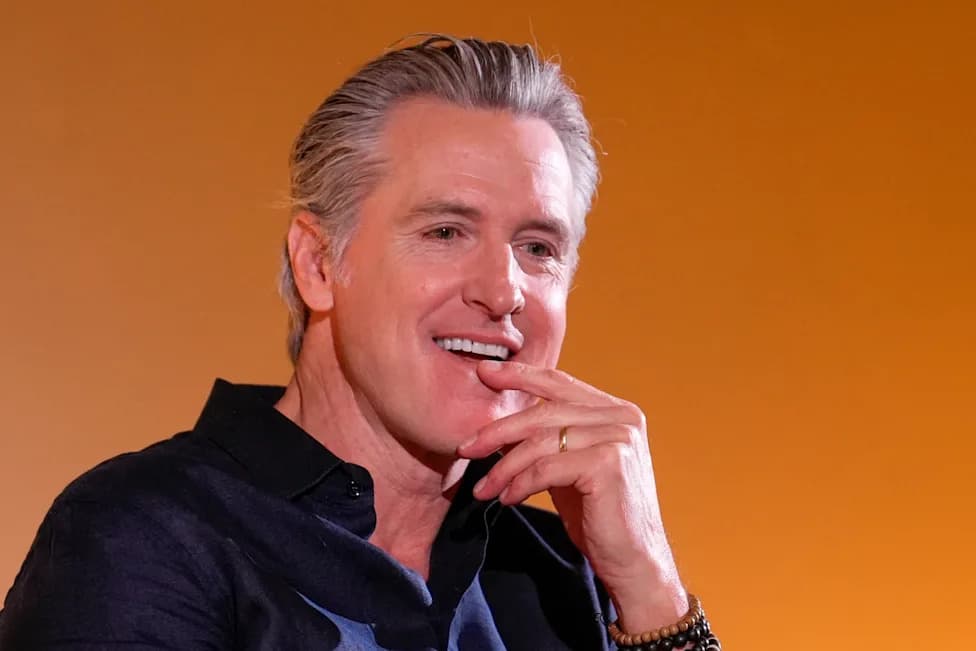
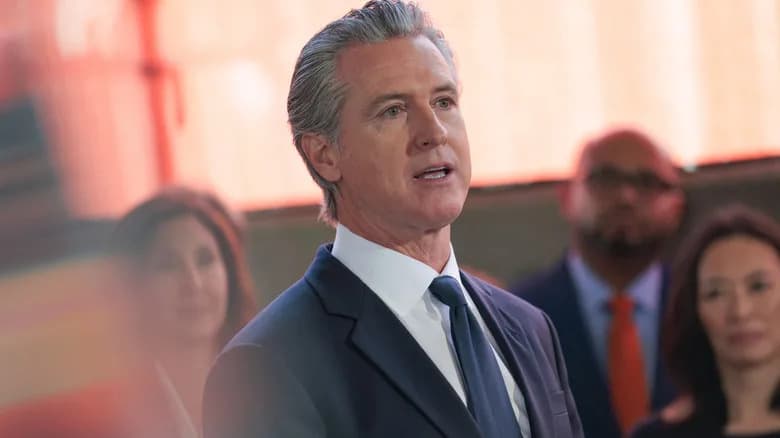
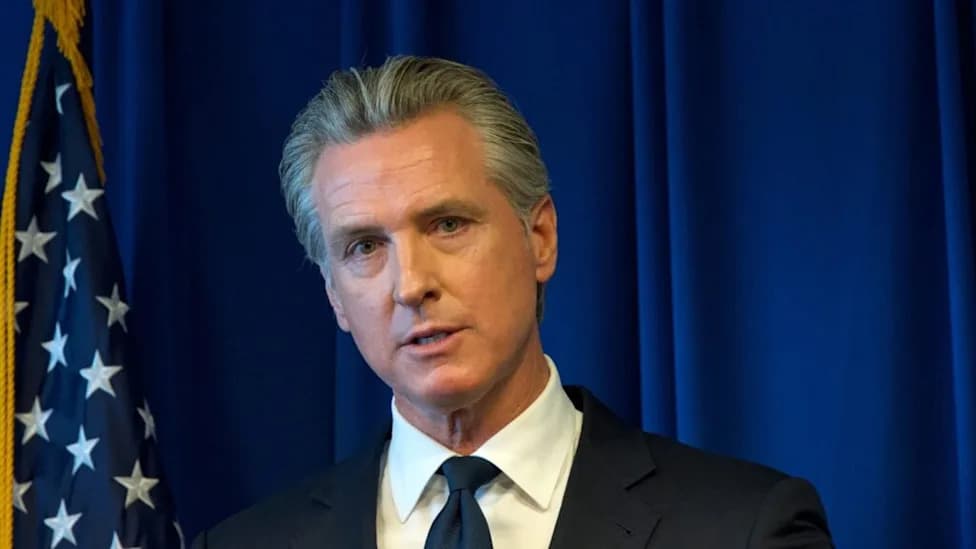
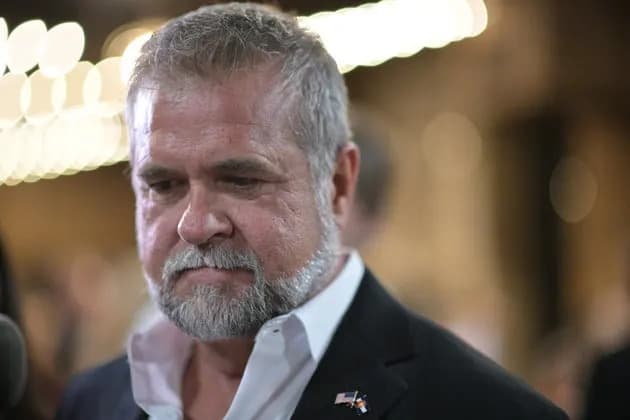
California Gov. Gavin Newsom pauses while discussing environmental issues in San Francisco, Tuesday, Sept. 29, 2026. (AP Photo/Rich Pedroncelli)
In Sacramento, California Gov. Gavin Newsom on Wednesday signed a package of laws and executive orders intended to protect workers from emerging risks posed by artificial intelligence, including job displacement and heightened workplace surveillance.
What the New Rules Do
The measures include several worker-focused protections:
- Employers are prohibited from using AI to infer an employee's emotional state from biometric data.
- Companies must provide written notice to workers when AI is responsible for mass layoffs.
- Employers are barred from relying on automated systems as the sole basis for firing an employee.
Newsom also issued an executive order directing state agencies to use the term artificial intelligence rather than the phrase super intelligence, a designation President Donald Trump recently requested be used by U.S. diplomats.
Related Actions and Context
Earlier this month, Newsom signed a law requiring operators of AI chatbots to perform risk assessments before deployment. He also issued an executive order for state agencies to consult outside experts to strengthen oversight of the AI industry.
AI should expand opportunity — not come at the expense of workers and families, Newsom said, adding that California is "putting people at the center" as the technology reshapes workplaces.
At an hourlong news conference, Newsom sharply criticized the absence of comprehensive federal AI regulation and said he may call lawmakers back for a special session if necessary. He contrasted state action with the Trump administration's approach, noting that Trump said top tech leaders had signed a voluntary accord to "self-police" AI development.
Other Bills Signed
On the same day — his final deadline to sign or veto bills before his term ends in January — Newsom signed legislation creating a tax credit program to help local news organizations, including newspapers, digital outlets and TV stations, hire and retain journalists. He used the event to condemn what he described as threats to a free press and to discuss national politics, including the midterm elections and a proposed temporary tax on billionaires slated for the November ballot.
Newsom also addressed the national political landscape, warning that control of the House matters for the integrity of future elections and declining to set a deadline for deciding whether he will run for president in 2028.
Taken together, the new state measures make California one of the more proactive U.S. jurisdictions in regulating workplace uses of AI while signaling the governor's willingness to act when federal leadership is absent.
Help us improve.