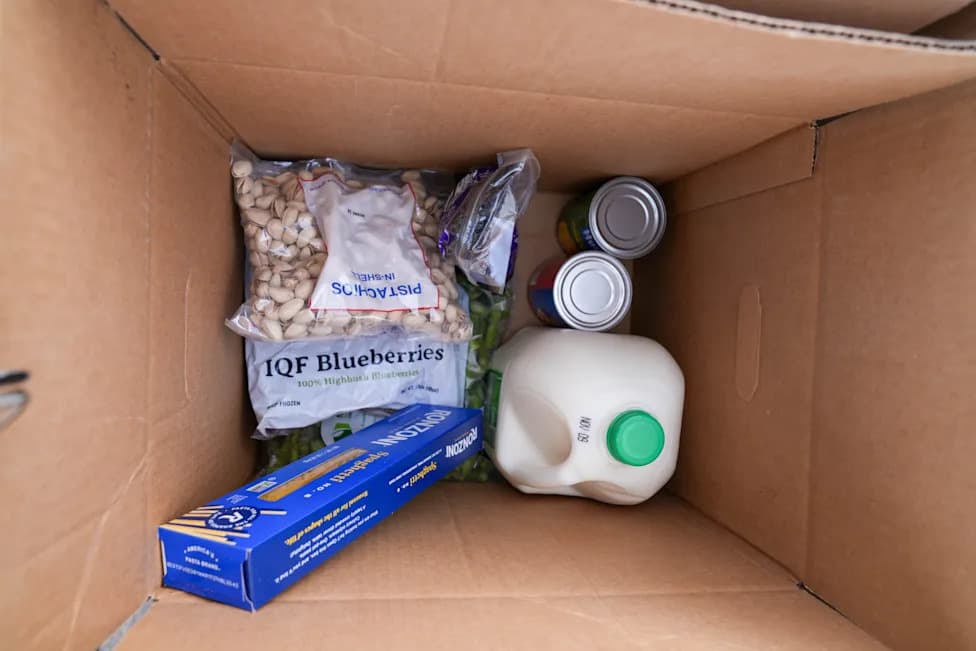
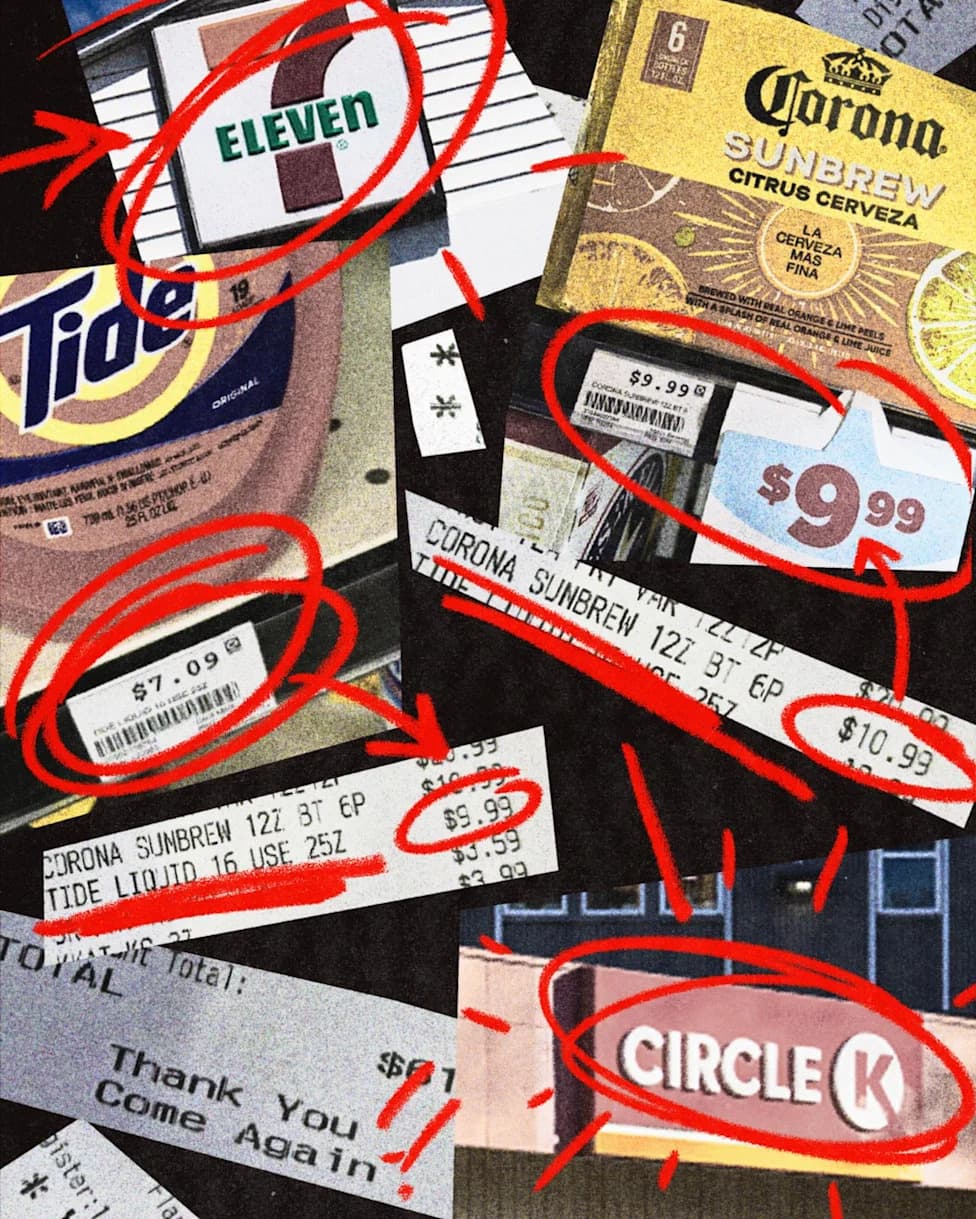
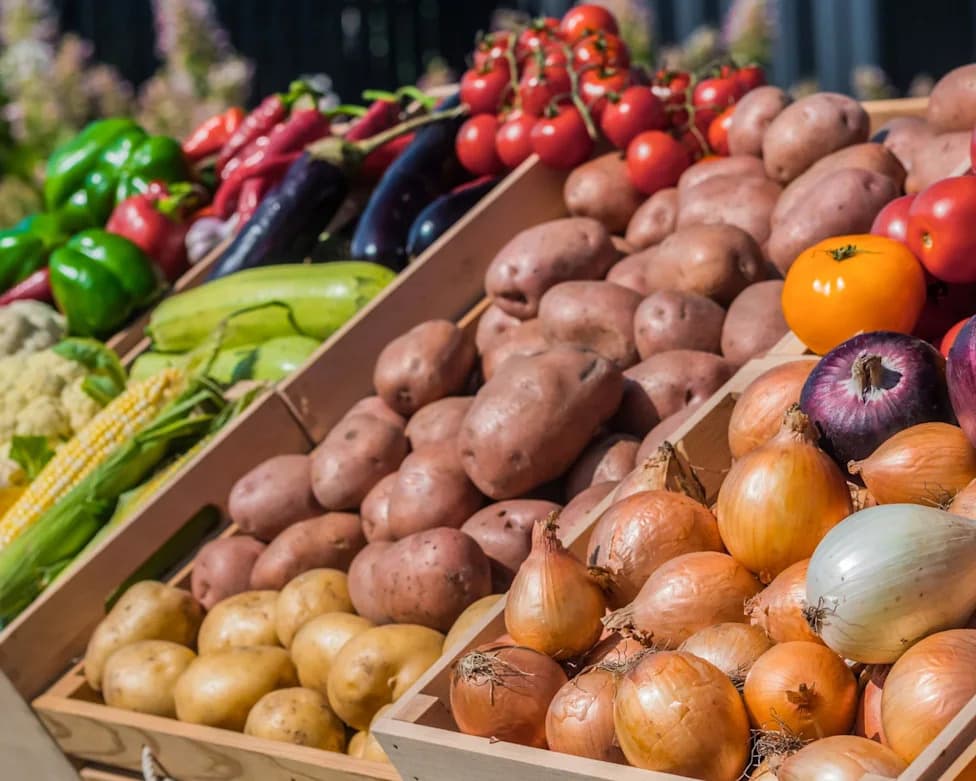
Mainers are struggling with a near-record surge in grocery prices that has forced families to change diets and cut meals. Fuel surcharges, supply shocks and a smaller U.S. cattle herd have pushed costs up across the supply chain, and local grocers report higher freight and production expenses. Large chains have grown sales and maintained margins, and analysts warn food inflation could remain elevated into next year.
Mainers Cut Meals As Grocery Prices Surge and Big Chains Grow Profits
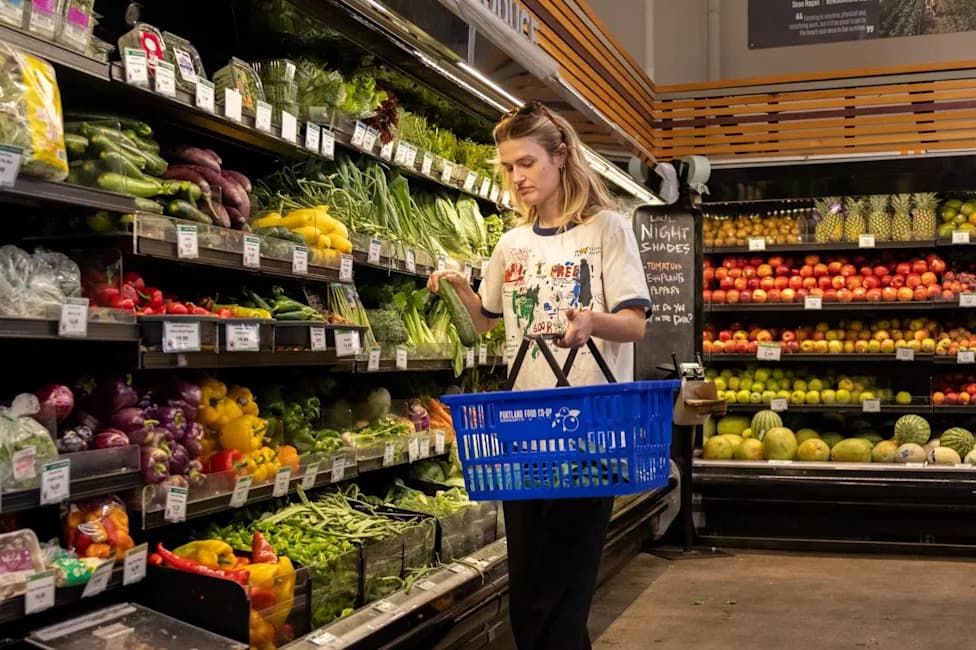
A shopper at the Portland Food Co-op browses a selection of vegetables on Aug. 20, 2026. Photo by John Forbes.
Mandy Belanger of Lewiston once fed herself, her two children and her mother three meals a day. A sustained, near-record run-up in grocery prices over the past several years forced her to make painful choices: buying cheaper store brands, reducing meat and fresh produce, and ultimately cutting the household's daily meals from three to two while she often eats just one.

Jordan Sherman and her dog at the Portland Farmers' Market in August. Photo by John Forbes.
Personal Strain
"Being the adult in the house, you go without more than you do," Belanger said on Aug. 26. She relies on disability income and SNAP benefits; groceries now account for roughly 65% of her monthly budget. Many Mainers describe similar trade-offs — choosing between food and heat in winter or between groceries and household essentials in summer.
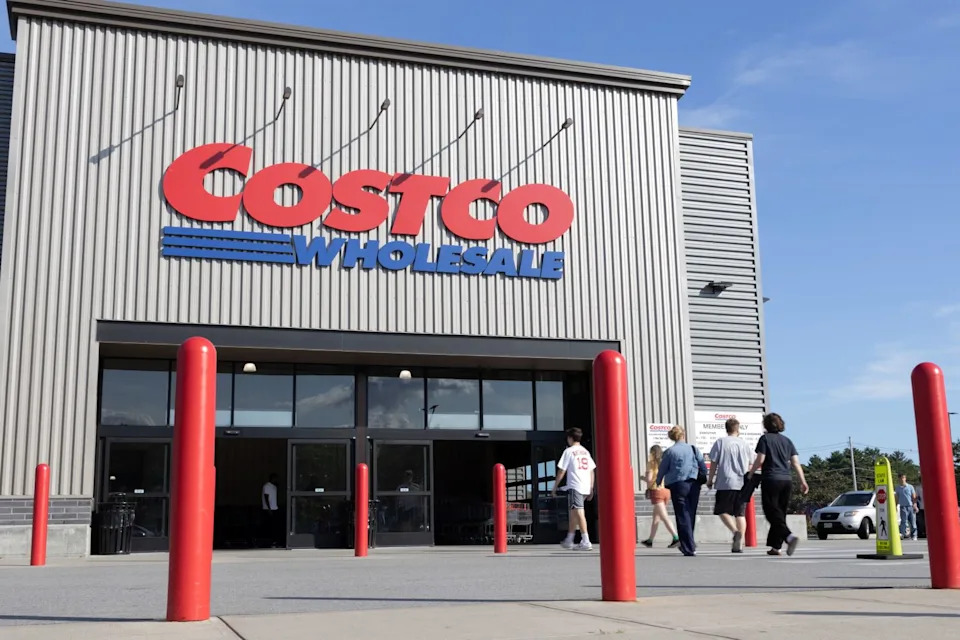
Shoppers walk into Maine's only Costco location in Scarborough in August. Photo by John Forbes.
What's Driving Prices Up?
Grocery prices in the Northeast have risen about 28% since 2020, slightly less than the national increase. Economists point to a mix of factors: broad inflation, supply shocks (for example, the avian flu that briefly pushed egg prices up), and structural pressures like a shrinking U.S. cattle herd that has nudged beef prices higher.

Lewis Purinton types on a calculator at his desk in the back of Harvest Time Natural Foods, which he founded in Augusta more than 50 years ago. Photo by John Forbes.
Freight, Fuel And Local Costs
Local grocers say rising fuel and freight costs are a major contributor. Some retailers report additional fuel surcharges of roughly $30–$70 per delivery — up from typical delivery fees of $5–$10 in prior years. Small, independent stores and farmers also face higher seed, fertilizer and transportation costs, which reduce margins and force some vendors to drop lower-margin items.
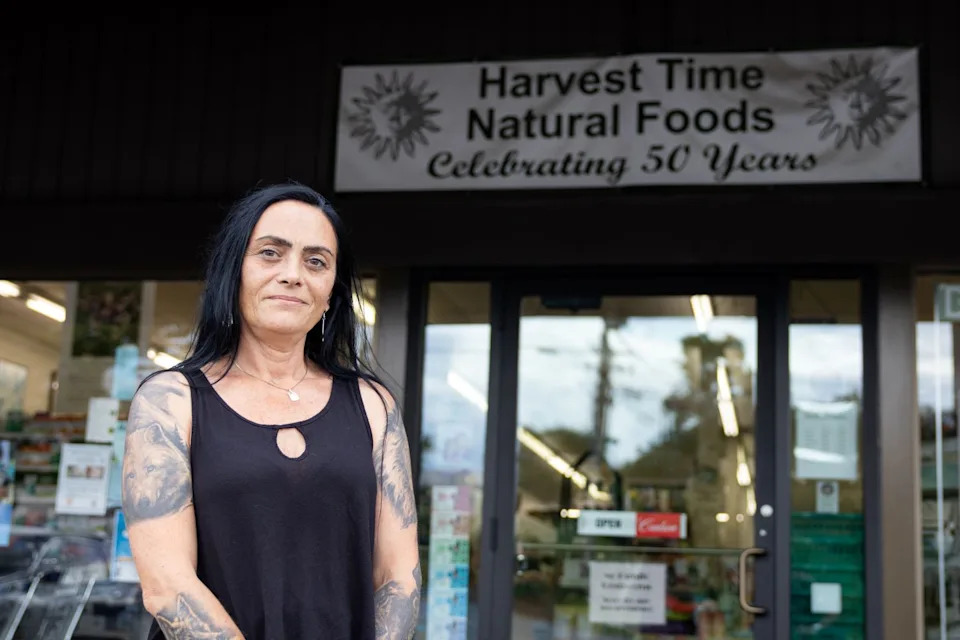
Store Manager Lina Raye stands in front of Augusta's Harvest Time Natural Foods where she has worked since 2000. Photo by John Forbes.
How Shoppers Are Responding
Households are adapting by buying private-label products, traveling farther to buy in bulk, visiting multiple stores to hunt bargains, and cutting discretionary items. Yet many say those tactics only partially offset higher prices; some families have reduced daily meals or eaten fewer fresh fruits and vegetables to stretch limited budgets.
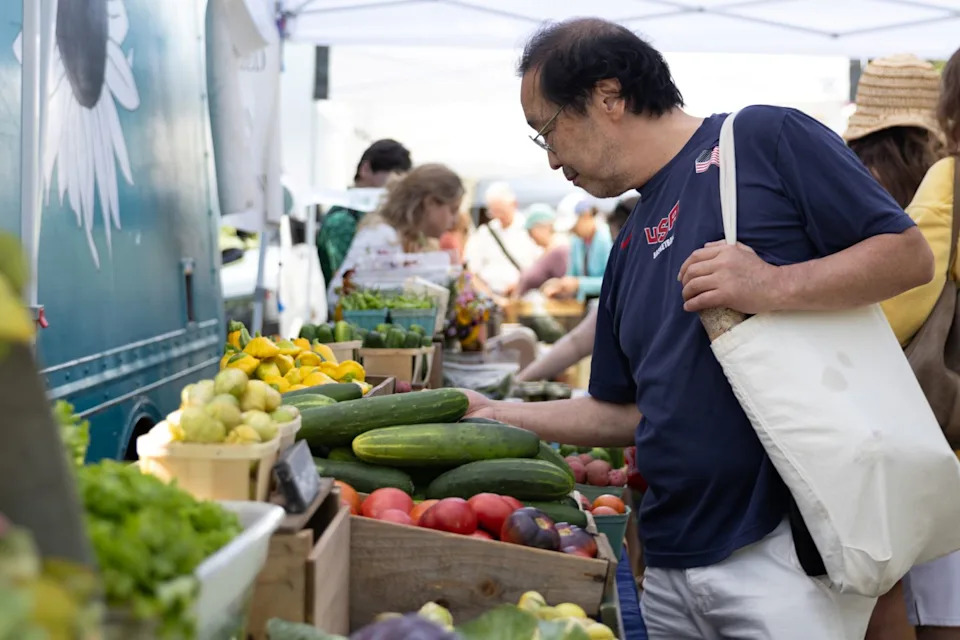
A man browses a selection of fruits and vegetables at Pine Root Farms' booth at the Portland Farmers' Market in Deering Oaks Park. Photo by John Forbes.
Big Chains Versus Locals
National grocery chains have generally maintained or grown profit margins while sales expand. Walmart's U.S. grocery net sales have risen by nearly $100 billion since 2020. Large retailers benefit from scale, stronger supplier negotiating power and growing private-label sales, which often yield higher margins than national brands.
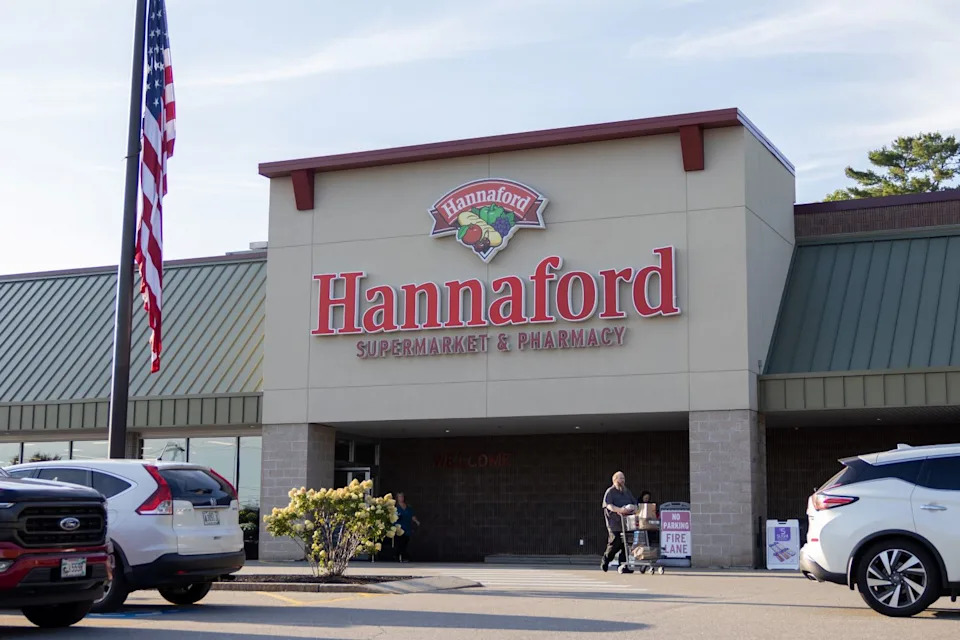
Hannaford, pictured in Lewiston, is one of the most prominent grocery stores in Maine. Photo by John Forbes.
Community Impact And Policy
Vulnerability is widespread. An estimated 28% of Maine households in 2024 fall under the ALICE threshold — earning more than the federal poverty level but still unable to meet county-level basic needs. SNAP enrollment in Maine is down by roughly 22,000 people year-over-year, reflecting recent policy and administrative changes that have tightened eligibility in some places.
Outlook
Analysts cited by Axios and J.P. Morgan project that food inflation could remain elevated into next year, potentially accelerating toward roughly 5% in the first half of the year. Economists warn that, even if some cost pressures ease, retailers may be slow to lower prices absent substantial competition.
Bottom line: Many Mainers are making real sacrifices as grocery costs climb. Small grocers and farms are squeezed by fuel and freight increases, while large chains appear to preserve margins through scale and private-label growth.
Help us improve.