The CDC's National Center for Health Statistics found that U.S. adults with higher family incomes are more likely to eat fresh fruits and vegetables, with clear gaps between lower- and higher-income groups. For example, 56% of adults under 130% of the federal poverty level ate any fruit daily versus 76% at 350% of FPL; dark green vegetable consumption was 29% versus 42% across those same groups. Analysts say recommended diets cost about $15.82 per day on average while the typical two-person SNAP household receives roughly $177 per month (~$3 per person per day), highlighting an affordability gap. Recent policy changes and administrative hurdles have coincided with a large decline in food assistance enrollment, and the USDA's 2025 decision to end sponsorship of the Food Security Supplement may weaken national tracking of food insecurity.
CDC Report: Higher Incomes Linked To Greater Fruit And Vegetable Intake — Policy Changes And Benefit Cuts Widen The Gap
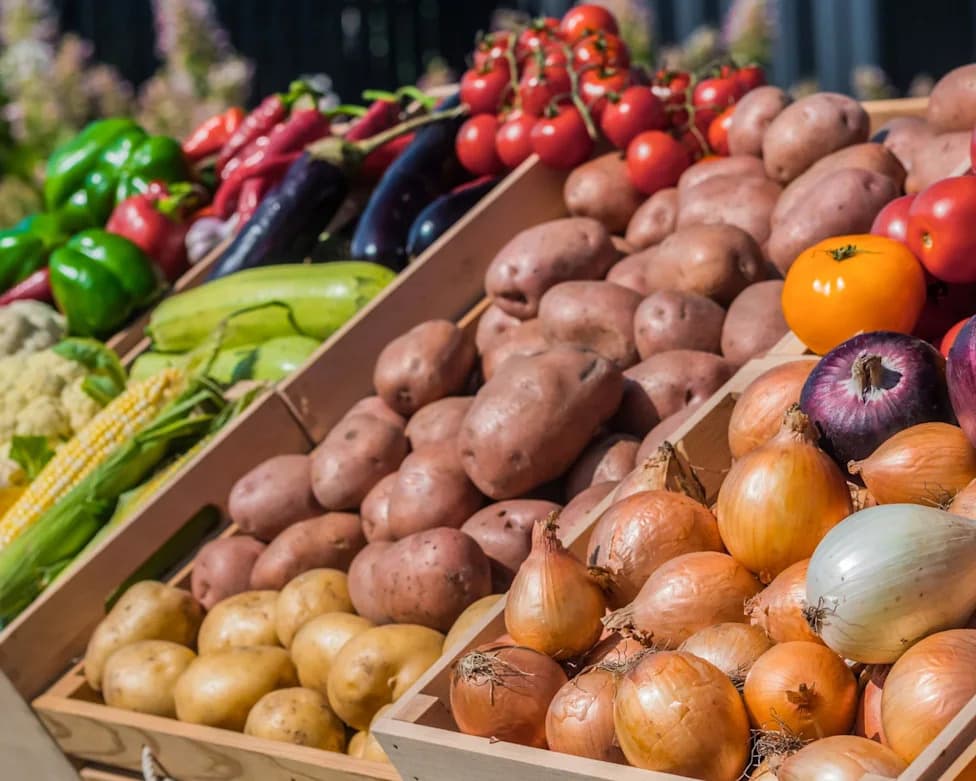
A new data brief from the Centers for Disease Control and Prevention (CDC) reaffirms a clear relationship between household income and consumption of fresh fruits and vegetables among U.S. adults. The National Center for Health Statistics analyzed dietary data for adults aged 20 and older collected from August 2021 through 2023 and found consistent, income-related differences in the types and amounts of produce people eat.
What the Data Shows
The CDC brief found that more than nine in 10 Americans consumed at least one vegetable on a given day and roughly seven in 10 ate any fruit. However, the share of adults who reported eating vegetables — including dark green and red/orange varieties — rose steadily with family income, revealing substantial gaps between lower- and higher-income groups.
Key Consumption Differences
Fruit: 56% of adults living below 130% of the federal poverty level (about $20,748 for a single adult) reported eating any fruit on a given day, compared with 76% of adults at 350% of the federal poverty level (about $55,860).
Berries, Citrus and Melons: A single adult at 350% of FPL ($55,860) was about twice as likely (38% vs. 19.6%) to eat berries, citrus or melons compared with someone below 130% of FPL.
Dark Green Vegetables: While a majority of Americans ate at least one vegetable daily, only 29% of the lowest-income adults reported eating dark green vegetables, compared with 42% among the highest-income adults in the study.
Why Affordability Matters
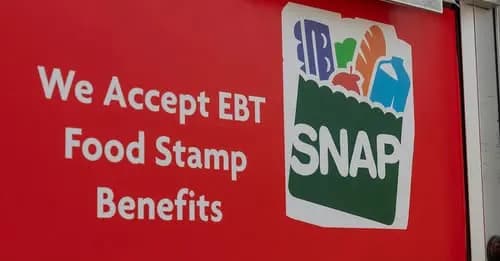
These patterns echo decades of research showing that people with less money and less time tend to buy more energy-dense, shelf-stable packaged foods because they are less expensive and more convenient. A contemporary University of Washington analysis cited in the discussion estimated that foods recommended by the current administration’s health department cost an average of $15.82 per day. By comparison, the typical Supplemental Nutrition Assistance Program (SNAP) household (two people) receives about $177 per month, or roughly $3 per person per day. About 39% of SNAP beneficiaries are children.
“Particularly for people with lower incomes this is really infeasible, especially when millions of people — and what will probably be millions of children — are going to lose access to a really critical benefit that keeps people food secure.”
— Priya Fielding‑Singh, George Washington University Global Food Institute
Policy Changes And Program Participation
Recent legislative changes — described in reporting as part of the so-called "Big Beautiful Bill" — introduced several policy and administrative shifts to federal food assistance that advocates say have reduced access. Among the changes: a new requirement that states contribute toward food benefits, exclusions for certain legal immigrants (including some asylum seekers and trafficking survivors), expanded work-verification rules for older recipients, and new documentation requirements. The Center on Budget and Policy Priorities warned that requiring states to pay a share of benefits could impose substantial new costs for some states.
These changes coincided with a sharp decline in program participation. An Associated Press analysis found national food assistance enrollment fell 13% between May 2025 and May 2026, with steeper drops in some states (for example, Arizona reported a 47% reduction in enrollees amid new documentation rules and staff shortages). Advocates and program providers say increased paperwork, rigid work‑hour verifications and administrative burdens make it harder for people with irregular jobs, housing instability, or parole obligations to maintain benefits.
“If you immediately need to start proving you're working 20 hours a week, if not more, that's very challenging to do.”
— Pamela Lachman, Center for Employment Opportunities
Monitoring Food Insecurity
Experts are also worried about weakening national monitoring of food insecurity. In September 2025, the U.S. Department of Agriculture said it would stop sponsoring the Food Security Supplement to the U.S. Census Bureau’s annual survey — a component that had contributed to annual food-security data collection since 1995.
Implications
Taken together, the CDC findings and the policy context suggest widening disparities in access to fresh produce: higher-income adults are more likely to meet recommended fruit and vegetable intake, while many lower-income households face both financial and administrative barriers that make such diets difficult to afford. Reductions in program participation and changes to federal data collection may limit policymakers’ ability to track and respond to growing food insecurity.
Sources: CDC National Center for Health Statistics data brief (Aug 2021–2023), University of Washington cost analysis, Associated Press enrollment analysis, Center on Budget and Policy Priorities, statements from advocates and program providers.
Help us improve.