Rhode Island has outlawed the creation of new grocery restrictive covenants—contract clauses that can keep a vacated supermarket from being reused as a grocery store. The law, part of the Fair Price Grocery Agenda, is not retroactive, so existing covenants remain until expiration. Advocates say the change could help address food deserts in places like Woonsocket, where several former grocery sites still carry restrictions and around 37% of residents face food insecurity. Similar bans exist in Washington, D.C., Chicago, Madison, and Washington state.
Rhode Island Bans New Grocery 'Restrictive Covenants' to Boost Food Access
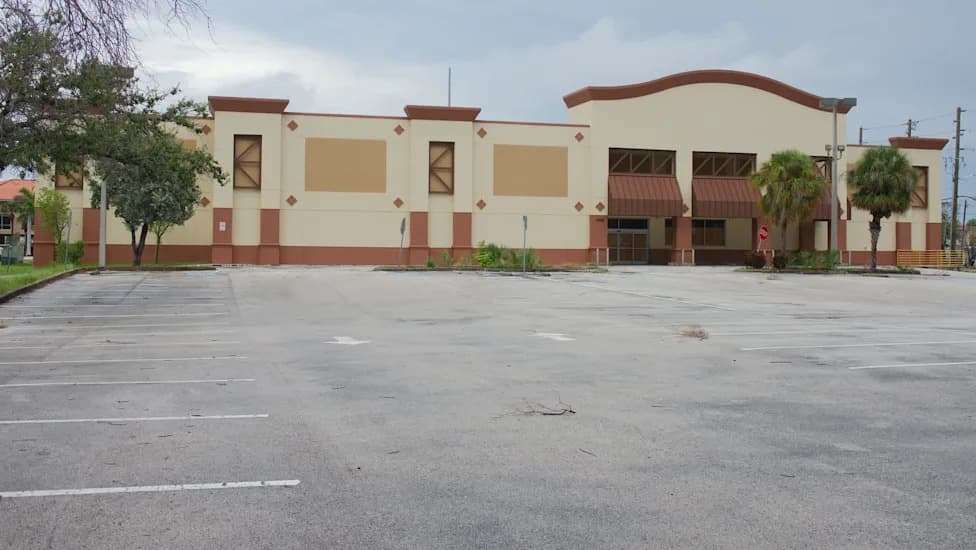
Photo Credit: iStock
Rhode Island has passed a law that bars the creation of new grocery "restrictive covenants"—contract clauses that can prevent a vacated supermarket from being reused as a grocery store for years or even decades. Advocates say the move, part of Lieutenant Governor Sabina Matos's Fair Price Grocery Agenda, aims to reduce barriers to reopening grocery stores in communities that have lost them.
Why These Covenants Matter
Restrictive covenants allow retailers leaving a site to limit the types of businesses that can occupy the space afterward. That can be especially damaging in places that already struggle to attract or retain full-service supermarkets: buildings outfitted for grocery use are costly and time-consuming to replace, so keeping a purpose-built site off the market for other grocers deepens barriers to restoring local food access.
Woonsocket: A Local Example
Woonsocket, Rhode Island, illustrates the problem. The city—home to roughly 45,000 people—has at least three former grocery properties with such covenants, including a Stop & Shop closed in 2004 and a Walmart left vacant in 2011. With only one full-service supermarket and an estimated 37% of residents experiencing food insecurity, city volunteers and officials say removing the ability to add new covenants could help future grocery openings.
"You had a lot of choice, so you could shop around for good prices," said Jeannine Johansen, a Woonsocket volunteer with Connecting for Children and Families, reflecting on the city's lost grocery options (The Guardian).
Legal Hurdles and the New Law
Legal challenges to restrictive covenants have been complicated. Laurie Beyranevand, director of the Center for Agriculture and Food Systems at Vermont Law and Graduate School, told The Guardian that antitrust claims often require demonstrating monopoly power, which can be difficult if other grocers still operate regionally.
Rhode Island's new law prevents landlords and chains from creating new grocery restrictive covenants going forward. It is not retroactive, so existing covenants remain in effect until they expire.
Broader Context and Early Evidence
Similar prohibitions exist in Chicago, Madison (Wisconsin), Washington, D.C., and statewide in Washington. Advocates point to Washington, D.C.'s 2017 ban as evidence of impact: the city added about 20 grocery stores in the five years that followed. Four U.S. senators have also asked the Federal Trade Commission to review whether it can regulate the grocery industry's use of such covenants at the federal level.
Local entrepreneurs say the policy shift could matter. Mohammed Zameeruddin, owner of Daily Stop, is attempting to open a store in Woonsocket and has found conversion costs for a former Sears location higher than expected; while Rhode Island's law won't immediately free up existing locked sites, it could make future development easier.
Related Policy Trends
The Rhode Island move comes as policymakers also consider other grocery-related rules, such as bans on single-use plastic bags. Recent actions include California's statewide bag ban and local or national proposals in places like the UAE, Turkey, and Montgomery County, Maryland.
Bottom line: By banning new restrictive covenants, Rhode Island aims to improve competition and make it easier for independent grocers to open in underserved communities—though existing covenants will remain until they expire.
Help us improve.