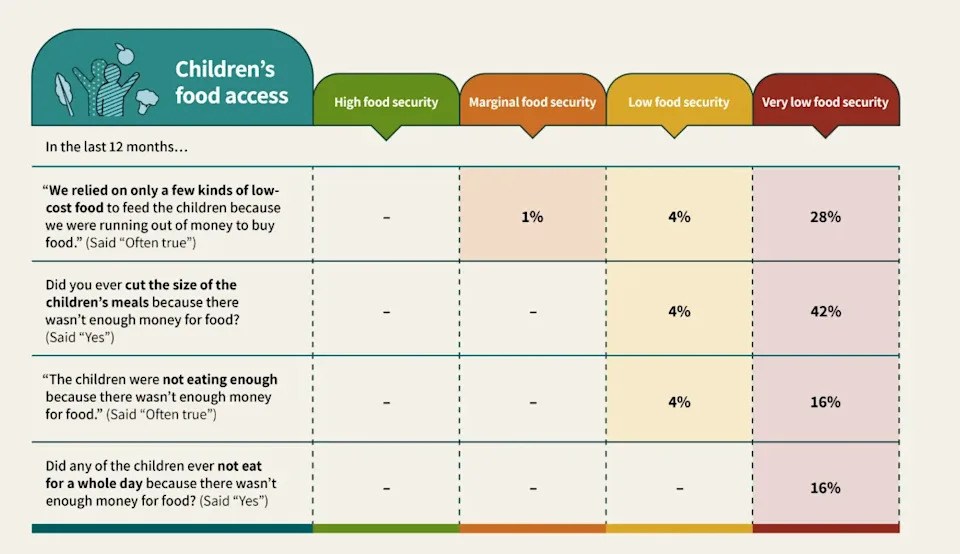
Food banks nationwide are confronting unprecedented demand as rising food prices and surging diesel costs strain supply and distribution. Charities from Manna Food Center in Maryland to Second Harvest in Ohio report sharply higher fuel bills, shifts to canned proteins, and emergency funds being tapped. A new "Hunger Report" shows families cutting children's meals and adults skipping food, while SNAP policy changes and looming state cost sharing threaten to worsen the situation.
“They Don’t Understand the Scale of the Hunger” — How Rising Food and Fuel Costs Are Straining U.S. Food Banks
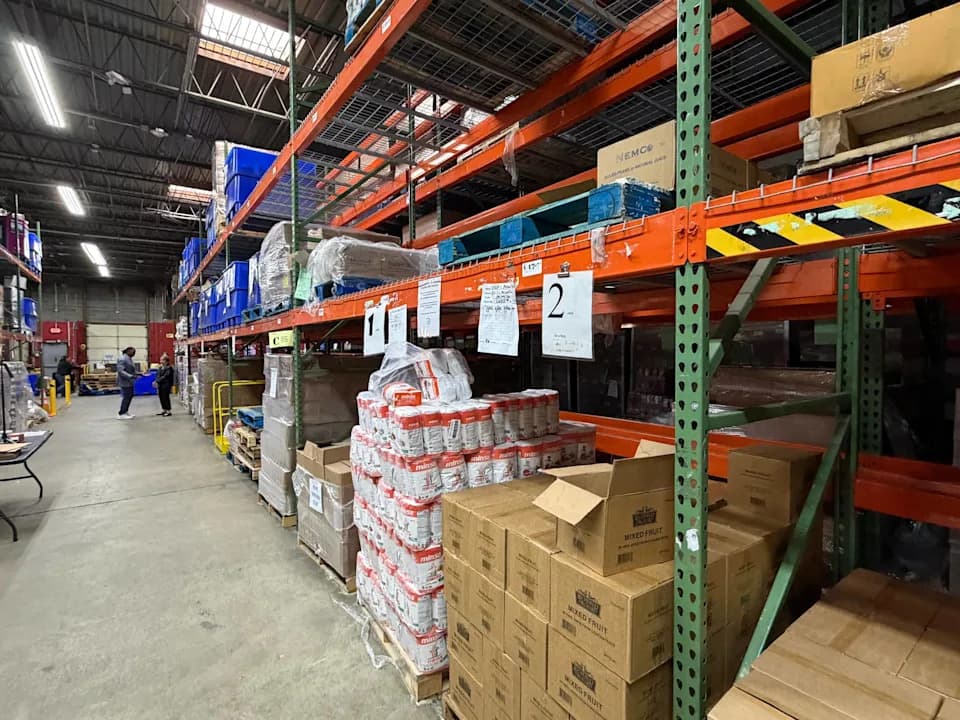
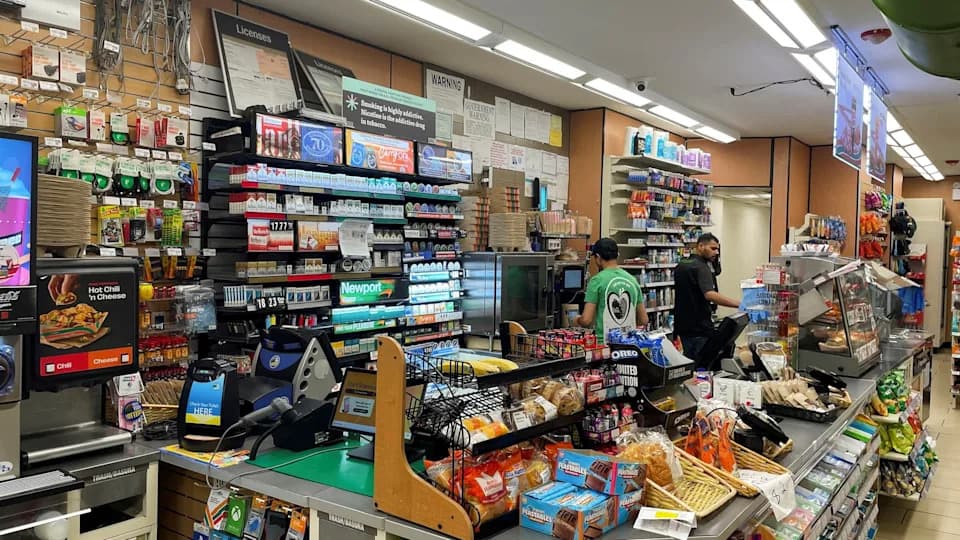
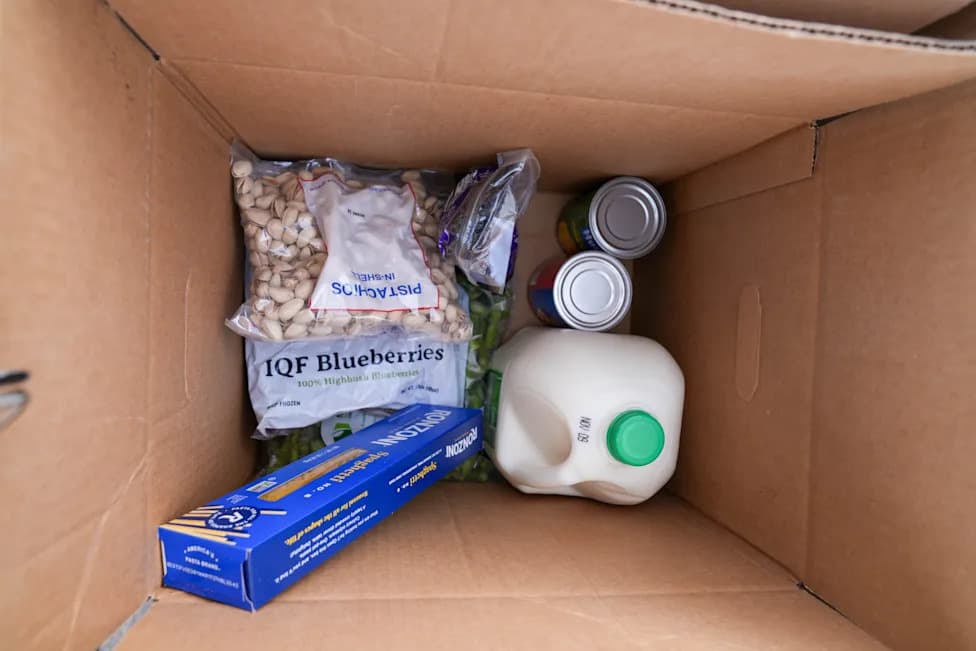
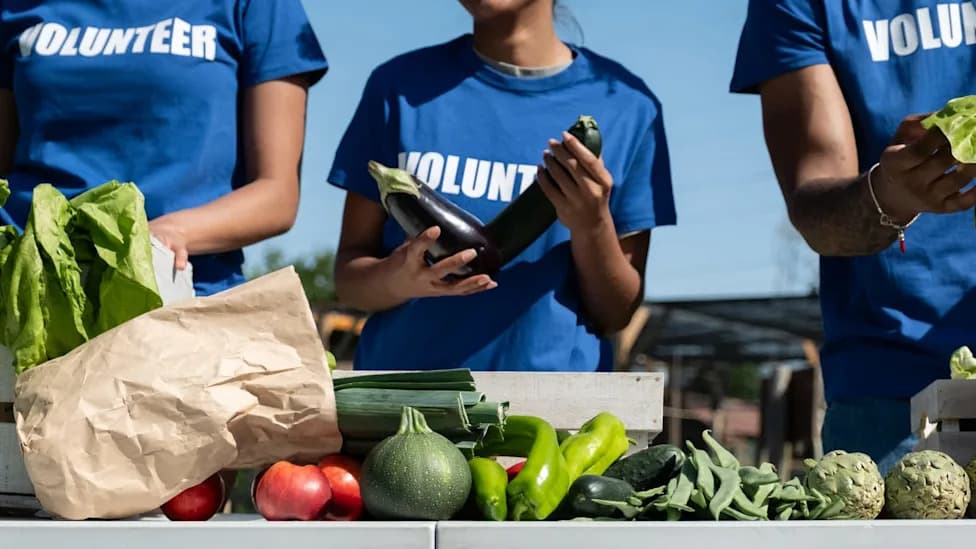
On the shelves inside the vast Manna Food Center warehouse in Rockville, Maryland, volunteers stack packets of flour beneath a small sign that reads "1 Each." Shorter rows of canned mixed fruit and canned tuna sit nearby. Above those meagre supplies, empty shelves tell the fuller story: demand has surged to levels staff describe as unprecedented.
Empty Shelves, Rising Need
Food banks and pantries across the United States — from suburban Maryland to Lorain County, Ohio, and the Carolinas — report startling increases in demand. Interviews and visits documented by Scott MacFarlane show supply lines stretched thin and families forced to make painful trade-offs.
Two Pressures: Food Prices And Diesel Fuel
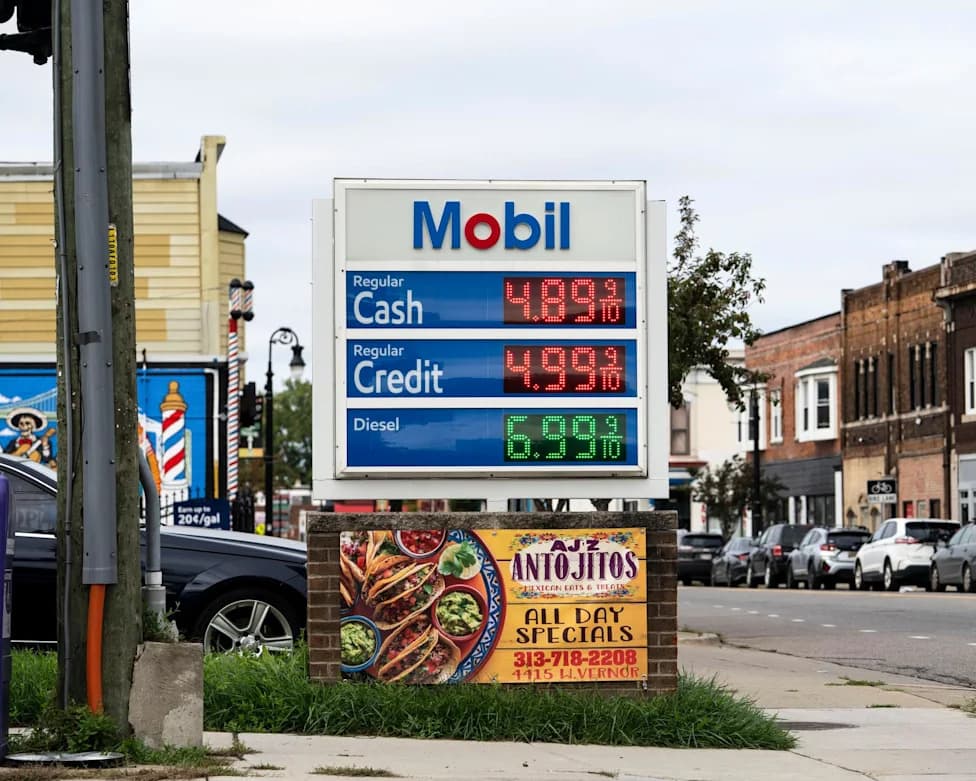
Charities say the crisis is driven by two interrelated factors: food is getting more expensive, and diesel fuel to transport those supplies is surging. Manna Food Center CEO Craig Rice said diesel costs have jumped 25–30 percent in recent months, forcing the charity to absorb higher transportation bills while pressing for more donations.
"We're seeing so many people come to us who've never come to the food bank before," Rice said. "It used to be people who were working hourly-wage jobs. Now we see people who are salary employees. They may have been stable at one price, but suddenly they're impacted by gas prices."
Protein, Produce And The Harvest Season
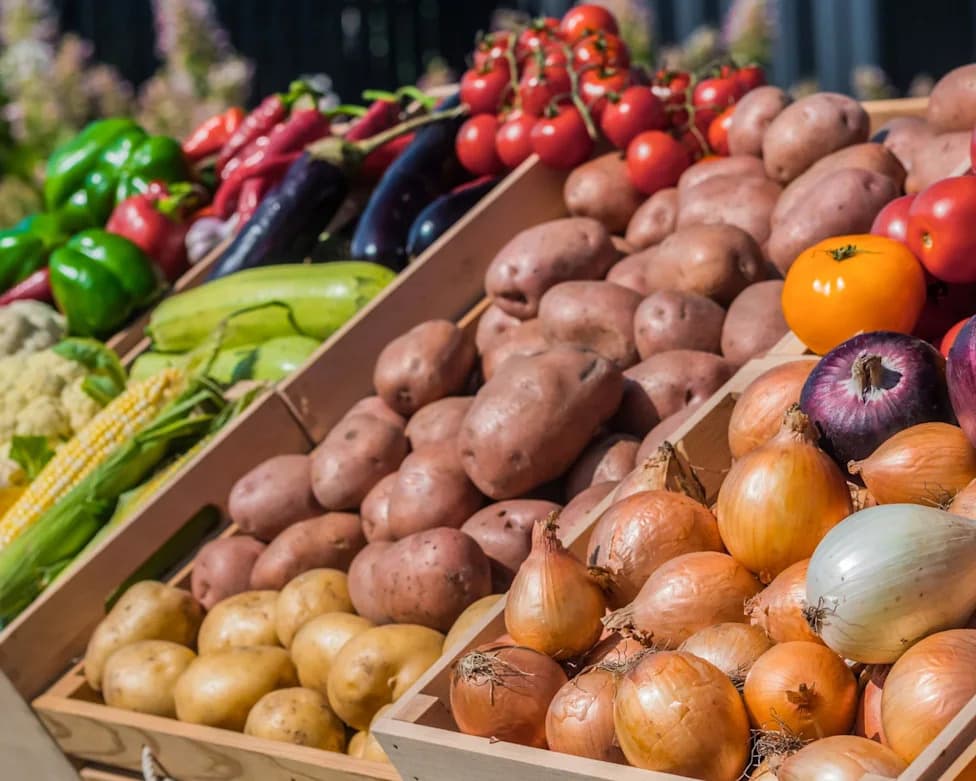
In Lorain County, the Second Harvest Food Bank is shifting from fresh beef toward canned chicken and beans because beef prices have become prohibitively high. CEO Julie Chase-Morefield notes that Ohio farmers — despite the state's abundant harvests — face higher diesel costs that raise the price of fruits and vegetables as they move from field to cold storage.
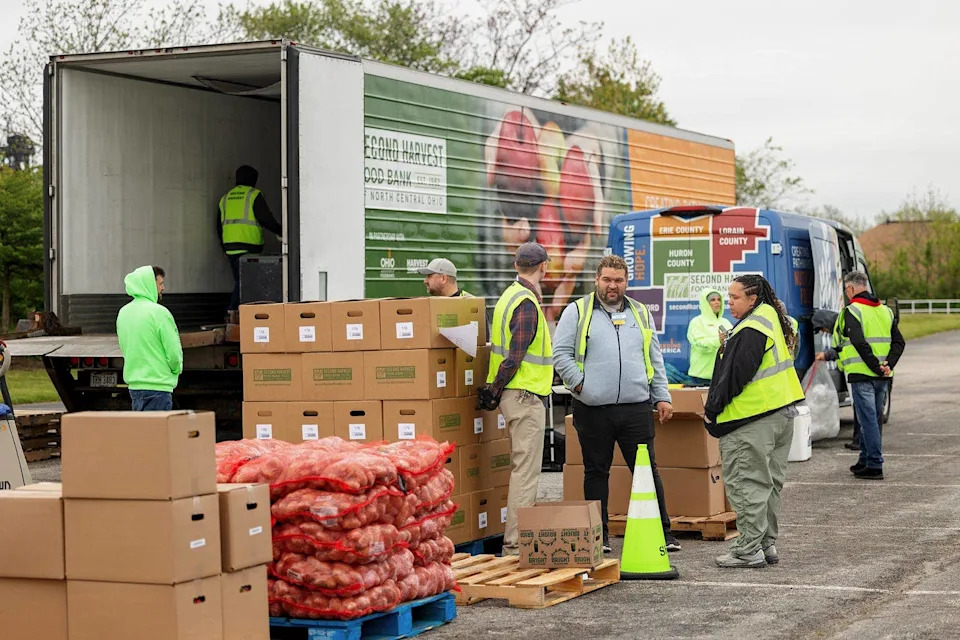
Second Harvest has tapped its rainy-day fund to stay afloat. Chase-Morefield said diesel expenses for her organization were about $50,000 last year but have tripled to roughly $150,000 by 2026 — a jump with no federal assistance to cover the gap.
Communities Under Strain
The Food Bank of Central and Eastern North Carolina reports a 20–60 percent rise in demand, according to its president Amy Beros. That charity is redesigning routes and limiting truck speeds to reduce fuel use and is planning for the possibility that diesel could reach $8 per gallon by year-end.
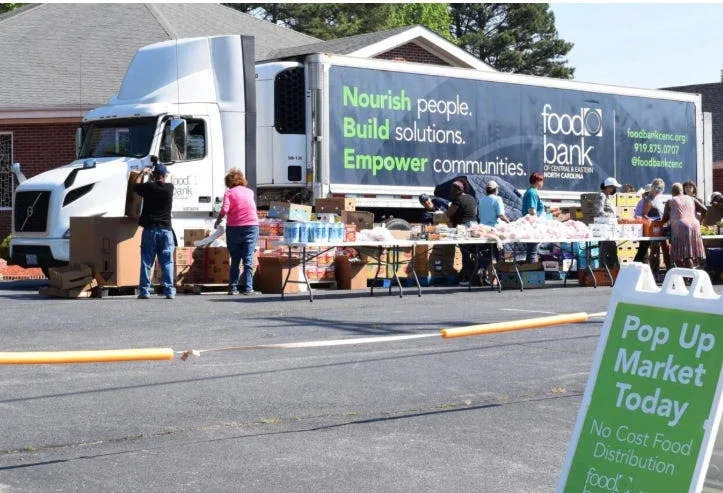
"It's really hard for people in the United States to understand the scale of hunger, because it doesn't look like it looks on TV," Beros said.
Policy Pressure
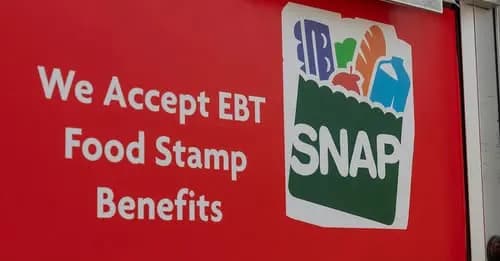
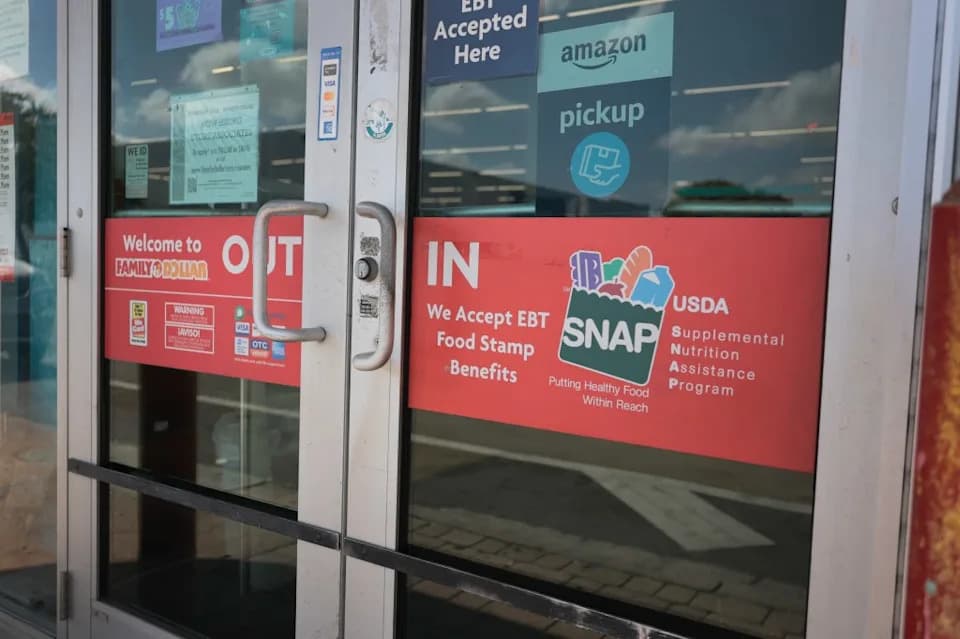
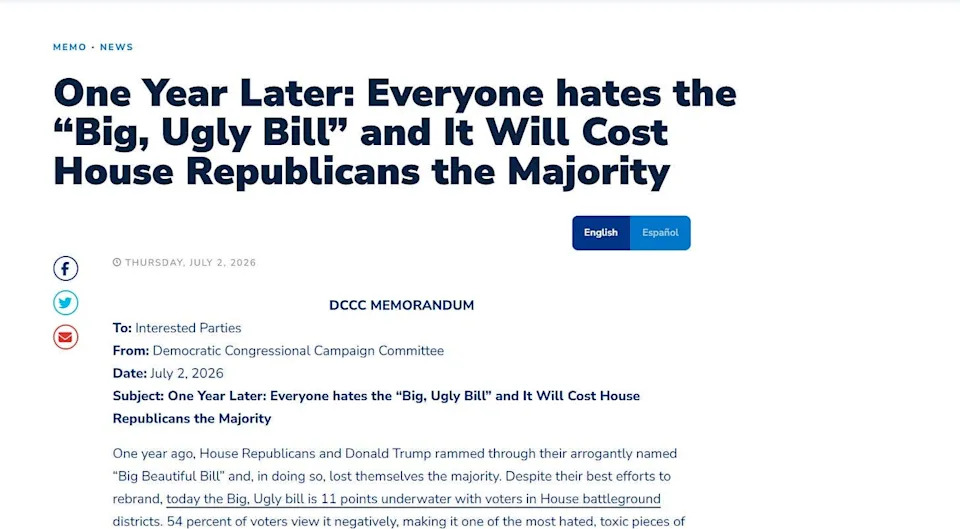
Although food banks operate as nonpartisan charities, policy changes are compounding the problem. The Capital Area Food Bank highlighted a Trump-backed spending law that reduced eligibility for some nutrition benefits. SNAP remains the nation’s largest federal nutrition program, supporting nearly 40 million people, but new funding rules could require states to share part of SNAP costs beginning in October 2027, a change that advocates warn could add further stress.
Senator Chris Van Hollen (D-Md.) said pantry workers report rising need and urged restoring federal assistance: "Rising costs and cuts to nutrition programs are worsening the situation," he told 535news.
How Food Banks Are Responding
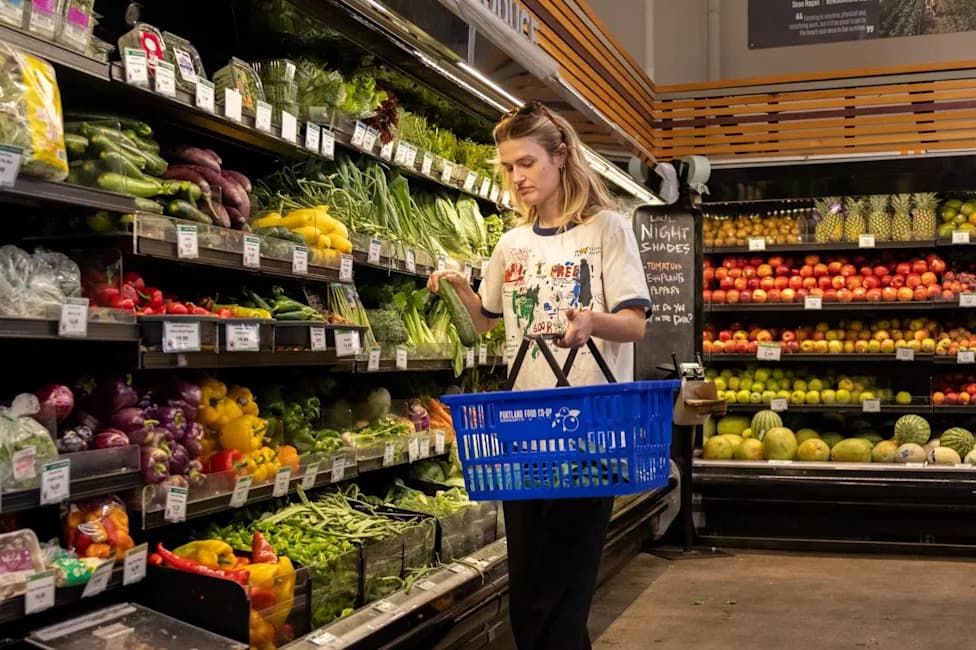
Food banks are making difficult operational changes: shifting to more shelf-stable proteins, tapping emergency funds, redesigning delivery routes, limiting truck speeds, and stepping up fundraising. Yet leaders stress that nutritional quality cannot be sacrificed — families still need fruits, vegetables and vitamin-rich foods in distributed boxes.
Why It Matters: The combined pressure of higher food prices, surging diesel costs, and policy changes is creating an immediate crisis for people who rely on emergency food aid and for the charities that serve them. Without increased donations or policy adjustments, leaders warn that strains will deepen through winter and into early spring.
This report originally appeared on MeidasTouch on Sep 28, 2026, in the News section.
Help us improve.