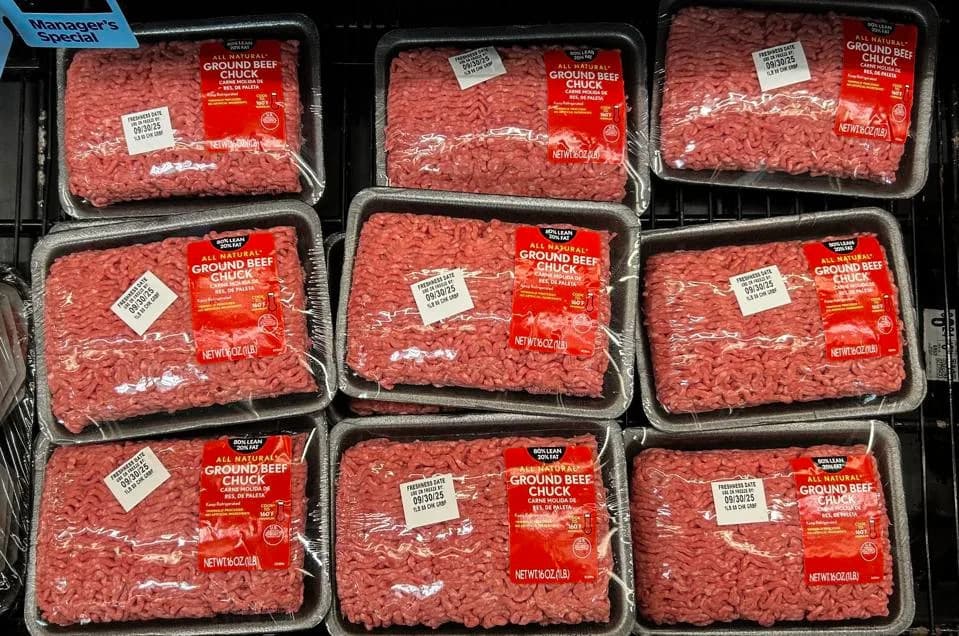
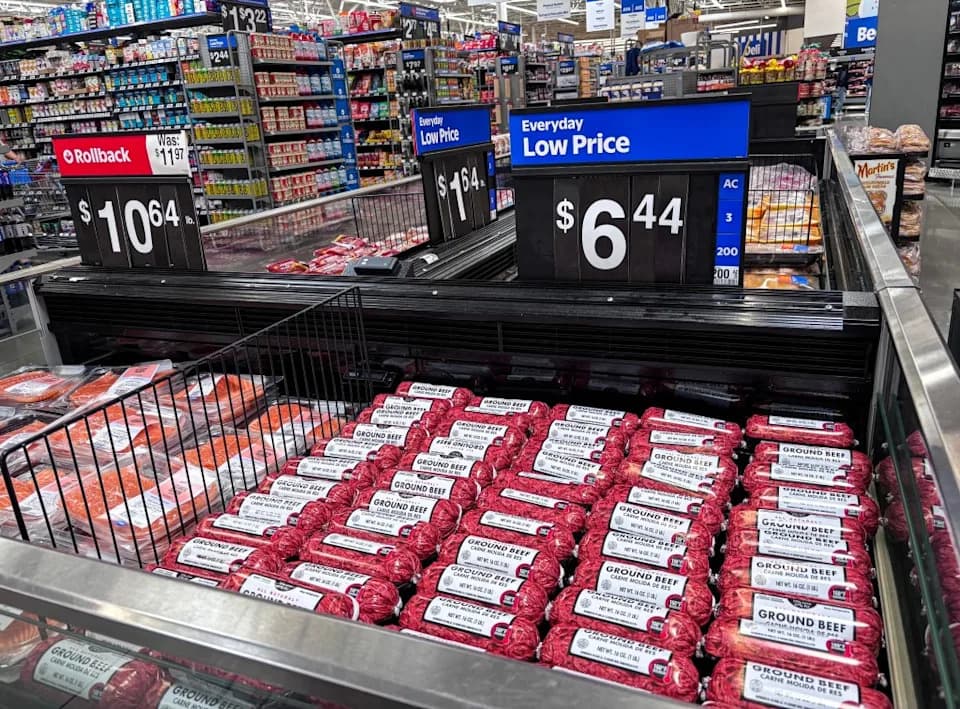
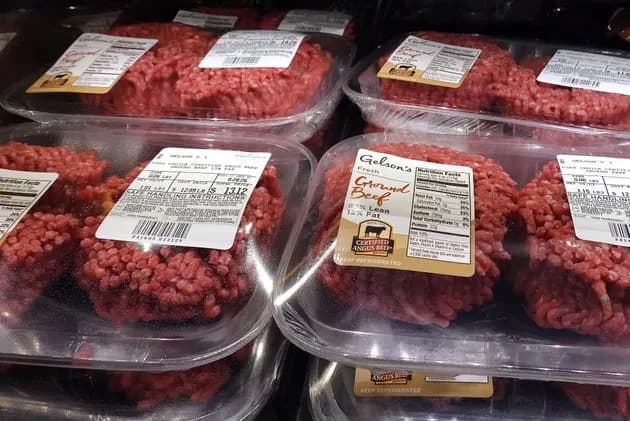
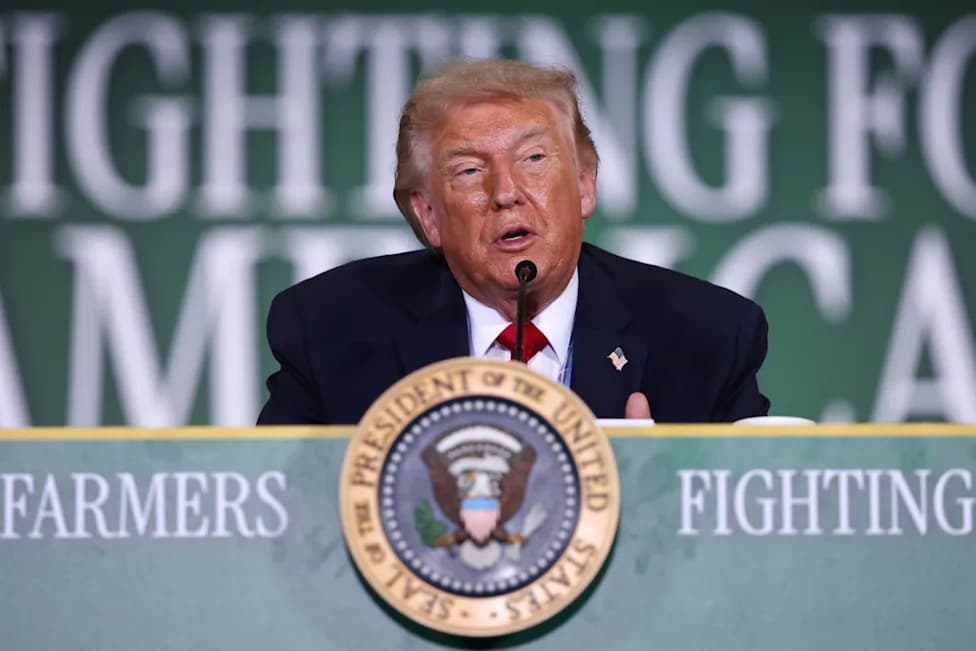
Agriculture Secretary Brooke Rollins said demand for beef remains strong despite record retail prices, with many Americans reportedly willing to pay more to feed their families. BLS data show uncooked ground beef averaged about $7.16 per pound in August 2026, a record high. Officials and industry groups point to a smaller cattle herd, widespread drought and rising input costs as key drivers. The administration has issued executive orders and a temporary tariff waiver to increase supply, measures that have drawn criticism from ranchers and some lawmakers.
Americans Say They're 'Good With' Paying More as Beef Hits Record Highs — USDA Secretary Weighs In
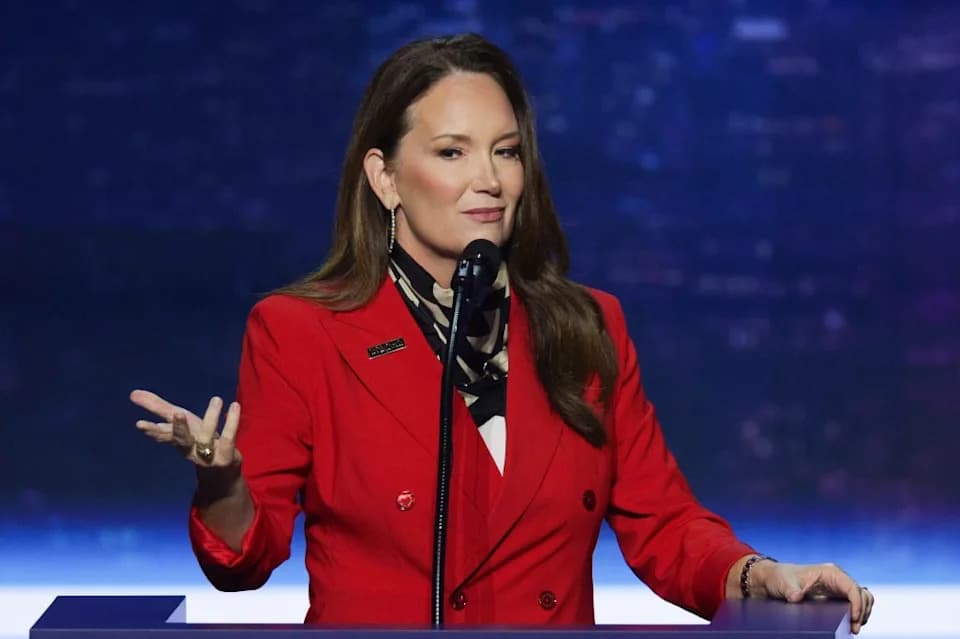
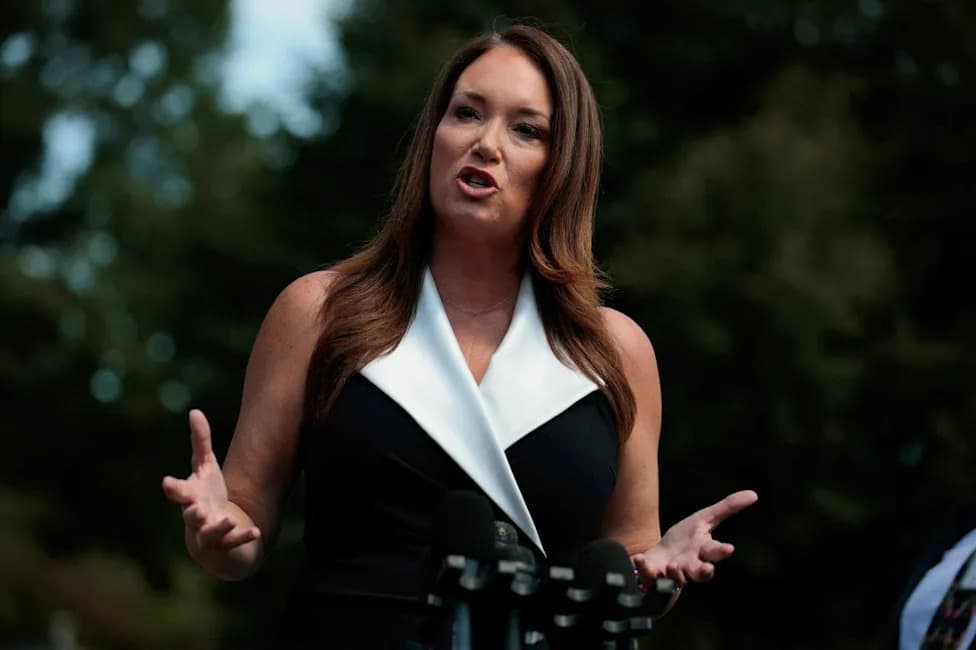
Agriculture Secretary Brooke Rollins speaks during the 2026 Republican National Convention in Dallas, Texas, on September 9, 2026.
Agriculture Secretary Brooke Rollins told listeners that consumer demand for beef remains strong even as retail prices reach record levels, with many Americans saying they are "good with" paying more to provide meat for their families.
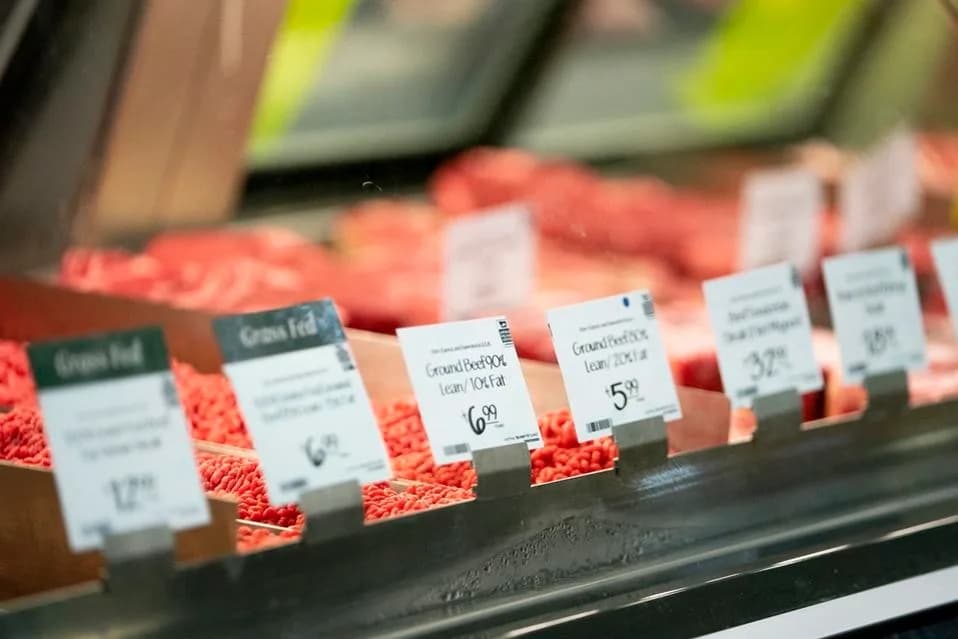
According to U.S. Bureau of Labor Statistics data, uncooked ground beef averaged about $7.16 per pound in August 2026 — a record high — up from roughly $7.12 in July and about $6.63 a year earlier.
Why Prices Are Rising, According To Officials
In a Monday interview on The Benny Show, Rollins pointed to several factors she says are keeping prices elevated: a smaller domestic herd, drought affecting large portions of grazing land, higher input costs such as diesel, and policy choices she attributes to the prior administration. She also cited stronger consumer demand linked to the MAHA movement and shifting dietary guidance.
"Bobby Kennedy and I, MAHA, flipped the dietary guidelines, put beef at the very top. ... Even though a price of a pound of ground beef was $6.50, most Americans say, 'I'm good with that. I want this protein for my family.' So they continue to buy," Rollins said.
Supply-Side Pressures
Independent reports and industry data attribute rising prices in part to a long-term decline in the U.S. cattle herd. A June 2026 report from the Coalition for a Prosperous America found the U.S. cattle population fell to about 86.2 million — the smallest in roughly 75 years — and noted there are more than 450,000 fewer cattle ranchers than in 1997. That decline, combined with drought—affecting an estimated 75% of the beef cow herd—has constrained supply.
Producers also face rising input costs: AAA reported the national average price of diesel at about $6.51 per gallon, which raises costs for transportation and farm equipment.
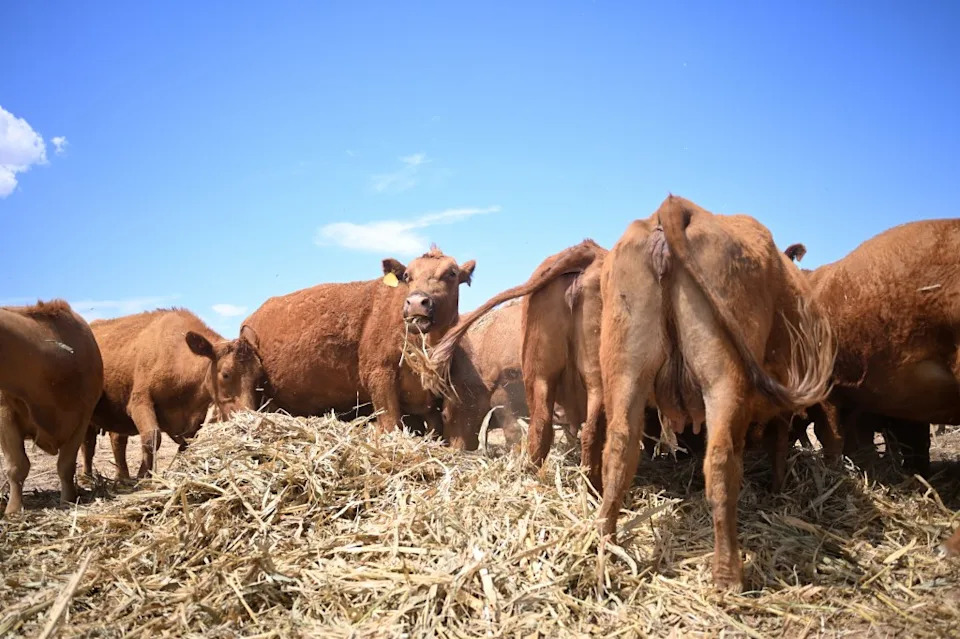
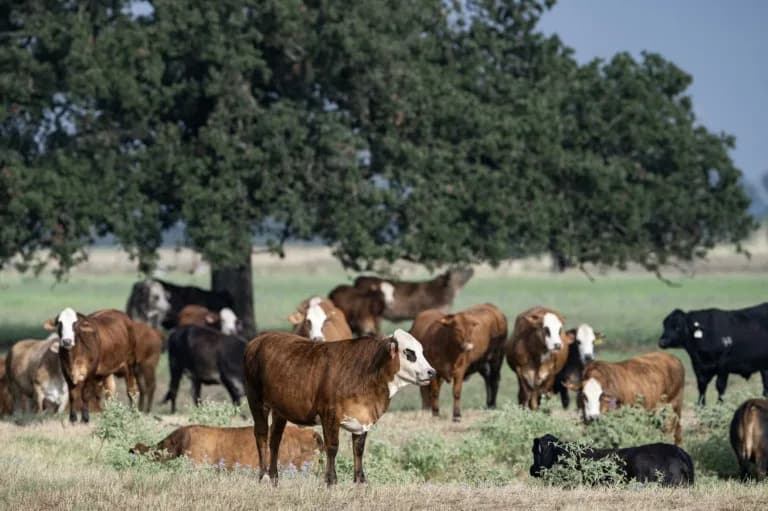
Cattle are seen in Campo, Colorado, on May 9, 2026.
Policy Responses From The Trump Administration
The administration has taken several steps intended to ease pressure on ranchers and beef prices. In August, the president signed two executive orders directing agencies to:
- Review whether gray and Mexican wolves should be delisted or downlisted under the Endangered Species Act and update compensation rules for ranchers who lose livestock to predators.
- Evaluate country-of-origin labeling rules for beef products.
- Prioritize investigations into possible Packers and Stockyards Act violations and expand Cooperative Interstate Shipment and Talmadge-Aiken programs so state-inspected meat can move across state lines.
Separately, the administration announced a temporary tariff relief plan to allow up to 300,000 metric tons of ground beef to be imported tariff-free over a 90-day period in an effort to increase supply and lower retail prices.
Industry Reaction And Political Stakes
The tariff waiver and other measures drew swift criticism from industry groups and some Republican lawmakers. The National Cattlemen's Beef Association (NCBA) called the import plan "disappointing," warning that flooding the market with below-market beef would harm domestic producers and complicate herd recovery. NCBA CEO Colin Woodall said cattle markets moved lower after the announcement.
Senator Tim Sheehy of Montana warned the policy could make it harder for American ranchers to rebuild the herd and could harm ranching families. The White House, by contrast, said the steps are part of broader efforts to support agriculture, boost market access and lower costs for consumers.
Newsweek and other outlets have sought comment from the U.S. Department of Agriculture for further detail on the administration's measures.
Bottom line: Record retail beef prices reflect a mix of long-term herd contraction, weather-driven supply constraints, higher input costs and strong consumer demand. Policymakers are pursuing both regulatory and trade-related actions to try to ease prices, but the moves have prompted debate about short-term relief versus long-term impacts on domestic producers.
Help us improve.