Buy-Rite Foods, the only SNAP-accepting store in Pond Creek, Oklahoma, says SNAP-funded sales plunged about 90% after state-level restrictions. H.R. 1 (July 2025) tightened work requirements, cut the SNAP nutrition-education program, narrowed immigrant eligibility, and shifted costs to states — changes associated with roughly 5.4 million people leaving SNAP. Rural households, already facing higher food insecurity and limited store access, are especially at risk, and states could face new expenses tied to error rates as soon as 2027.
90% Collapse at Town Grocery: How SNAP Changes Are Hitting Rural Oklahoma
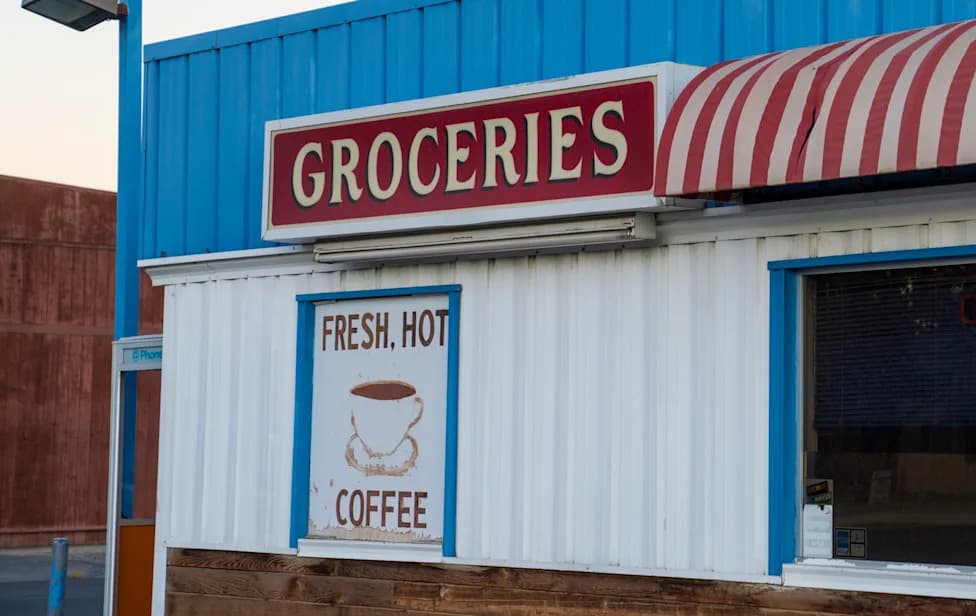
Photo Credit: iStock
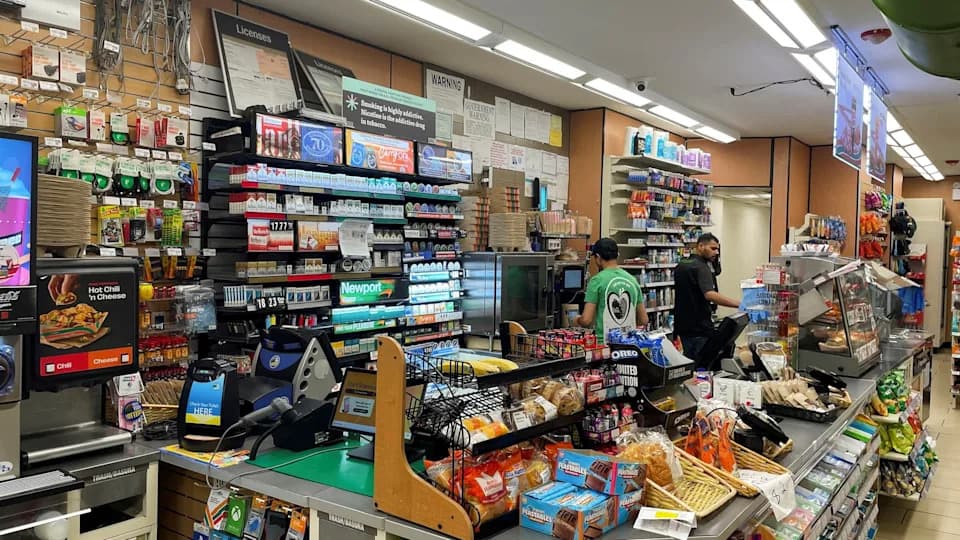
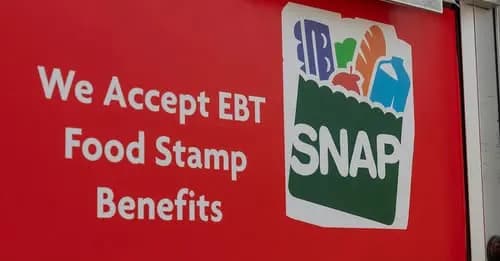
In Pond Creek, Oklahoma, Buy-Rite Foods is the town's only grocer that accepts SNAP benefits. Store staff say recent state and federal changes to the Supplemental Nutrition Assistance Program have already made it far harder for local families to buy food.
Impact on the Store and Shoppers
Buy-Rite reported that SNAP-funded purchases fell by roughly 90% after Oklahoma tightened rules about what can be bought with benefits. From behind the register, employee Chrystal Hamblin described a sudden difference in the store's traffic and purchases.
"I don't see near as many. I mean, it used to be after school, parents would just send their SNAP card with their kid, 'Hey, go get your snacks or whatever you need after school,'" Hamblin said. "And a lot of that can't be used on SNAP now and so we don't see that."
Major Policy Shifts
Federal policy has also changed. H.R. 1, the One Big Beautiful Bill Act, became law in July 2025 and introduced stricter work requirements, eliminated the SNAP Nutrition Education program, restricted eligibility for many immigrants, and shifted more administrative costs to states. Advocacy groups and analysts say these changes — combined with new state rules — have contributed to roughly 5.4 million people leaving the program since July 2025.
Why Rural Areas Are Particularly Vulnerable
Rural communities entered this policy shift already facing higher food insecurity. According to the U.S. Department of Agriculture's Household Food Security Report, nearly 16% of rural households were food insecure in 2024, about two percentage points above the national average. Rural residents also commonly deal with longer travel distances to stores, fewer job opportunities, and limited public transportation — barriers that make benefit losses especially damaging.
Voices From the Community
"I'm going to get this job, work my hours, hopefully get SNAP and have groceries and keep going. As long as I pay my bills, I have a house. As long as I have SNAP, I have food," said Savannah Huling, an Oklahoma mother who relies on SNAP to feed her 7-year-old son.
Economic Ripple Effects
Experts warn that reductions in SNAP not only hurt families but also local businesses. James Ziliak, director of the University of Kentucky's Center for Poverty Research, noted that small stores operating on thin margins depend on SNAP spending. Beginning as soon as 2027, states may face millions in SNAP-related expenses tied to error rates, potentially straining already tight state budgets.
Brian Colby of the Missouri Budget Project cautioned that quick federal changes and added state responsibilities could increase paperwork and administrative errors, causing eligible people to lose benefits or opt out altogether.
Related Trends and What to Watch
Shoppers and policymakers are also watching other developments that affect food prices and access: grocery discount apps that surface deals on surplus food, beekeeper warnings that pollinator losses could raise food costs, and local rules such as plastic-bag bans that change how groceries are packaged and sold.
Bottom line: The combined effect of state restrictions and federal changes to SNAP is straining rural households and the small businesses that serve them, with broad implications for food security and local economies.
Help us improve.