Global oil supply disruptions and higher inflation are expected to raise average U.S. household heating costs to about $1,030 this winter, up 8.7% from last year. Heating oil users may see a 31.3% jump in prices; Maine already reports heating oil near $5.77 per gallon. LIHEAP offers critical relief but reaches only about one in five eligible households, leaving many families at risk amid elevated energy prices.
Heating Costs Poised to Surge This Winter as Oil Prices Climb

Mohammed Aty/Reuters - PHOTO: FILE PHOTO: Drone view of oil tanker HELGA berthed at one of Iraq's southern offshore oil terminals near Basra
Rising global oil prices and persistent inflation are set to push U.S. household heating bills sharply higher this winter, creating fresh strain for families already coping with higher costs for groceries, fuel and medicine.
Projected Increases and Regional Impacts
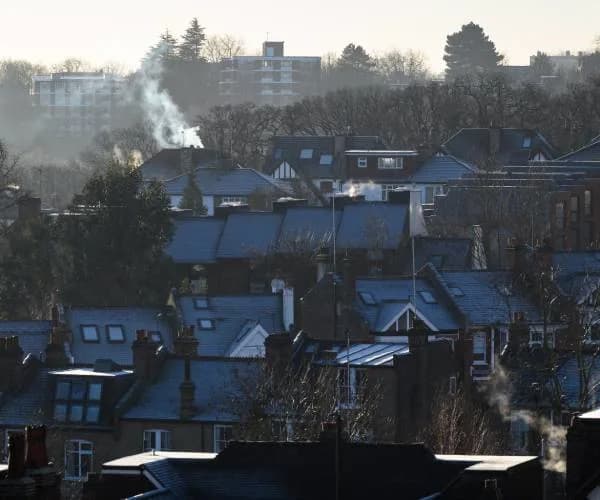
A report from the National Energy Assistance Directors Association (NEADA) estimates that the average U.S. household will spend about $1,030 to heat their home this winter — an increase of roughly 8.7% from last year. Households that rely on heating oil, common across the Northeast, could see prices jump an average of 31.3%, while customers using natural gas may face a rise near 5.8%.
In Maine, the Department of Energy Resources (DOER) reports average heating oil prices near $5.77 per gallon, about 74% higher than a year earlier. That translates to an estimated additional cost of nearly $675 to fill a standard 275-gallon tank compared with last winter.
Why Prices Are Rising
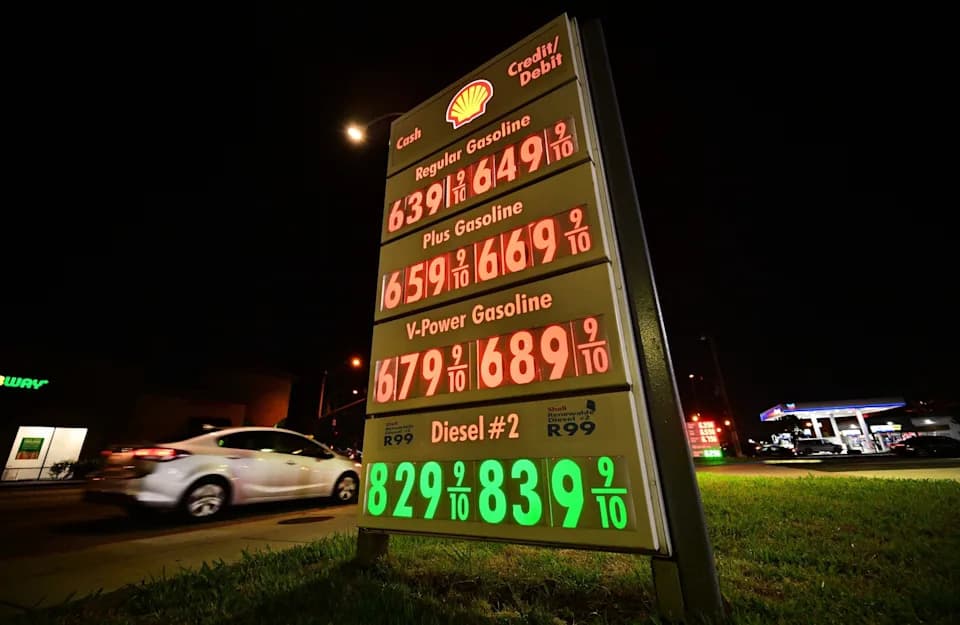
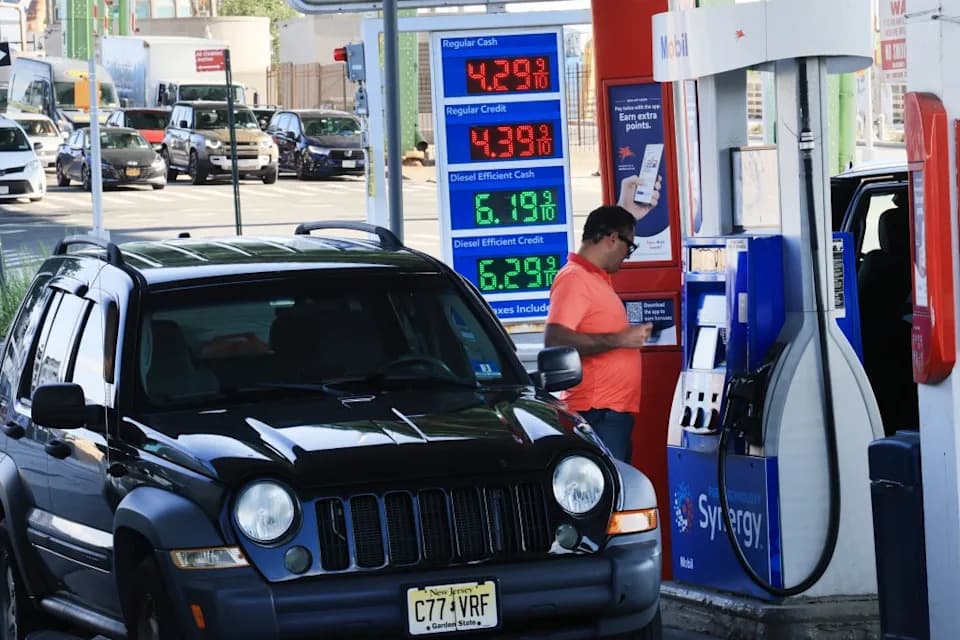
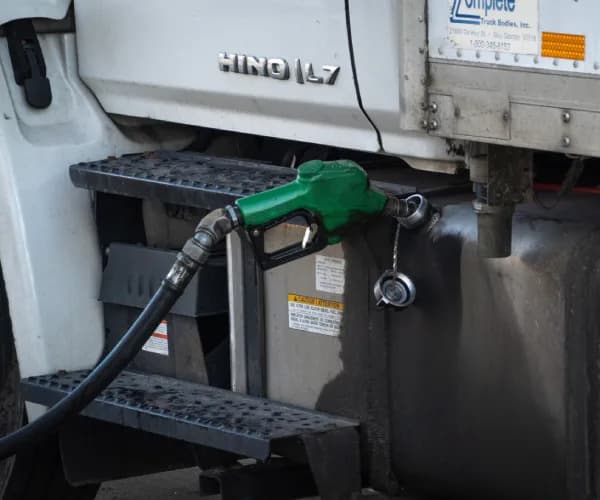
Analysts link the surge in energy costs to a major disruption in global oil supplies triggered by escalating conflict in and around the Strait of Hormuz earlier this year. The interruption to crude flows led dozens of countries to release hundreds of millions of barrels from emergency reserves and has kept global crude prices elevated — trading near $103 per barrel in recent market data cited in the report. Higher crude has pushed diesel and gasoline costs to multiyear highs, with the national average for a gallon of regular gasoline around $4.46, according to AAA.
Household Strain and Assistance
Low-income households face particularly difficult trade-offs. Alicia Fasulo, director of heating assistance at The Opportunity Alliance in southern Maine, said many families are "extremely concerned" about whether to pay for fuel, rent, groceries or prescriptions as bills climb.
"They have tough decisions about whether to pay for their groceries, whether to pay for their medications, electric bills or fuel costs," Fasulo said.
Federal aid through the Low Income Home Energy Assistance Program (LIHEAP) provides roughly $4 billion annually to help households with heating costs. Fasulo said LIHEAP is "a huge help" for the roughly 5,000 people her organization assists each year, but coverage is limited: only about one in five eligible households nationwide receives LIHEAP support, according to David Konisky, a political science professor at Indiana University and co-director of the Energy Justice Lab.
"There is much more demand than there are resources to fill that demand," Konisky told ABC News.
Outlook and Uncertainty
Uncertainty remains over how high winter heating bills will go. Heating oil prices can be volatile, and weather patterns such as El Niño could bring milder temperatures that reduce demand. Still, inflation remains above the Federal Reserve's 2% target — the annual inflation rate stood at 3.4% in August — increasing the likelihood that many households will face elevated costs this winter.
Families are being urged to plan ahead: check eligibility for local assistance programs, compare fuel suppliers, and explore weatherization or efficiency programs that can reduce usage.
Help us improve.