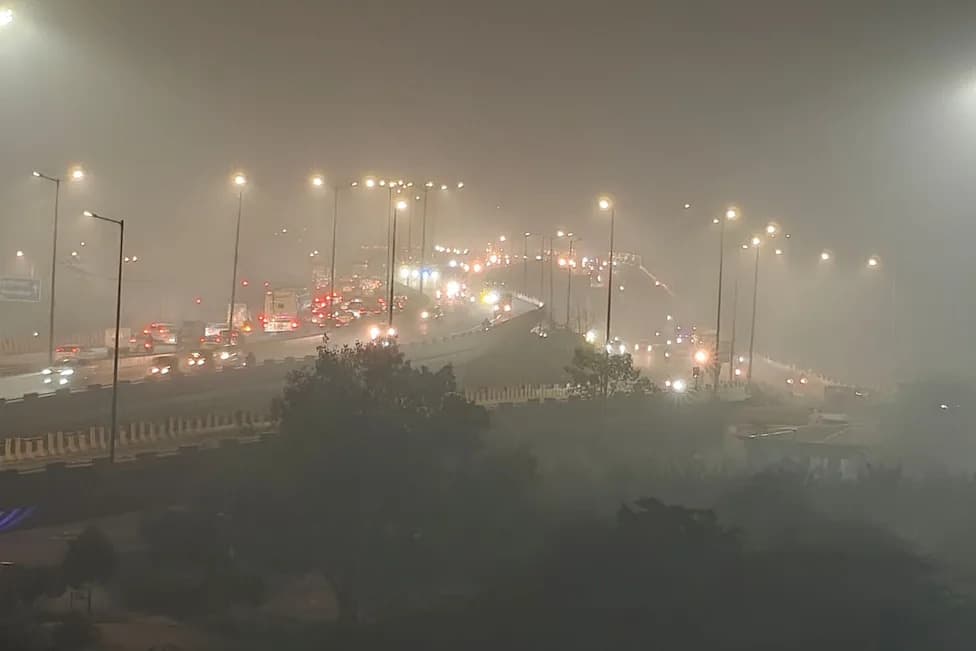
Kuala Lumpur and Singapore have been shrouded in haze for more than a month as smoke from wildfires on Borneo and Sumatra drifts across the region. IQAir listed Kuala Lumpur as the world's most polluted major city with an AQI of 166, while Singapore recorded 155. Health effects — including worsened allergies and asthma — have forced residents to limit outdoor activity and adopt precautions. Experts point to El Niño-driven dry weather and land-clearing fires in Indonesia as key causes.
Indonesian Wildfires Blanket Kuala Lumpur and Singapore — KL Tops Global Pollution Index
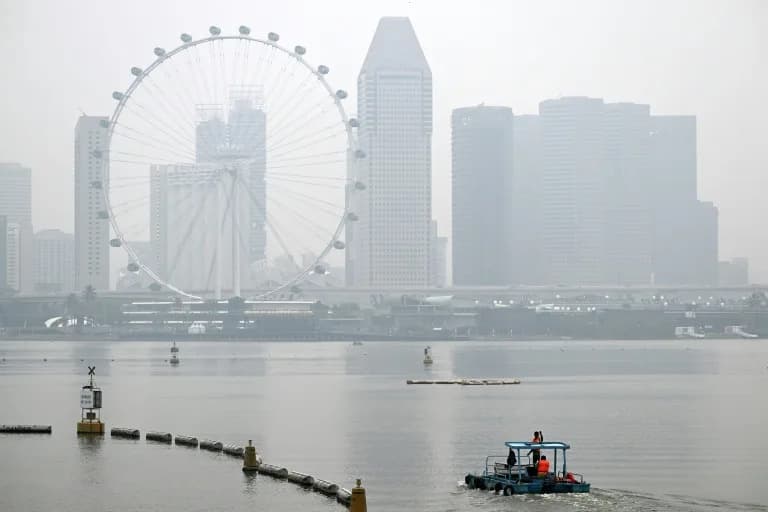
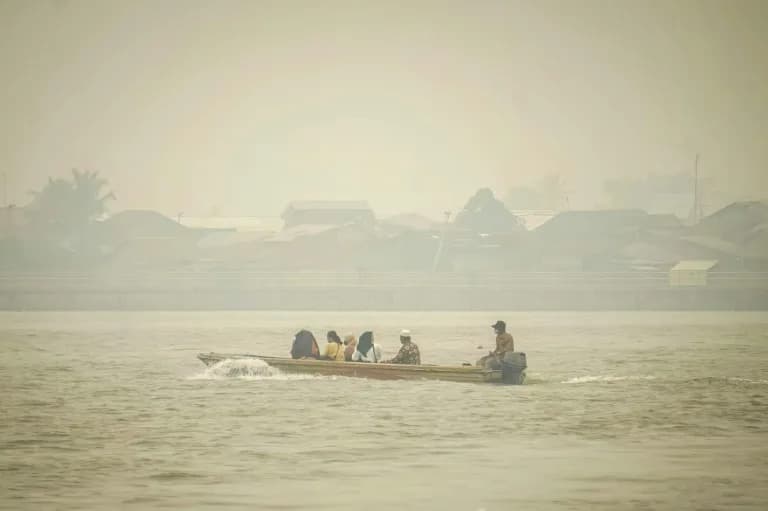
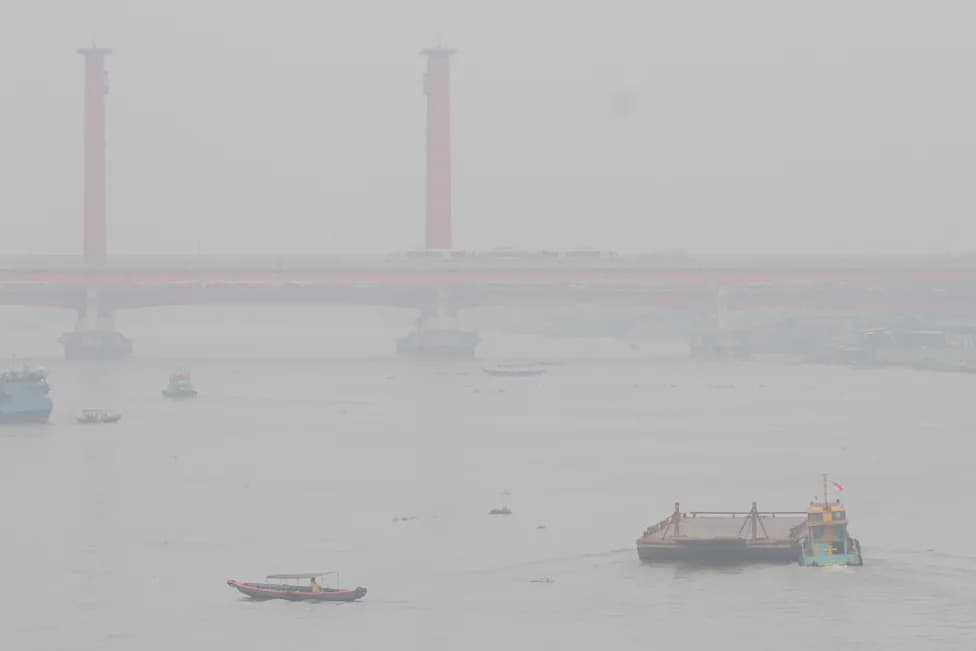
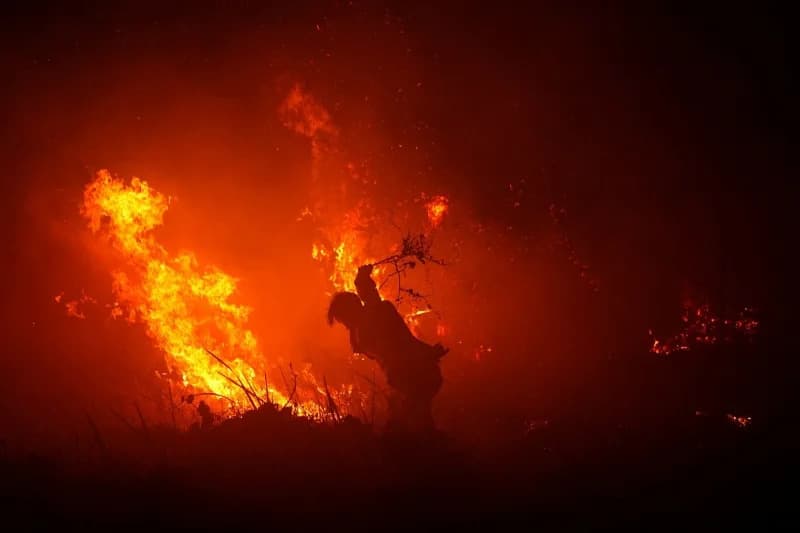
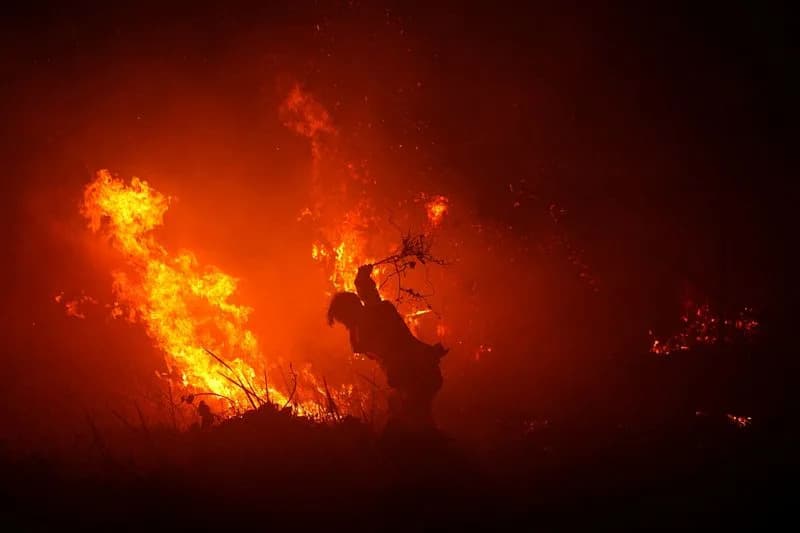
Transboundary haze is a recurring problem in Southeast Asia, but this year's episode has been particularly severe (Roslan RAHMAN)
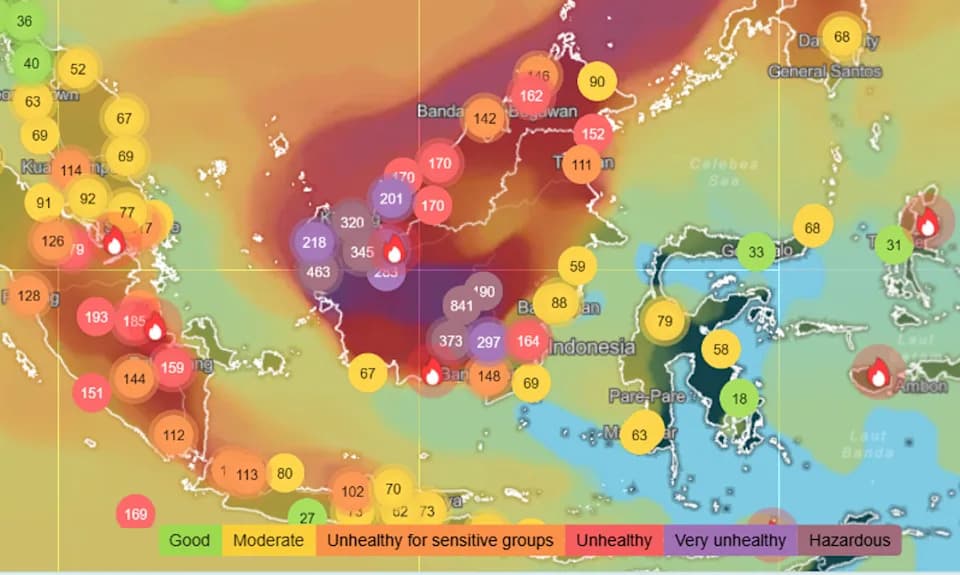
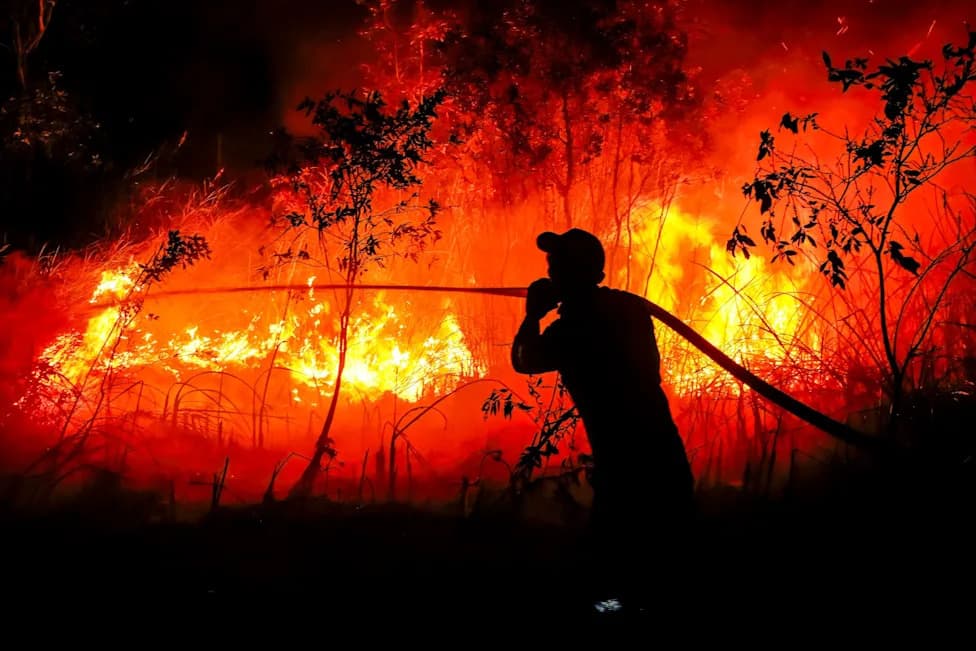
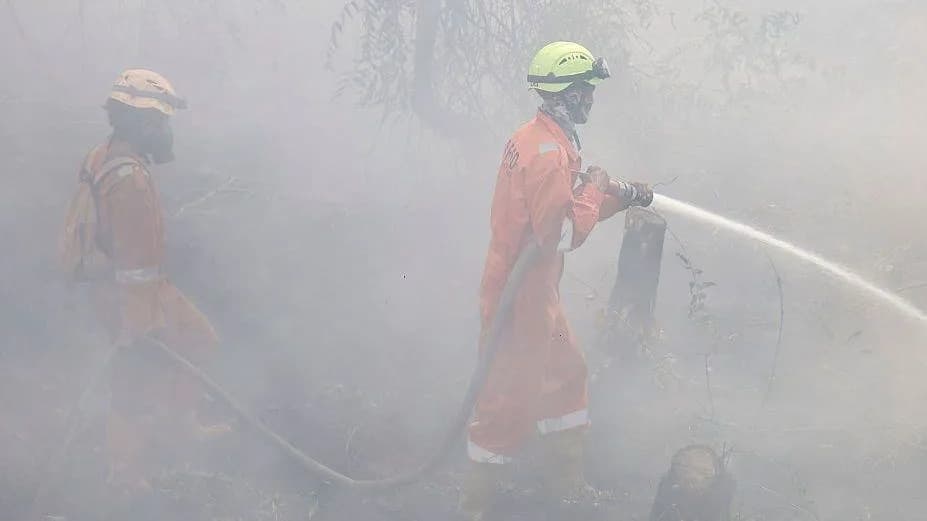
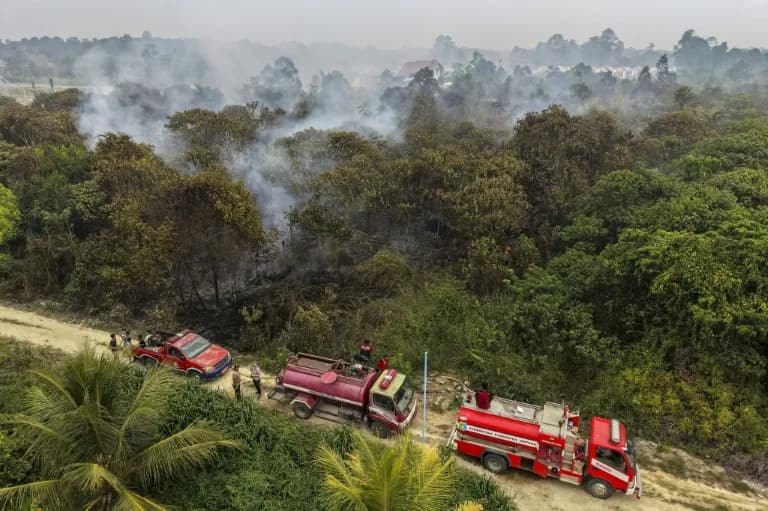
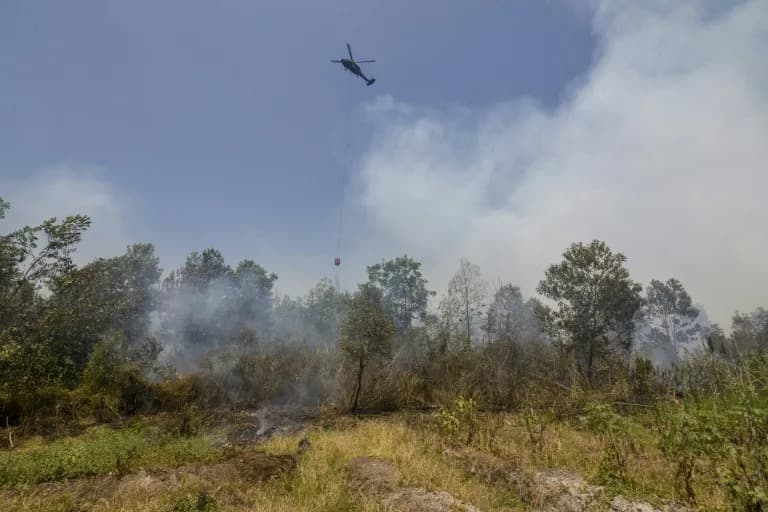
Malaysia's capital, Kuala Lumpur, was ranked the world's most polluted major city on Wednesday as a persistent, milky haze from wildfires in Indonesia lowered air quality across the region. Nearby Singapore also recorded unhealthy pollution levels, with both cities affected by smoke drifting from blazes on the islands of Borneo and Sumatra.
Air Quality Readings
Swiss air-quality monitor IQAir reported an Air Quality Index (AQI) of 166 for Kuala Lumpur and 155 for Singapore. The AQI aggregates multiple pollutant measurements into a single figure: readings above 150 are classed as unhealthy, while values over 300 are considered hazardous.
Health And Daily Life
Residents across age groups have reported respiratory and allergy symptoms, reduced outdoor activity, and poorer visibility. "It's really impacting our health and also the visibility," said Izzah Irdina, 22, a recent Kuala Lumpur graduate. "During this haze I can't even see the Merdeka 118."
"I'm not sure when it's going to end because it's a natural disaster," said Anusuriyeh, 41, adding that she and her children wear masks and take vitamins as precautions.
Students with allergies and asthma described cutting back on sports and experiencing increased sneezing and runny noses, while some older residents said they largely stayed indoors but worried about vulnerable family members.
Causes And Context
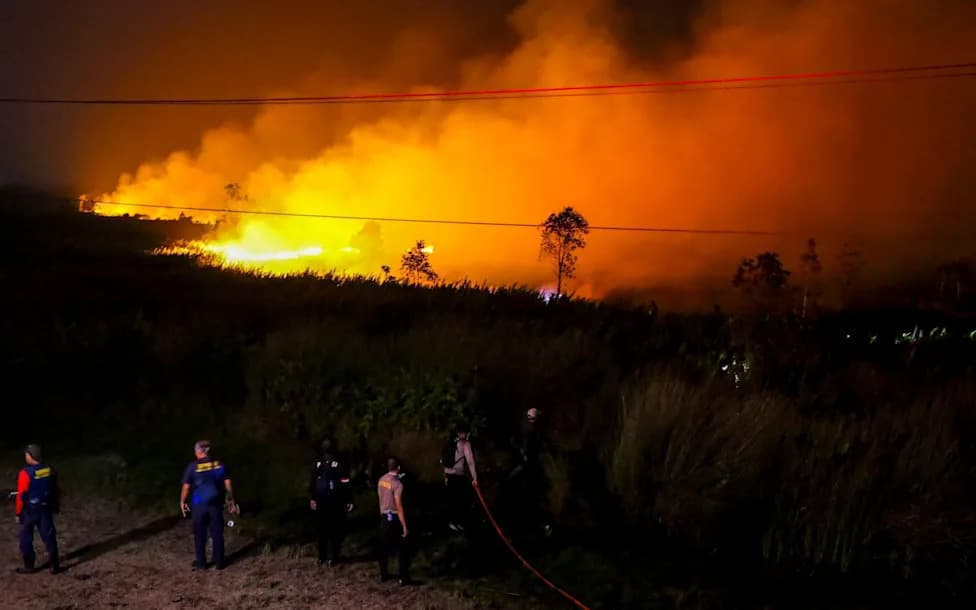
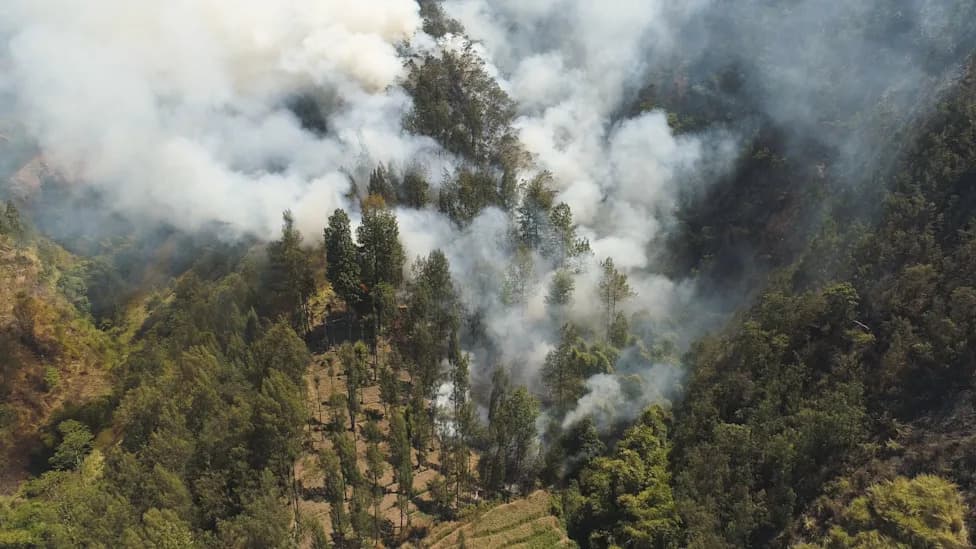
Officials and observers attribute this episode to a combination of hot, dry conditions associated with the El Niño weather pattern and human activity such as land-clearing fires in Indonesia. These factors made blazes on Borneo and Sumatra harder to contain and increased smoke transport across borders.
Precautions And Outlook
Authorities and health advisers recommend limiting outdoor exercise, wearing well-fitting masks when outdoors, using air purifiers if available, and checking local AQI updates. Residents said they hope for rain to clear the skies, while experts warn that transboundary haze remains a recurring regional challenge requiring both short-term responses and longer-term land-management solutions.
Sources: IQAir air-quality data and reporting from AFP; local resident interviews.
Help us improve.