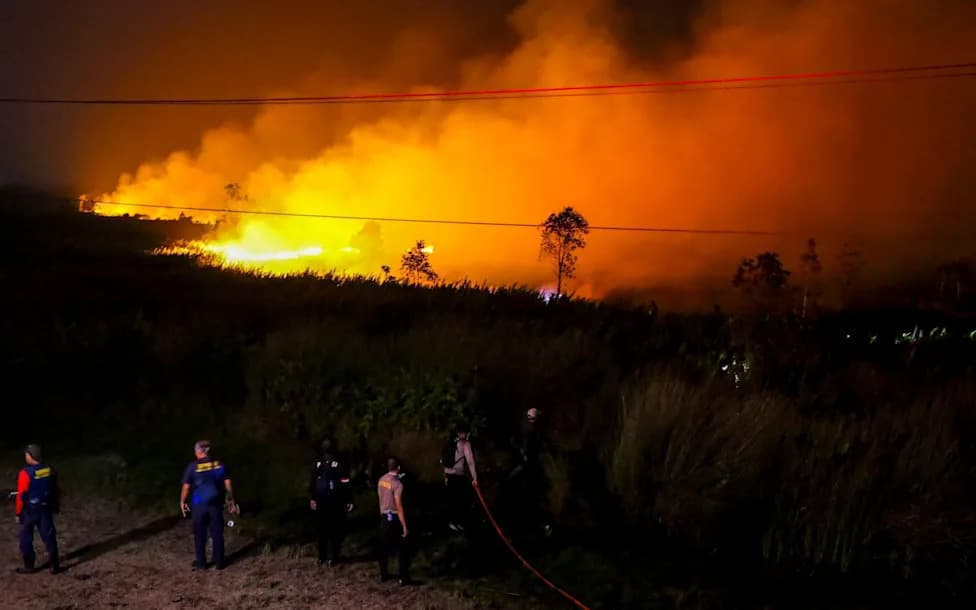
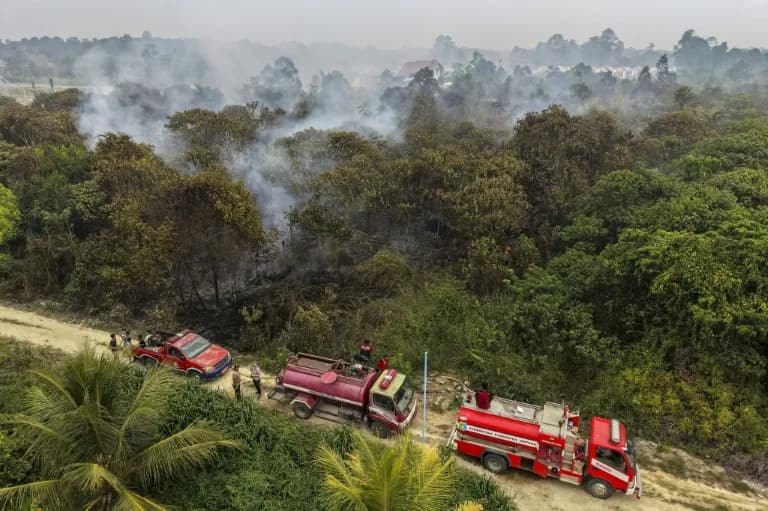
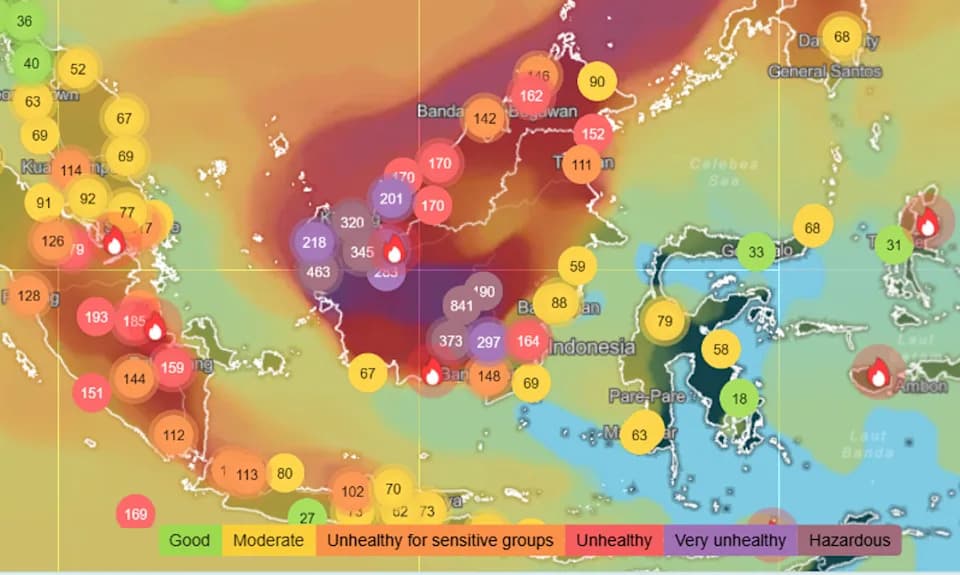
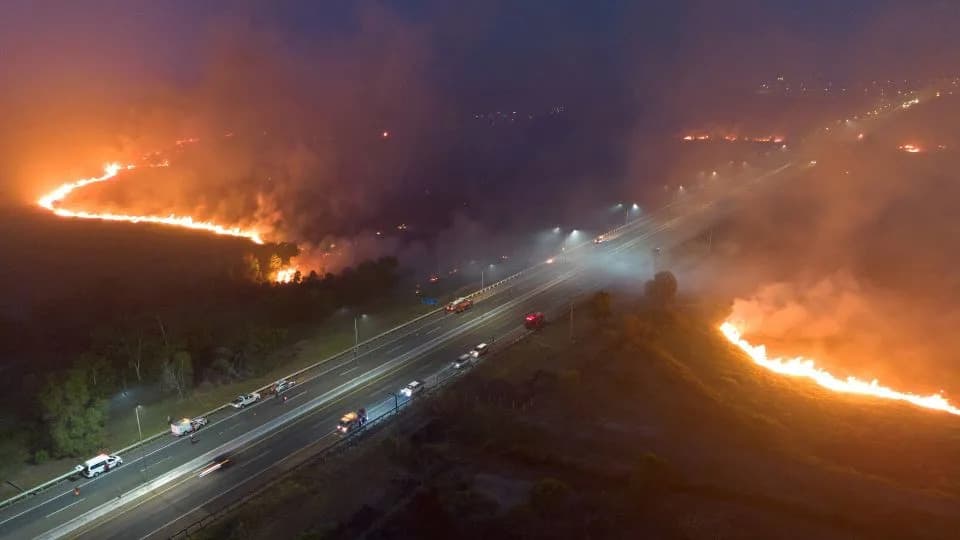
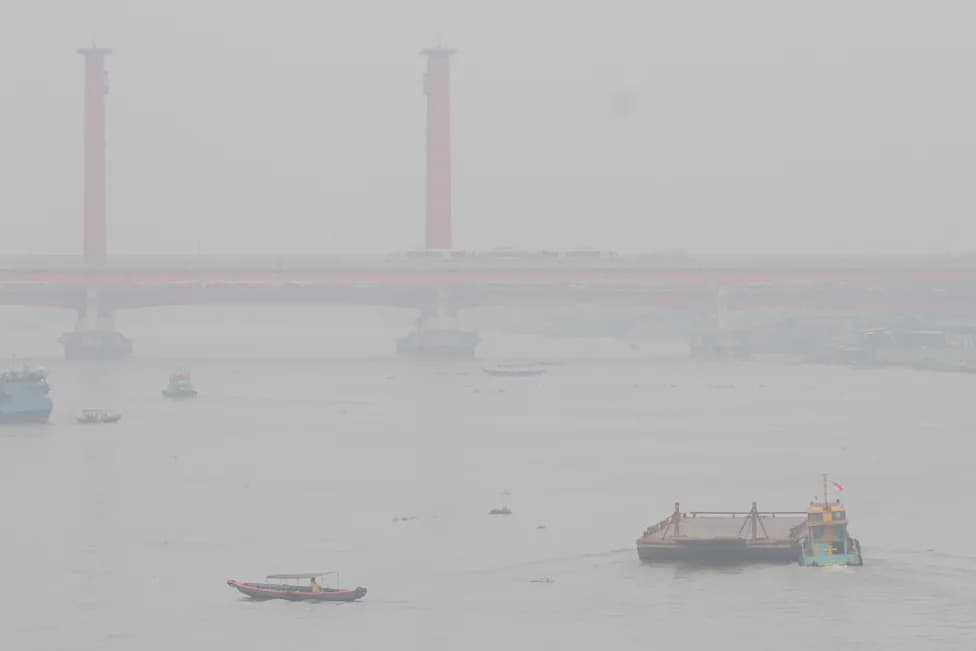
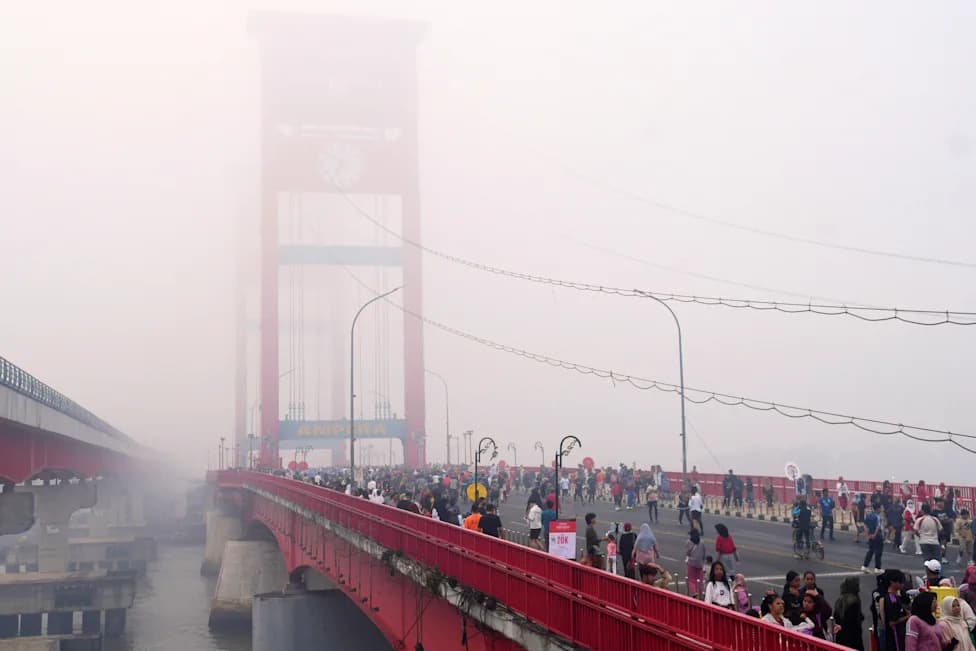
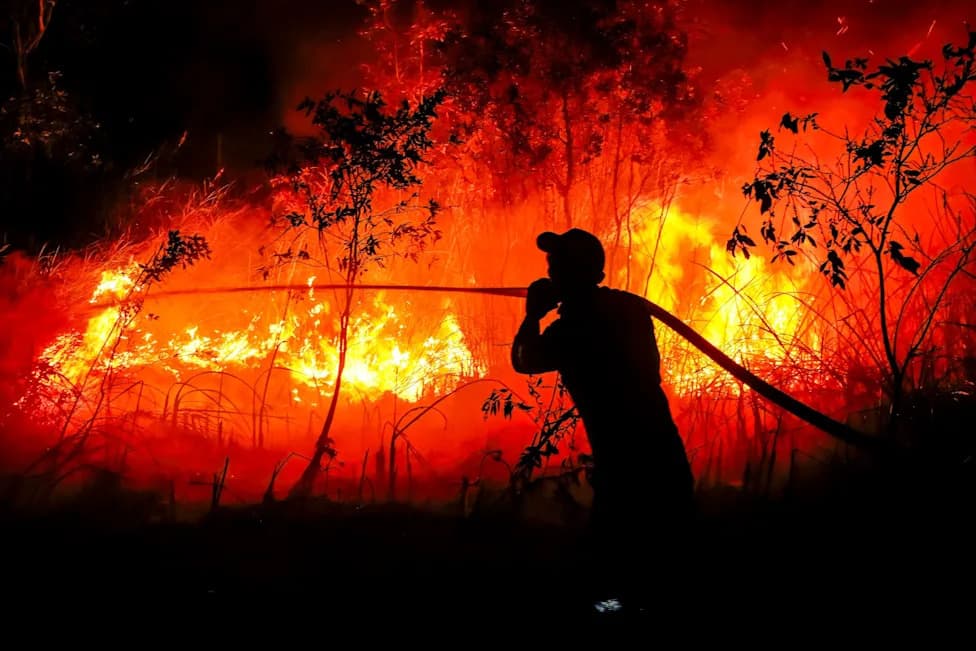
On Aug. 18 a peat fire in South Kalimantan surged to within about 330 feet of a home in Pengayuan village, leaving residents afraid to sleep. Dozens of blazes across Borneo and Sumatra are burning drained, carbon-rich peatlands, and haze has spread to Malaysia and Singapore. The South Kalimantan health department logged 36,196 cases of acute respiratory infection in one month, and doctors warn that fine smoke particles can penetrate deep into the lungs and bloodstream. Officials say El Niño-driven drought is likely to worsen conditions and raise the risk of further fires.
Peat Fire Raced to Within 330 Feet of Home in South Kalimantan, Leaving Families Afraid to Sleep
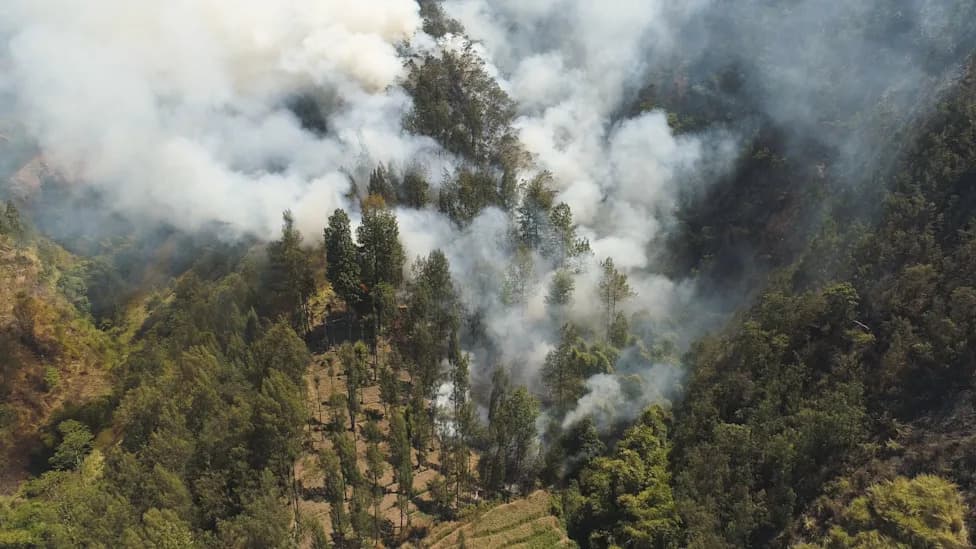
Photo Credit: iStock
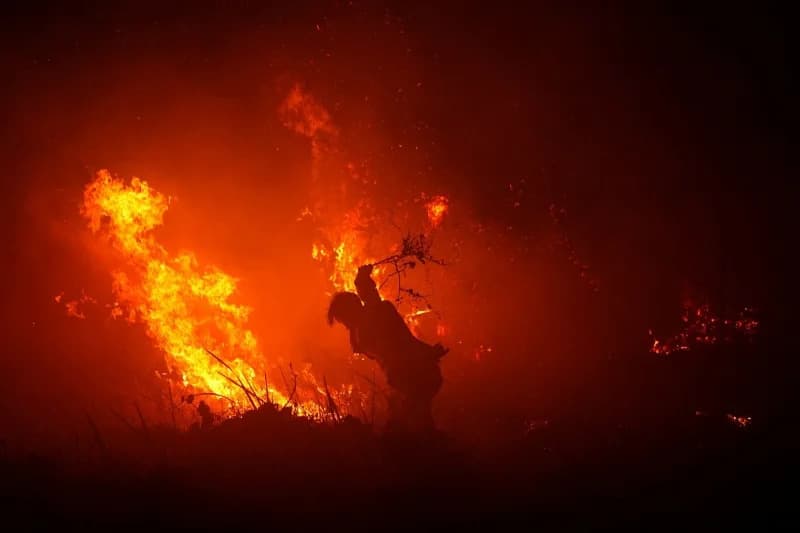
On Aug. 18 a peat fire in South Kalimantan surged to within roughly 330 feet of a house in Pengayuan village, sending residents into an anxious night and leaving some too frightened to sleep. What began as a distant blaze advanced rapidly toward homes as haze spread across large parts of Borneo and Sumatra.
Rapid Spread and Local Response
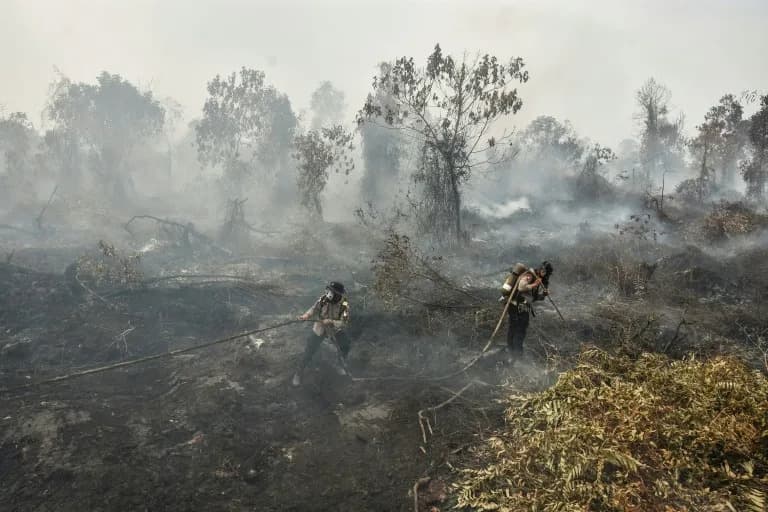
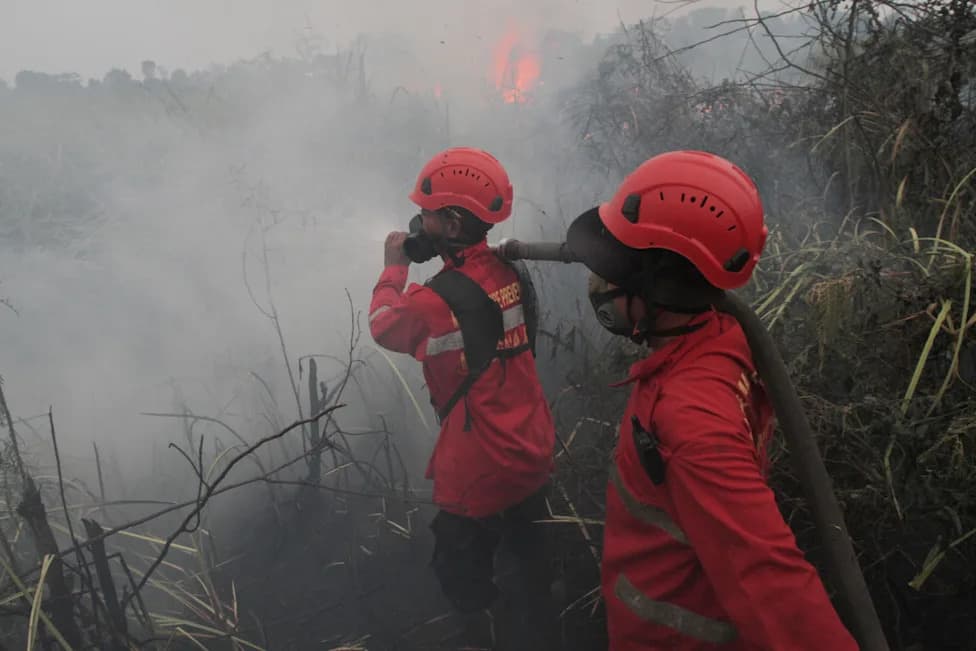
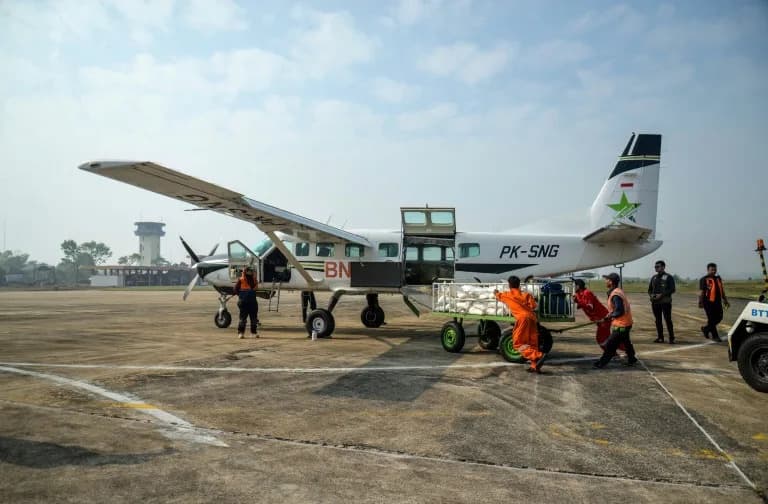
Residents and local media told Mongabay Indonesia that the fire's sudden approach surprised many in the village. 'The fire seemed to leap up,' Siti Sarah said. 'All of a sudden it was right there — it grew so fast.' Community crews and government firefighters mobilized to battle dozens of blazes across the region, many of which are burning carbon-rich peatlands in both Borneo and Sumatra.
Why Peat Fires Are So Dangerous
Much of the danger comes from peatlands that have been drained and dried—often to make room for oil-palm plantations—making them highly flammable during El Niño-driven droughts. Burning remains a cheap land-clearing method that can easily escape control and smolder underground, producing persistent, toxic smoke.
Health Impacts
Meteorologists expect a strong El Niño to keep Indonesia drier for longer, raising the risk of more fires and prolonged smoke exposure. The South Kalimantan provincial health department recorded 36,196 cases of acute respiratory infection between July 12 and Aug. 15. Syamsul Arifin, dean of the medical faculty at Lambung Mangkurat University, warned that wildfire pollution is especially hazardous because the particles are so fine: 'They can't be trapped by nasal hairs, so they're inhaled down to the alveoli and into the bloodstream.'
UNICEF and local health officials have flagged children as particularly vulnerable. Raina, a 29-year-old mother from Pemurus Dalam village, said her 5-year-old son, Muhammad Raihan, began coughing in July and was later hospitalized with pneumonia on Sept. 2. Raina reported spending millions of rupiah from her savings to pay for his treatment.
Regional Effects and Wildlife
Southeasterly winds have carried haze into neighboring Malaysia and Singapore, prompting health advisories. The 2015 fires showed the regional toll that peatland burning can take: those events were linked to more than 100,000 premature deaths across Indonesia, Malaysia and Singapore. On Borneo, rescuers are also working to save orangutans and other wildlife stranded by flames and smoke.
On-the-Ground Follow-Up
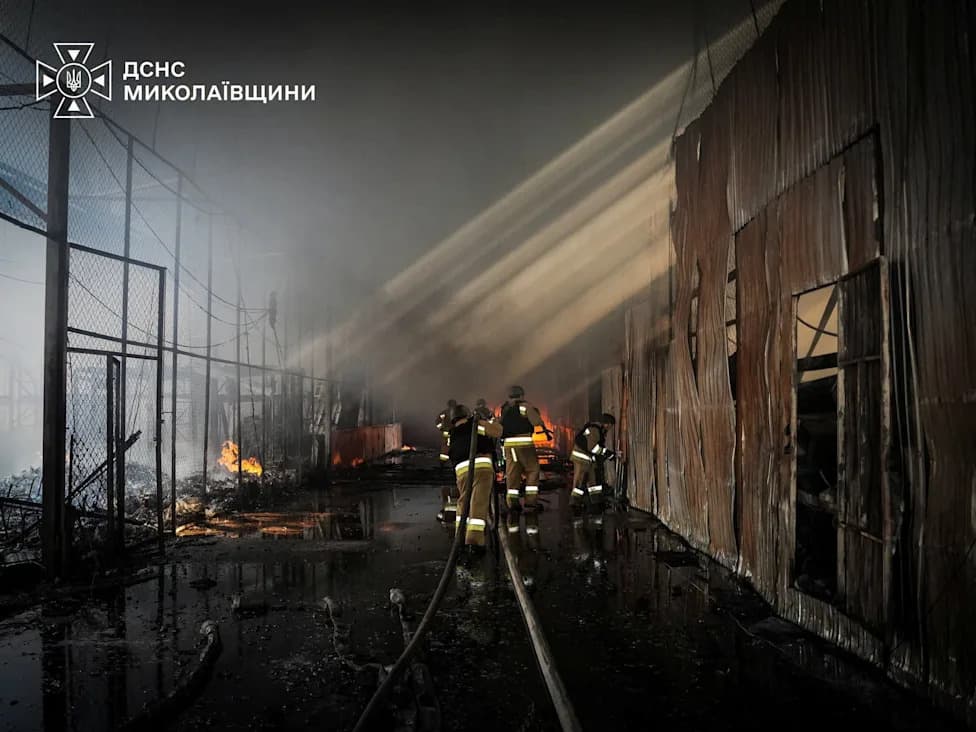
New blazes continued to draw responses from firefighters and villagers. In Pengayuan, residents helped battle a blaze threatening homes, and a separate fire on Aug. 20 was extinguished before it damaged houses. Health teams visited affected neighborhoods after several members of Siti's household fell ill. Diauddin, head of the South Kalimantan provincial health department, said a definitive causal link between the fires and the spike in respiratory infections is still under investigation, but he urged extra attention for vulnerable groups: children, older adults, pregnant people, and those with heart or lung disease.
What Residents Can Do
Health workers advise parents to seek care early if a child's cough worsens or breathing becomes difficult. When smoke is heavy, basic precautions include staying indoors, using air purifiers if available, and limiting strenuous outdoor activity—especially for children and vulnerable adults.
Looking Ahead: Indonesia's peat fires are part of a broader wildfire crisis. Even after flames are contained, smoke, heat and toxic residues can linger indoors and continue to harm lungs, immune systems and overall health.
Help us improve.