Thick smoke from widespread wildfires across Borneo has forced residents indoors and left many struggling to breathe. Pontianak briefly recorded an AQI above 1,100, and Indonesia's health ministry reports over 113,000 respiratory infections across seven provinces. Authorities are using water bombing and cloud seeding, while estimates of burned land range from about 202,000 to nearly 896,000 hectares. The blazes are linked to a strong El Niño, climate change and long-term land degradation.
“Breathing Toxin Every Day”: Borneo Residents Choked by Wildfire Haze
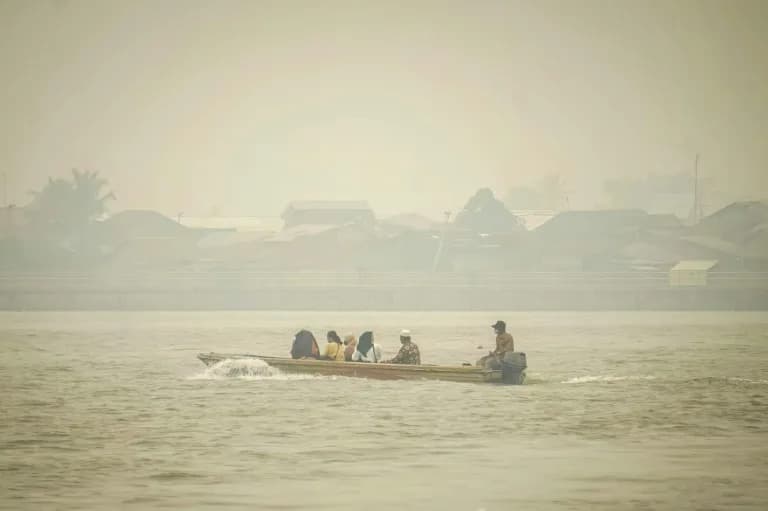
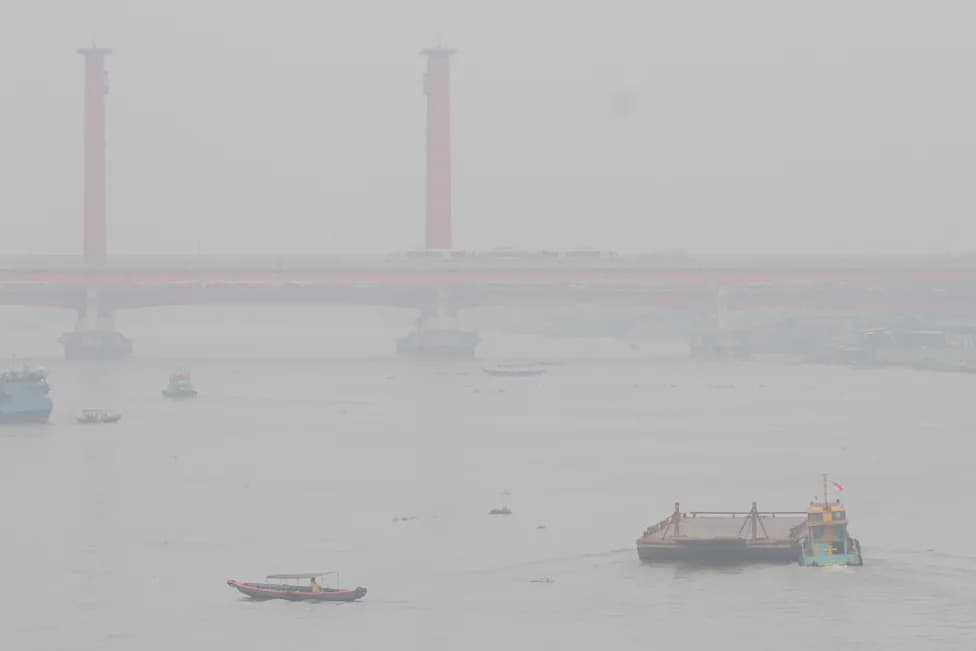
Indonesians on Borneo island say they acrid yellow haze has damaged their health (DITO)
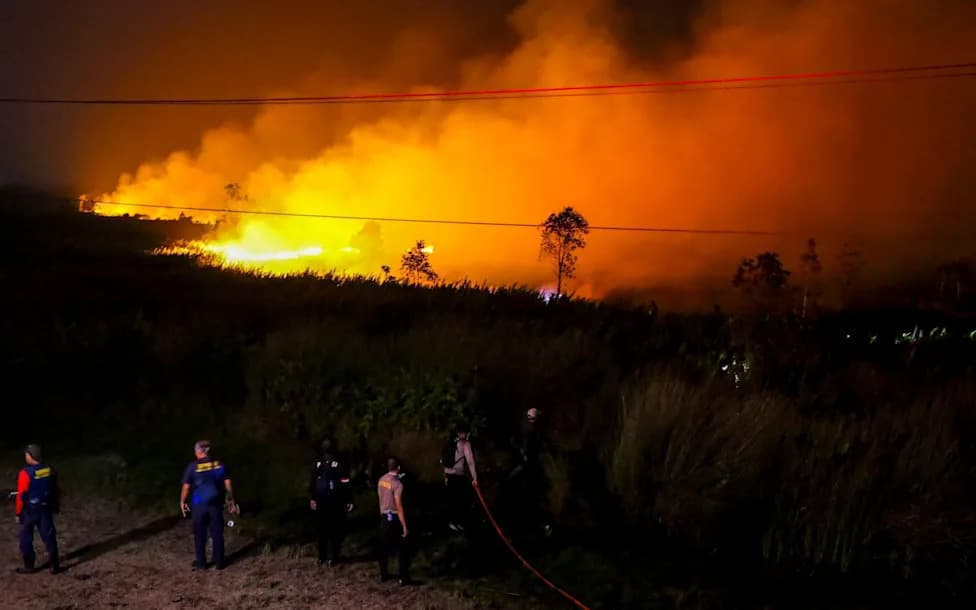
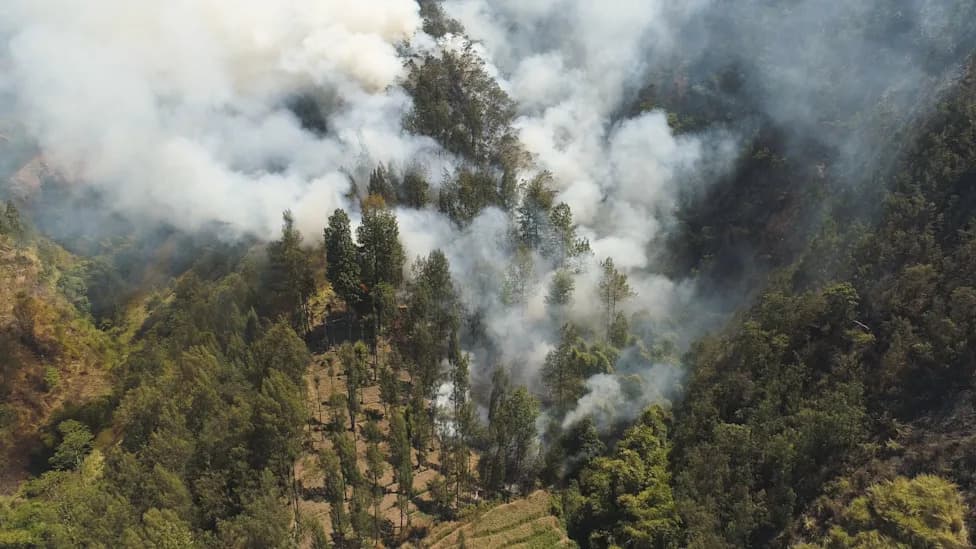
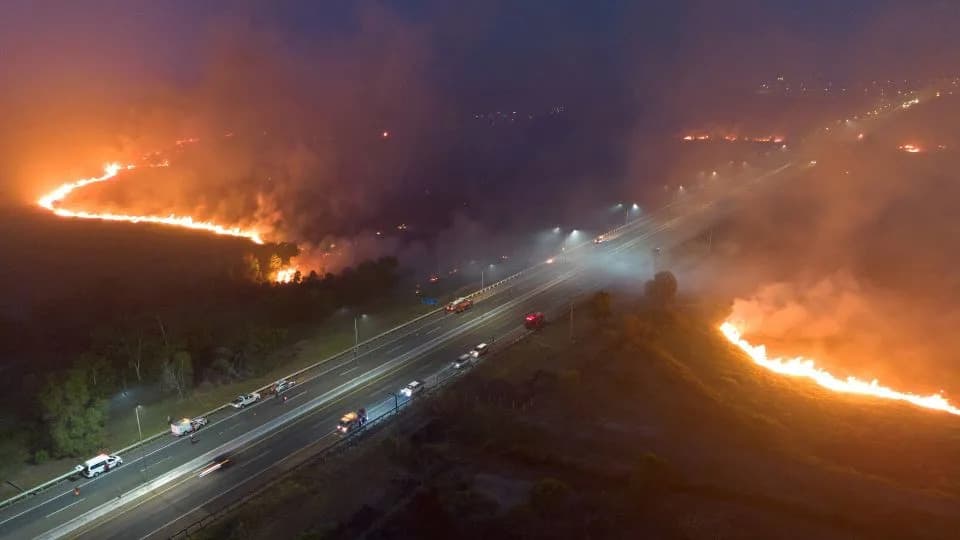
Residents across Indonesia's Borneo island say they are struggling to breathe as acrid smoke from widespread wildfires blankets towns and villages, forcing people indoors and leaving many fearful for their children's health.
In Pontianak, the capital of West Kalimantan province, thick yellow smoke was so severe over the weekend that it temporarily paralysed the international airport. Local residents described burning eyes, headaches, tight chests and dizzy spells as the air worsened.
“My eyes sting, my head hurts. While working, my chest feels tight, my head dizzy, my eyes burning… Even with this unhealthy air, we still must work,” said Anggita Putri, a 28-year-old resident and mother.
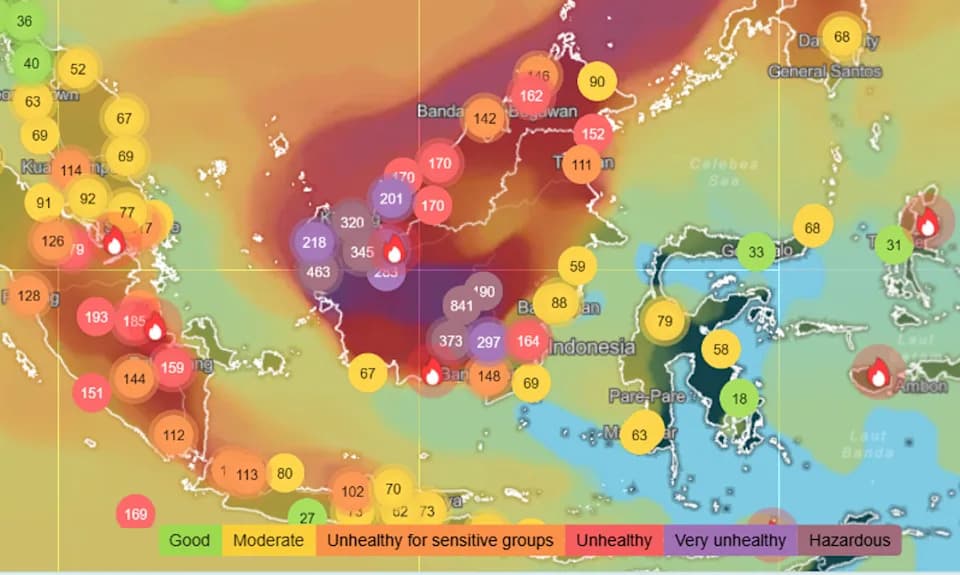
The air quality index (AQI) in Pontianak briefly topped 1,100 — nearly four times the hazardous threshold — according to local accounts. Indonesia's health ministry reported more than 113,000 cases of upper respiratory tract infections across seven provinces since the fires intensified earlier this year.
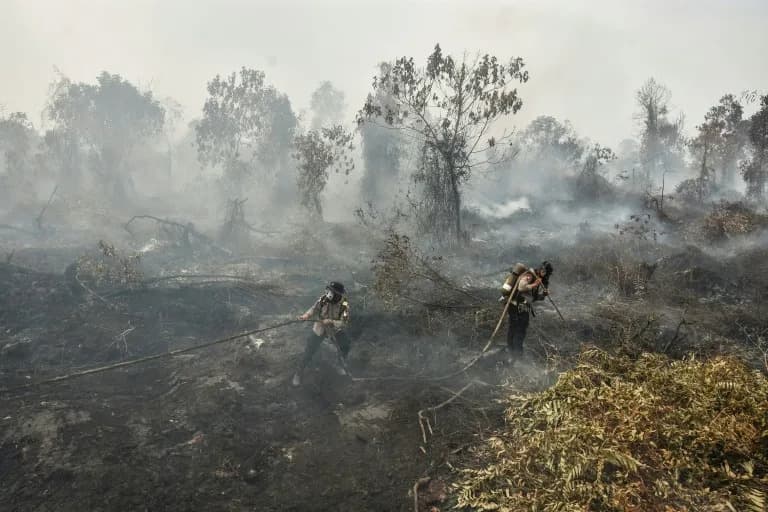
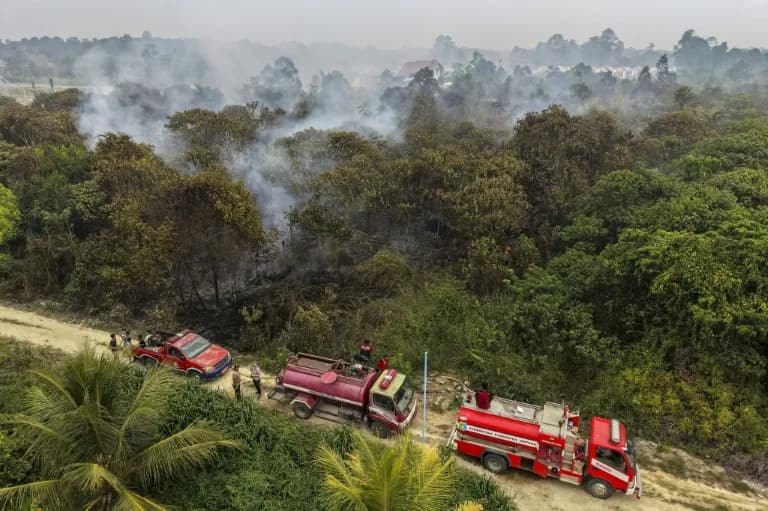
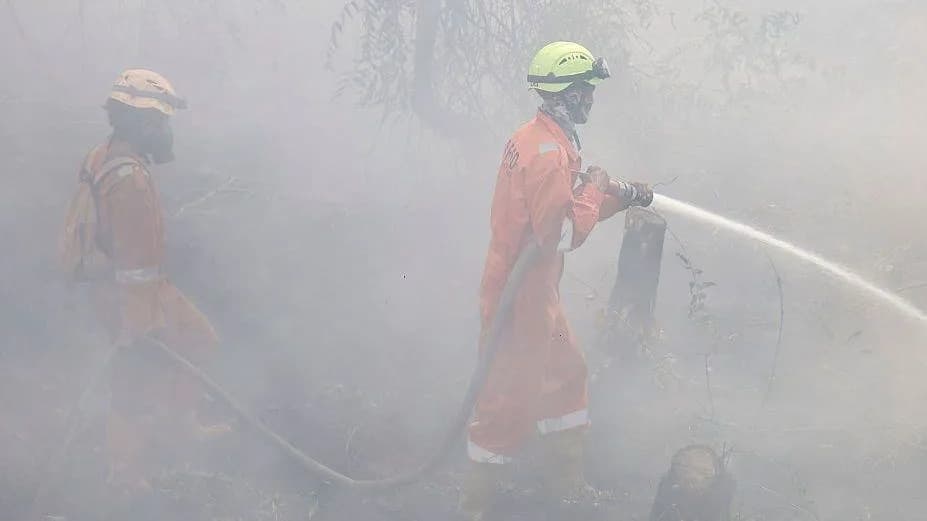
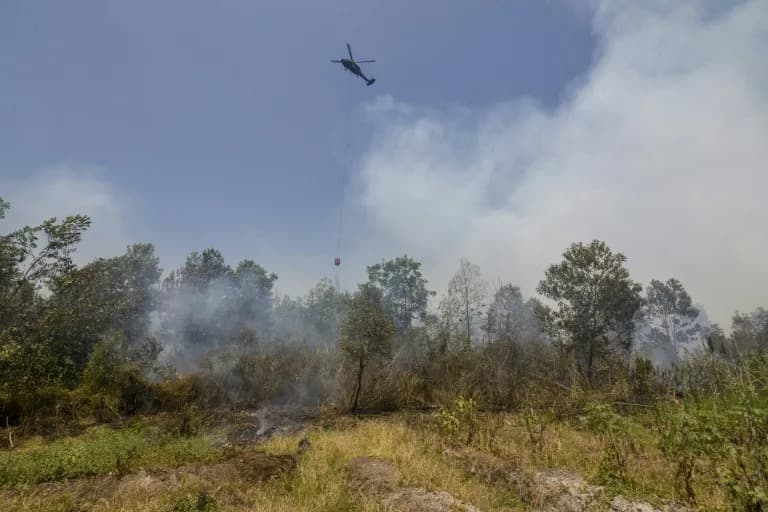
Authorities are scaling up firefighting efforts, including water bombing and cloud seeding, but many say progress is slow. Brief rainfall provided little relief and in some places made the smoke feel thicker.
Causes and Wider Impact
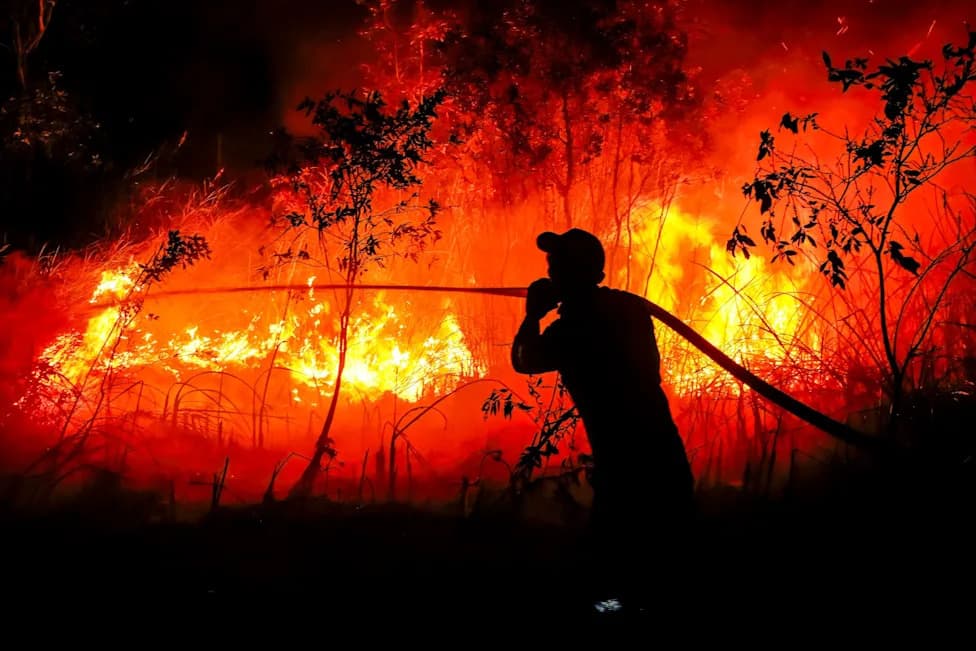
Officials and experts attribute the scale and severity of the blazes to a combination of factors: a powerful El Niño event, long-term climate change, decades of forest degradation and slash-and-burn land clearing that have turned previously fire-resistant landscapes into tinderboxes. From Borneo the haze has drifted to neighbouring Singapore and Malaysia, prompting regional concern.
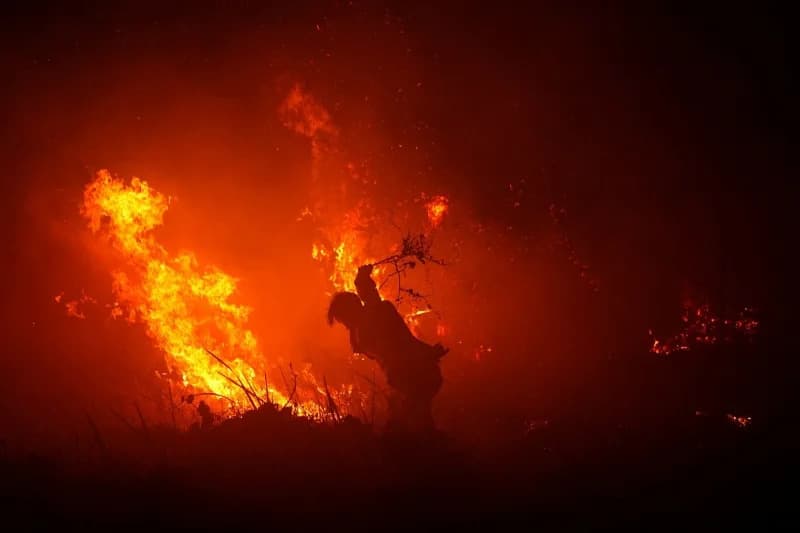
Estimates of the land burned vary. The Indonesian government reported more than 202,000 hectares affected between January and July, while the Nusantara Atlas project estimated nearly 300,000 hectares for the same period and put the total area affected, including August, at almost 896,000 hectares.
For many households, the haze has also disrupted livelihoods and education. Street vendors have stopped working, children have missed weeks of school, and families rely on a single purified room where possible. “It’s like we’re breathing toxin every day,” said Desia, a snack seller who has kept her windows closed for more than a month.
What Residents Want
While they wait for sustained rain and more aggressive containment, many residents say they feel abandoned by slow-moving government responses and hope for immediate relief measures to protect vulnerable groups, especially young children and the elderly.
Help us improve.