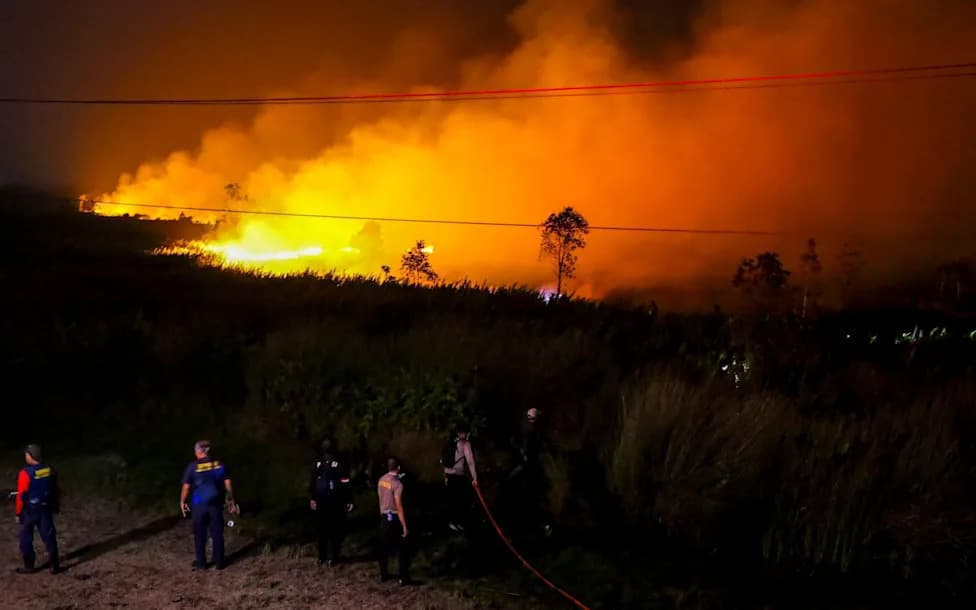
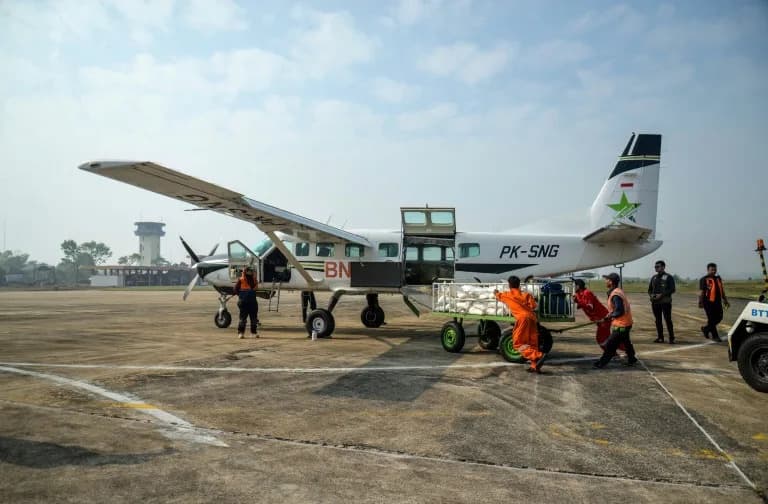
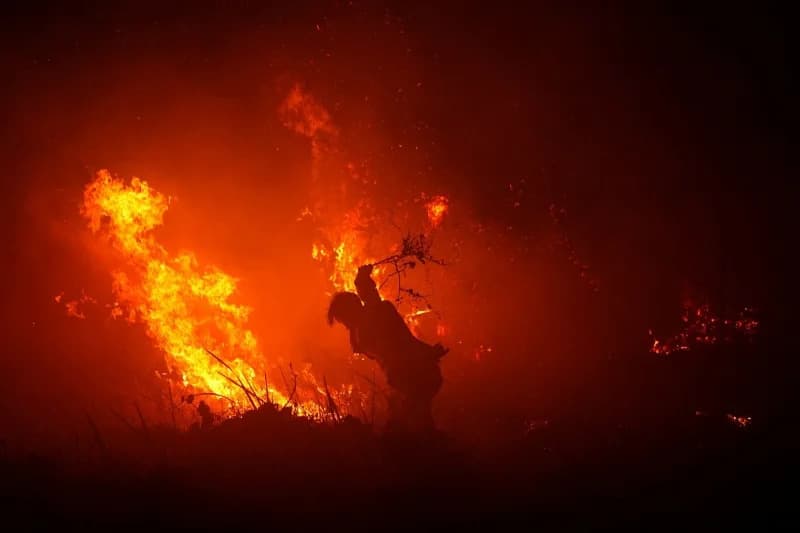
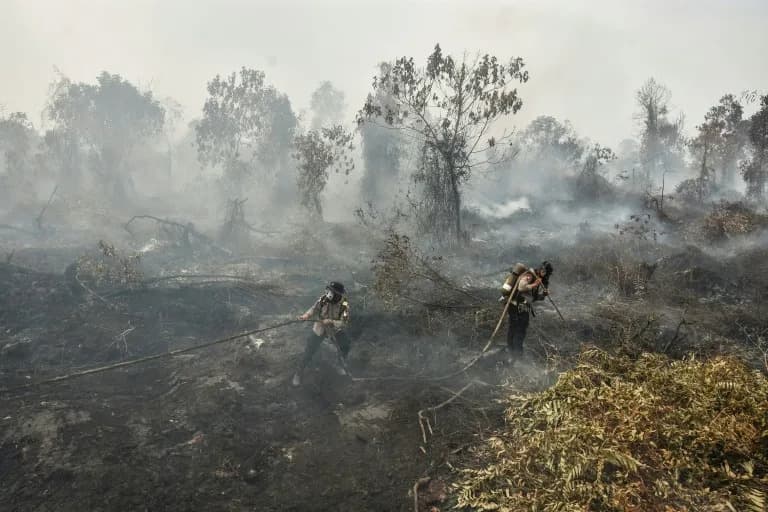
Indonesia is enduring its worst wildfire season in 11 years as a strong El Niño brings hotter, drier weather that has driven fires across Sumatra and Borneo. Fire Emissions Watch recorded about 19.7 million metric tons of wildfire pollution from Sept. 1–7, making Indonesia the world’s top source that week and more than one‑third of the global total. Peatland fires are a special concern because they smolder, emit large volumes of smoke and greenhouse gases, and are difficult to extinguish. Urban air quality in places like Pontianak reached hazardous levels (AQI 394), and experts warn El Niño is increasing wildfire risk globally.
Indonesia Faces Worst Wildfire Season In 11 Years As Strong El Niño Dries Land
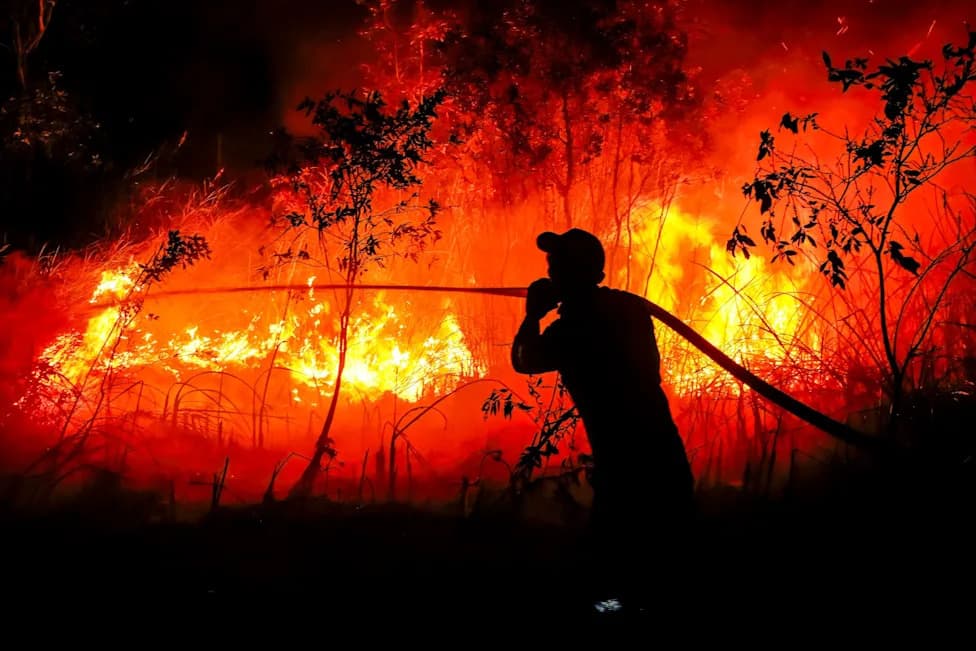
Photo Credit: Getty Images
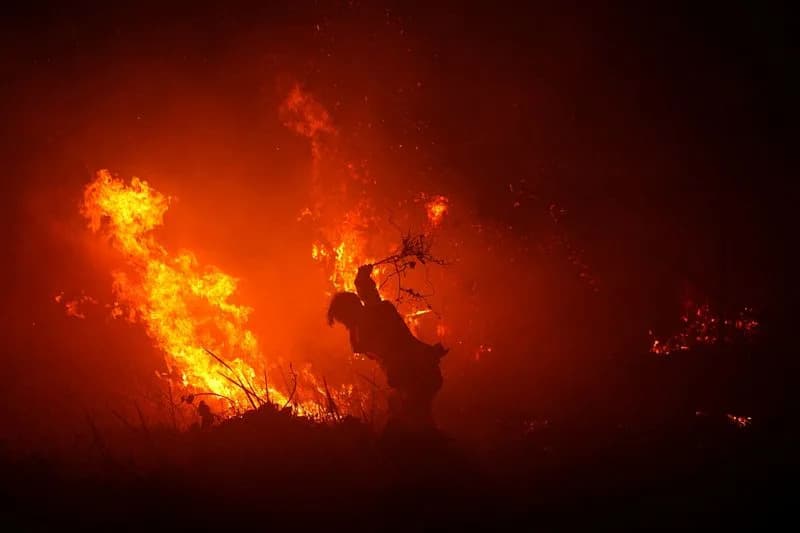
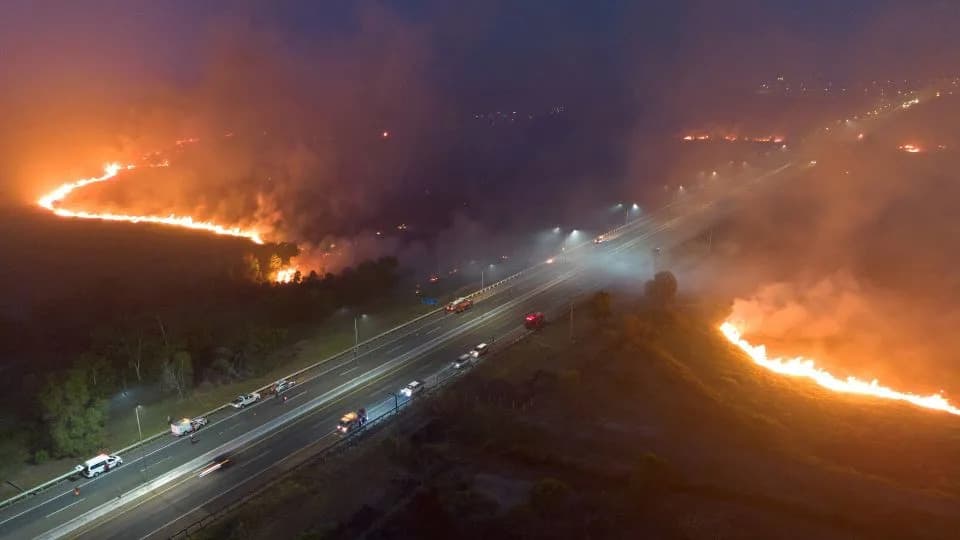
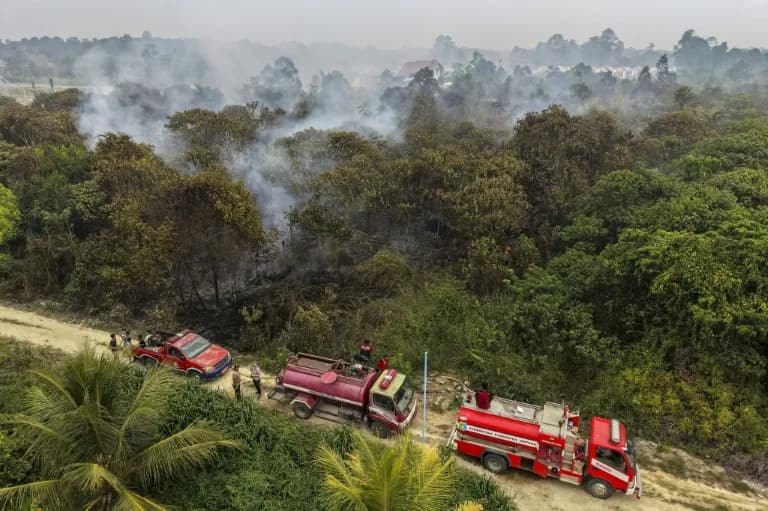
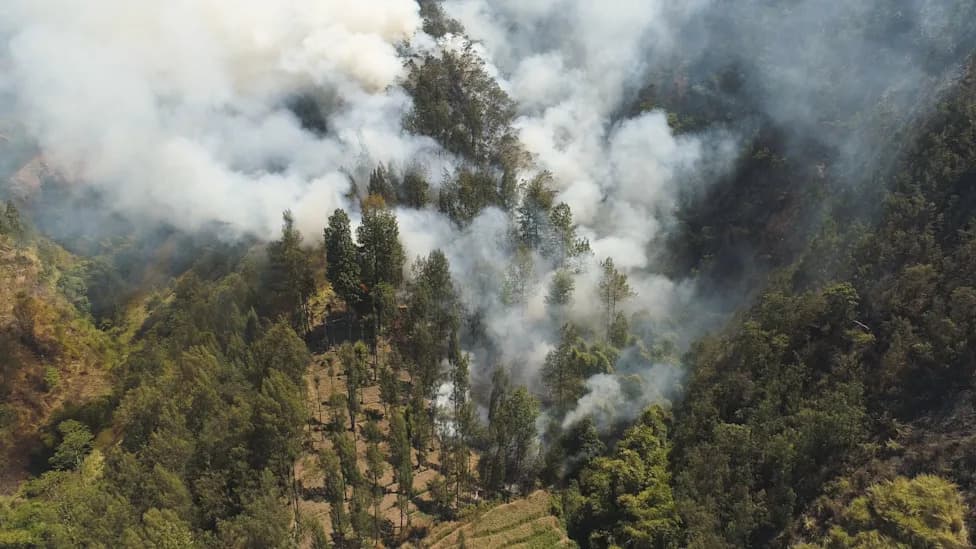
An unusually strong El Niño has produced hotter, drier conditions across Indonesia, fueling fast‑spreading fires through forests and peatlands on Sumatra and Borneo. Officials and climate monitors describe the current outbreak as the country's worst wildfire season in 11 years.
Emissions Spike And Where Fires Are Worst
Data tracked by Fire Emissions Watch — part of the European Union's Copernicus climate monitoring system — show Indonesia released roughly 19.7 million metric tons of pollution from wildfires between Sept. 1 and 7. That made Indonesia the world's largest source of wildfire emissions during that week, accounting for more than one‑third of the global total.
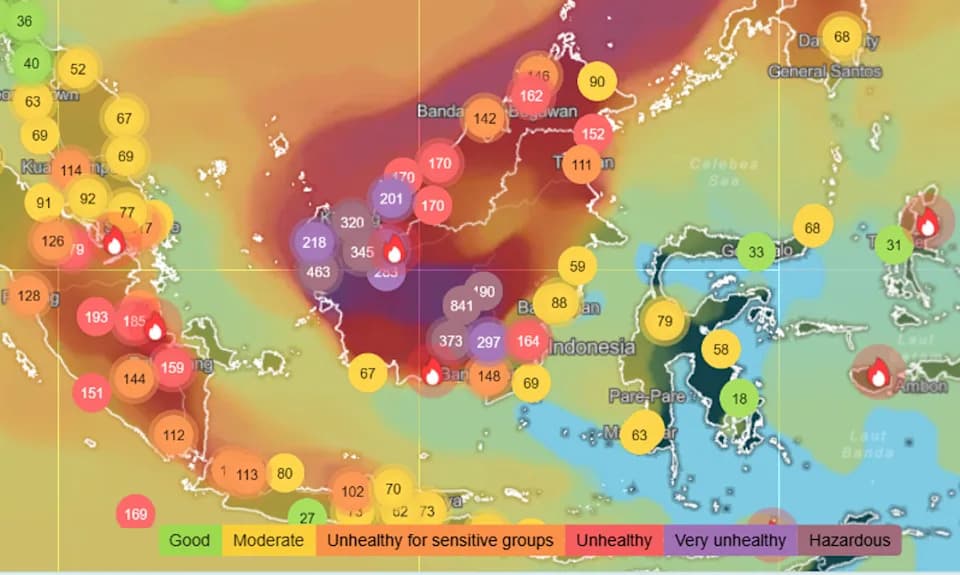
Copernicus also reported a pollution intensity above 1,500 kilograms per square kilometer, with the heaviest burning concentrated in Kalimantan (Indonesian Borneo) and eastern Sumatra. While the weekly total remained below the 21.7 million metric tons recorded in the comparable week of 2015 — another strong El Niño year — emissions were about 273% above the seasonal norm.
Why Peat Fires Make This Worse
Peatlands, which store vast amounts of carbon, are particularly vulnerable during drought. When peat ignites it can smolder for long periods, producing persistent smoke, large quantities of carbon‑rich greenhouse gases and heat, and proving far harder to extinguish than surface fires.
“We do expect to see some fires across the region at this time of year, but with El Niño, it clearly just gives a big enhancement to them,” said Mark Parrington, senior scientist at the Copernicus Atmosphere Monitoring Service.
Health And Regional Impacts
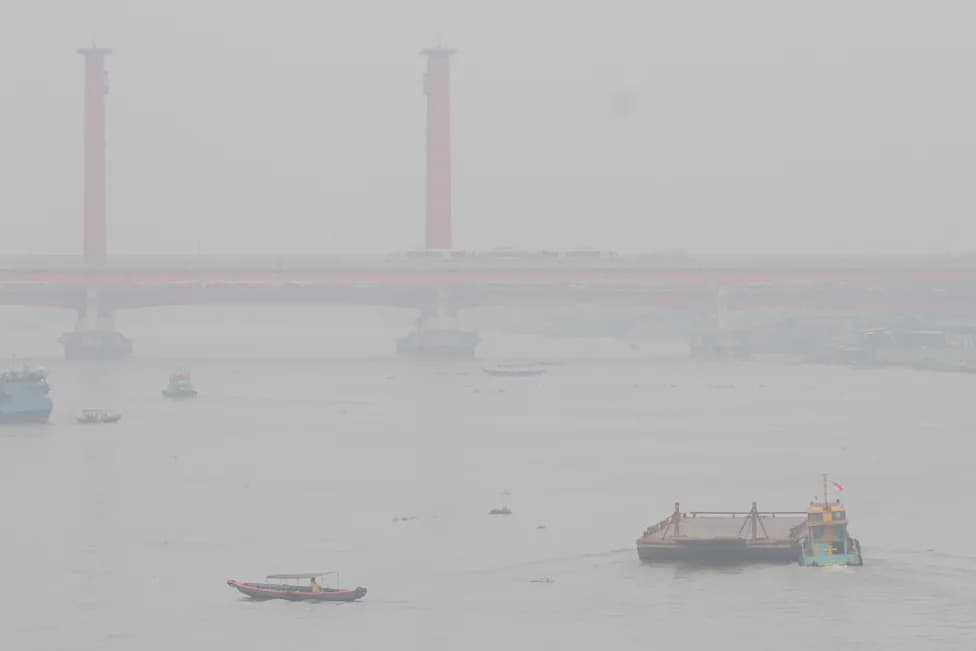
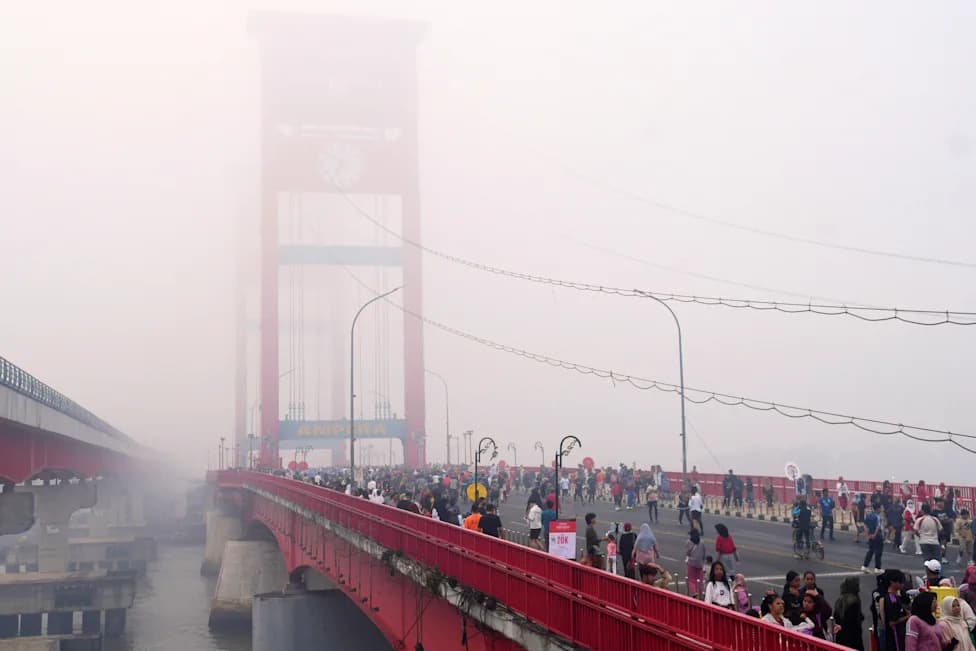
Smoke from the fires has pushed urban air quality to hazardous levels in some locations. Pontianak in West Kalimantan recorded an Air Quality Index of 394 according to Swiss monitor IQAir; readings above 300 are classified as hazardous. Widespread haze poses respiratory and cardiovascular risks, disrupts daily life and can impair visibility for transportation.
Global Context
Experts note the same El Niño pattern that is intensifying fires in Indonesia is elevating wildfire risk in other regions: higher temperatures, longer dry seasons and expanding drought areas are stretching firefighting capacity and increasing the likelihood of large, hard‑to‑control blazes worldwide.
What To Watch Next: Monitoring agencies will track emissions, fire hotspots and weather forecasts closely. Fire management efforts focus on rapid detection, peatland protection and coordination across provinces to reduce health impacts and greenhouse gas releases.
Help us improve.