TRIUMPH-2 found that retatrutide produced dose‑dependent weight loss of 11.9%–18.8% after 80 weeks and substantially improved glycaemic control, with 72% achieving HbA1c ≤6.5% versus 29% on placebo. At 12mg nearly half lost ≥20% of baseline weight and 31% lost ≥25%. Gastrointestinal symptoms were the most common side effects; seven deaths occurred but were judged unrelated to treatment. A separate petrelintide trial showed >10% weight loss with potentially better tolerability.
Retatrutide Produces Large, Dose‑Dependent Weight Loss and Better Blood Sugar Control in Type 2 Diabetes

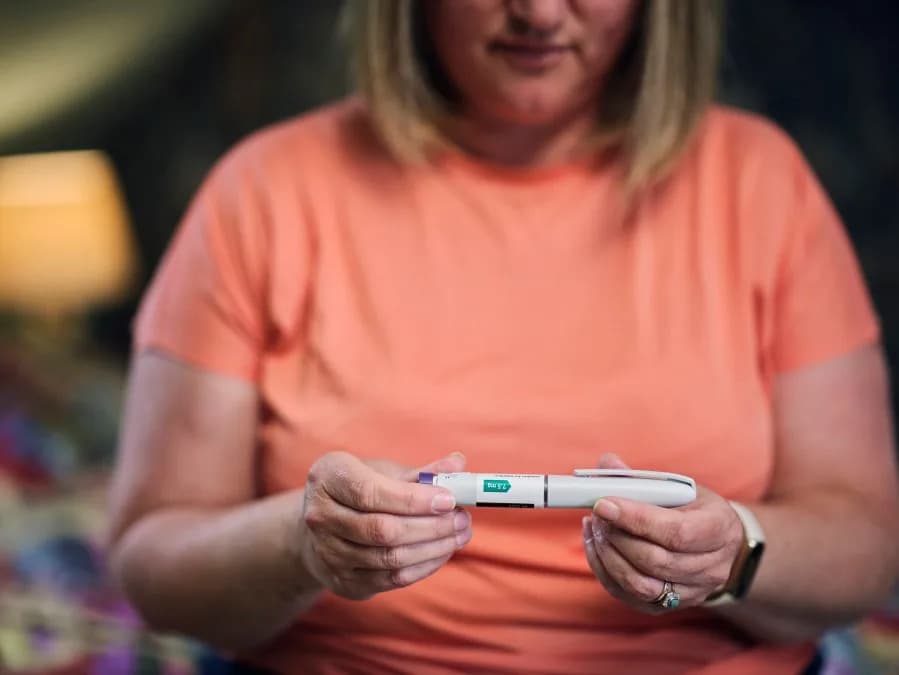
A new alternative weight loss jab to the GLP-1 drugs that have recently made waves may be able to help people with type 2 diabetes lose close to a fifth of their body weight. Jan Woitas/dpa
An investigational medicine, retatrutide, has demonstrated substantial, dose-dependent weight loss and improved glycaemic control in people with obesity and type 2 diabetes, according to results from the TRIUMPH-2 trial.
Overview of TRIUMPH-2
The global phase of TRIUMPH-2 enrolled more than 2,000 adults with a body mass index (BMI) greater than 27 and diagnosed type 2 diabetes across 92 sites in eight countries. The study compared retatrutide at several doses (4mg, 9mg and 12mg) with placebo over 80 weeks.
Key Efficacy Results
Results were dose dependent. After 80 weeks, mean body-weight reductions in the retatrutide groups were 11.9% (4mg), 16.8% (9mg) and 18.8% (12mg), compared with a 5.1% mean weight loss in the placebo group. At the highest 12mg dose, 47% of participants lost at least 20% of their baseline weight and 31% lost at least 25%. By contrast, 6% and 3% of placebo recipients reached those same thresholds, respectively.
Glycaemic control also improved markedly: 72% of participants taking retatrutide achieved an HbA1c of 6.5% or lower versus 29% in the placebo arm, reflecting both weight loss and direct effects on glucose regulation.
Safety And Adverse Events
The most commonly reported adverse events were gastrointestinal, chiefly diarrhoea and nausea. The trial reported seven deaths in total—two in the retatrutide 4mg group, three in the 9mg group, one in the 12mg group and one in the placebo group—which investigators judged to be unrelated to the study treatment. As with all early-phase findings, larger and longer studies are needed to better define long-term safety.
How Retatrutide Works
Retatrutide is a multi‑agonist that mimics three different hormones involved in appetite, glucose regulation and metabolism. This triple-hormone activity distinguishes it from most GLP‑1–class drugs, which generally target one or two hormonal pathways.
Petrelintide: An Alternative Investigational Agent
Separately, investigators presented data on petrelintide, a once‑weekly amylin analogue evaluated at 32 sites in the US, Poland and Romania in 485 participants. Reported results included mean reductions in body fat percentage of 8.7% at the lowest dose and 10.2% at the highest, with overall mean weight loss reported to exceed 10% at higher doses. Nausea was the most common side effect, but most participants were able to escalate to higher doses. Researchers suggested amylin‑based therapy may be an option for patients who cannot tolerate GLP‑1–based drugs.
What Researchers Say And Next Steps
Investigators noted that retatrutide "may advance the treatment of obesity and type 2 diabetes," producing large weight reductions alongside improved blood-sugar control and cardiometabolic markers. They emphasized that further research is required to confirm durability, long‑term safety and whether these benefits translate into reduced obesity‑related complications.
The TRIUMPH-2 findings were scheduled for presentation at the European Association for the Study of Diabetes (EASD) annual meeting in Milan and are to be submitted for publication in The Lancet.
Help us improve.