The U.S. has urged France and Germany to release emergency diesel reserves and warned it could enact a diesel export ban if they do not comply. Washington reportedly asked the EU to free about 120 million barrels of diesel over the next six months to help ease global fuel prices. European officials held talks to consider coordinated releases, and French President Emmanuel Macron plans a G7 video meeting to coordinate with the IEA. U.S. Energy Secretary Chris Wright cited disruptions to diesel exports from the Middle East and China as key pressures on supply.
US Demands France and Germany Release Diesel Reserves, Warns of Possible Export Ban
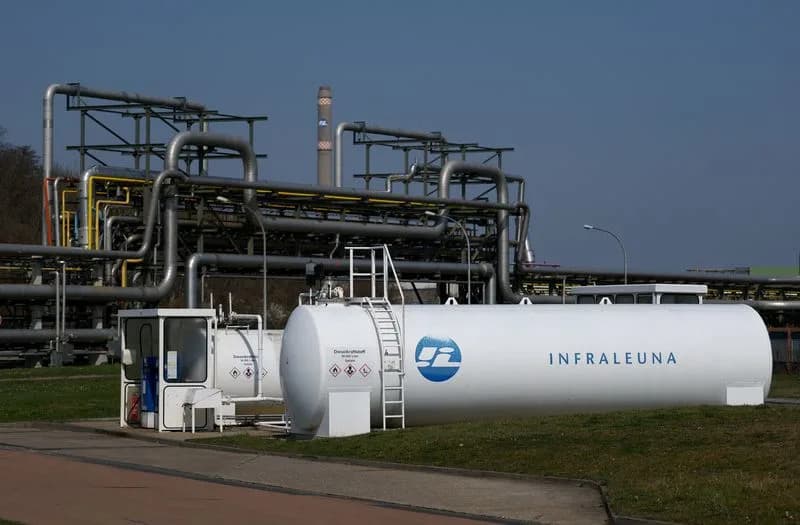
Fuel tanks with diesel are seen at the InfraLeuna industrial site, in Leuna, Germany April 2, 2025. REUTERS/Lisi Niesner/File Photo
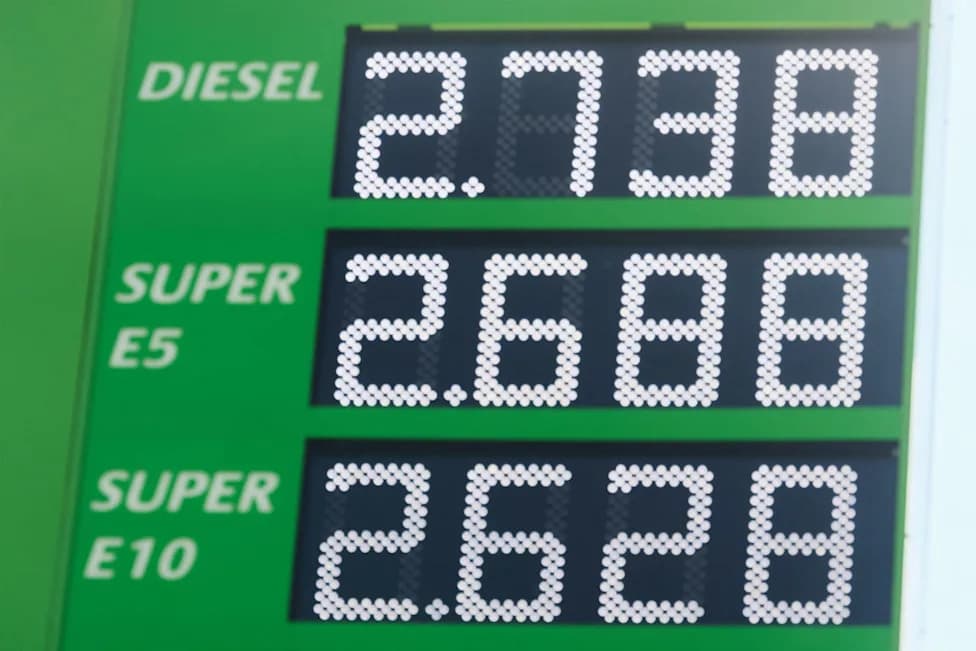
WASHINGTON/BRUSSELS/PARIS, Oct 1 (Reuters) — The U.S. administration has pressed France and Germany to draw down emergency diesel reserves to help ease global fuel prices, warning it could impose a U.S. diesel export ban if those stocks are not released, according to three people familiar with the discussions.
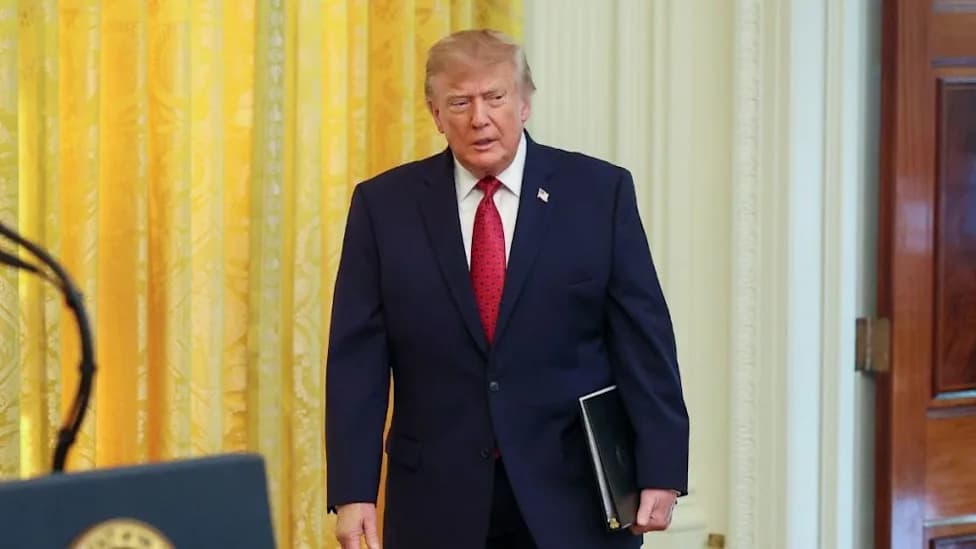
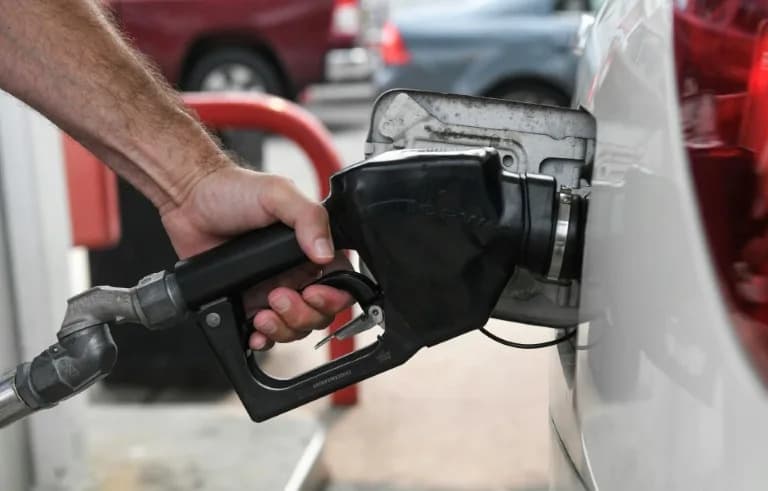
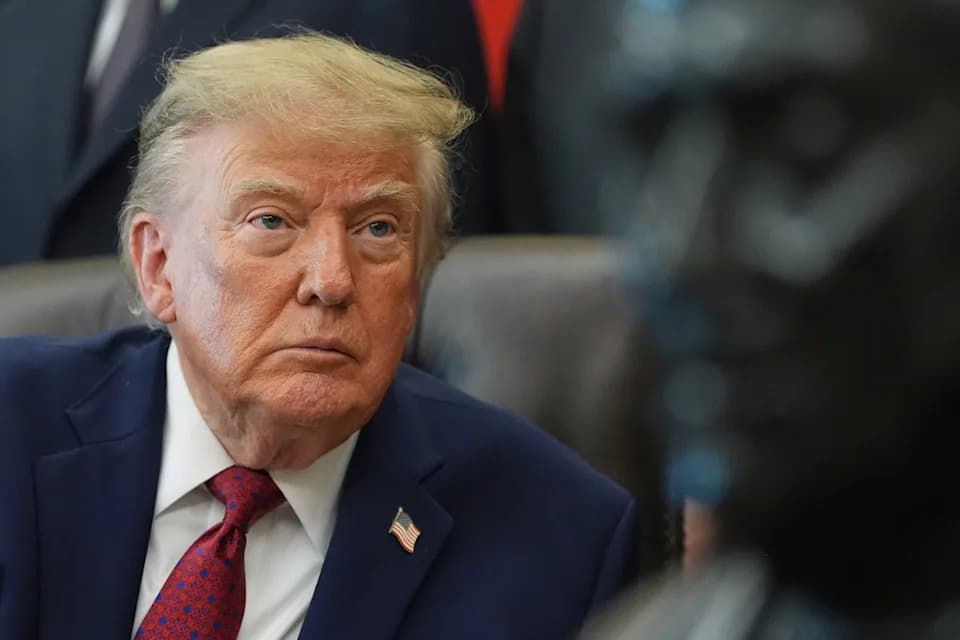
The move marks an escalation in pressure on European capitals as President Donald Trump weighs an export ban to lower U.S. pump prices ahead of November's midterm elections. U.S. officials say they are frustrated that some European countries have not fully implemented earlier commitments to free up emergency oil and refined-product stocks.
An EU official said the European Commission, Germany, France, Italy, Ireland and Britain held a call on Thursday to discuss whether coordinated releases of diesel stocks would be necessary to shore up global supplies.
"It is in Europe's best interest to work with the United States as we pursue multiple pathways to boost the supply of refined products and lower costs for consumers," one U.S. official told Reuters.
A second source based in a European capital said Washington had asked the EU to release about 120 million barrels of diesel over the next six months. U.S. Energy Secretary Chris Wright told reporters that announcements from Europe about additional diesel supplies were expected soon.
"We've lost some diesel exports from the Middle East, although we're restoring those, and we've lost diesel exports from China. So that's a lot of interruptions," Wright said.
Germany's economy ministry did not immediately respond to requests for comment, and France's energy ministry declined to comment. An Elysee Palace official said President Emmanuel Macron and President Trump did not discuss the issue when they met on the sidelines of the U.N. General Assembly in New York, but Macron plans to convene a G7 leaders' video conference to coordinate responses.
The Elysee official added that Macron will seek to coordinate any reserve releases with the International Energy Agency. Europe has grown more reliant on U.S. fuel supplies since banning Russian imports after Russia's invasion of Ukraine, and disruptions tied to tensions in the Middle East and changes in Chinese exports have also affected global diesel flows.
(Reporting by Jarrett Renshaw in Washington, Kate Abnett in Brussels and John Irish in Paris; additional reporting by Forrest Crellin, Michel Rose and Christian Kraemer; writing by Dmitry Zhdannikov; editing by David Goodman.)
Help us improve.