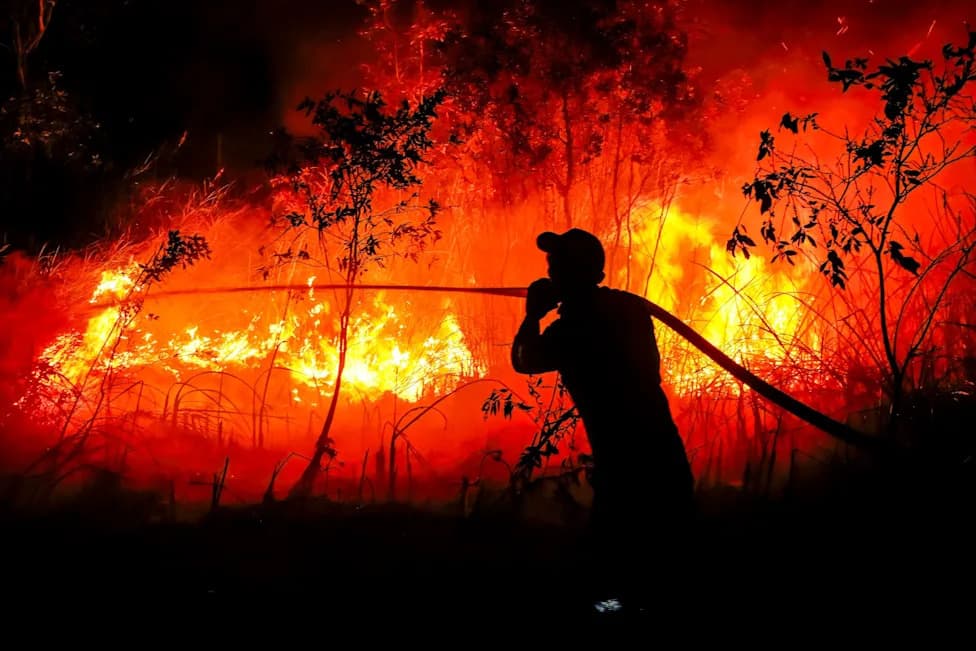
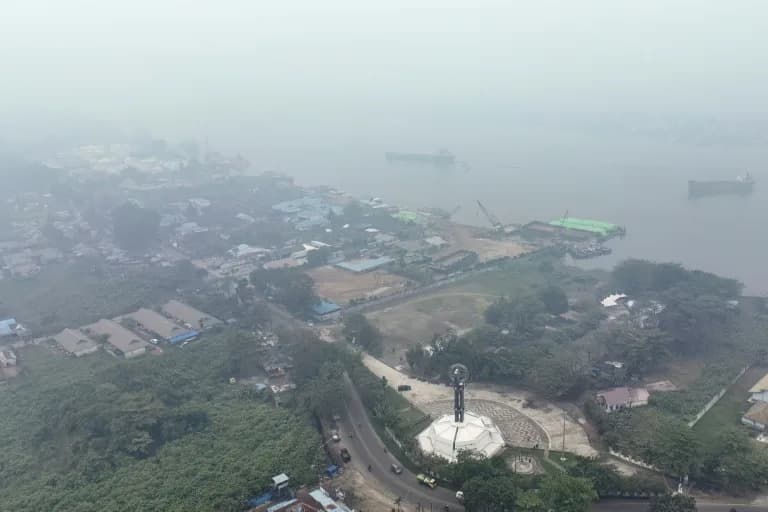
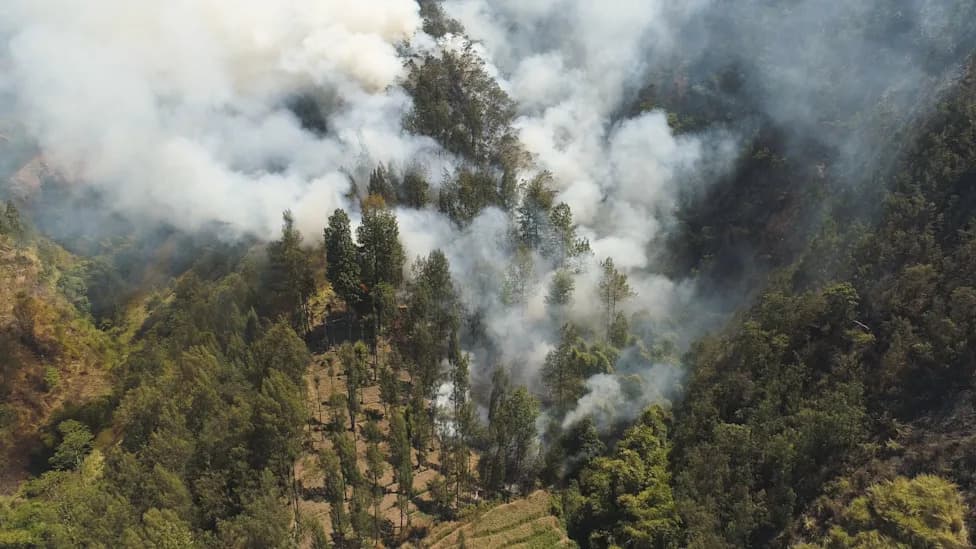
Indonesia's prolonged wildfires, worsened by a powerful "Godzilla" El Niño, have produced toxic haze and caused about 175,000 respiratory illnesses since August, including over 40,000 cases in toddlers. Independent monitoring reports roughly 734,000 hotspots and nearly 895,657 hectares burned since January. Tens of thousands of personnel and dozens of aircraft are deployed, while cloud-seeding, cross-border haze and legal challenges over alleged government negligence compound the crisis.
Haze Crisis: 175,000 Respiratory Cases as Indonesia Battles 'Godzilla' El Niño-Fueled Wildfires
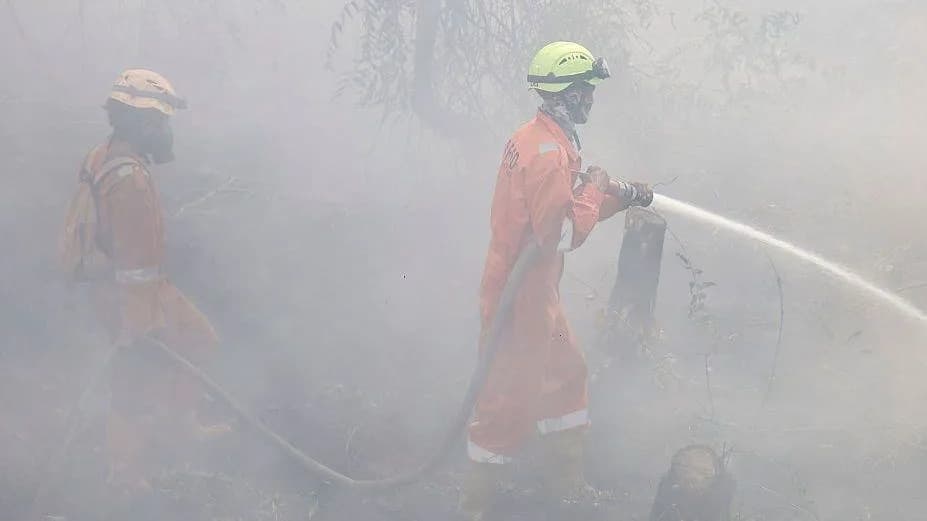
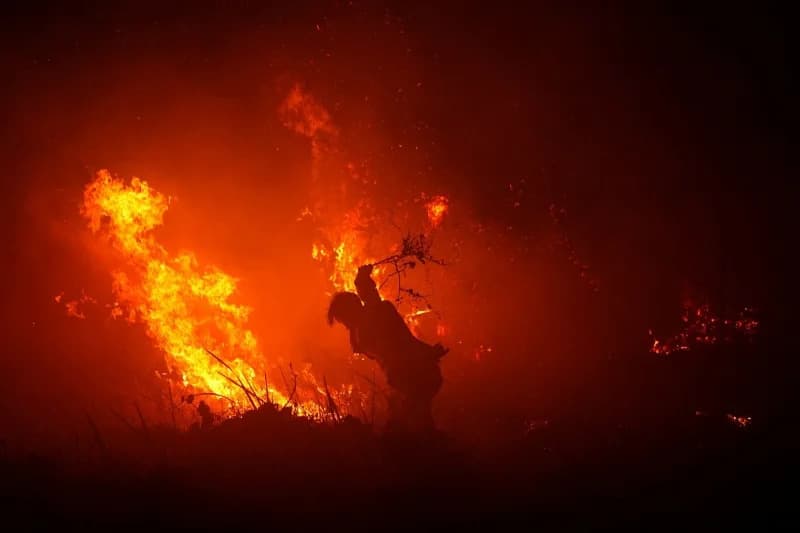
More than 40,000 cases – which range from mild coughs to pneumonia – involve toddlers [Getty Images]
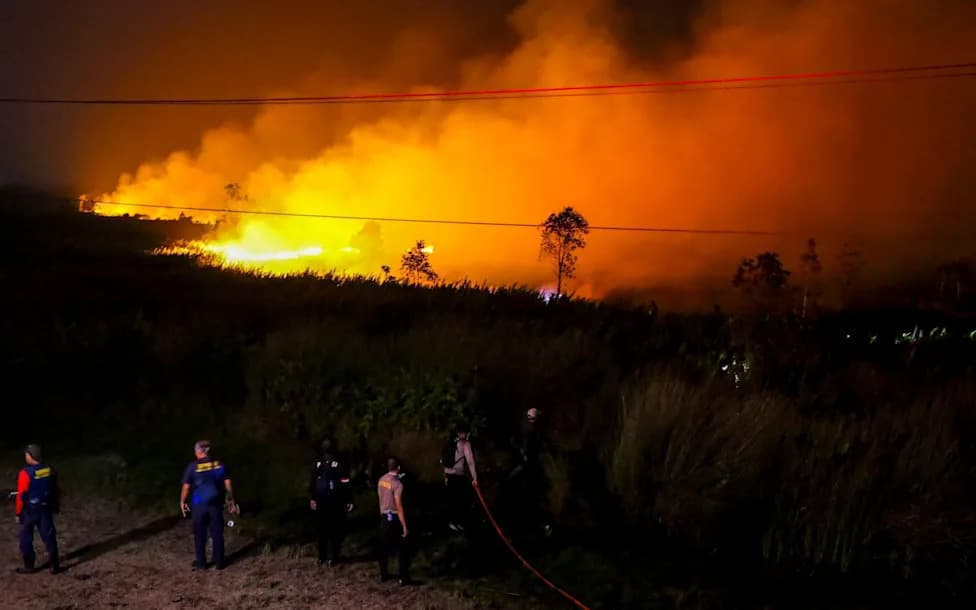
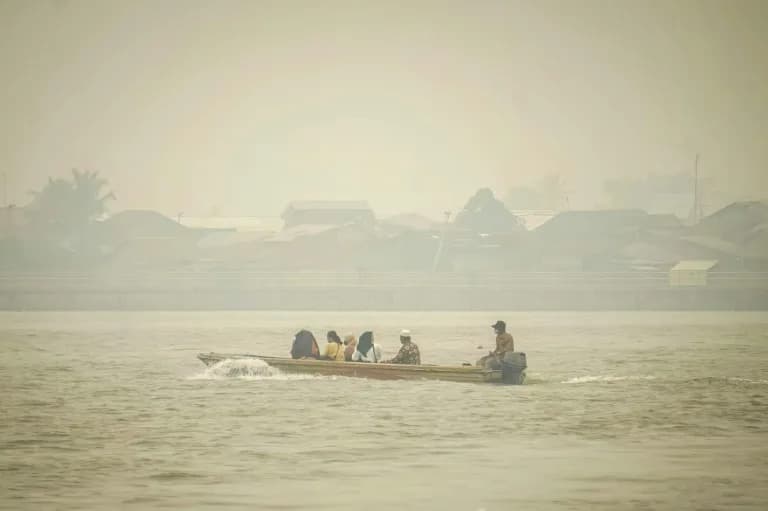
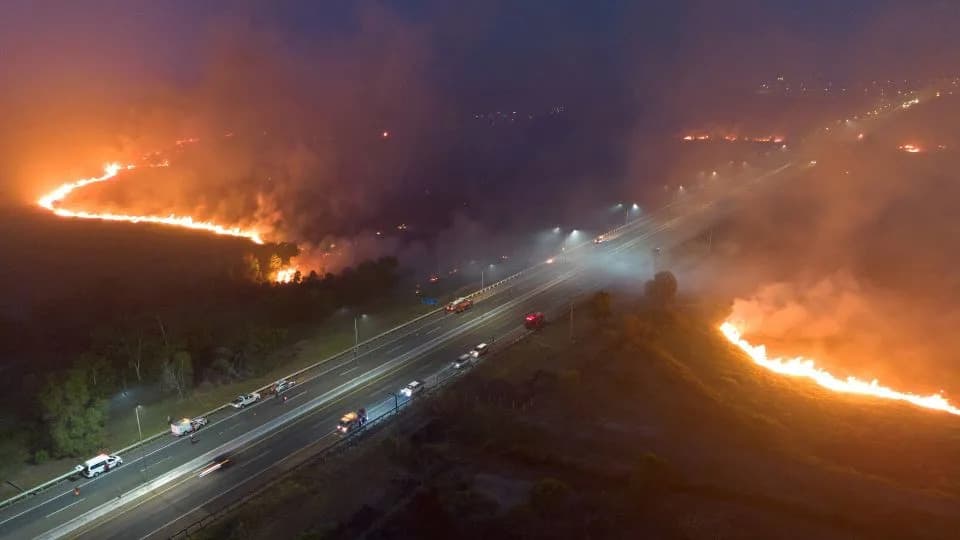
Indonesia is confronting weeks of intense wildfires that have produced widespread toxic haze and caused a surge in respiratory illness across the country and the region.
Scope of the Crisis
The health ministry reports roughly 175,000 respiratory cases since August, including more than 40,000 cases among toddlers. Symptoms range from simple coughs to bronchitis and life-threatening pneumonia. Independent monitoring platform Nusantara Atlas detected about 734,000 hotspots nationwide as of Wednesday, while authorities say at least 895,657 hectares — nearly six times the size of Greater London — have burned since January.
Health, Social and Economic Impacts
Hospitals have seen rising admissions related to smoke inhalation, and many schools have closed temporarily as authorities try to protect children. Official data show wildfire-related respiratory cases more than doubled from 50,891 on 1 September to 113,336 by 9 September, underscoring how rapidly the public-health burden has increased.
Response Efforts and Operational Challenges
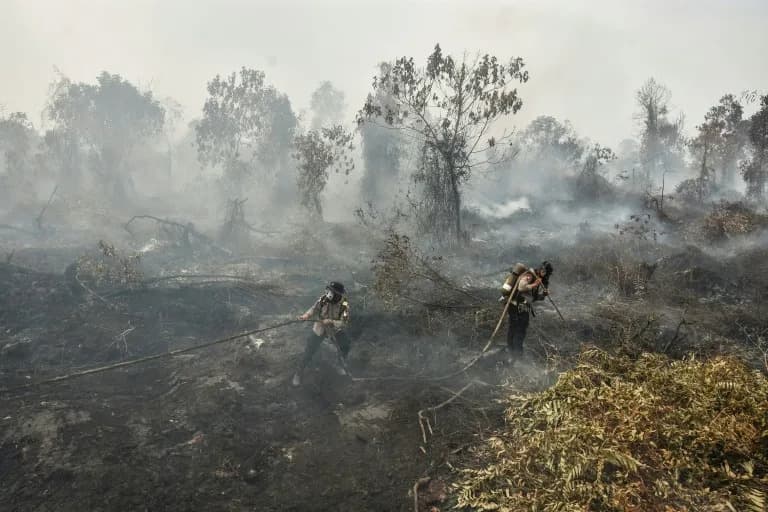
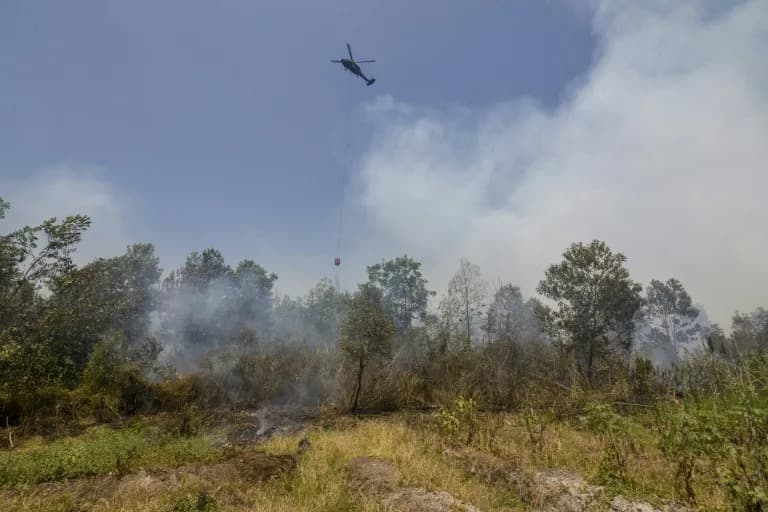
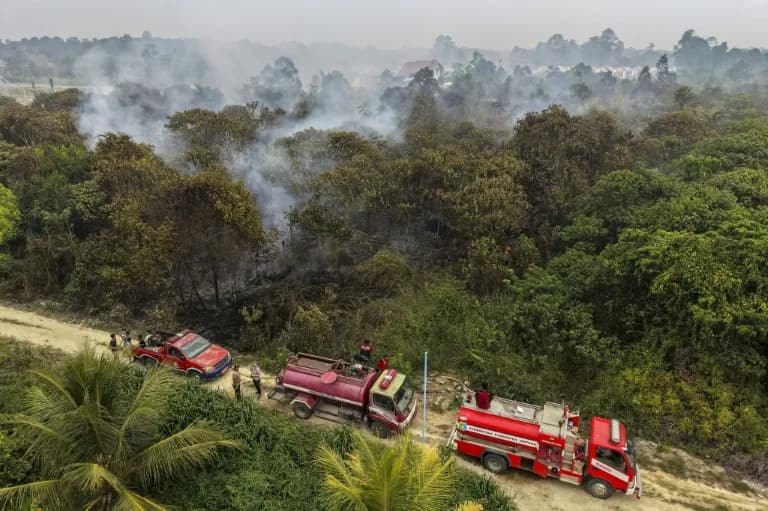
Jakarta has mobilized more than 54,000 personnel and deployed dozens of aircraft for water-bombing missions on Borneo and Sumatra. Authorities say difficult peatland terrain, the vast scale of the fires and exceptionally dry conditions driven by a so-called "Godzilla" El Niño are complicating suppression efforts.
"From the air to the ground, all forces continue to move," Cabinet Secretary Teddy Indra Wijaya said. "Everything is being done to extinguish the fires, reduce the impact of the smoke, and, most importantly, protect the public from the threat of forest and land fires."
Weather Interventions and International Support
Authorities have undertaken multiple cloud-seeding operations to try to induce rain, some in cooperation with members of Japan's Self-Defense Forces who recently assisted on Borneo. Meteorologists remain divided on cloud seeding's reliability, but some regional governments — including Sarawak in Malaysia — have used it both to clear haze and to raise hydropower dam levels ahead of a forecast hotter, drier October.
Environmental Toll and Legal Action
Wildlife has been severely impacted: conservation groups report smoke-related injuries and deaths among animals, including critically endangered orangutans. Footage circulated of an orangutan found collapsed on a palm-oil plantation in West Kalimantan; it received emergency treatment for hypoxia but later died.
Indigenous groups and civil-society organizations in West Kalimantan have filed a class-action suit accusing national and local authorities of negligence for failing to prevent recurring fires and predictable haze disasters.
Regional Spread
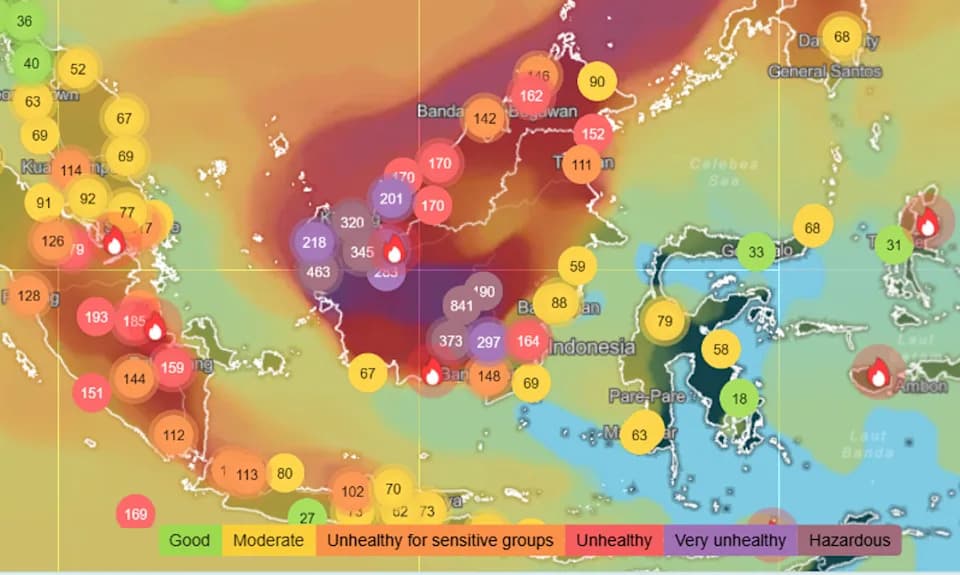
The toxic haze has crossed borders, degrading air quality in parts of Malaysia, Singapore and the Philippines. Singapore has issued daily haze advisories, and Philippine officials have urged residents to remain indoors where possible.
As firefighting and mitigation continue, authorities warn that risks could increase if dry, hot conditions persist. The humanitarian, environmental and economic consequences are expected to unfold for weeks unless sustained rainfall and effective suppression reduce the fires.
Help us improve.