Indonesia's health ministry says wildfire-related respiratory infections surged from 50,891 on Sept. 1 to 113,336 by Sept. 9 amid the country's worst fire season in 11 years driven by a "super-El Niño" drought. More than 12.5 million people across seven provinces have been exposed to haze. Relief efforts include nearly one million masks, hundreds of oxygen concentrators and thousands of medical workers, while international assistance—such as three CH-47 Chinook helicopters from Japan—supports firefighting operations.
Wildfire Smoke Doubles Respiratory Illnesses in Indonesia in a Week; 'Super-El Niño' Fuels Worst Season in 11 Years
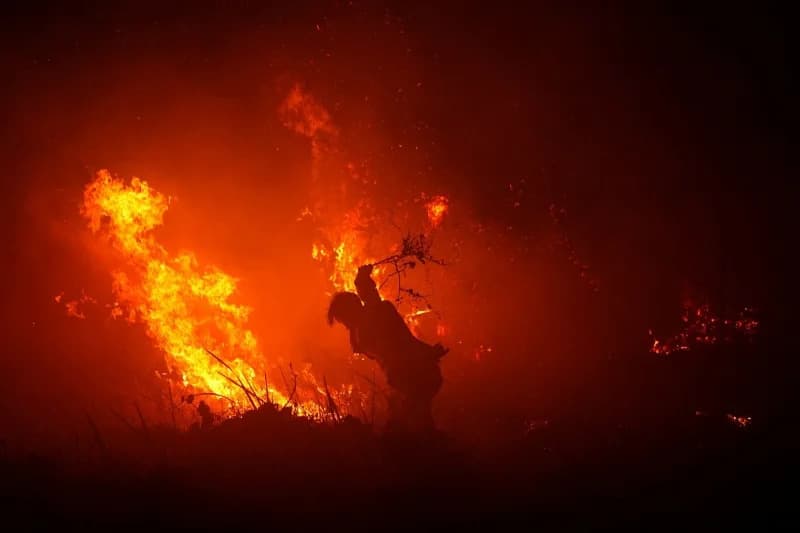
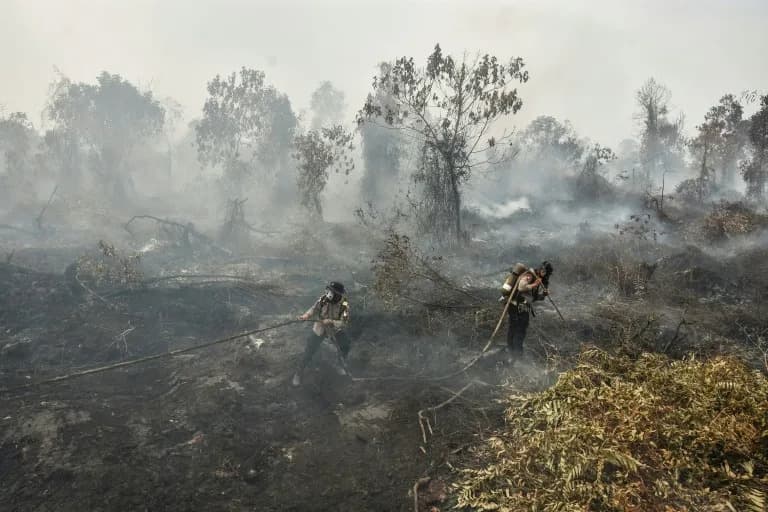
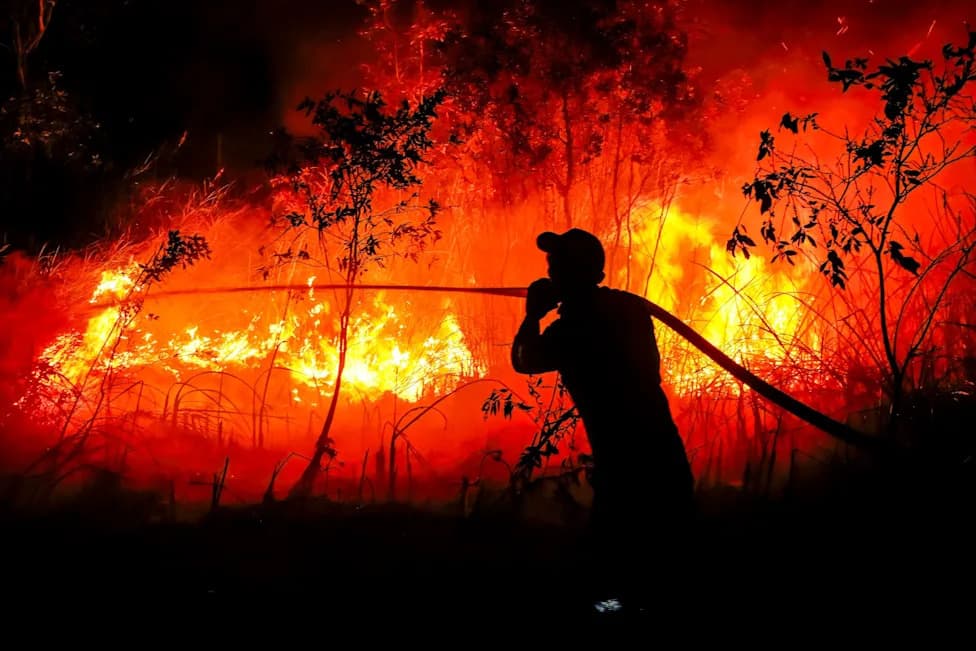
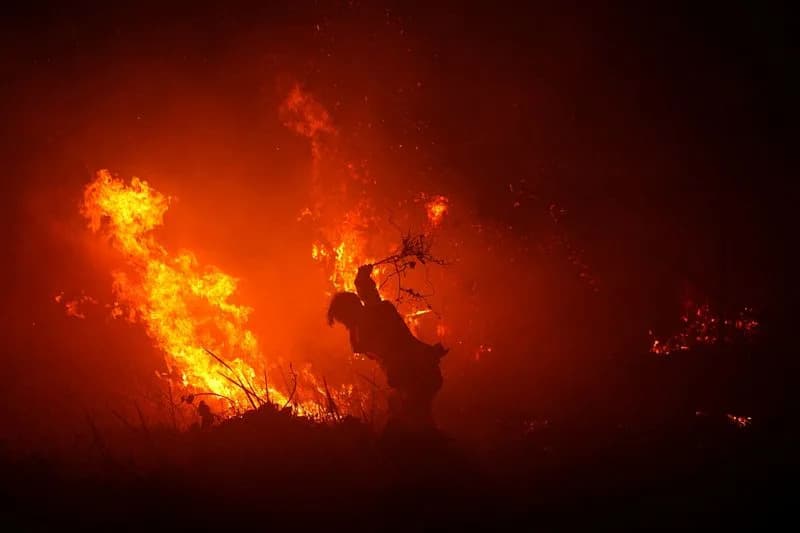
A firefighter uses a tree branch to try and douse the flames amid a wildfire in Palembang, South Sumatra province, Indonesia, September 8, 2026. REUTERS/Abriansyah Liberto
Indonesia's health ministry reported that respiratory infections linked to hazardous smoke from widespread wildfires more than doubled in just over a week, highlighting the severe public health impact of this year's blazes.
Widespread Fires, Dangerous Smoke
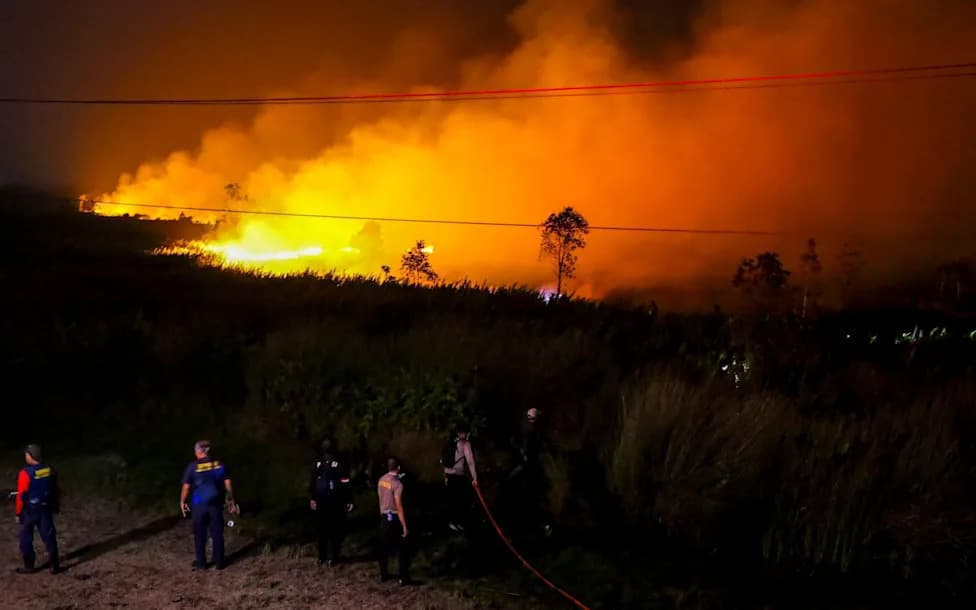
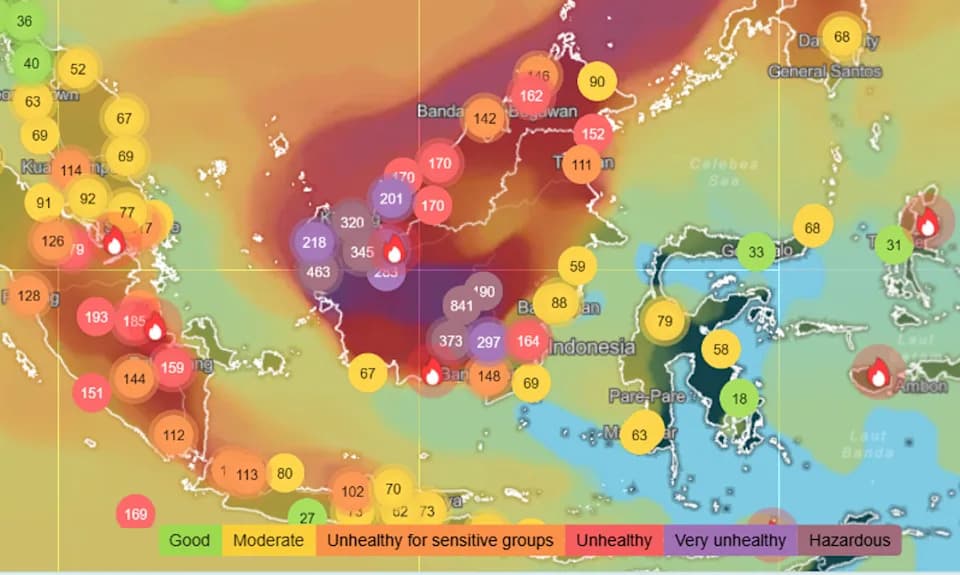
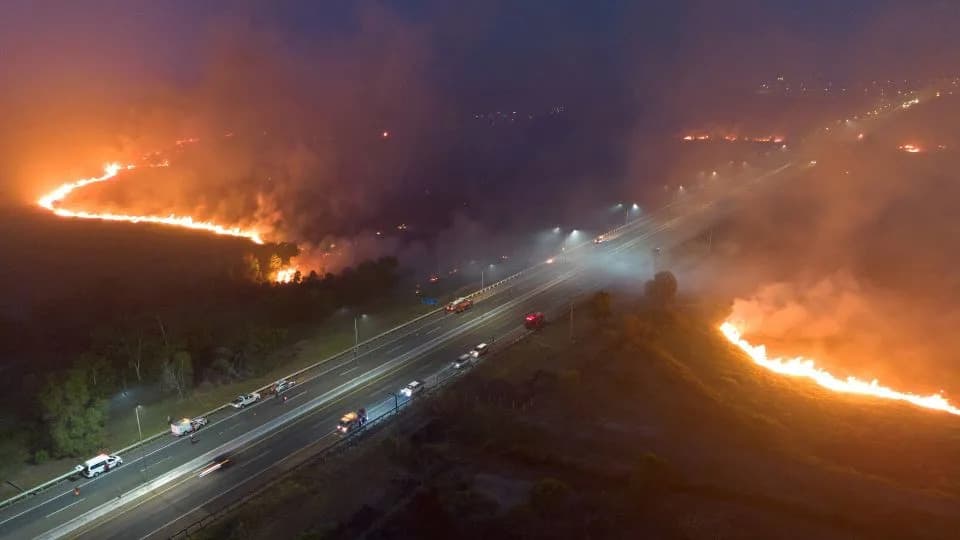
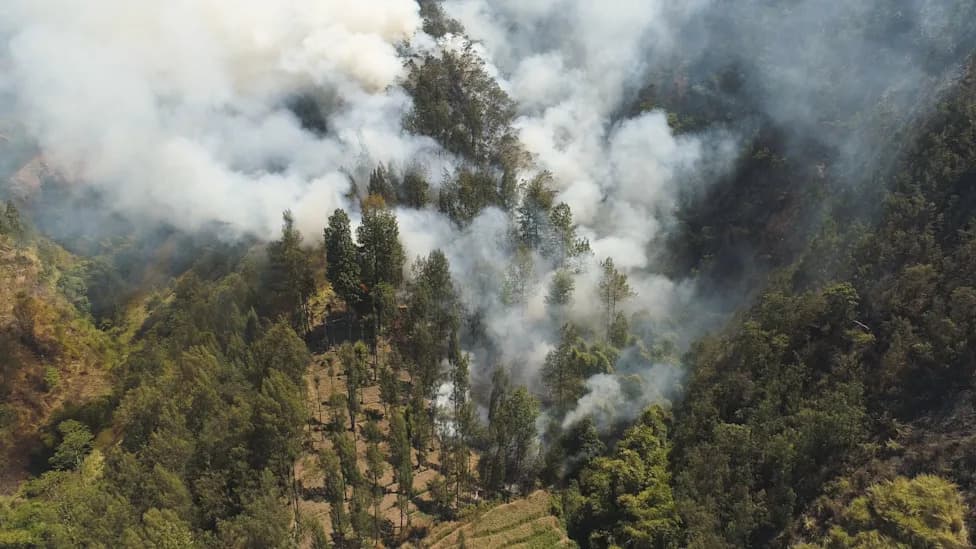
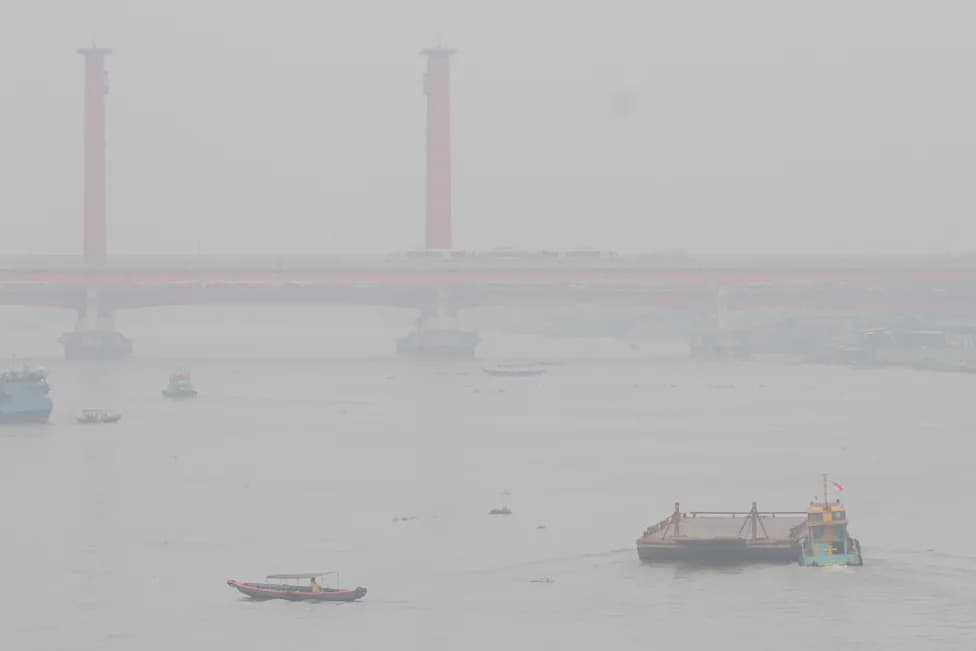
Fires continue to burn across extensive areas of forest and peatland throughout the archipelago, producing hazardous emissions concentrated in the hardest-hit provinces on the islands of Sumatra and Borneo. Authorities say the country's fire emissions now account for roughly one-third of the global total.
Public Health Toll
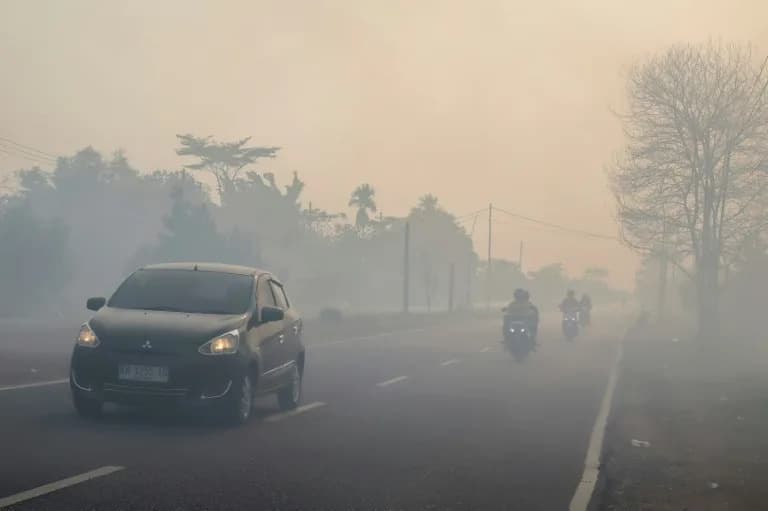
Health ministry spokesperson Widyawati said the number of people suffering respiratory illnesses related to the fires rose to 113,336 as of September 9, up from 50,891 on September 1. More than 12.5 million people across seven provinces have been exposed to haze from the fires.
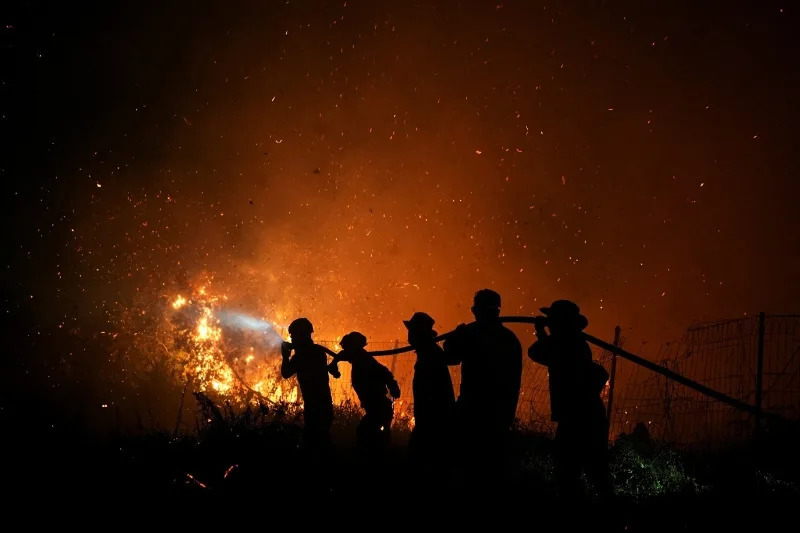
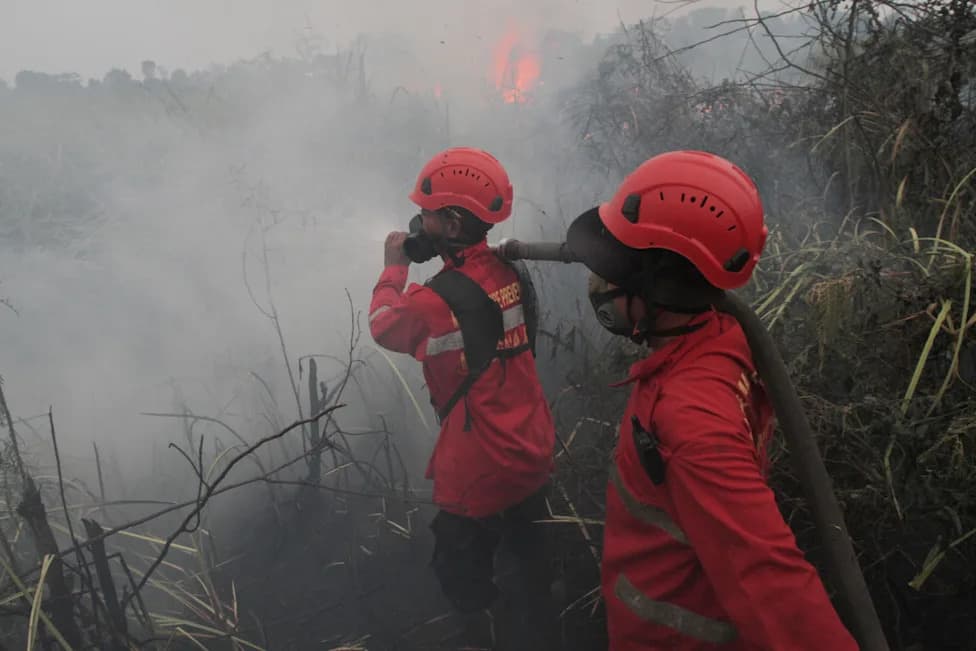
Firefighters spray water in an attempt to extinguish a wildfire in Palembang, South Sumatra province, Indonesia, September 8, 2026. REUTERS/Abriansyah Liberto
"The process of deploying additional medical personnel and various supplies is ongoing. We will continue to monitor which areas require more healthcare workers and dispatch them there," Widyawati said.
Relief Efforts and International Assistance
Nearly one million masks and several hundred oxygen concentrator units have been dispatched to affected areas, and thousands of medical workers have been deployed to help residents cope with the pollution. Singapore and Malaysia have also recorded unhealthy air quality levels due to transboundary haze.
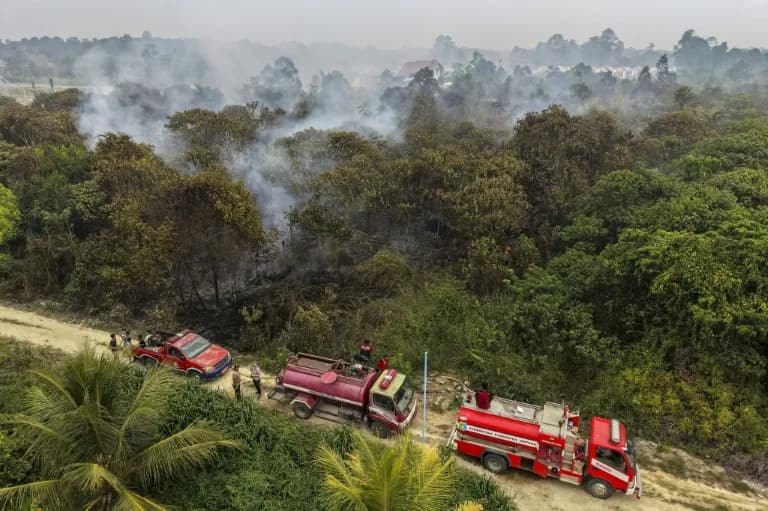
Japan has sent three CH-47 Chinook helicopters to assist Indonesia's water-bombing operations; the helicopters began trial flights and are expected to support firefighting efforts in West Kalimantan on Borneo. Malaysia has offered aerial firefighting assistance, and Jakarta is conducting inter-agency coordination to evaluate and deploy support where needed.
Scope of the Damage
Government data show that from January to July this year fires burned about 202,000 hectares. Environmental group YKAN estimates roughly an additional 600,000 hectares were damaged by fires in August, underscoring the scale and intensity of this season's blazes.
Officials and aid agencies continue to monitor air quality, health impacts and fire containment progress as authorities scale up both local and international responses to the crisis.
Help us improve.