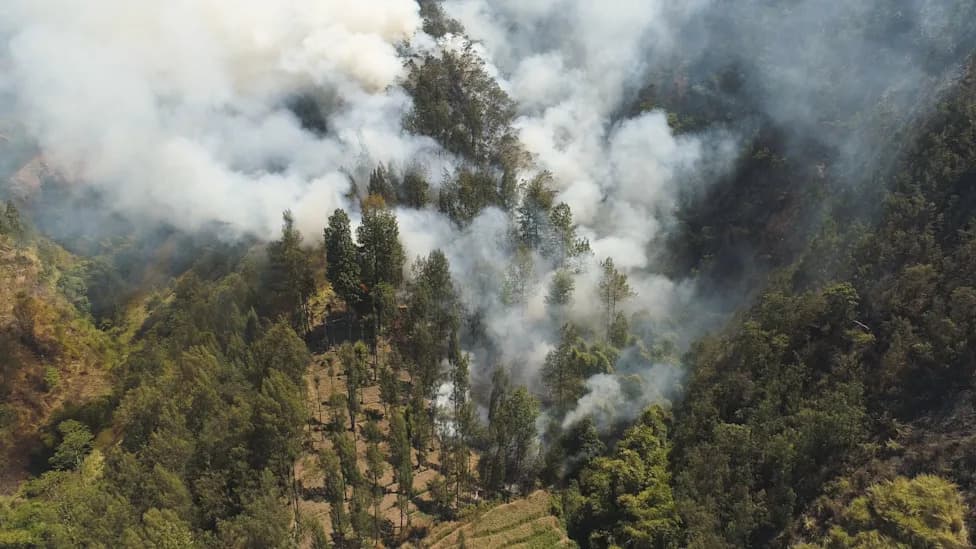
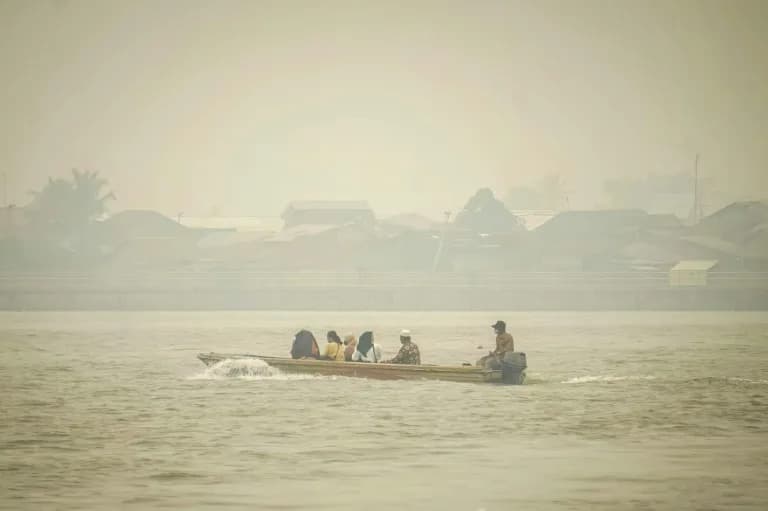
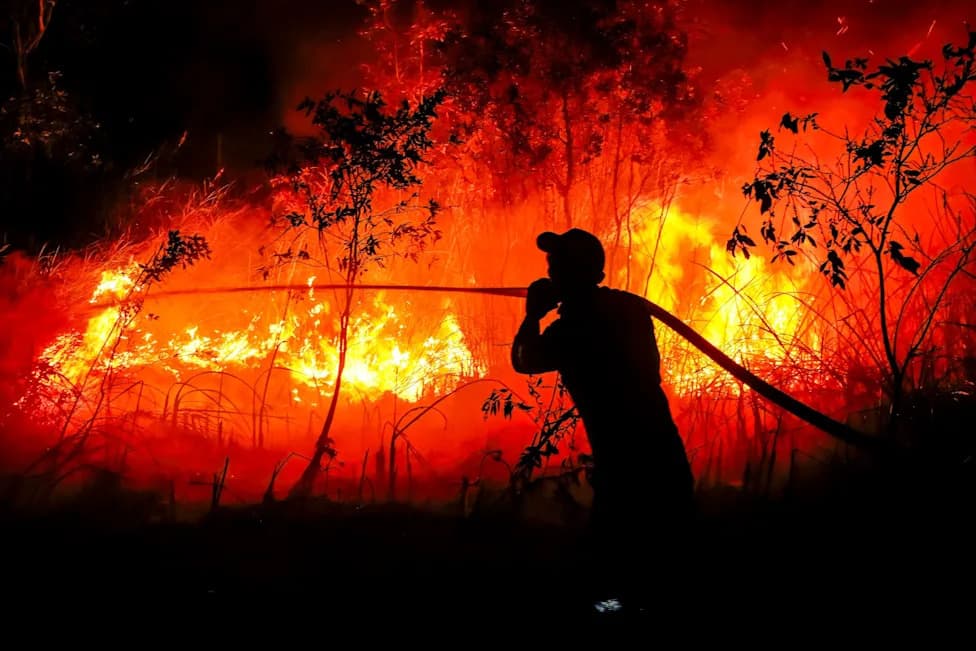
Indonesia has mobilised extensive resources but continues to struggle to contain widespread fires across Borneo and Sumatra. Deep-burning peat, dwindling water supplies and an unusually strong El Niño are intensifying this season’s blazes and producing hazardous haze that has spread to Malaysia and Singapore. Official and independent estimates of burned area differ markedly, from about 202,000 hectares to nearly 896,000 hectares when August is included. International assistance and legal challenges have followed as authorities warn containment will remain difficult.
Indonesia Mobilises 64 Aircraft and 54,000 Personnel — Peat Fires and Drought Keep Haze Raging
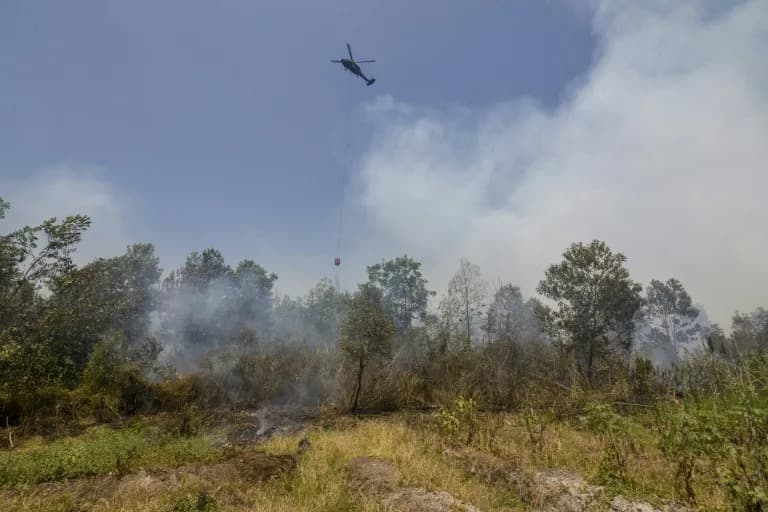
A helicopter drops water on burning forests and land in the Tegal Arum and Guntung Damar areas, Banjarbaru, in Indonesia's South Kalimantan province on September 19, 2026. (MUDA SAGALA)
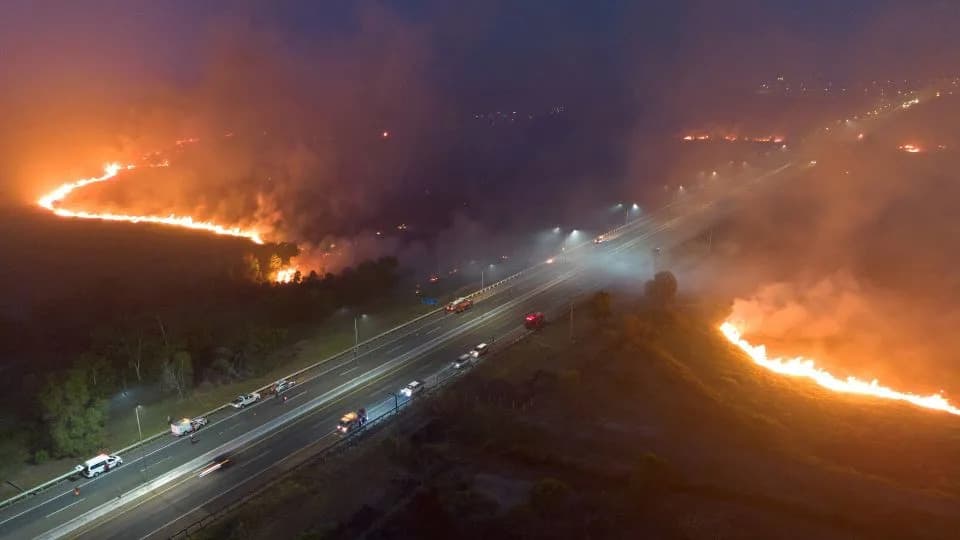
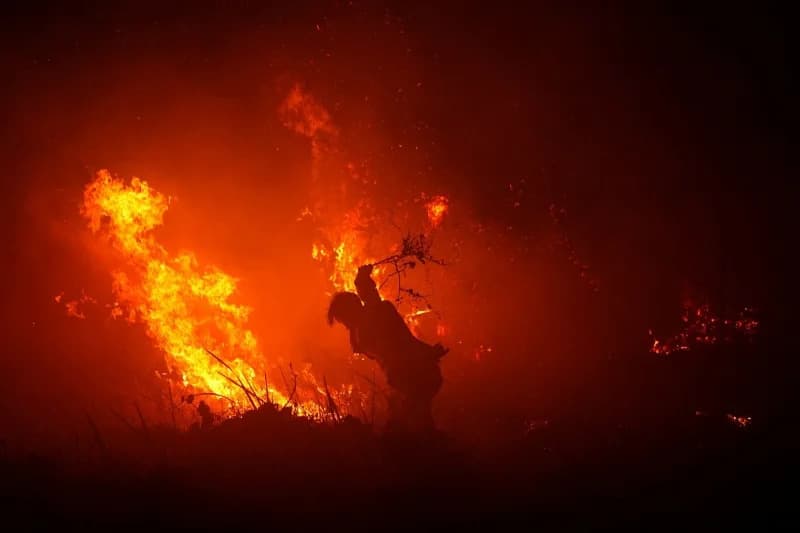
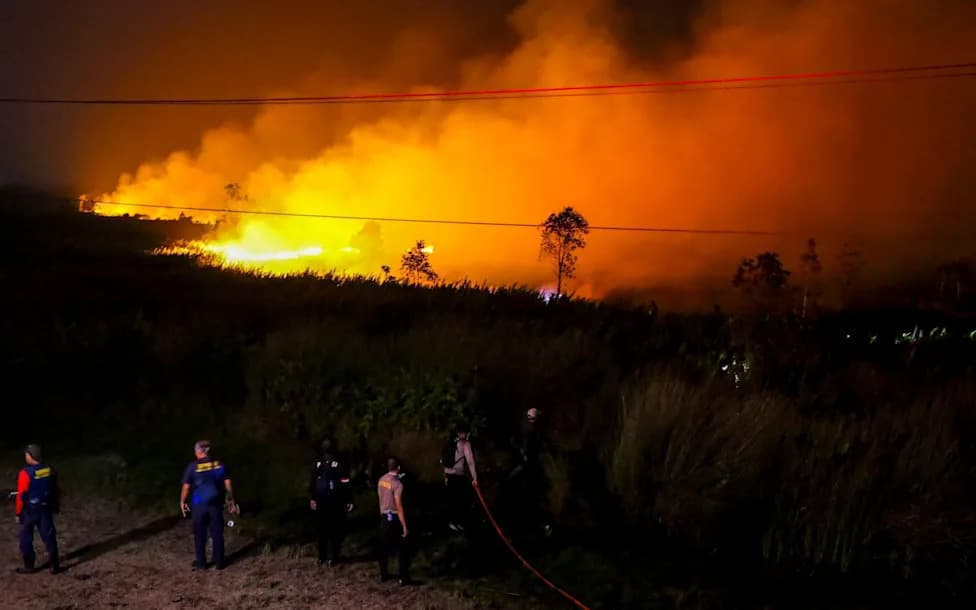
Indonesian authorities say they have mobilised dozens of aircraft and tens of thousands of personnel, but deep peat fires, scarce water and drought conditions continue to hamper suppression efforts across Borneo and Sumatra.
Escalating Response
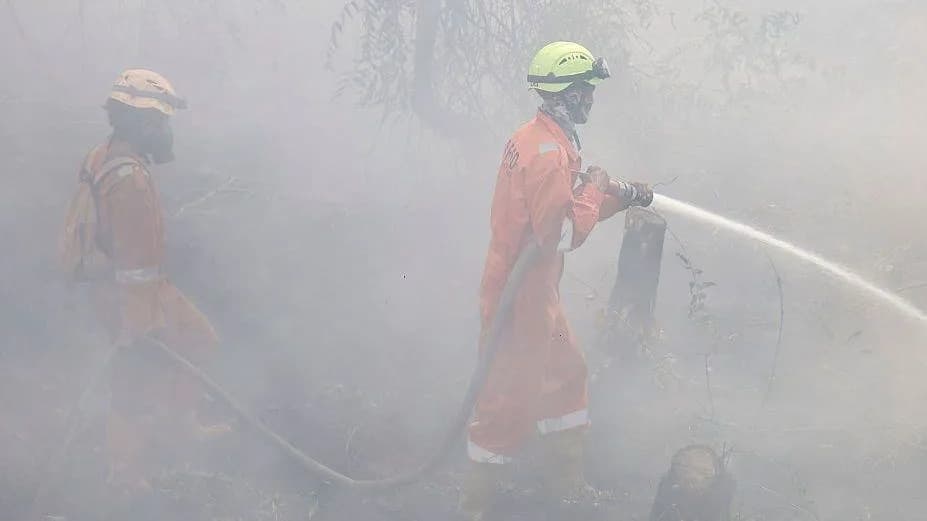
Cabinet Secretary Teddy Indra Wijaya said the government has deployed 64 aircraft and mobilised about 54,000 personnel since last month to fight fires on the islands using water-bombing and coordinated ground operations. Authorities say the response aims to extinguish fires, reduce smoke impacts and protect communities affected by the haze.
Operational Challenges
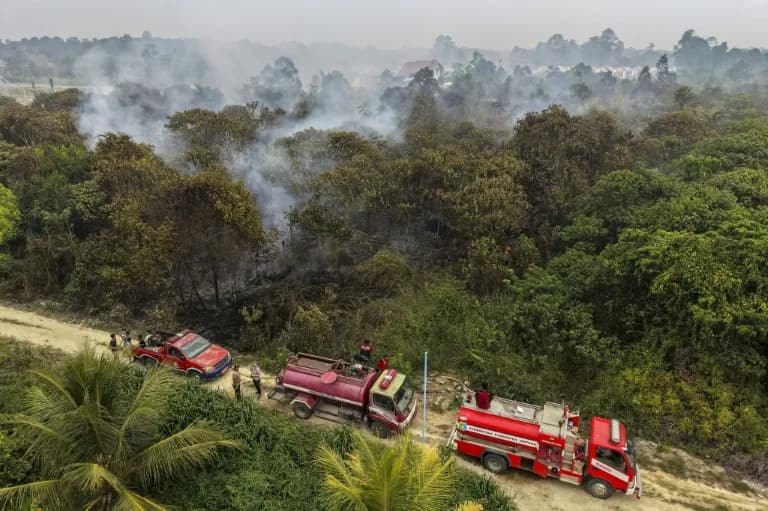
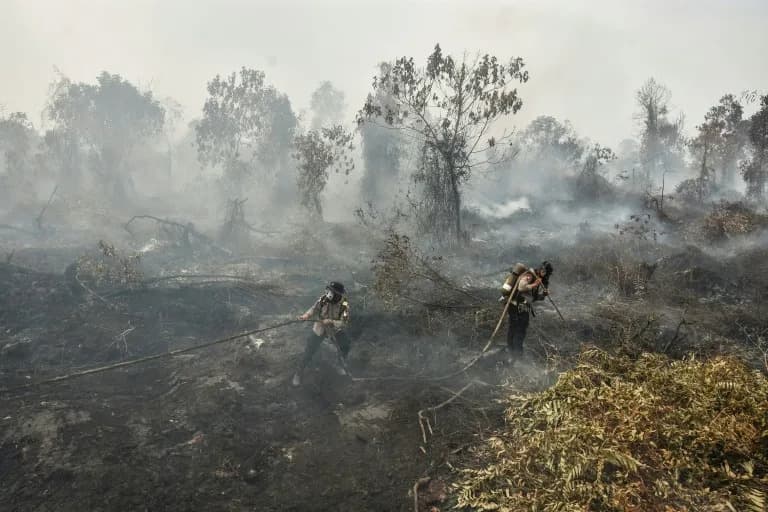
Officials emphasise that peatland conditions — where fires can burn underground at varying depths — make suppression far more difficult than surface blazes. Daniel Sinyor, spokesman for West Kalimantan's disaster mitigation agency, noted that many fires are smouldering inside peat soils and that water sources for ground crews have become limited or disappeared in affected areas.
"From the air to the ground, all forces continue to move. Everything is being done to extinguish the fires, reduce the impact of the smoke, and, most importantly, protect the public from the threat of forest and land fires," Cabinet Secretary Teddy Indra Wijaya said.
Legal, Regional And International Response
In West Kalimantan, Indigenous groups and civil society organisations have filed a class action lawsuit naming the national government, the president and the provincial governor, alleging failure to prevent recurring seasonal fires and the resulting haze. Around 350 personnel from Japan's Self-Defense Forces have arrived to assist firefighting efforts, and President Prabowo Subianto has indicated Indonesia is ready to accept help from neighbouring Malaysia.
Scale, Causes And Seasonal Context
Officials say more than 202,000 hectares burned across Indonesia between January and July. Independent monitoring by the Nusantara Atlas project put the January–July figure near 300,000 hectares and estimated the total area affected climbed to nearly 896,000 hectares when August was included. Authorities cite a likely strong El Niño — the strongest in about four decades, according to forecasts — together with climate change, decades of forest degradation and slash-and-burn land-clearing practices as drivers of this season's unusually intense fires.
Outlook
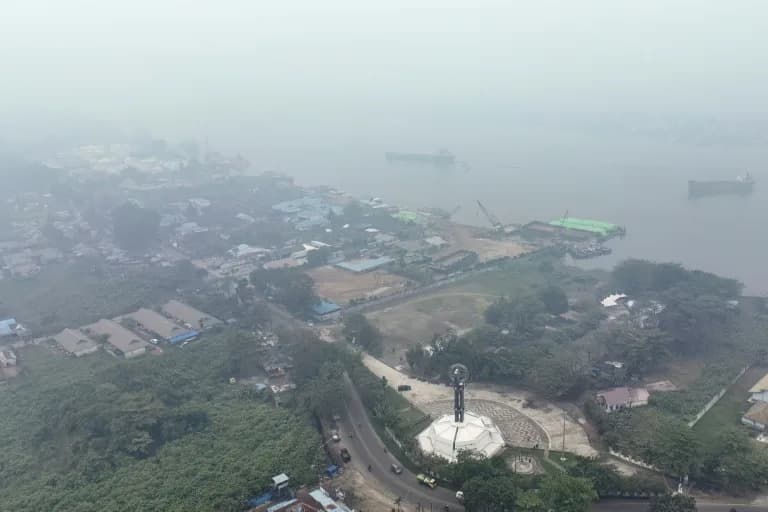
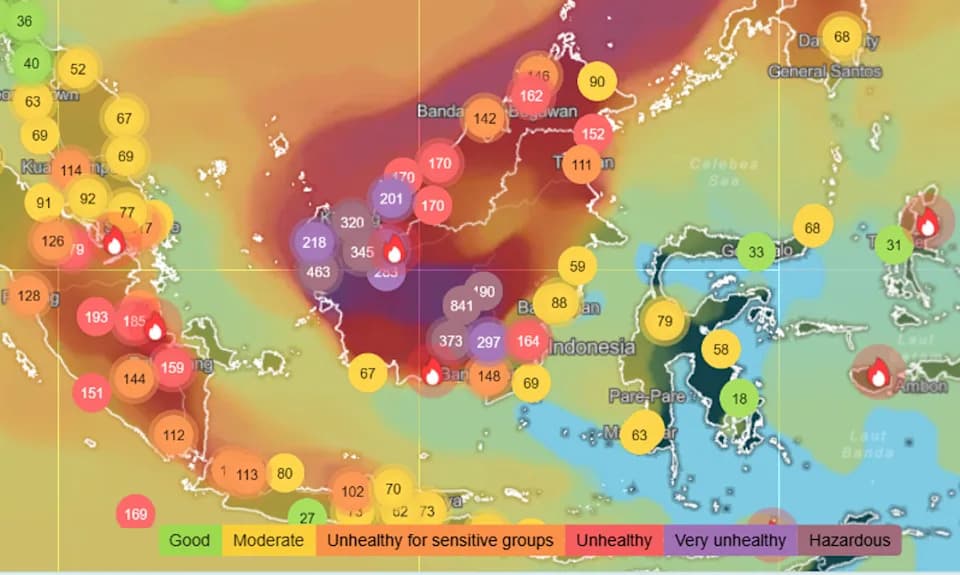
Officials warn that the combination of deep peat fires, degraded landscapes, reduced water availability and climate-driven drought will complicate containment and recovery in the weeks ahead. The transboundary haze continues to affect parts of Malaysia and Singapore, underscoring regional impacts and the need for coordinated responses.
Numbers at a glance: 64 aircraft deployed; ~54,000 personnel mobilised; 202,000+ ha burned (official Jan–Jul); Nusantara Atlas: ~300,000 ha Jan–Jul, ~896,000 ha including August; ~350 Japanese SDF personnel deployed.
Help us improve.