Sony Music and UMG have sued AI music startup Suno, alleging the company’s new v6 models still infringe copyrighted recordings despite some licensing deals. The labels claim Suno trained v6 using outputs and preference signals derived from earlier models that allegedly copied plaintiffs' recordings, potentially implicating at least 60,202 tracks and up to $9 billion in statutory damages. Suno denies the allegations, saying v6 used licensed content, community interactions and internal learnings; the dispute follows earlier litigation and a July 2026 security incident that exposed mass scraping of songs and lyrics.
Sony Music and UMG Sue Suno Over v6 AI Models, Claim Up to $9B in Damages
Mino Surkala/Shutterstock
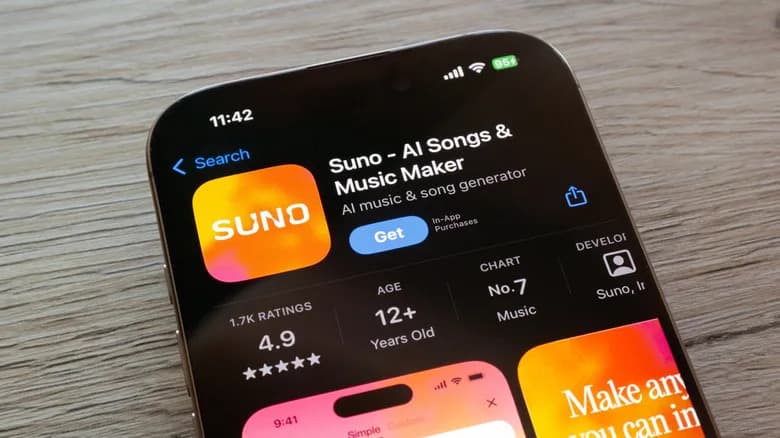
Sony Music Entertainment and Universal Music Group (UMG) have filed a lawsuit accusing AI music generator Suno of infringing their copyrights with the company’s recently released v6 models, according to published reports. The complaint challenges Suno’s public description of how the v6 models were trained — the first models Suno has released since signing licensing deals with Warner Music Group and BMG.
The Allegations
While Suno acknowledges it used licensed material to create the v6 lineup, Sony and UMG say the company also admitted the models were trained on "users’ 'interactions' with Suno's service." The labels interpret that language to mean Suno incorporated "the outputs of, and preference signals derived from, prior models that Suno built by copying Plaintiffs' recordings without authorization."
Under that interpretation, the plaintiffs allege Suno could be liable for infringing at least 60,202 sound recordings, exposure that could translate into as much as $9 billion in statutory damages under U.S. copyright law. The suit also alleges Suno bypassed YouTube’s anti-downloading protections to scrape songs, which could add penalties of up to $2,500 for each circumvention, according to Music Business Worldwide.
Suno’s Response
"These claims remain fundamentally flawed on both the facts and the law," Suno told Engadget in response, adding that the company exists to broaden access to music creation.
Suno reiterated that v6 was trained on content licensed from partners and on community signals. The company said it launched v6 in partnership with WMG, BMG and Believe, and described the model as built from partner-licensed material, user interactions (including creations and preference signals), and the team’s accumulated learnings.
Background And Context
The new suit builds on earlier litigation by Sony, UMG and WMG and follows a July 2026 security incident that exposed Suno data suggesting the company had scraped millions of songs and lyrics from platforms such as YouTube Music, Deezer and Genius to train earlier models. Suno has previously argued large-scale scraping for model development can fall under the fair use doctrine.
When Suno released v6 it also deprecated older models — a move that suggested the company believed products trained on licensed material might reduce legal exposure. However, if a court accepts the labels’ reading of how Suno incorporated prior outputs and preference signals into training, licensing deals alone may not shield Suno from liability.
Potential Consequences And Next Steps
If the court sides with Sony and UMG, Suno could face very large statutory damages and additional penalties tied to alleged circumvention of anti-download protections. The case will likely examine technical training details, the provenance of training data, and whether any prior scraping or use of model outputs constitutes unauthorized copying.
Both sides are positioned for a legal battle that could set important precedents for how AI music models are trained and where the line lies between licensed training data, user contributions, and copyrighted material.
Help us improve.