Hayden Leigh, a forensic science PhD researcher at Staffordshire University, is analysing hair from a roughly 120-year-old taxidermy brown bear called Boris at the Museum of Chelmsford. Using microscopy of cuticles, cortex and medulla alongside DNA testing, his work seeks to develop cost-effective methods to improve animal-hair identification in wildlife crime cases. The preserved specimen provides an ethical and accessible reference, and the project highlights the scientific value of historic museum collections.
How Boris the Museum Bear’s 120-Year-Old Fur Is Helping Solve Wildlife Crime
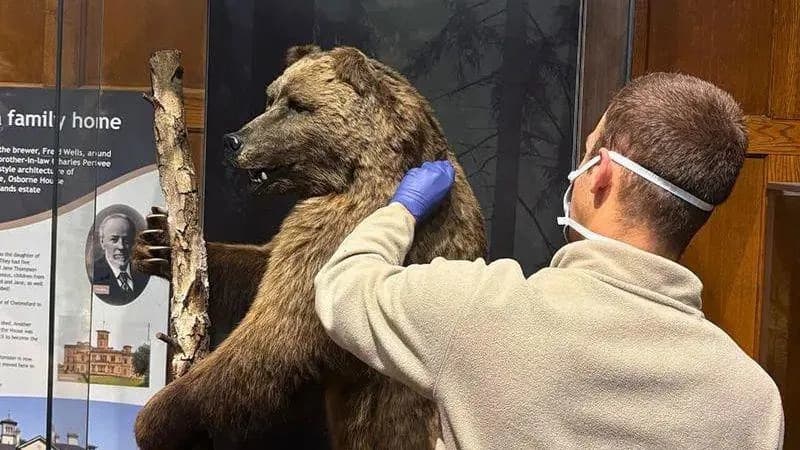
Hayden Leigh, a forensic science graduate at the University of Staffordshire, has been studying the hair of Boris the bear [BBC]
A forensic researcher is analysing hair from a roughly 120-year-old taxidermy brown bear, affectionately known as Boris, to develop new tools for tackling poaching and wildlife trafficking. The mounted specimen is a long-running attraction at the Museum of Chelmsford and is being used as an accessible, ethical reference for forensic study.
Research Aims and Methods
Hayden Leigh, a forensic science PhD researcher at Staffordshire University, has taken small samples of Boris's fur to investigate whether microscopic and structural features of hair can improve animal-hair identification in criminal investigations. Leigh combines detailed microscopy of the hair cuticle, cortex and medulla with DNA analysis to build a more complete profile of hair variation.
Why A Museum Specimen?
Boris was donated to the museum in 1932 as part of a larger taxidermy collection from a local game hunter; the bear itself is estimated to be about 120 years old. Using preserved specimens gives researchers access to authentic hair in a controlled, ethical way without disturbing living animals. Leigh says museum collections are often more readily available than samples from live or wild animals and can provide valuable comparative reference material.
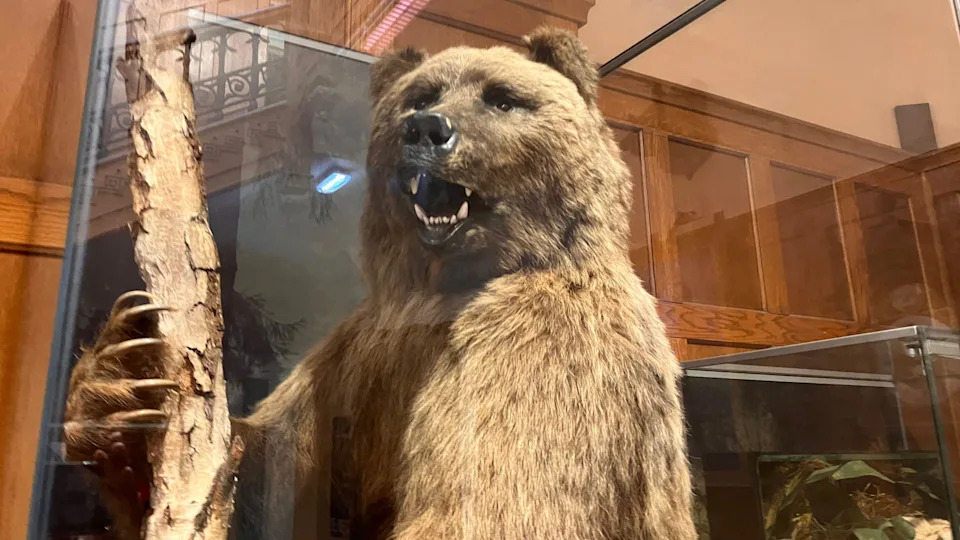
Boris the bear is a popular exhibit at the Museum of Chelmsford in Essex [BBC]
Practical Impact
The goal of the project is to refine cost-effective and reliable methods that can complement or, in some contexts, provide alternatives to DNA testing in wildlife crime cases. Improved microscopy-based protocols could help forensic teams more quickly and affordably link hair evidence to species or populations, strengthening efforts to detect and deter illegal hunting and trafficking.
"There are hundreds of forensic studies on domestic animal hair, but far fewer that focus on wildlife. Museum specimens can help broaden the tools available for wildlife crime investigations," Leigh said.
Before the Museum of Chelmsford agreed to assist, Leigh contacted about 30 zoos and museums seeking samples and support. Councillor Jennie Lardge, cabinet member for culture and leisure at Chelmsford City Council, acknowledged taxidermy can be controversial but welcomed the research, saying it highlights the scientific value of historic collections.
Broader Relevance
Leigh notes that the brown bear populations relevant to his comparative work are mainly found in parts of Eastern Europe and Russia, and that improved forensic approaches could aid conservation and law enforcement efforts across these regions. By combining structural hair assessment with DNA where appropriate, the study aims to make wildlife forensic work more accessible, ethical and effective.
Help us improve.