UNHCR warns nearly 8.3 million refugees and displaced people could lose access to vital assistance after agency funding fell from $5.2bn in 2024 to $3.9bn in 2025. By the end of July UNHCR had received just $2.7bn of the $8.5bn it needs for 2025, leaving core protection services at risk. Country impacts include registration delays affecting 319,000 people in Chad, child protection coverage dropping by up to 85% in parts of Ethiopia, and thousands in Sudan at risk of losing support for survivors of sexual violence. The agency also cut almost 5,000 jobs in 2025 and urged donors to restore funding to avoid system collapse.
UNHCR Warns 8.3 Million Refugees May Lose Aid as Funding Plummets
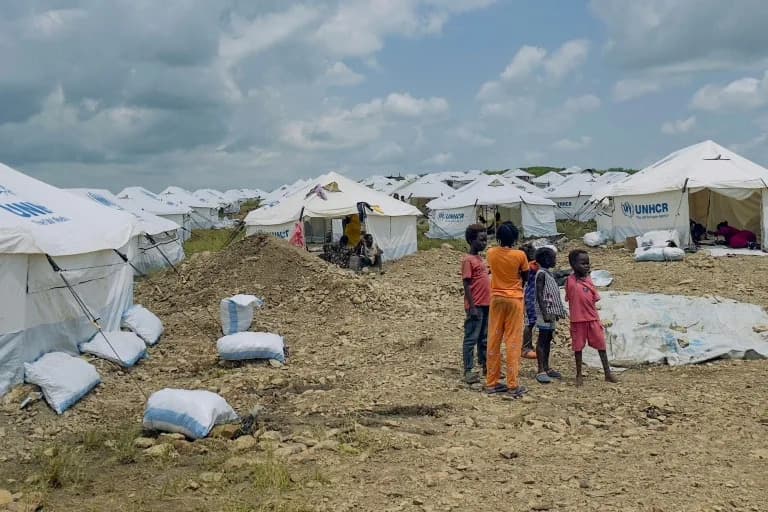
Displaced UNHCR says millions of refugees risk losing vital assistance due to budget cuts (-)
The UN refugee agency, UNHCR, warned that nearly 8.3 million refugees and other forcibly displaced people face losing critical assistance after a sharp reduction in funding undermined protection services.
In a detailed report on the human cost of the budget shortfall, UNHCR said its available funding fell from $5.2 billion in 2024 to $3.9 billion in 2025 while the number of people it must protect remains historically high. The agency had sought $8.5 billion for 2025 but had received only $2.7 billion, or 32 percent of that target, by the end of July.
Worsening Impact on Protection Services
UNHCR warned that the funding gap is eroding its capacity to protect refugees, internally displaced people (IDPs) and stateless persons. The agency has implemented reforms and prioritisation measures to preserve its most essential work, but the scale and persistence of the shortfall means even highest-priority activities are now being affected.
Protection cannot be reduced indefinitely without systems collapsing, UNHCR external relations chief Dominique Hyde said. Below a certain threshold, services do not simply reach fewer people; they can stop functioning altogether, leaving those most at risk without the protection they need.
Country-Level Consequences
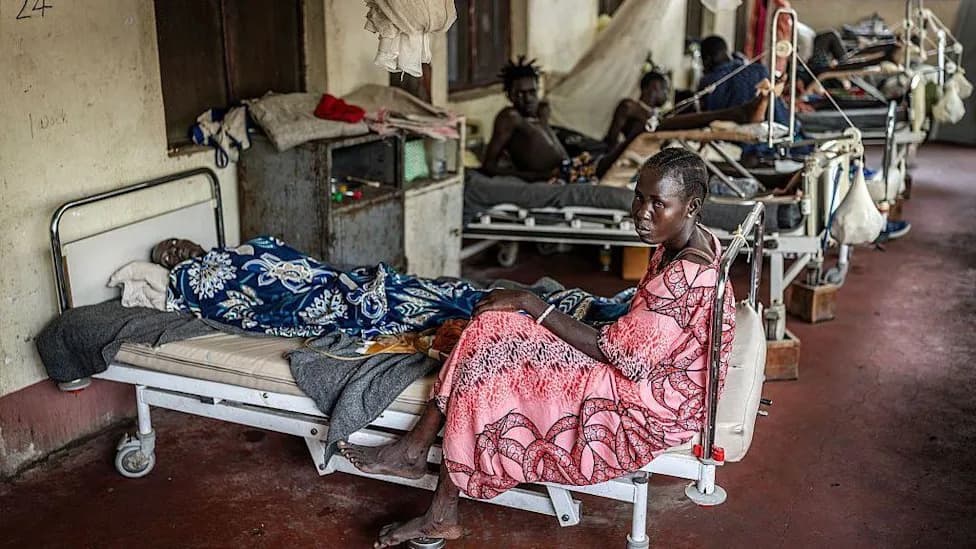
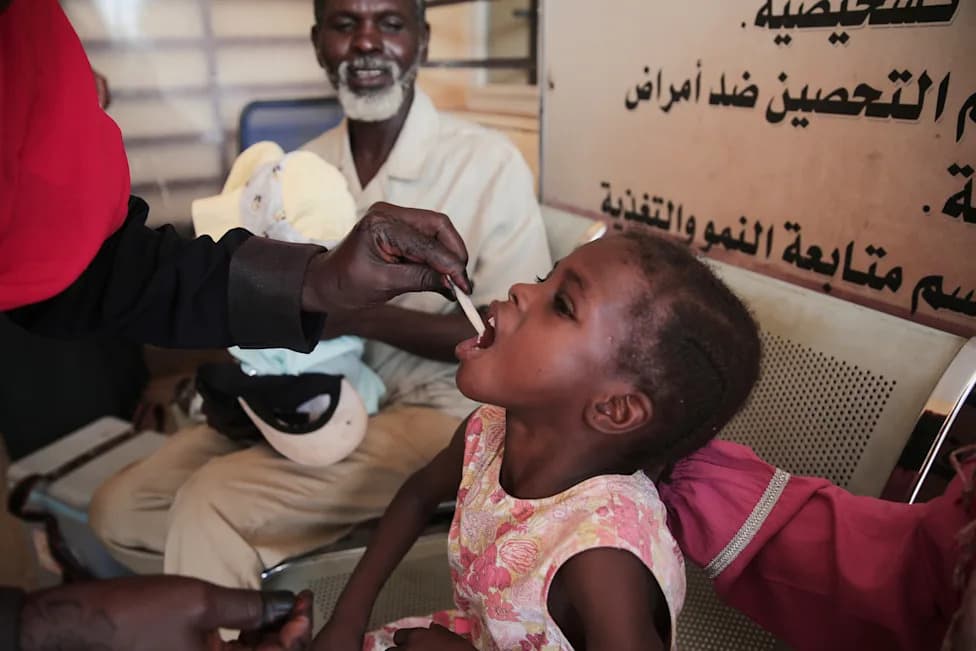
The report highlights severe national and local impacts. In Chad, 319,000 refugees face registration delays that leave them without documentation needed to access services, and roughly 233,000 children could lose child protection programmes. In Ethiopia, child protection coverage in some areas has fallen by as much as 85 percent. In Sudan, tens of thousands of survivors of sexual violence and children at serious risk may lose access to essential protection services.
In Iraq, the agency says up to 350,000 refugees and asylum seekers could lose access to economic inclusion programs that help them work and support themselves. In Syria, 162,500 vulnerable IDPs and returned refugees risk not receiving initial financial assistance unless urgent funding arrives, reducing their ability to rebuild.
Staff Cuts and Broader Context
UNHCR reduced staff numbers by nearly 5,000 jobs in 2025 — more than a quarter of its workforce — as it adapts to the funding squeeze. Global displacement remains exceptionally high: UNHCR reported about 117.8 million people were forcibly displaced worldwide at the end of 2025, down from a 2024 record of 123.2 million. Of those, 35.6 million were refugees under UNHCR's mandate, with two-thirds coming from Venezuela, Ukraine, Syria, Afghanistan and Sudan.
The Geneva-based agency noted that cuts are not only limiting emergency aid but also undermining efforts to help displaced people move away from long-term dependence on assistance. UNHCR called on donors to restore predictable funding to prevent protection systems from failing and to keep essential services functioning for those most at risk.
Help us improve.