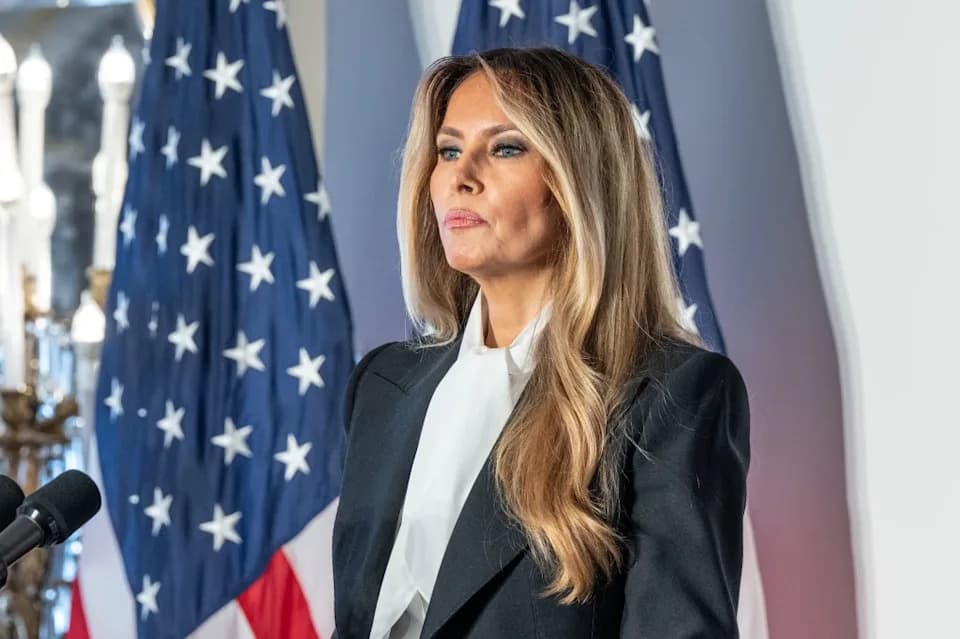
Natalie Harp, a close White House aide known for constant praise of President Trump, is being linked to his abrupt ban on CNN, POLITICO and MSNBC after reports that she showed him critical broadcast clips. The directive surprised senior staff and prompted a partial boycott by major networks in the White House press pool. The episode highlights how personal dynamics and an appetite for flattery can affect presidential decision-making and press access. The White House has promoted an in-house livestream called "Trump TV," but restoring mainstream coverage may be in both parties' interests.
Natalie Harp Isn’t A Joke — How An Aide May Have Sparked Trump’s Media Ban

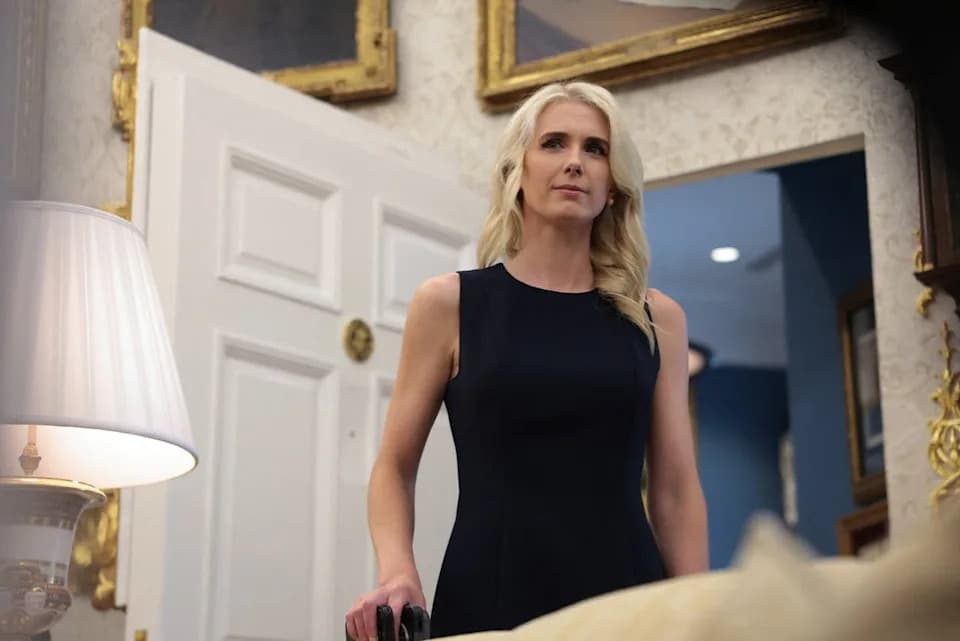
Natalie Harp, executive assistant to President Donald Trump, smiles as she arrives for an official welcoming ceremony inside the grounds of Aras an Uachtarain on Sept. 12, 2026, in Dublin, Ireland. Artur Widak/NurPhoto via Getty Images
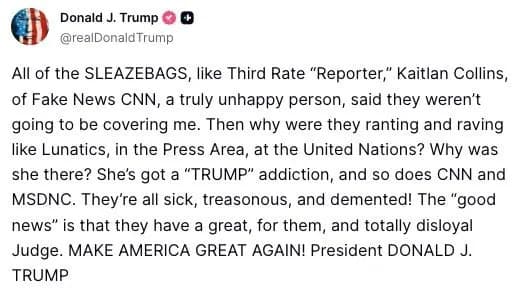
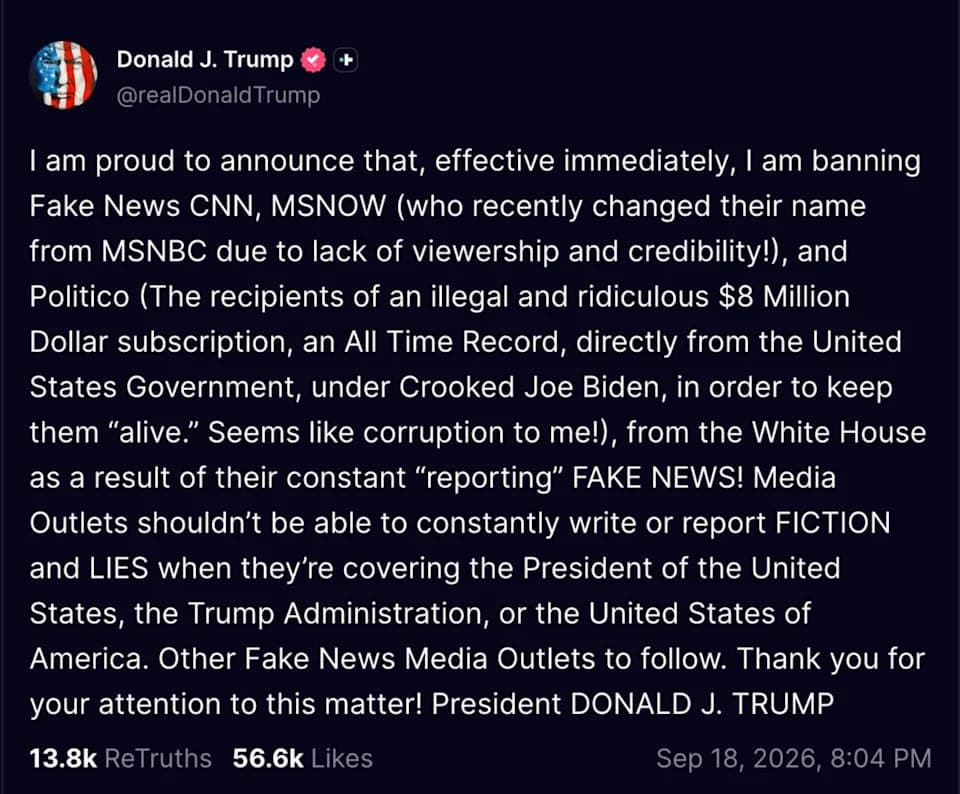
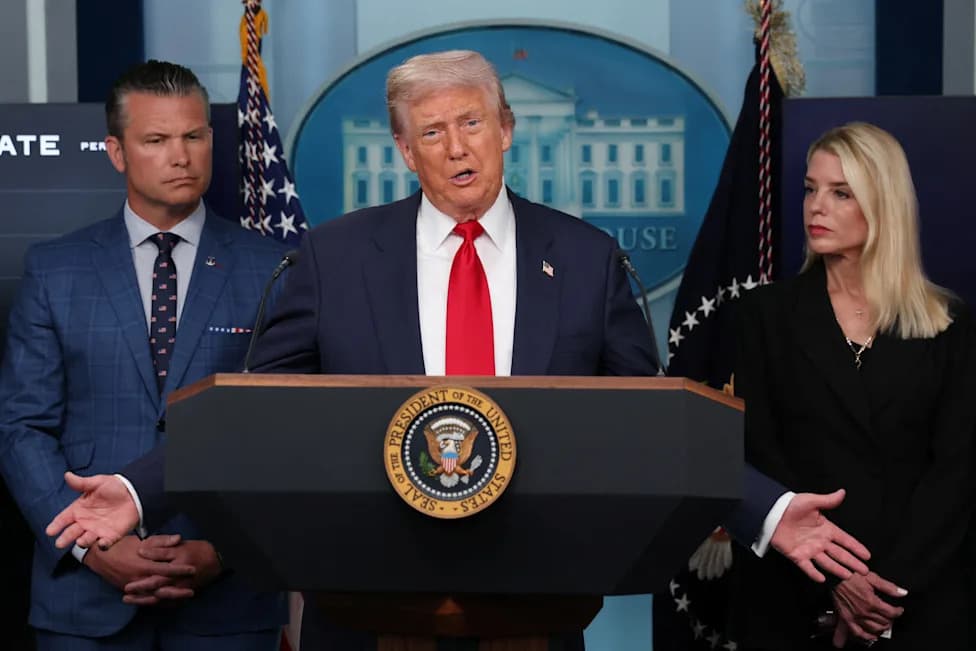
Blame Natalie Harp. On Friday, reports say President Donald Trump abruptly barred CNN, POLITICO and MSNBC from White House access after another denunciation of what he calls "fake news." POLITICO reported that senior staff were caught off guard by the directive, which arrived while Chief of Staff Susie Wiles was out of town.
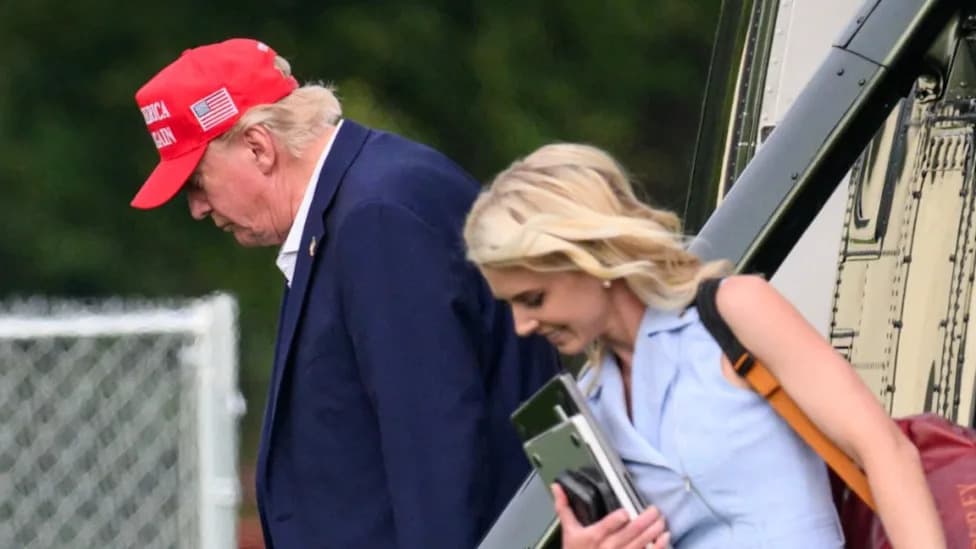
When asked to explain, the president offered only, "You get sick of it." Subsequent reporting in The Wall Street Journal and CNN identified a possible catalyst: Natalie Harp, an aide who frequently accompanies Mr. Trump and is known for lavishing praise and compiling supportive coverage for him. According to those accounts, Harp showed the president clips of cable segments critical of his administration — reportedly from MSNBC, CNN and POLITICO — which appeared to enrage him and precipitate the ban.
Who Is Natalie Harp?
Harp has become a visible presence at the president’s side. Reporters describe her as both a constant flatterer and a collector of praise from the president’s supporters. She has written to Mr. Trump, "I never want to bring you anything but joy," and New York Times reporter Maggie Haberman described her as the president’s "human binky." Attention around Harp intensified after a remark by Sen. Jon Ossoff that Mr. Trump would "rather travel with Natalie" on Air Force One than attend to his duties, which prompted a sharp White House response and more public scrutiny.
From Personal Dynamics To Institutional Consequences
Whether Harp intentionally provoked the president or acted without foreseeing the consequences, the episode has broader implications. The reported sequence — an aide presenting critical clips, followed by an impulsive punitive move against major news organizations — illustrates how personal dynamics inside the White House can translate into actions that affect press access and public information.
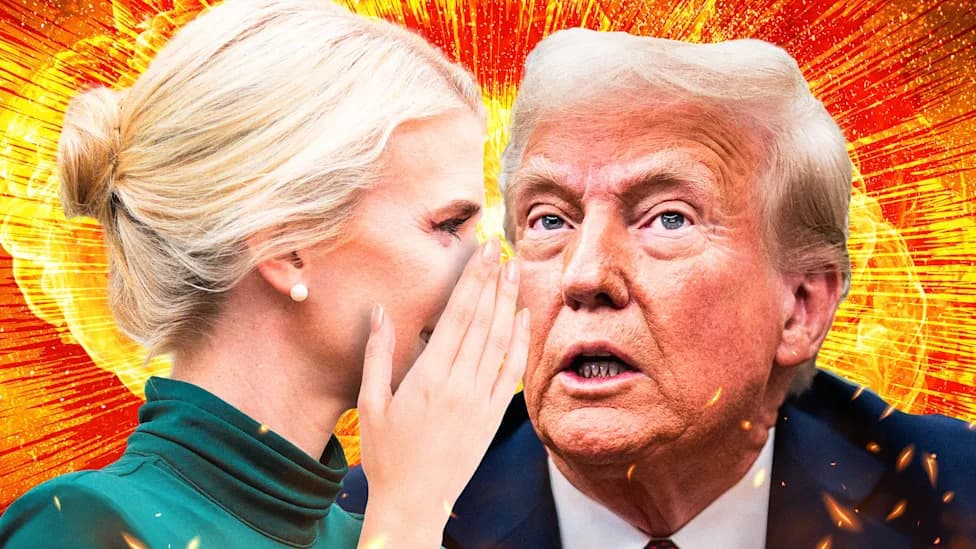
"Rather than merely soothing the president, Harp appears able — intentionally or not — to agitate him into making damaging decisions."
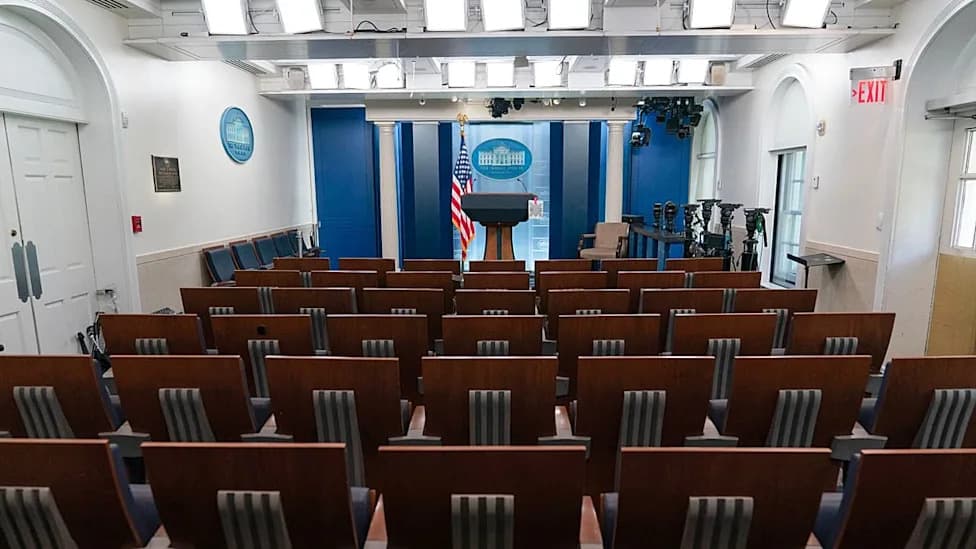
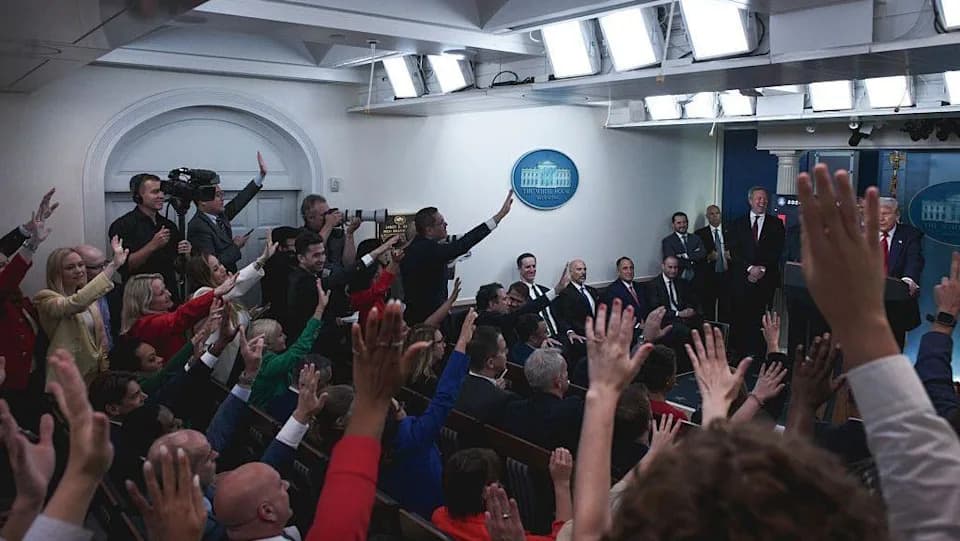
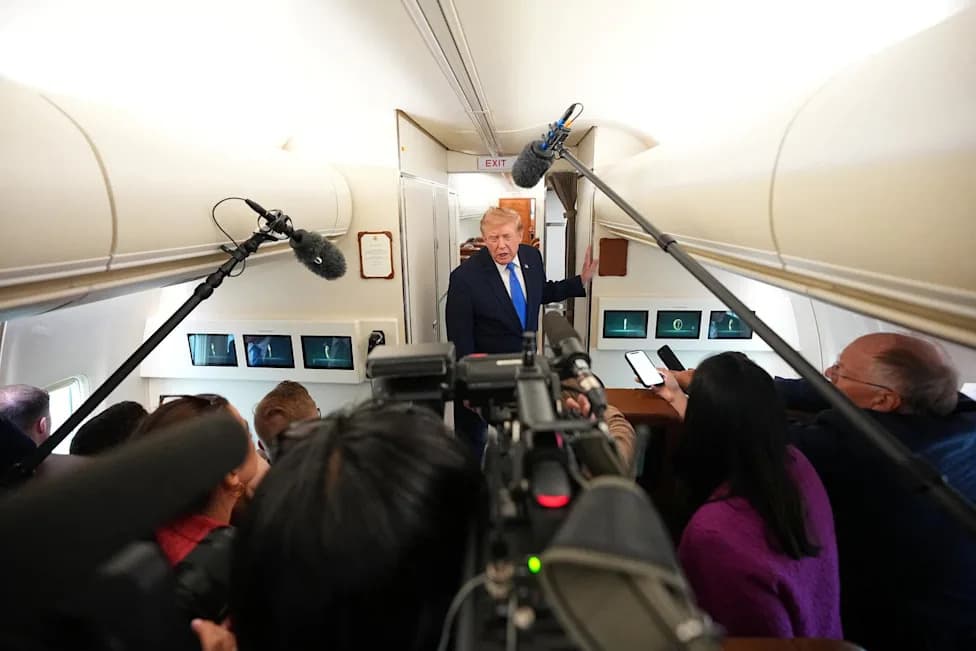
Those decisions prompted an immediate pushback from members of the White House press pool. Major networks including Fox News, which participate in pooled coverage, declined to take part in protest over the ban. The loss of routine network access is consequential for a president whose public life has long been shaped by television coverage; as Peter Baker of The New York Times put it, television has functioned for Mr. Trump like a narcotic.
White House Response And Fallout
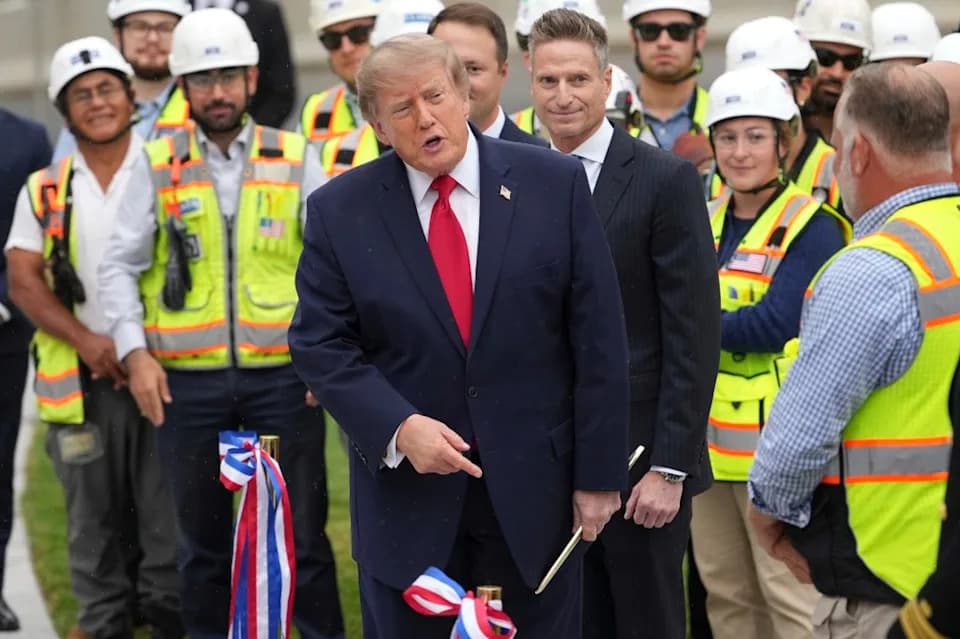
With mainstream outlets refusing to participate in pool coverage, the White House began promoting an in-house channel, dubbed "Trump TV," effectively a rebrand of its livestream operations. But those in-house streams have technical limitations and have already produced awkward moments — for example, a ribbon-cutting ceremony where the president’s remarks were largely inaudible to viewers when the usual network feeds were absent. Independent journalists have also used White House livestreams to capture unflattering images and moments, limiting the control the administration seeks over its public image.
The episode also highlights a longstanding vulnerability: Mr. Trump’s appetite for flattery can increase his reliance on aides who provide constant praise and shield him from criticism. That dynamic can create opportunities for influence and manipulation, with consequences that extend beyond interpersonal relationships to matters of public transparency and press freedom.
What This Means Going Forward
For now, the ban has focused attention on both the administration’s relationship with the press and the inner workings of the president’s staff. The reported role of an aide like Natalie Harp underscores how personnel decisions — and the information presented to leaders — matter. Given the president’s historic dependence on national media coverage, the ban may prove temporary; major outlets and the White House ultimately share incentives to restore access. Nevertheless, the incident remains a notable example of how personal dynamics inside the White House can produce immediate institutional consequences.
Help us improve.