Short Summary: Small drones extend an enemy’s reach as reconnaissance and one-way attack platforms and create secondary hazards when they break apart. The Pentagon’s Joint Interagency Task Force 401 issued nonbinding tactical guidance emphasizing concealment, dispersal and other precautions. Industry can help troops hold ground by delivering body-worn drone alerts, fragment-resistant personal protective equipment, portable counter-drone weapons, and improved camouflage—paired with training to avoid instinctive overreaction.
How Industry Can Help Soldiers Hold Ground In A Drone-Driven Battlefield
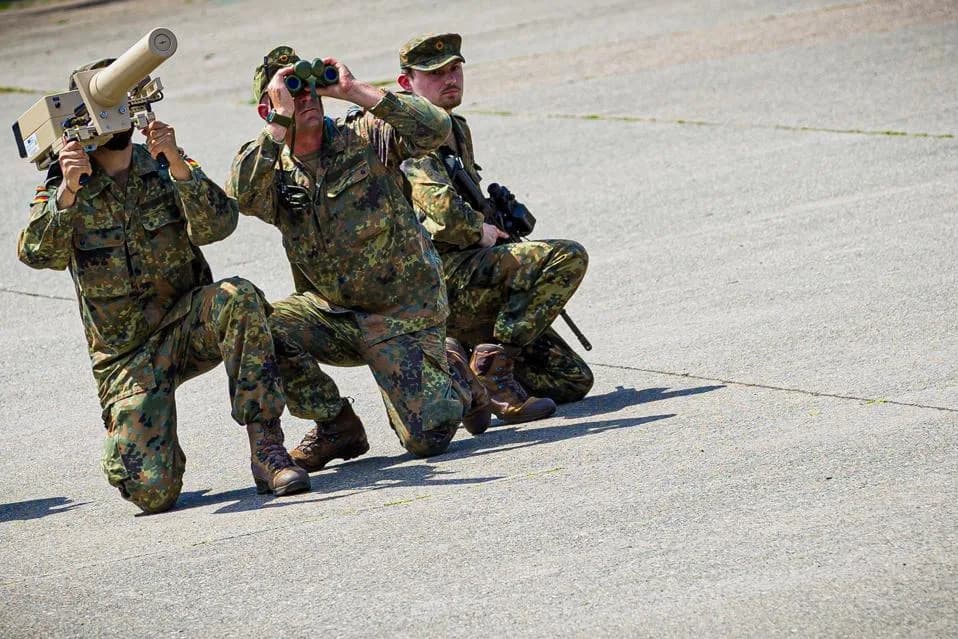
20 June 2026, Lower Saxony, Nienburg (Weser): Soldiers are participating in the multinational NATO exercise "CIMIG Quadriga 2026" at the Clausewitz Barracks and practicing drone defense. The exercise runs from June 14 to 26, 2026. Under the leadership of the Bundeswehr, the exercise focuses on rehearsing the coordination between military forces and civilian actors in crisis scenarios. Photo: Moritz Frankenberg/dpa (Photo by Moritz Frankenberg/picture alliance via Getty Images)dpa/picture alliance via Getty Images
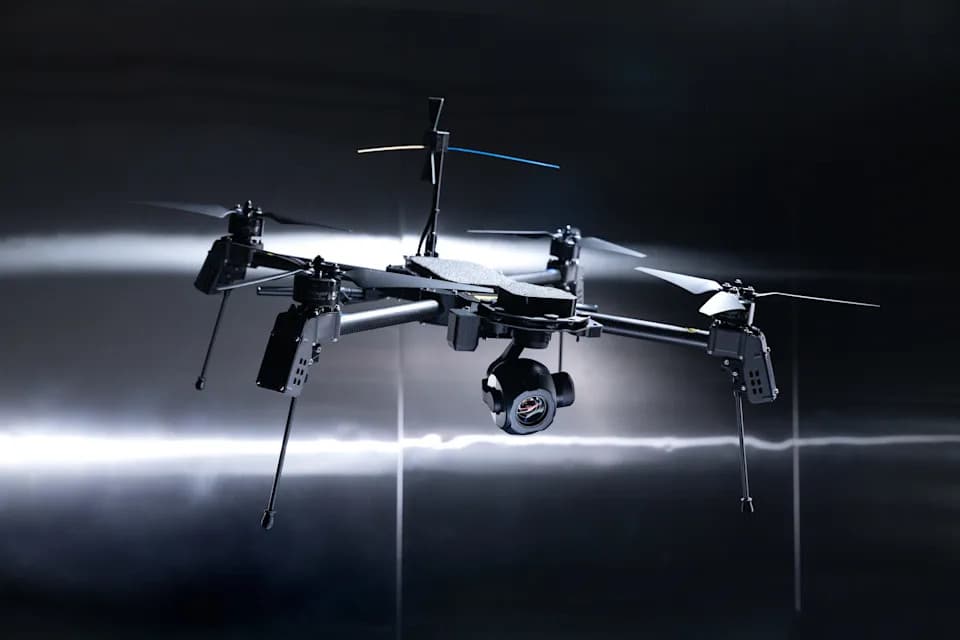
Small unmanned aircraft systems have transformed modern combat—offering persistent reconnaissance, inexpensive strike options and new psychological pressures on frontline troops. As military organizations adapt, industry can supply tools that let soldiers hold ground instead of simply taking cover.
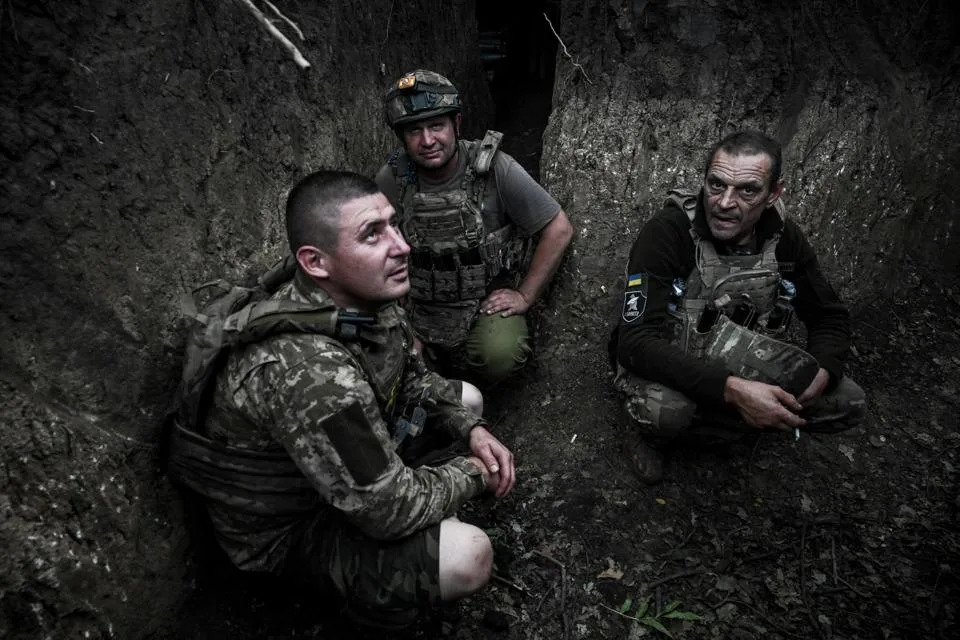
Ukrainian soldiers crouch in a trench as a Russian FPV drone flies above their hidden position in Donetsk in September 2025. (Photo by Dmytro Smolienko/Ukrinform/NurPhoto via Getty Images)
The Threat: Reach, Reconnaissance and Shrapnel
The Pentagon’s Joint Interagency Task Force 401 in June 2026 published a nonbinding field guide offering tactical suggestions for troops confronting small drones, emphasizing camouflage, concealment, dispersal and taking cover. These practices are sensible short-term responses: diving for cover or scattering from a drone’s flight path can reduce immediate risk when a drone is armed or carrying hazardous materials.
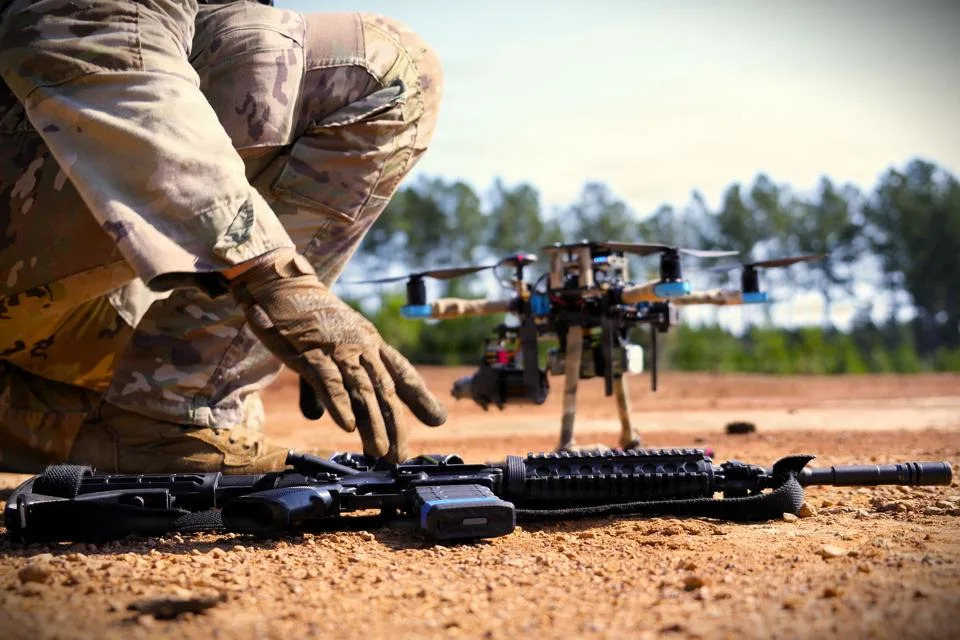
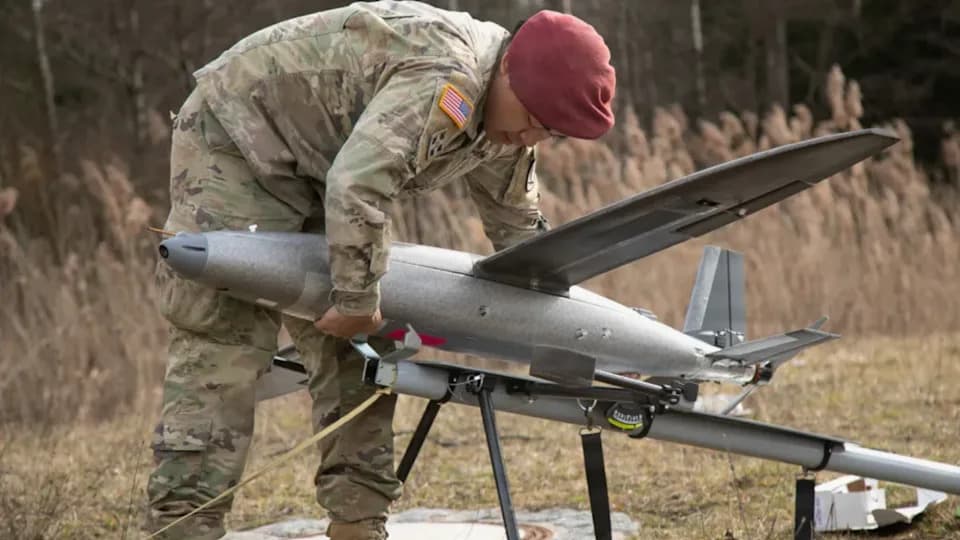
A Soldier from the 3rd Mobile Brigade "Rakkasans," 101st Airborne Division secures his rifle after preparing a small, first-person view drone for launch during a battle lab exercise in North Carolina in September 2026. (U.S. Army Photo by Maj. Jonathon Bless)
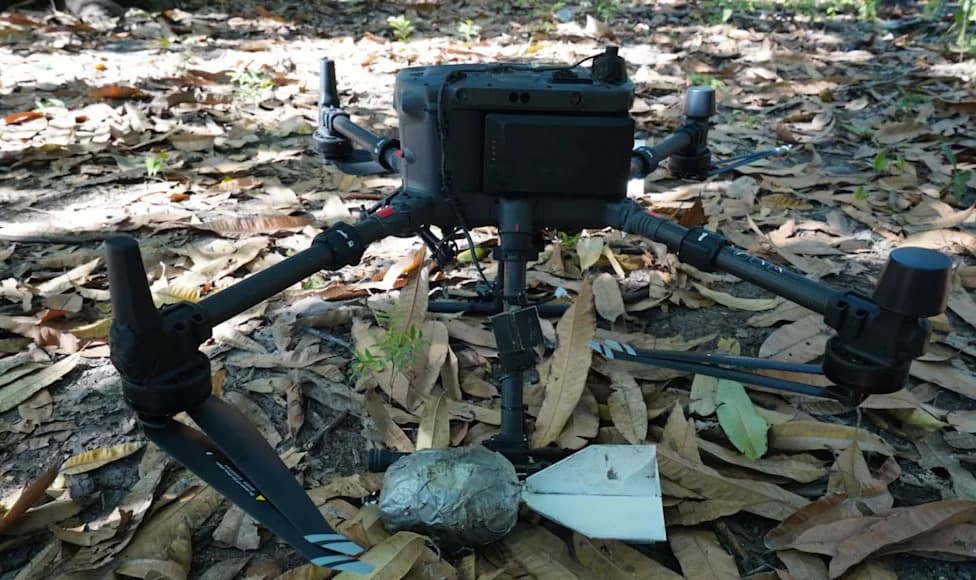
But small drones are not just sensors. When used as delivery systems for explosives or hazardous payloads, or even as one-way attack platforms, they extend an enemy’s reach. Shot-down or crashed drones also create a dangerous secondary threat: high-speed fragments of plastic and metal that can behave like shrapnel and injure exposed soldiers, particularly in the eyes and face.

Drone shrapnel damaged a military vehicle window following a Russian FPV drone strike on a road in August 2025 in Donetsk, Ukraine. FPV drones create sharp fragments of plastic and metal when they burst or shatter due to shots or impact with hard surfaces, creating shrapnel that can injure humans. (Photo by Pierre Crom/Getty Images)
When Hiding Hurts
Routinely breaking formation, freezing or diverting attention every time a small drone appears can be exploited as a psychological weapon. An adversary may use drones primarily to distract, delay or disorganize forces without needing to strike directly. Military history shows that units that hold ground and respond decisively often prevail—so the tactical challenge is to preserve readiness and initiative while protecting personnel.
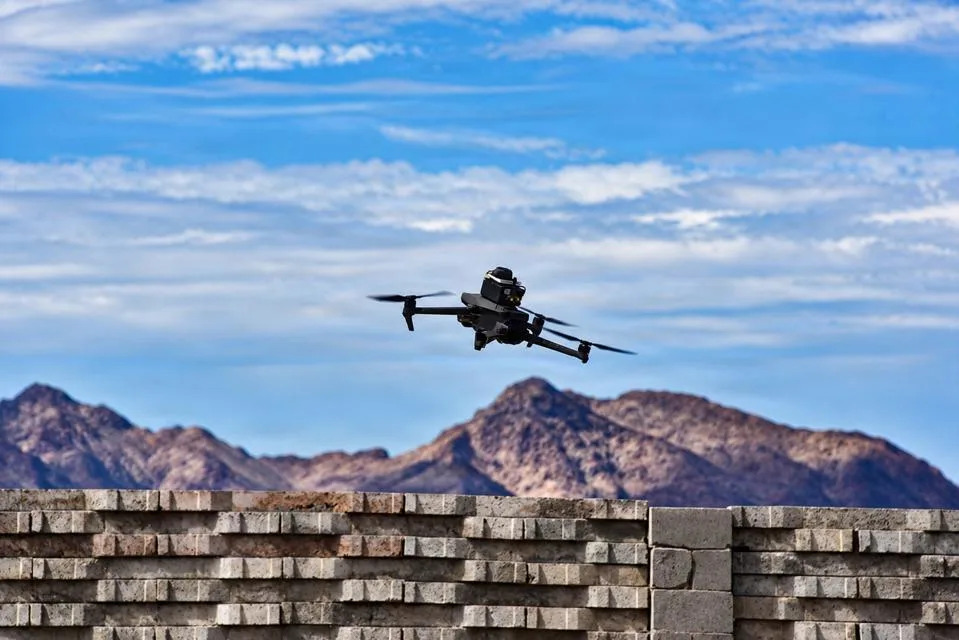
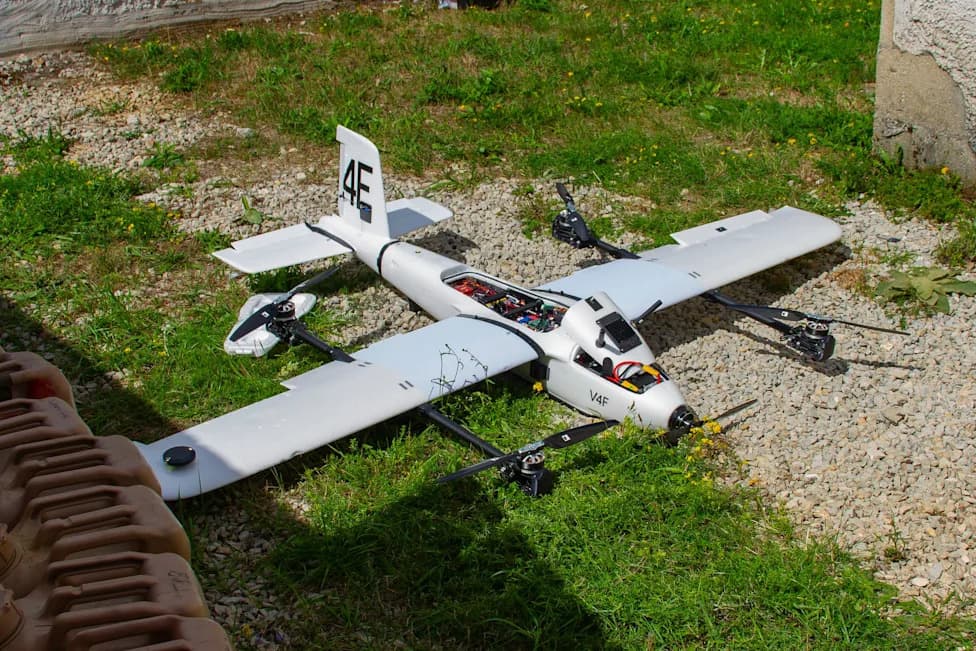
An opponent drone hovers waiting to be detected, tracked, and intercepted by other drones and sensors during an exercise in September 2026. (Department of War photo by Michelle Martin)
Where Industry Can Help
Technology already exists to detect and defeat drones at range—high-energy lasers, microwave systems, interceptor "hunter-killer" drones, jammers and anti-drone rifles are in service or development. Beyond those systems, industry can develop equipment and tactics tailored to the individual soldier and small-unit level:
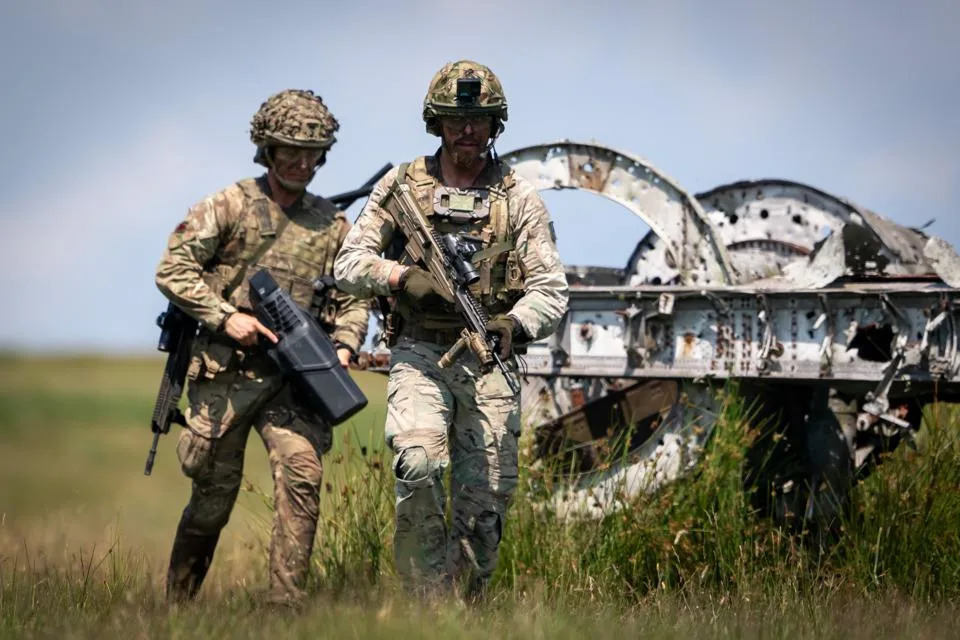
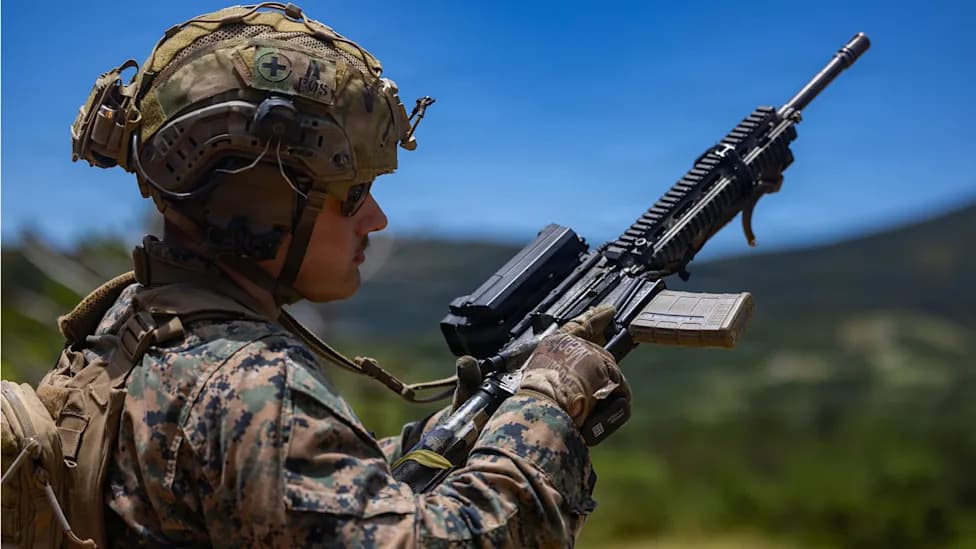
Soldiers from the British Army's 1st Battalion, The Rifles carry a DroneShield DroneGun Mk4 and SA80 rifle during a counter-drone exercise in Wales in July 2026. The British Army tactical exercise focused on testing new ammunition, jamming techniques, and shotguns to counter low-cost aerial threats. (Photo by Matthew Horwood/Getty Images)
1. Body-Worn Detection and Alerts
Layered base defenses are vital but fallible. Compact, body-worn sensors that reliably detect nearby small drones and deliver clear, low-latency alerts in contested, off-grid environments would give operators precious seconds to choose a measured response rather than panic. Designs should prioritize battery life, electromagnetic resilience and easily interpreted cues under fire.
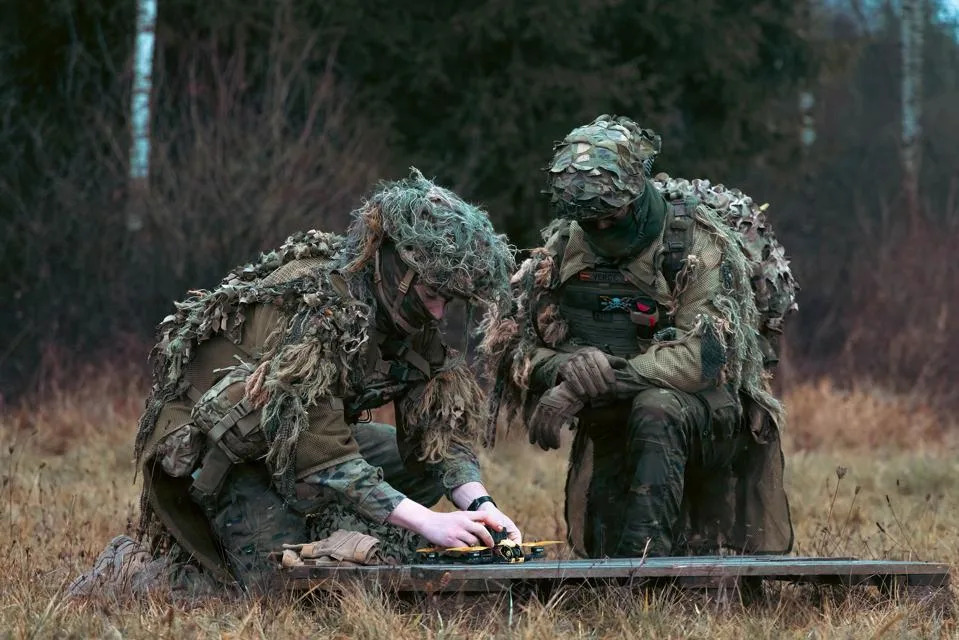
Spanish Army soldiers assigned to the Spanish Legion Brigade won the U.S. Army Europe and Africa Best Drone Warfighter Competition in Germany in 2025 due to their aggressive posture and expert use of camouflage.
2. Fragment-Resistant Protective Gear
Drones that are struck or that crash can shed razor-sharp plastic and metal shards. Improved eye protection, helmet visors, and outer garments built to stop or deflect small high-velocity fragments could reduce lacerations and eye injuries without overly burdening mobility. Materials and cut patterns must balance protection, weight and heat-management for sustained operations.
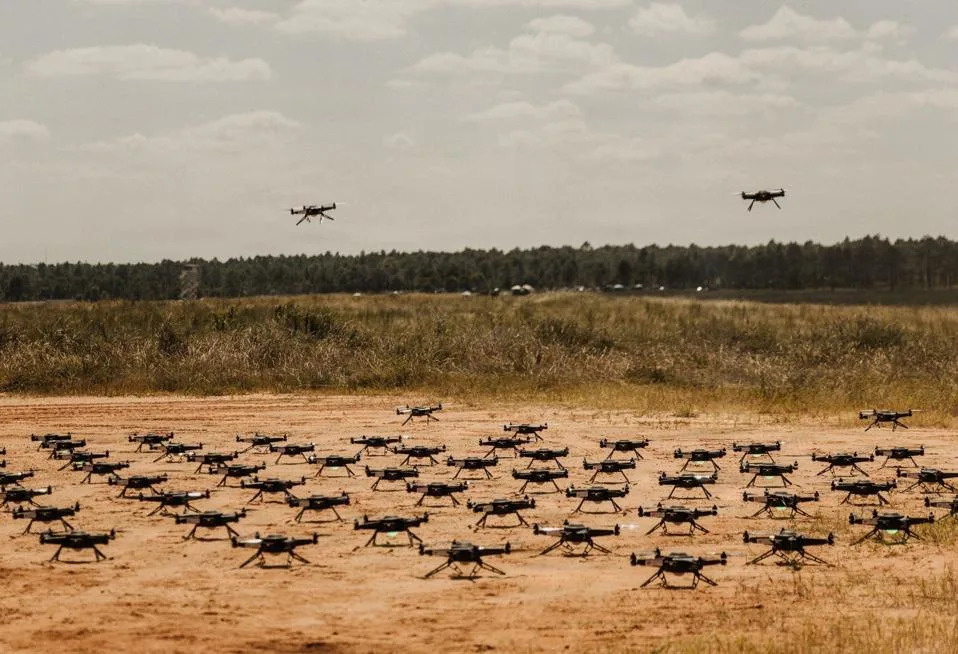
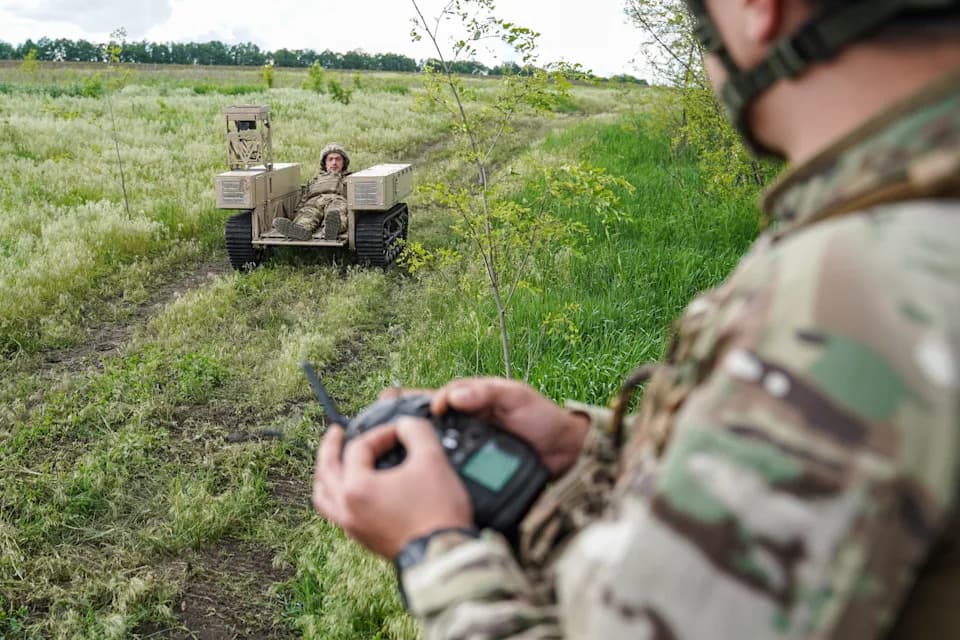
A drone swarm returns from a mission during the XVIII Airborne Corps' Scarlet Dragon exercise at Fort Bragg, North Carolina in September 2026. (U.S. Army photo by Pfc. Iliana Lopez)
3. Portable, Purpose-Built Counter-Drone Weapons
Troops need options beyond running or hiding. Portable handheld countermeasures—ranging from electromagnetic "guns" and directed-energy pistols to net launchers and projectile systems optimized for small unmanned aircraft—can allow soldiers to neutralize threats quickly and resume combat posture. Ease of use, reliability in cluttered electromagnetic environments, and compatibility with existing small-unit tactics are essential design priorities.
4. Better Camouflage, Deception and Training
Concealment remains a force multiplier. Advanced multispectral camouflage, rapid-deploy concealment for positions and improved deception techniques reduce detection and targeting by reconnaissance drones. Equally important is training: units should practice measured, mission-focused responses so that counter-drone drills do not automatically devolve into loss of cohesion.
Examples And Evidence
Images from recent conflicts illustrate the threat—Ukrainian troops have taken cover from FPV drones, and reports detail drone shrapnel damaging vehicles and injuring personnel. In training and competition settings, units that combined aggressive tactics, camouflage and effective counter-drone techniques—such as the Spanish Legion Brigade at a 2025 Best Drone Warfighter event—have seen success by maintaining initiative while countering unmanned threats.
Conclusion
Drones are now a staple of warfare across land, sea and air. Industry can help soldiers keep the initiative by providing reliable early warning, wearable protection against fragments, compact and user-friendly counter-drone sidearms, and improved concealment solutions. Together with doctrine and training that emphasize measured responses, these tools can reduce the impulse to hide and preserve the ability of human forces to hold ground against machine-enabled threats.
Note: The Joint Interagency Task Force 401 guide is tactical, nonbinding guidance intended to improve survivability and should be integrated with official unit doctrine and rules of engagement.
Help us improve.