Ukrainian troops are asking for drones and ground robots that take on routine flying and driving so one operator can supervise multiple systems from safer positions. Companies such as Frontline Robotics and Twist Robotics have added AI-driven navigation and return-to-base features—exemplified by the Linza 3.0—to maintain operations when GPS is jammed. Ukraine's defense ministry reports more than 70 AI and computer-vision systems in use and emphasizes that humans retain final authority for target engagement. The move increases battlefield scale and safety but remains constrained by technical and ethical limits.
Ukrainian Troops Ask For Smarter Drones: One Operator, Many Autonomous Systems
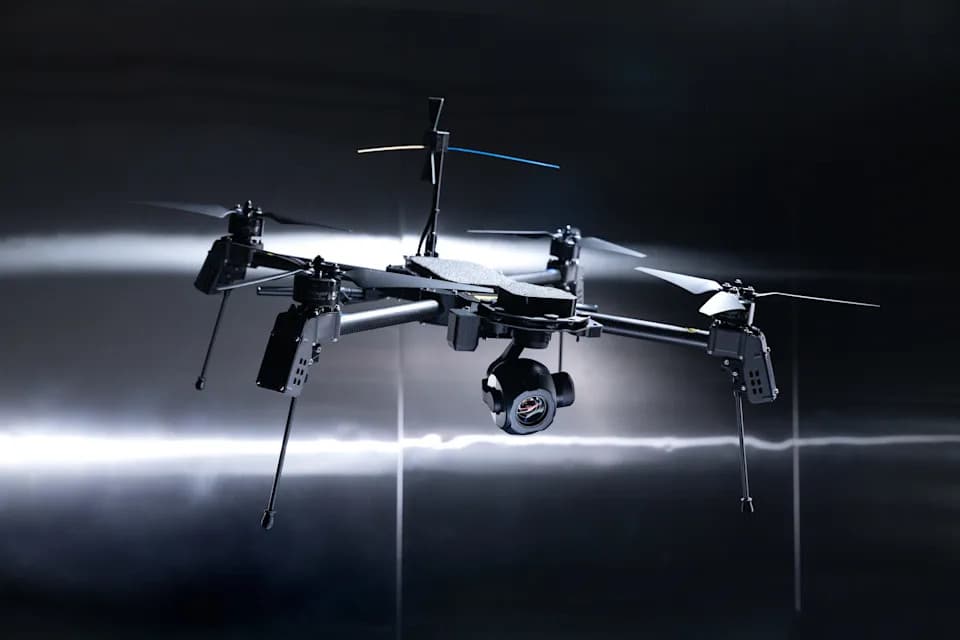
Ukraine's Frontline Robotics says soldiers request technology that reduces their role in controlling drones.Frontline Robotics
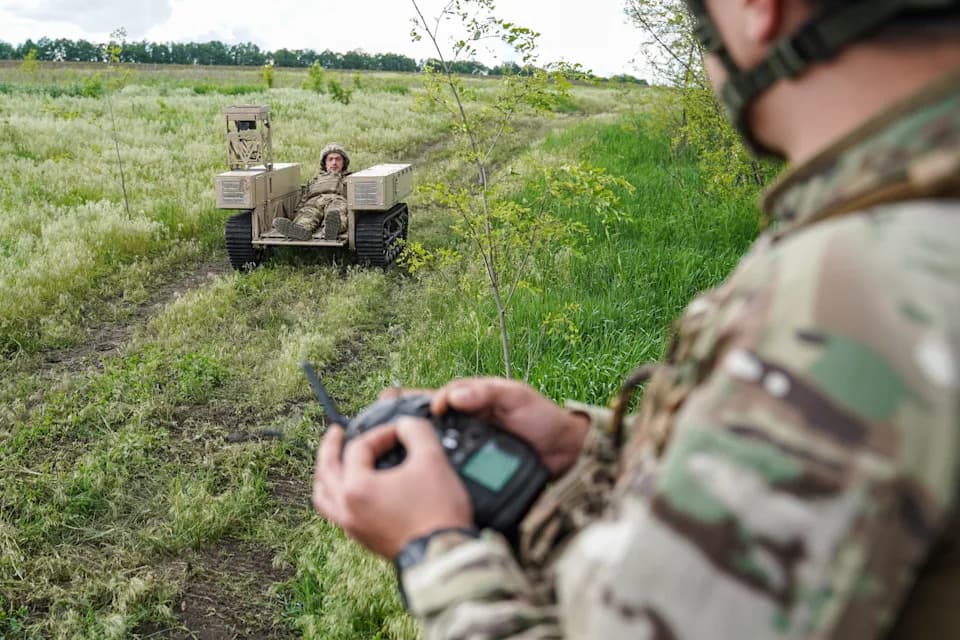
Ukrainian soldiers are increasingly asking for drones and ground robots that can handle routine flying and driving themselves, so a single operator can supervise multiple systems from safer positions. Defense firms in Ukraine are responding by building more autonomy into platforms while keeping humans responsible for final strike decisions.
What Soldiers Are Asking For
Front-line troops want tools that reduce manual control and mental workload. Instead of piloting one drone at a time, operators want an autonomy layer that lets vehicles navigate to areas of interest, return to base with a single command, and maintain basic mission functions if communications are lost.
How Companies Are Responding
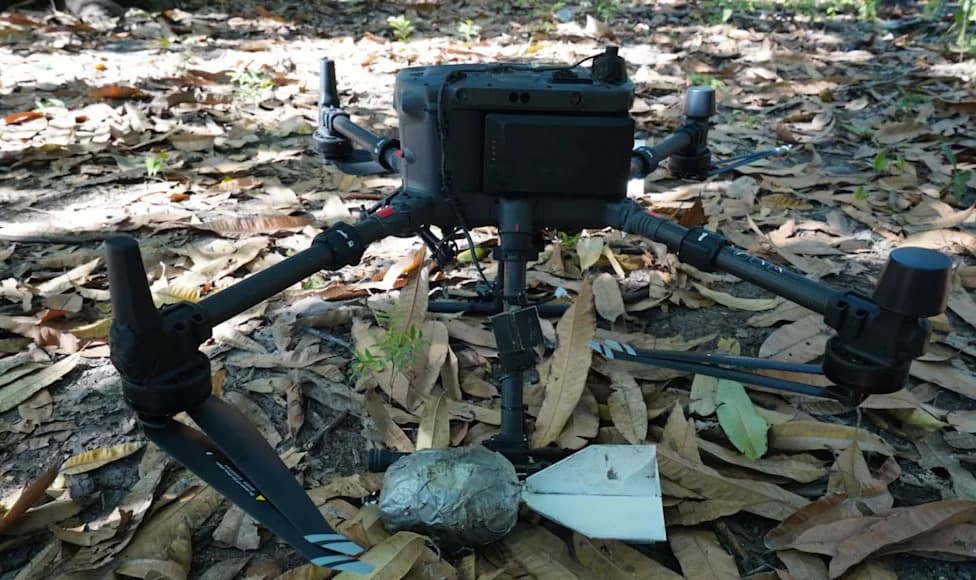
Frontline Robotics says much of its product roadmap is driven by direct soldier feedback. The company added an autonomy layer to its drones so a pilot can send a vehicle to a target area and bring it home with a single button press. The Linza 3.0 upgrade includes onboard autonomy designed to operate when GPS signals are jammed, while the Zoom reconnaissance drone features AI navigation to sustain missions during satellite outages.
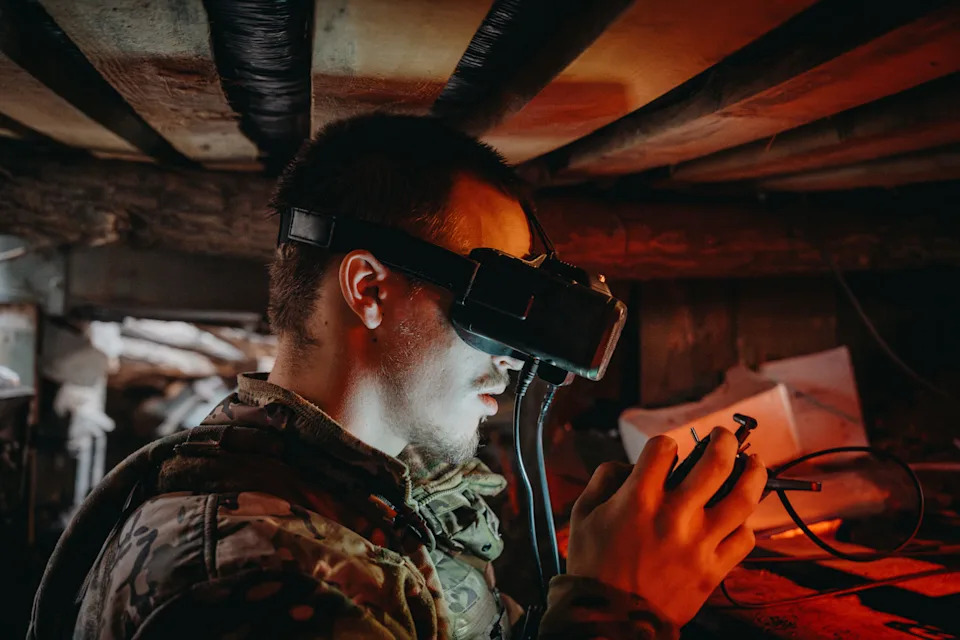
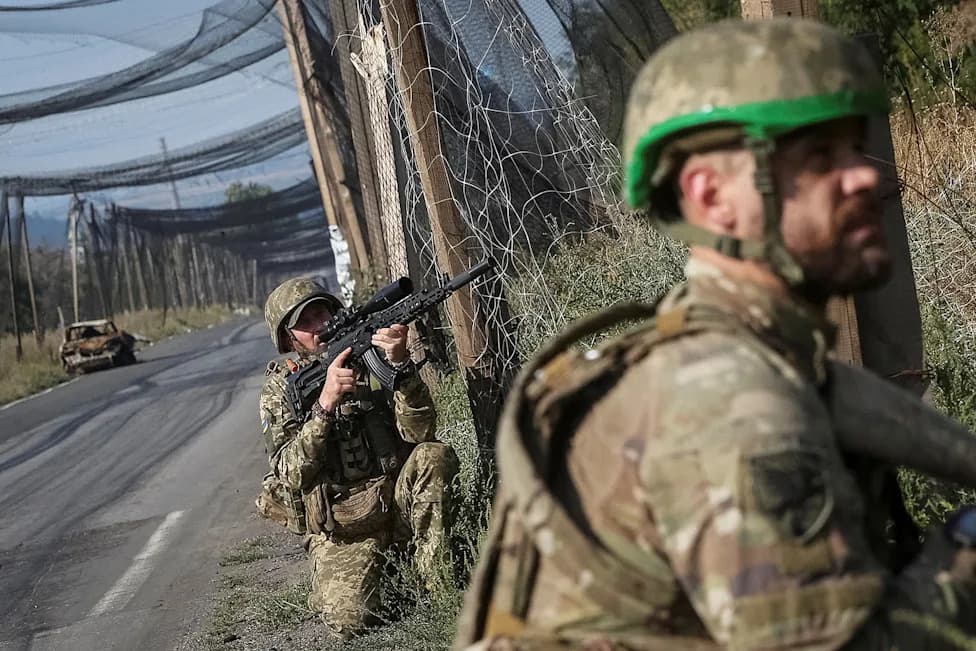
Many of Ukraine's pilots no longer control a single drone fully manually.Wojciech Grzedzinski/For The Washington Post via Getty Images
Twist Robotics focuses on hardware and software that allow machines to navigate and track targets when GPS is disrupted, implementing counter-jamming measures as a default. Other firms, such as Ark Robotics, are developing command-and-control systems to coordinate hundreds or even thousands of aerial and ground units with minimal human intervention.
Technology, Ethics, and Limitations
The shift toward autonomy often looks more like advanced automation than fully independent artificial intelligence. Technical constraints, battlefield complexity, and ethical considerations limit how much authority systems can hold. Ukraine's defense ministry reports more than 70 AI and computer-vision systems in use and has set a goal to equip front-line drones with such capabilities, but it emphasizes that humans remain the ultimate decision-makers for target selection and engagement.
As the ministry put it, algorithms increasingly assist with navigation and object identification, yet the final decision to engage a target is made by a human operator. The level of autonomy is calibrated according to the potential cost of an error.
Why This Matters
Greater autonomy helps Ukraine offset numerical disadvantages, reduce soldiers' exposure to danger, and increase operational scale by enabling one person to supervise many platforms. At the same time, the push raises important questions about reliability, accountability, and the rules of engagement for autonomous systems on the battlefield.
Bottom line: Ukrainian defense firms are rapidly adding onboard autonomy—improving navigation, return-to-base routines, and basic target identification—to let operators manage multiple drones, but human oversight for strikes remains a non-negotiable policy.
Help us improve.