Tirzepatide (Mounjaro/Zepbound) increased brown-fat surface temperature, reduced lipid droplet size, and boosted thermogenic and mitochondrial gene expression in obese mice compared with calorie restriction. Treated mice also had larger improvements in glucose tolerance and fasting metabolic markers. Both drug-treated and pair-fed mice showed reduced inflammation, suggesting some benefits were due to lower calorie intake. These findings are preliminary and from a small, short preclinical study; human relevance is currently being evaluated in the TABFAT clinical trial.
Tirzepatide Activates Brown Fat in Obese Mice — Study Finds Metabolic Benefits Beyond Appetite Suppression
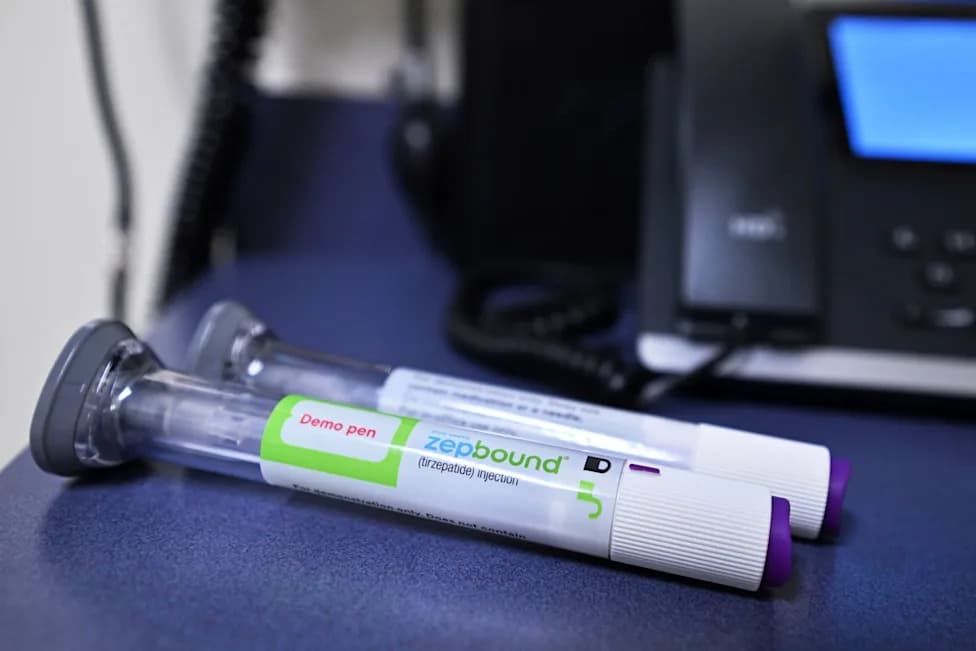
Tirzepatide May Activate Brown Fat According to New Research
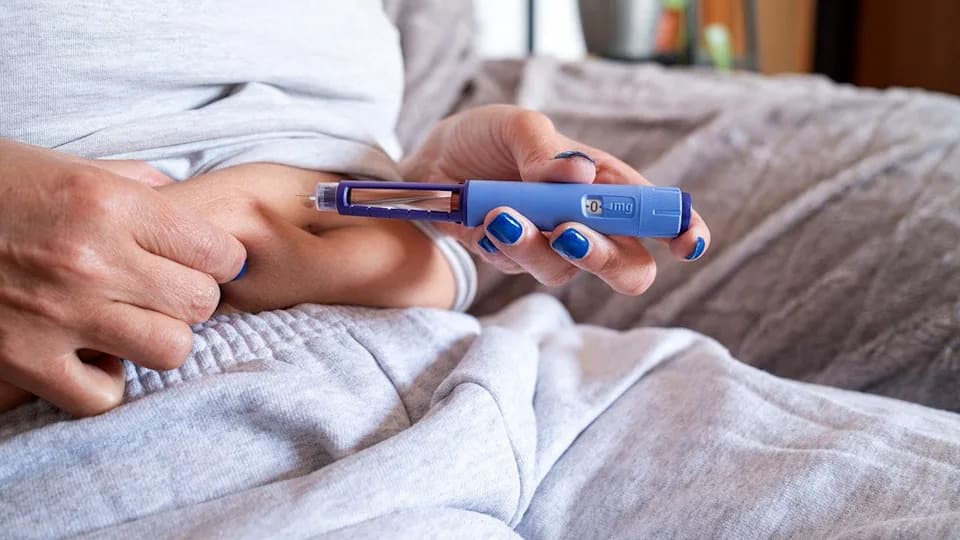
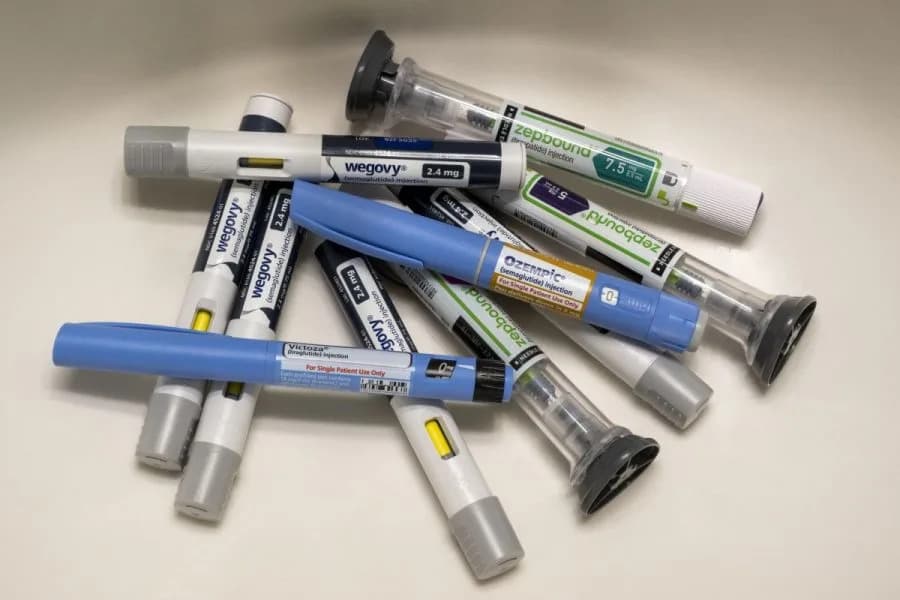
Tirzepatide, the dual GLP-1/GIP medication sold under brand names such as Mounjaro and Zepbound, appears to activate brown adipose tissue (brown fat) in obese mice, according to a recent preclinical study. The research suggests the drug’s effects extend beyond appetite suppression and weight loss, producing measurable changes in brown-fat activity and systemic metabolism.
What The Researchers Did
Investigators treated obese mice with tirzepatide and compared them with a separate group of mice that were calorie-restricted to match the drug-induced reduction in food intake (a pair-fed group). That pair-feeding design helps separate effects caused by eating less from effects directly attributable to the drug.
Key Findings
Mice given tirzepatide showed several signs of increased brown-fat activity: a higher surface temperature over the brown-fat depot, smaller intracellular lipid droplets in brown-fat cells (consistent with active lipid mobilization), and higher expression of genes linked to thermogenesis and mitochondrial energy production. Most of these brown-fat changes were absent in pair-fed mice, indicating the effects were likely drug-specific rather than solely due to reduced calorie intake.
The tirzepatide-treated animals also experienced greater improvements in glucose tolerance, and larger reductions in fasting glucose, triglycerides, free fatty acids, and glycerol than the pair-fed group. Both groups showed reduced inflammatory markers, suggesting the anti-inflammatory effects were largely associated with caloric restriction rather than a unique action of the drug.
Limitations
Important caveats apply: this was a small, short-duration study performed in mice, and the results are associative rather than proof of a direct causal mechanism in humans. Translating findings from rodents to people is uncertain, and further clinical research is needed. An ongoing trial (TABFAT) is evaluating brown-fat activity in women with obesity using PET/CT imaging to test whether similar effects occur in humans.
Bottom Line
In obese mice, tirzepatide appears to robustly stimulate brown-fat activity and improve several metabolic markers in ways that calorie restriction alone does not. Whether these brown-fat–activating effects translate to humans remains to be determined in clinical studies.
Originally reported by Men’s Fitness.
Help us improve.