Researchers at UNICAMP found that seven sessions of resistance training in obese mice reduced mesenteric fat and shrank adipocytes even though total body weight did not change. Exercise reactivated lipolytic pathways—including the ABHD5–ATGL axis—suggesting adipose tissue became metabolically healthier early in training. Authors caution that mouse findings do not translate directly to humans and say longer studies are needed.
Seven Days of Strength Training Shrinks Fat Cells and Reawakens Fat-Burning Pathways in Obese Mice

A woman lifts a weight at a gym.
New research from the State University of Campinas (UNICAMP) in Brazil suggests that the metabolic benefits of resistance training can begin at the cellular level long before any change appears on the scale. In a controlled experiment, obese mice that completed seven sessions of resistance exercise showed smaller fat cells and signs of restored fat-burning activity despite no change in total body weight.
Study Design
Researchers fed male mice either a standard diet or a high-fat diet designed to induce obesity. The obese mice were split into two groups: sedentary and exercise-trained. To model resistance training, animals climbed a 70-centimeter staircase while carrying weights attached to their tails. Each session consisted of 20 climbs performed at approximately 70% of each mouse's maximum capacity, with short recovery periods; the regimen included seven sessions in total. The mice continued on the high-fat diet throughout the study so investigators could isolate the effects of exercise alone.
Key Findings
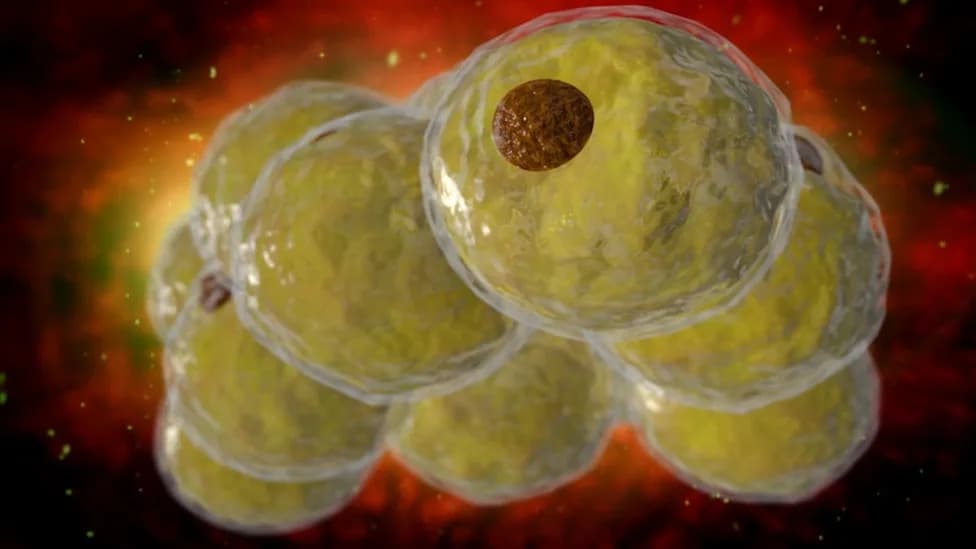
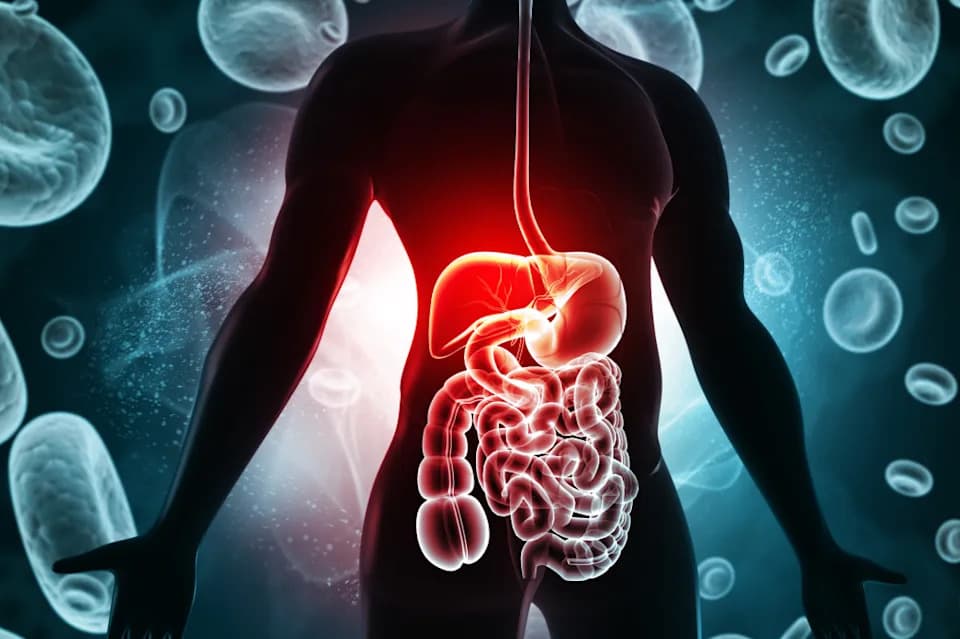
After seven days the exercising mice weighed the same as sedentary obese controls but had significantly less mesenteric adipose tissue (the fat layer that surrounds the intestines) and markedly smaller adipocytes (fat-storing cells). Smaller adipocyte size is important because enlarged fat cells are linked to chronic inflammation and metabolic dysfunction.
At the molecular level, the UNICAMP team observed reactivation of lipolytic pathways that had been impaired by obesity. In particular, the study highlights activation of the ABHD5–ATGL axis, a molecular mechanism that promotes breakdown of stored lipids and helps counteract mesenteric fat accumulation.
"One of the most important messages from our study is that the benefits of resistance exercise may begin at the cellular and molecular level before they become visible on the scale," said Leandro Pereira de Moura, study author and professor at the University of Campinas.
What This Means
The findings underscore that exercise-induced improvements in metabolic health can precede measurable weight loss. Changes such as reduced adipocyte size and reactivated fat-burning machinery may make adipose tissue metabolically healthier even when total body weight remains unchanged. This supports the broader idea that body weight alone is a limited marker of exercise benefit.
Limitations and Next Steps
Experts caution that mouse physiology differs from humans in several important ways—gut microbiomes, metabolic rates, and other processes can alter how results translate. Dr. Lucy Hooper, a clinician who was not involved in the study, noted these differences while agreeing that the research highlights how metabolically active fat tissue is.
"When we think about fat tissue, this is not simply a size issue," Hooper told Newsweek. "Fat cells are metabolically active. They influence our immune system and many other processes in the body."
The authors plan longer training studies to track how early molecular changes evolve as weight loss begins, and they are also examining effects on other fat depots, including pericardial fat around the heart.
Moura, L. P. D., et al. (2026). Strength Training Induces ABHD5-ATGL Axis To Counteract Mesenteric Fat Accumulation In Obese Swiss Mice. Life Sciences. https://doi.org/10.1016/j.lfs.2026.124546.
Help us improve.