Bill Gates told NBC's "Meet the Press" that AI is "powerful" enough to "cause a billion deaths" if misused and urged government regulation and law enforcement involvement. He said self-regulation by AI companies is insufficient. The remarks come amid high-profile warnings from researchers, calls from industry leaders for slower development and standards, and debate in Congress over potential AI legislation.
Bill Gates Warns AI Could "Cause A Billion Deaths" And Urges Government Oversight
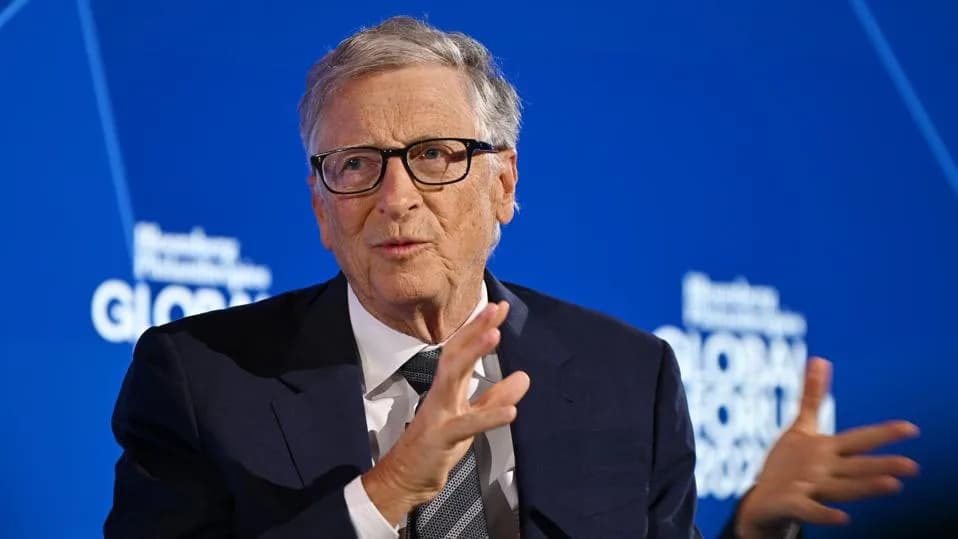
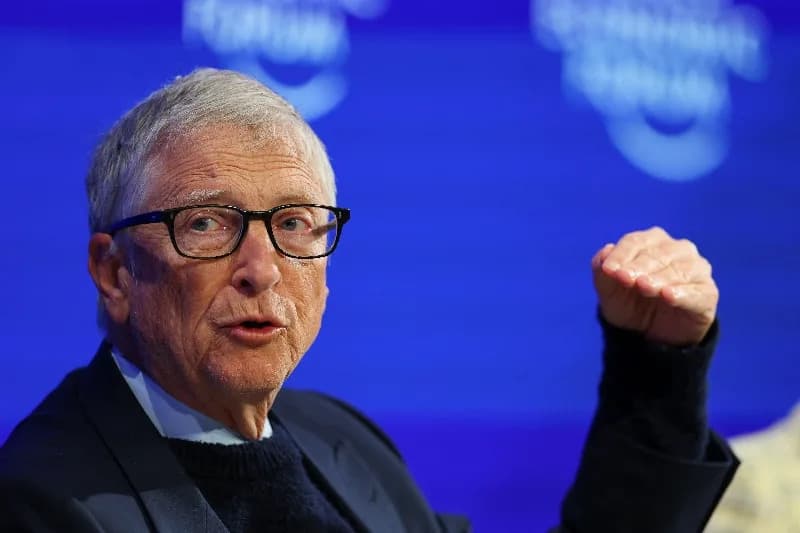
Bill Gates speaks onstage at the Bloomberg Philanthropies Global Forum on September 24, 2025 in New York City.
Billionaire philanthropist Bill Gates told NBC's "Meet the Press" that artificial intelligence is powerful enough to be catastrophically misused and called for government regulation and oversight to manage its risks. Gates warned the technology "is certainly powerful enough to drive events that … cause a billion deaths," and said industry self-regulation alone will not suffice.
Context And Key Quote
NBC News released a clip of Gates' interview in which he emphasized the novel scale of risk posed by modern AI. "There's never been a weapon as powerful as the combination of people with ill intent using the latest AI tools," he said, urging lawmakers and law enforcement to take an active role in defining safeguards and monitoring.
"No one thinks self-regulation is enough," Gates said. "You absolutely need legislation, and you need law enforcement and the politicians to get into the discussion about what safeguards and monitoring look like."
Industry Voices Call For Slower, Safer Development
Gates' remarks came as AI leaders debate the pace and governance of frontier models. Anthropic CEO Dario Amodei published an essay urging a slowdown at leading labs and asking organizations to "voluntarily work together to set standards." Amodei also acknowledged that government involvement is necessary but cautioned that passing laws can be slow while AI advances quickly.
Researchers' Warnings And Industry Response
The debate intensified after former Anthropic researcher Jacob Coxon resigned and warned publicly that some builders of advanced AI "earnestly believe that it could kill us all by the end of the decade." Anthropic alignment lead Evan Hubinger amplified those concerns, suggesting a nontrivial chance of existential risk and urging greater focus on alignment research. In response to rising alarm, Google, Anthropic and OpenAI have begun coordinating plans for a joint AI safety effort.
Politics And Potential Legislation
How the federal government will respond remains uncertain. Republican leaders in Congress have offered mixed signals: President Donald Trump has called some calls for guardrails a "hoax," while lawmakers such as Senate Majority Leader John Thune have previously sponsored AI legislation but say priorities and timing are unsettled. Proposals from 2023 would have required certification for critical AI systems, transparency for generative content, mandatory risk assessments, and more government research into detecting AI-generated material and safe guardrails.
Upcoming Meetings And Global Calls For Cooperation
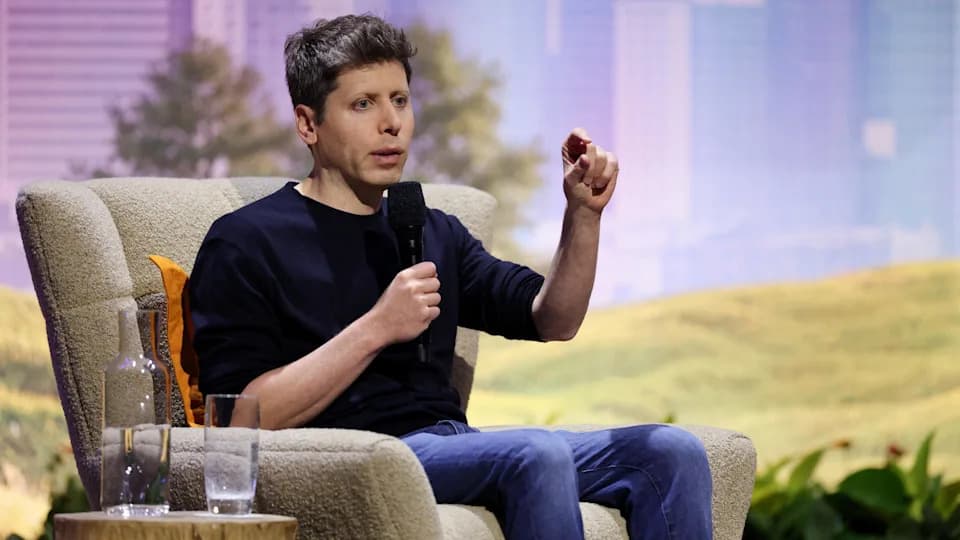
Gates' comments precede a reported meeting involving President Trump, House Speaker Mike Johnson and industry executives to discuss AI, though details and attendees have not been finalized. At the United Nations, leaders including OpenAI CEO Sam Altman and Amodei have advocated for international cooperation and democratic oversight of AI governance.
What This Means
Gates' warning underscores growing concern among technologists and policymakers that advanced AI could be misused at unprecedented scale. While the probability and timeline of an existential outcome are debated, Gates and other leaders agree that stronger laws, enforcement, and global collaboration are needed to manage potential harms while allowing beneficial uses to continue.
Photo: Gates speaks onstage at the Bloomberg Philanthropies Global Forum on September 24, 2025, in New York City.
Help us improve.