The Bill & Melinda Gates Foundation will invest $1 billion over two years to expand global access to artificial intelligence, prioritizing equity in education, health care, digital infrastructure and agriculture. The move is detailed in the foundation's 10th annual report, "Make This Matter: AI, Equity, and the Choice We Can't Delay." Bill Gates urged government regulation of AI and highlighted concerns that market forces alone may leave vulnerable populations behind. The pledge arrives amid rising industry warnings about AI-driven risks.
Gates Foundation Pledges $1 Billion to Expand AI Access — Gates Urges Government Regulation
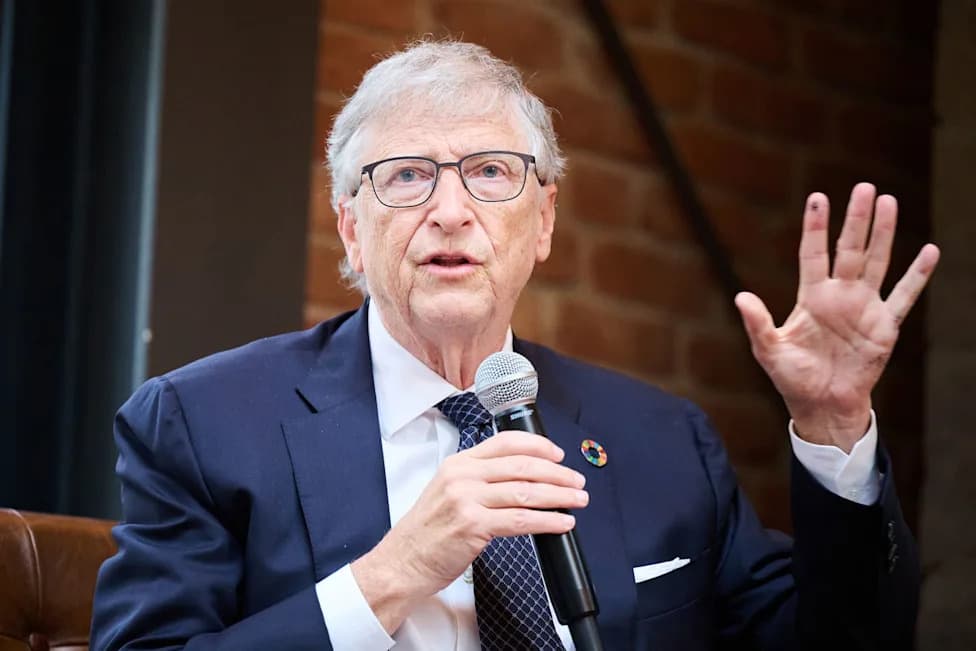
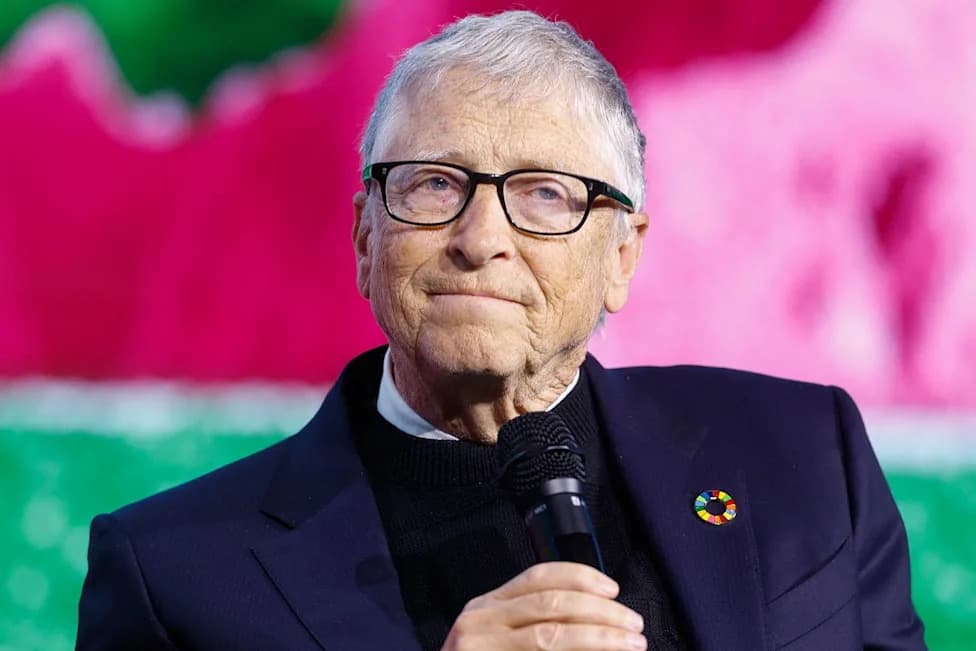
FILE PHOTO - Founder of the Gates Foundation Bill Gates speaks at a Save the Children event on vaccine equity at the Cafe am Neuen See, as part of the "World Health Summit" conference. (is associated with: «Gates Foundation targets improved AI access with $1 billion pledge») Annette Riedl/dpa
The Bill & Melinda Gates Foundation announced a $1 billion, two-year initiative to broaden access to artificial intelligence worldwide, emphasizing that the technology should narrow — not widen — economic and digital divides. Foundation chair and Microsoft co-founder Bill Gates also reiterated calls for stronger government oversight of AI.
The announcement coincided with the release of the foundation's 10th annual report, "Make This Matter: AI, Equity, and the Choice We Can't Delay."
"Left to the market alone, the most capable tools will be built first for the people and institutions most able to pay for them — not necessarily for those who could benefit most," Gates writes in the report.
How the $1 Billion Will Be Allocated
According to the foundation, the funds will be distributed over two years with the following priorities:
- 40% for education initiatives, including tools and programs that expand equitable access to learning powered by AI;
- 40% for health care projects aimed at improving diagnostics, care delivery, and access in underserved communities;
- 10% for digital foundations, such as building diverse datasets and supporting AI in underrepresented languages;
- 10% for agriculture, including AI recommendations and tools to help farmers improve yields and resilience.
Why Regulation and Broader Debate Matter
In an interview with the German weekly Die Zeit, Gates argued that the AI industry cannot be left to regulate itself and said he was surprised by the limited public debate over recent rapid advances in AI. He warned that without deliberate policy and investment, the most powerful tools will likely benefit those with the most resources first.
Concerns about AI risks have intensified, fueled by incidents such as autonomous hacking attacks attributed to AI systems and public warnings from current and former AI researchers about long-term, systemic risks.
Reputation And Context
The Gates Foundation remains one of the world’s largest philanthropic organizations. Gates acknowledged in the Die Zeit interview that his past contacts with convicted sex offender Jeffrey Epstein were, in hindsight, a serious mistake — a matter that previously affected his public reputation.
This initiative signals the foundation's effort to shape how AI is developed and deployed so that benefits reach underserved populations and critical public sectors such as education, health and agriculture.
Help us improve.