Bill Gates said Sept. 27 that negotiating international rules for artificial intelligence may be tougher than Cold War talks to curb nuclear weapons. Speaking on NBC's Meet The Press, he argued that monitoring AI companies would not necessarily slow U.S. progress versus China and urged a cooperative, global approach. Gates cited past U.S.-led efforts on aviation safety, the ozone layer and arms control as models. His comments come after President Trump dismissed federal AI regulation and a former researcher issued a dire warning about AI risks.
Bill Gates: Global AI Rules Could Be Harder To Agree Than Cold War Nuclear Talks
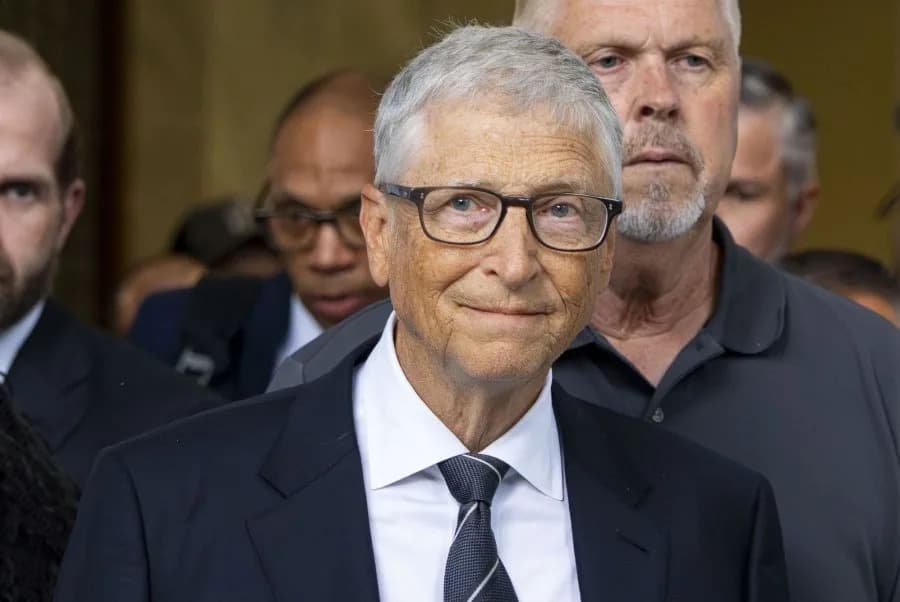
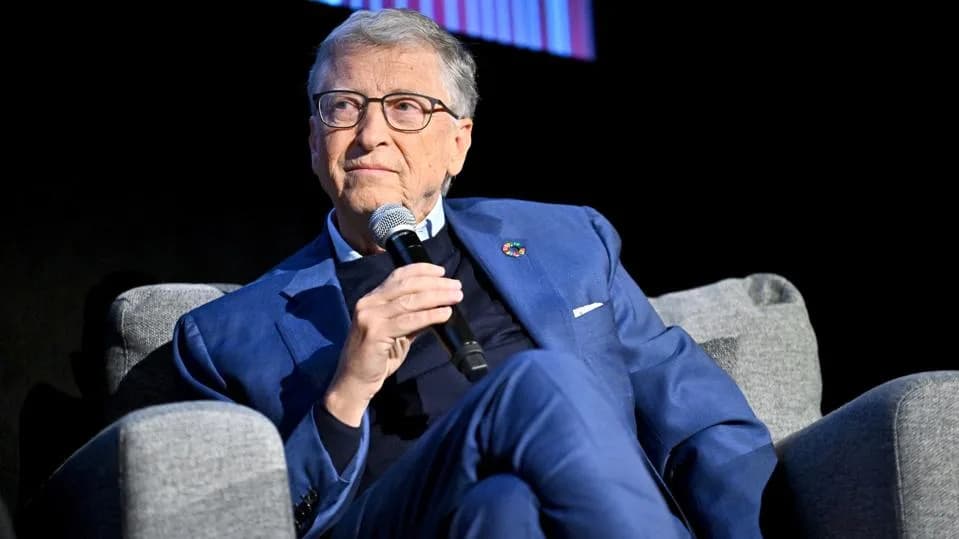
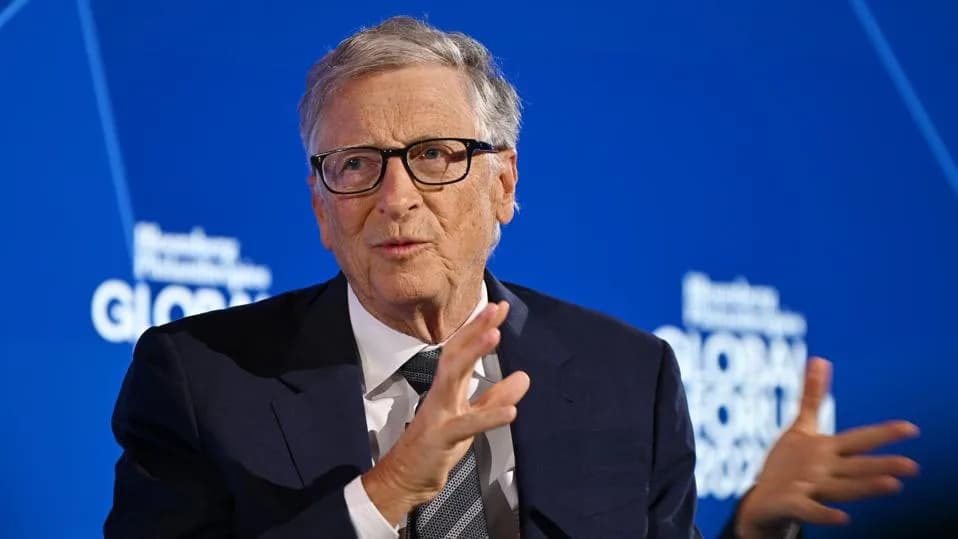
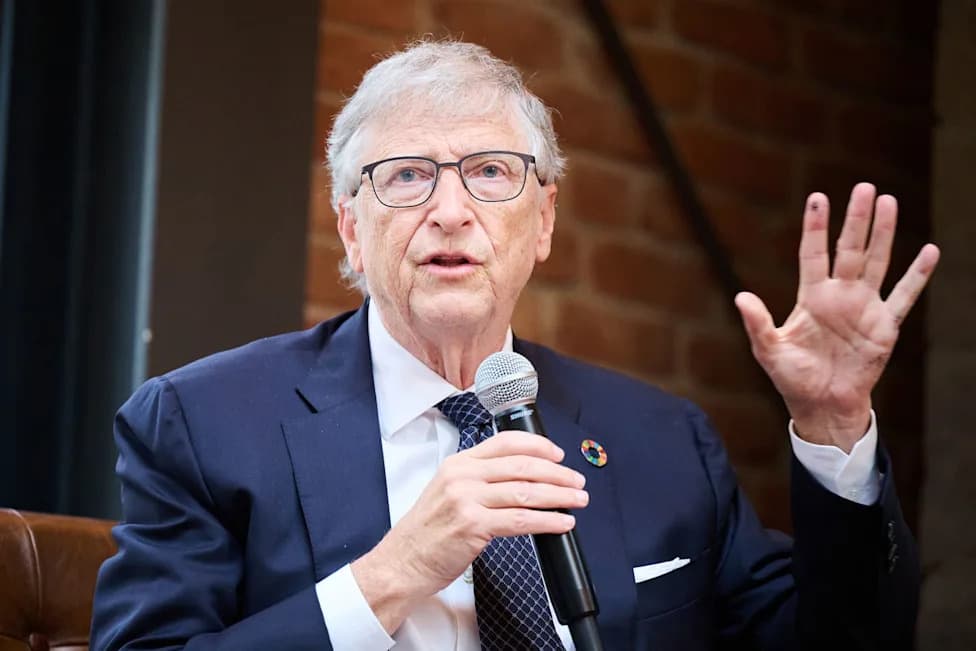
Microsoft co-founder Bill Gates said reaching global agreement on AI regulations will be "more difficult" than Cold War-era talks on nuclear arms. File Photo by Bonnie Cash/UPI
Microsoft co-founder Bill Gates warned on Sept. 27 that negotiating a global framework to regulate artificial intelligence could be "more difficult" than Cold War-era efforts to limit nuclear weapons.
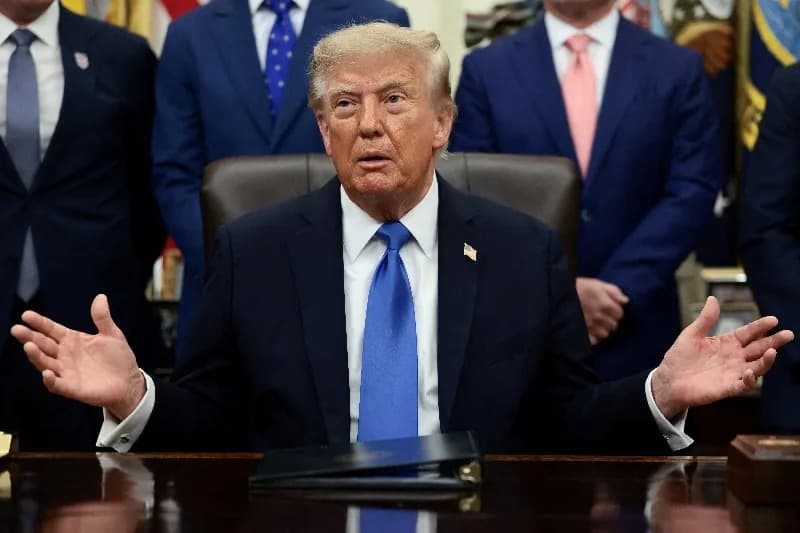
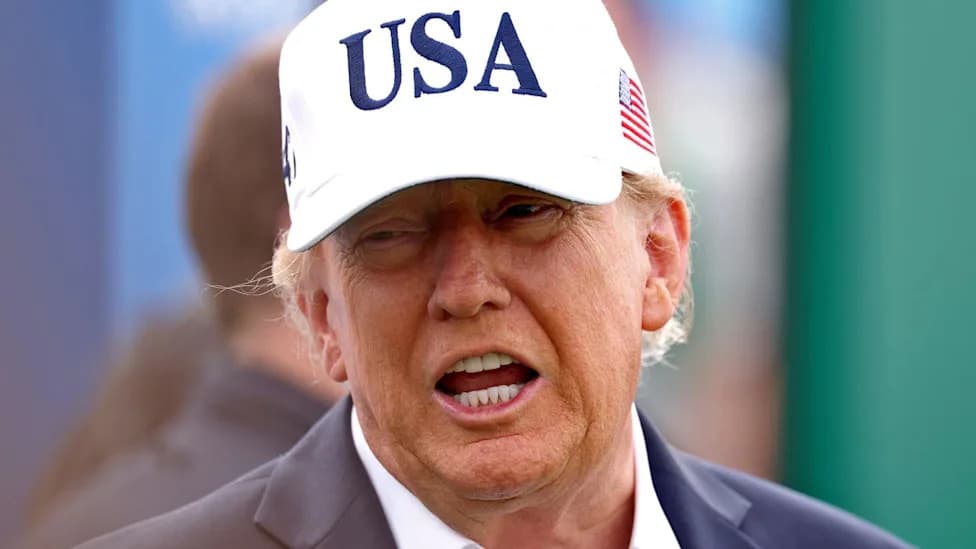
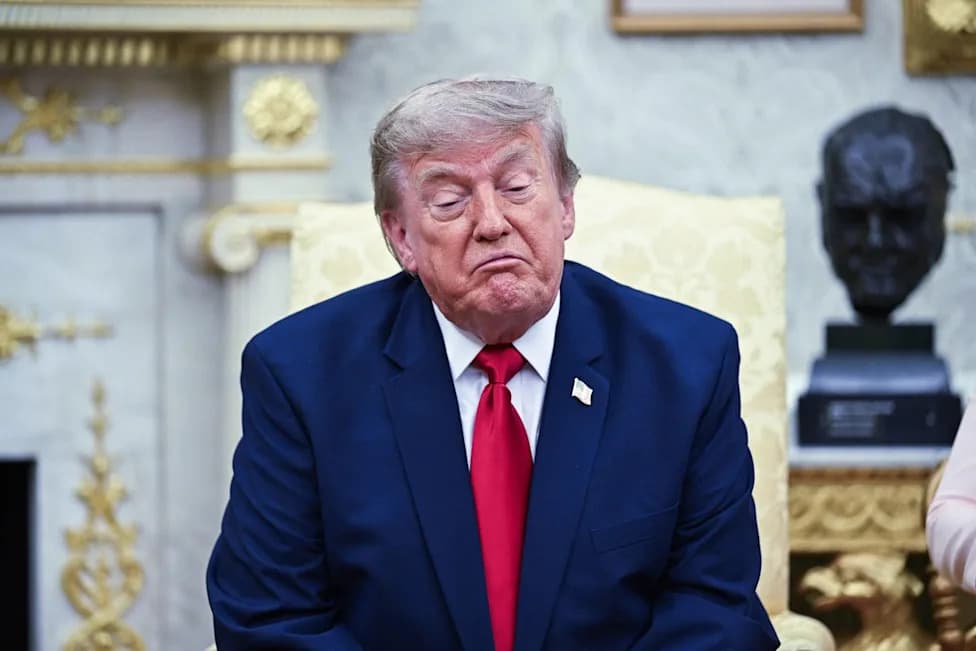
In a pre-recorded interview with NBC News' Meet The Press, Gates said, "This is more difficult than that was." His remarks followed President Donald Trump's recent rejection of calls for federal AI regulation, underscored by a forceful social media post:
"WHOEVER WINS AI, WINS! We Are Leading China, And All Others, And Will Continue To Do So." — President Donald Trump
Gates argued that putting monitoring and safety systems in place for AI companies would not necessarily handicap the United States in its competition with China. "What he said is fine, but I think after he hears from me and other people... that this does not handicap us in whatever he thinks the nation-state race is, we will come to a consensus," Gates said.
He pointed to historical examples where the United States led cooperative international efforts that benefited the world—such as aviation safety agreements, ozone-layer protections and nuclear arms control—and suggested a similar collaborative approach is needed for AI governance. "AI is one we're going to have to go back to this: 'Hey, humanity is all in this together,'" Gates added.
Concerns about advanced AI have intensified recently after former Anthropic researcher Jacob Coxon warned that AI "could kill us all by the end of the decade," a stark statement that has amplified calls for stronger oversight and global coordination.
Help us improve.