Bill Gates told Reuters that governments worldwide are not keeping pace with AI's societal impact and risks falling behind. The Bill & Melinda Gates Foundation pledged at least $1 billion over two years to expand equitable AI access, allocating 40% to education, 40% to health care, 10% to agriculture and 10% to digital infrastructure. The 10th Goalkeepers Report calls for AI that works in every language, fits local contexts, and invests in people and affordable access to avoid widening inequality.
Bill Gates: Governments Are Not "Nearly" Ready for AI — Gates Foundation Pledges $1B to Expand Equitable Access
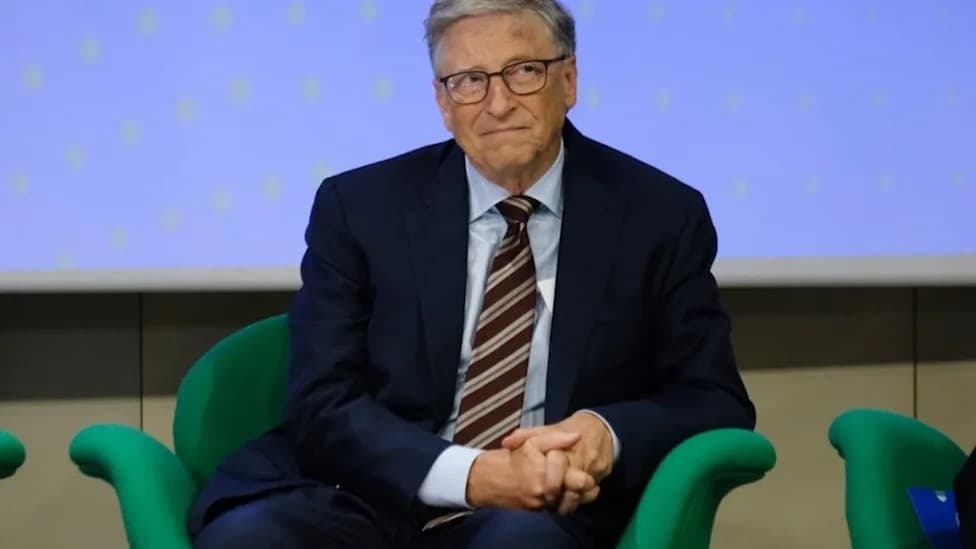
Former Microsoft CEO, Bill Gates during the launch of a new funding partnership to eradicate polio signing ceremony in Brussels, Belgium on October 11, 2023. (Credit: Photo Courtesy: Alexandros Michailidison Shutterstock.com)
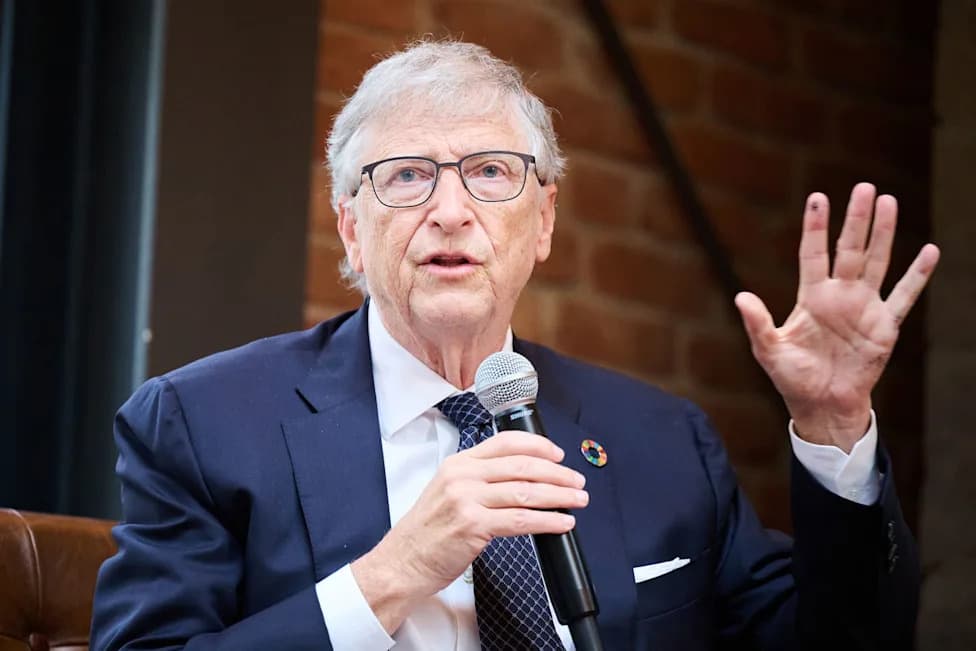
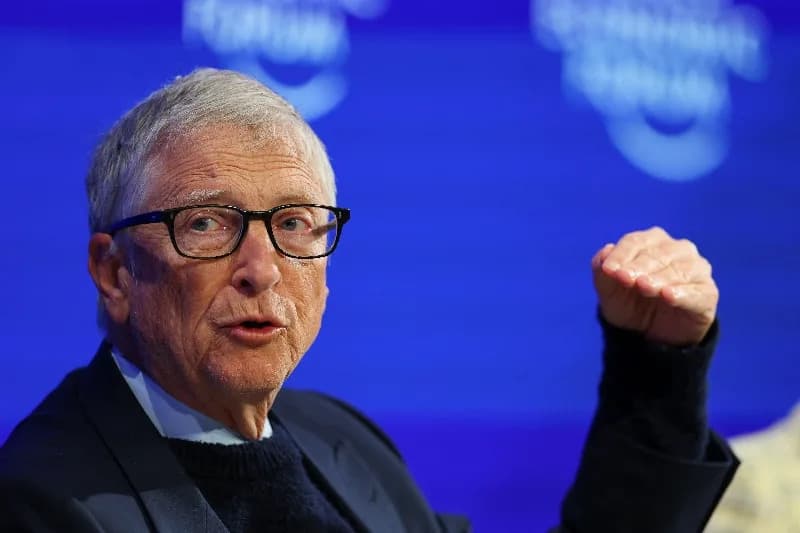
Bill Gates, chair of the Bill & Melinda Gates Foundation, warned Reuters that governments worldwide are not prepared for the societal disruptions artificial intelligence will bring. "I don't think any government is nearly as deep on this as they have to be," Gates said, stressing that policymakers are falling behind as AI accelerates.
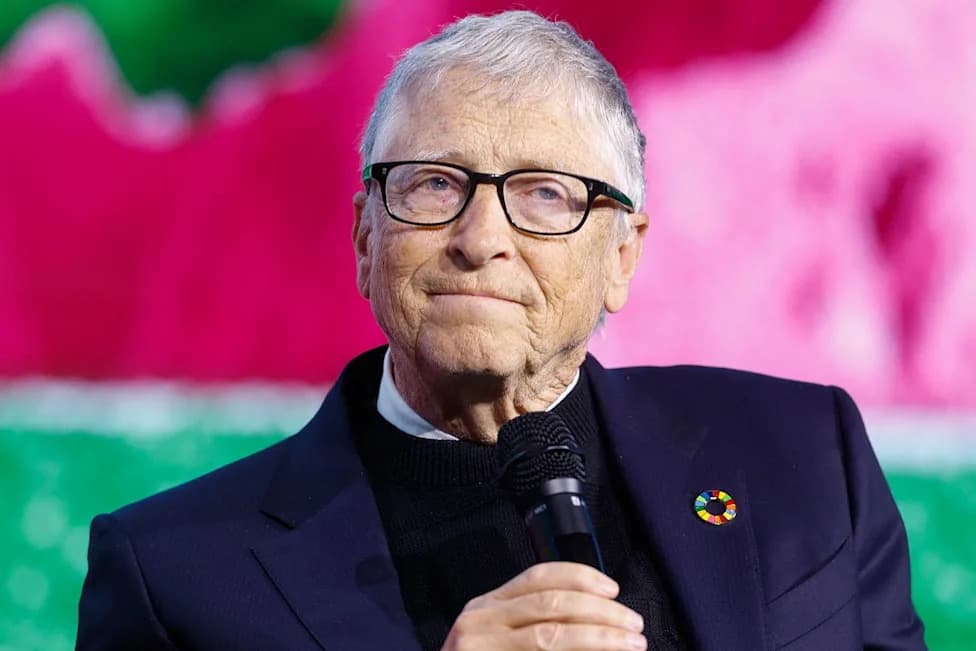
The Gates Foundation has pledged at least $1 billion over the next two years to broaden global access to AI. The commitment accompanies the foundation's 10th Goalkeepers Report, titled Make This Matter: AI, Equity, and the Choice We Can't Delay, which emphasizes using AI to reduce — rather than widen — existing inequalities.
What the Funding Will Support
- Education (40%): AI tutoring, classroom tools, and systems to support teachers and students.
- Health Care (40%): Diagnostics, clinical decision support, maternal and newborn care, and accelerating drug and vaccine discovery.
- Agriculture (10%): AI-generated, locally tailored guidance for smallholder farmers on soil, weather, and crops.
- Digital Infrastructure (10%): Building datasets and tools for languages and contexts currently underserved by AI.
The Goalkeepers report highlights three core priorities: making AI tools work in every language, developing systems suited to local contexts, and investing in people and affordable access so communities can shape how AI is used. The foundation warns that without deliberate action, AI could replicate and accelerate the market-access problems it was created to address, with the most capable tools emerging first for those who can pay.
"If we don't act deliberately, the best tools will be developed first for institutions and people who can afford them," the report says, underscoring the risk of concentrated benefit and growing inequality.
Alongside funding, the foundation plans to support partners scaling successful projects and urged governments and tech companies to invest in making AI more useful, affordable and widely accessible. Gates has repeatedly noted both the promise of AI in areas like health, agriculture and education and the risk that it could concentrate wealth and deepen inequality if left unchecked.
Reporting and statements referenced from Reuters and the Gates Foundation's 10th Goalkeepers Report.
Help us improve.