New York City, led by Mayor Zohran Mamdani and joined by five sanctuary jurisdictions, filed suit to block a July DHS/USCIS rule that expands consideration of noncash benefits when making public‑charge determinations. Mamdani condemned federal enforcement as a "campaign of violence and terror" and warned the policy is already prompting immigrant families to avoid essential services. The White House and USCIS defended the rule as necessary to protect American taxpayers; DHS declined immediate comment.
NYC Sues To Block New Public-Charge Rule; Mayor Mamdani Calls Federal Enforcement a 'Campaign Of Violence And Terror'
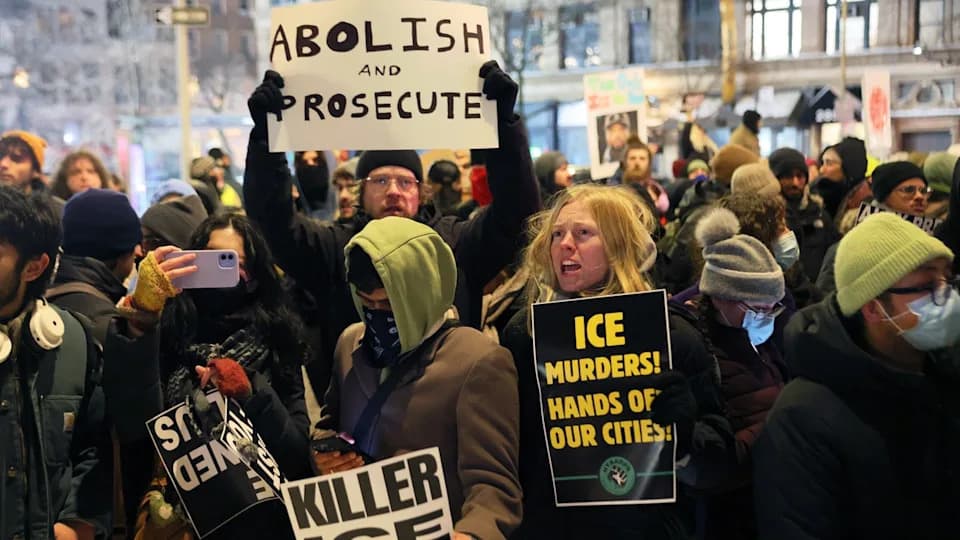
FILE — Protesters take over the lobby of a Manhattan hotel during an anti-ICE demonstration. New York City is leading a legal challenge with Chicago, San Francisco, Seattle, Santa Clara County and King County over changes to the public charge rule.
New York City Mayor Zohran Mamdani on Monday sharply criticized federal immigration enforcement, accusing the administration of waging a "campaign of violence and terror" against immigrant communities he called the backbone of the city. He announced that New York is leading a coalition of sanctuary jurisdictions in a legal challenge to the Trump administration's revised public‑charge rule.
Legal Challenge
The city is spearheading a lawsuit joined by Chicago, San Francisco, Seattle, Santa Clara County and King County to block changes issued in July by the Department of Homeland Security (DHS) and U.S. Citizenship and Immigration Services (USCIS). The new rule expands immigration officers' discretion to consider noncash public benefits—such as Medicaid, SNAP and housing vouchers—when determining whether an immigrant is likely to become a "public charge." The rule was set to take effect on Friday.
Mayor's Remarks
"The federal government has waged a campaign of violence and terror," Mamdani said. "ICE has broken into our neighbors' homes, work sites and schools. And it has targeted those who have come to our country in search of refuge and in search of opportunity. These actions are an assault on our civic fabric, on our shared values. And no matter how much destruction they have already caused, it continues."
Mamdani emphasized the vital role immigrants play in New York City: "Immigrants from every country, from every continent, who speak every language and worship in every conceivable way, drive our buses and our trains, teach our children how to read, and tend to us when we are sick." He also referenced immigrants' historical contributions to labor protections, noting their role in winning the eight‑hour workday and other workplace reforms.
What the Rule Changes
Under the 2022 guidance issued during the Biden administration, adjudicators were largely limited to assessing whether applicants were likely to become "primarily dependent" on cash assistance programs such as Supplemental Security Income (SSI) and Temporary Assistance for Needy Families (TANF). The July rule reverses that narrower standard and allows officers to weigh a broader range of public benefits, including noncash programs.
City Officials' Concerns
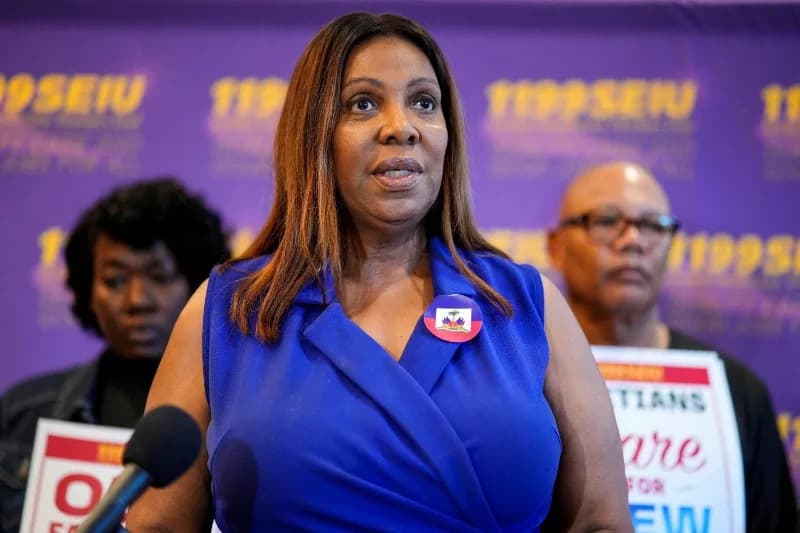
Mamdani and New York Attorney General Letitia James argue the rule is unlawful and will cause "irreparable damage," warning that immigrant families—including those with U.S. citizen children—are already forgoing essential services such as SNAP, Medicaid and affordable housing out of fear that using benefits could jeopardize future immigration applications.
Federal Response
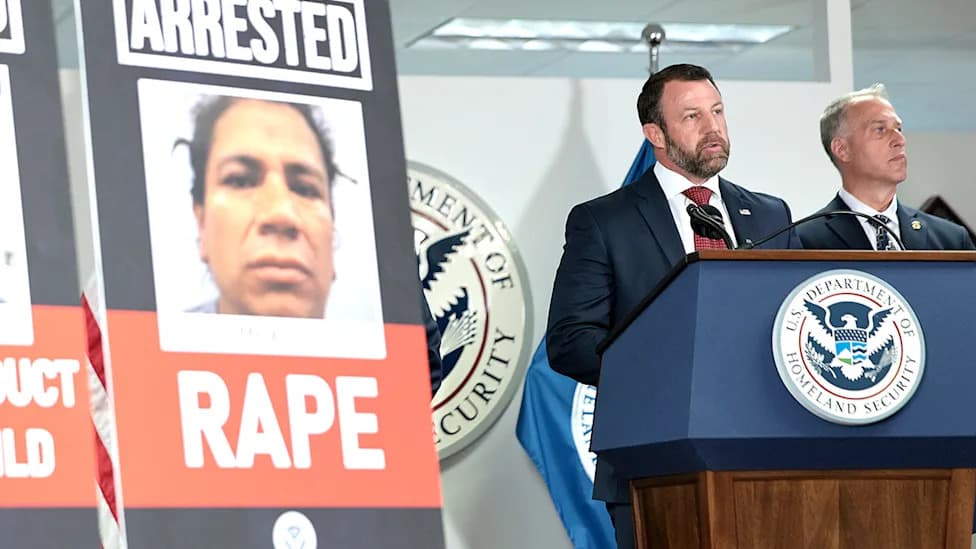
In response to the lawsuits, White House spokeswoman Lauren Bis criticized Democrats and defended the policy: "Immigrants must be able to support themselves and not depend on hard‑working American taxpayers. President Trump and this administration will always put American citizens first." USCIS spokesperson Zach Kahler said the rule is intended to protect the financial well‑being of American taxpayers and uphold the rule of law. DHS did not immediately respond to a request for comment.
Context And Reaction
The legal dispute highlights growing tensions between federal immigration enforcement and sanctuary jurisdictions. Protest images from past anti‑ICE demonstrations in Manhattan underscore the heightened emotions surrounding enforcement actions as cities prepare to press their case in court.
Help us improve.