Overview: The Trump administration reinstated a stricter public-charge rule effective Sept. 18, expanding immigration officers' discretion to consider benefit use in green-card and visa decisions. DHS says the rule supports self-reliance and could reduce federal and state benefit spending by about $13 billion. The policy has prompted lawsuits from cities and more than 20 states, and it comes alongside moves to end Temporary Protected Status for roughly 300,000 people and offers to help some depart voluntarily.
Trump's 'Public-Charge' Rule Prioritizes Taxpayers — What It Means for Immigrants and Cities
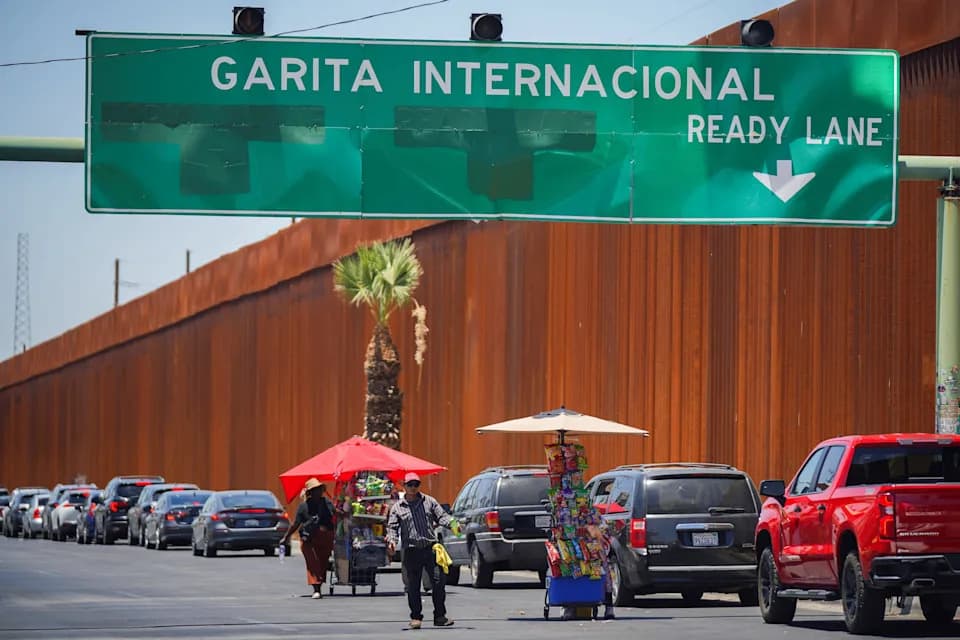
Cars move toward the crossing on the Mexico-U.S. border in Mexicali, Mexico, on June 25, 2026.
When President Donald Trump took office, he emphasized two priorities: repairing the economy and curbing illegal immigration. The administration has now reinstated a stricter "public charge" rule and taken related steps that its supporters say protect taxpayers and encourage self-sufficiency among immigrants.
What the New Public-Charge Rule Does
Effective Sept. 18, the Department of Homeland Security expanded immigration officers' discretion to weigh an applicant's use of public benefits when deciding green cards and visas. The policy revives aspects of the earlier Trump-era test that the Biden administration had loosened. DHS framed the change as returning to a long-standing principle that newcomers should be largely self-reliant: it "aligns with long-standing policy that aliens in the United States should be self-reliant and government benefits should not incentivize immigration."
Fiscal Argument and Projected Savings
Proponents cite fiscal concerns: with U.S. federal debt near $40 trillion, the administration argues it is reasonable to expect legal immigrants seeking permanent residency to avoid dependence on government programs. DHS estimates the public-charge rule could reduce federal and state benefit payments by roughly $13 billion.
Legal Challenges and Political Pushback
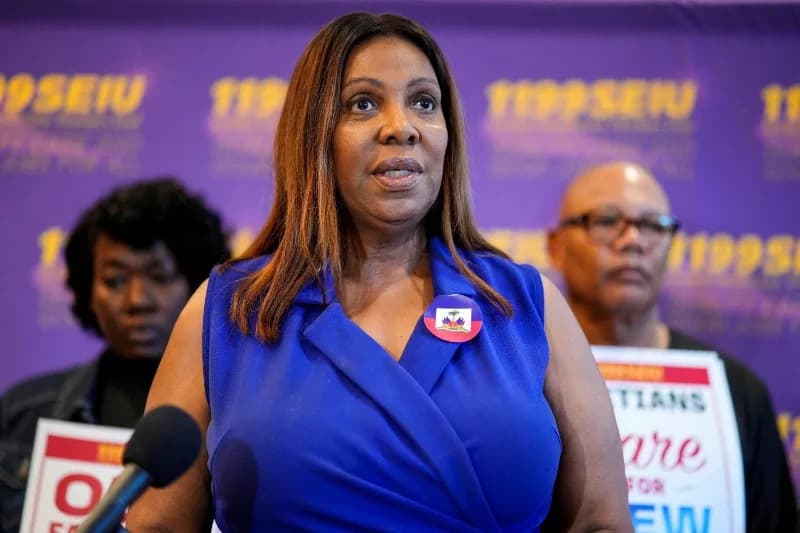
Progressive leaders and multiple states have filed suits to block the rule. New York City Mayor Zohran Mamdani is leading a coalition of cities, and New York Attorney General Letitia James represents more than 20 states in legal challenges.
"Cruelty is the point," AG Letitia James said at a press conference, accusing the policy of chilling immigrant access to services and signaling that newcomers are unwelcome.
Temporary Protected Status and Return Offers
The administration is also moving to end Temporary Protected Status (TPS) for many long-standing recipients. A recent Supreme Court decision cleared the way for roughly 300,000 people from Haiti and other countries to lose TPS; DHS is preparing to remove some of those individuals. The administration has offered incentives for voluntary departures, including free flights home and a payment of $2,600 for those who choose to self-deport.
Border Trends and Public Opinion
The White House says these measures are part of a broader shift in immigration enforcement that has coincided with lower border releases and crossings. In August, U.S. Customs and Border Protection reported a 15th consecutive month with no releases of migrants at the border and described "historically low border crossings." Border Patrol apprehensions along the southern border in July were reported to be about 94% below the monthly average recorded under the Biden administration. Polling cited in the original piece found only 7% of voters naming immigration or border security as the nation’s top issue.
Looking Ahead
Supporters say the rule protects public resources and restores longstanding standards for immigration eligibility. Critics call it punitive and warn it will harm vulnerable families and communities. Legal battles are likely to continue, and the practical effects will depend on how courts, DHS officers and local governments respond in the months ahead.
Author: Ingrid Jacques is a columnist at USA TODAY. Contact: [email protected]; X: @Ingrid_Jacques.
Originally published in USA TODAY: "Trump's public charge rule puts taxpayers first on immigration | Opinion."
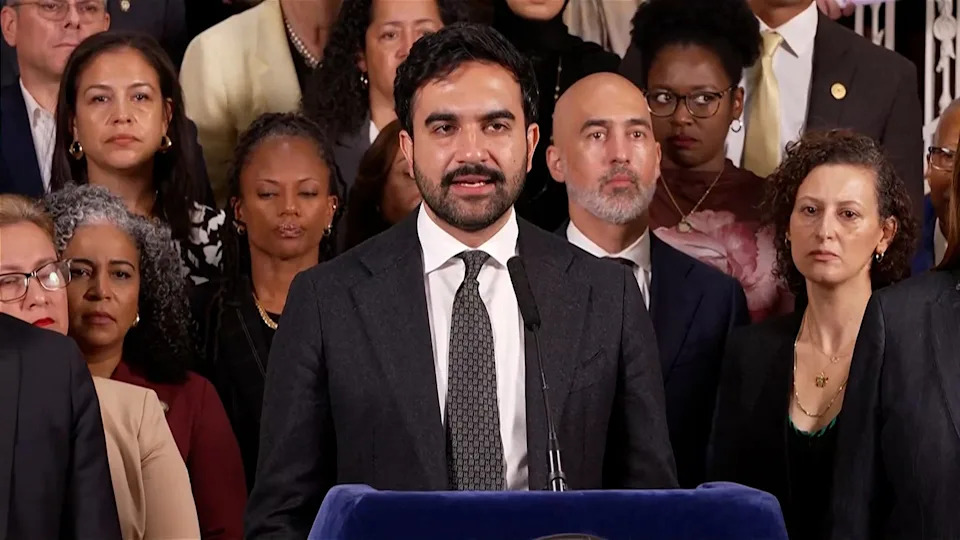
Mamdani leads cities in lawsuit challenging Trump public charge rule and its impact on immigrant families.
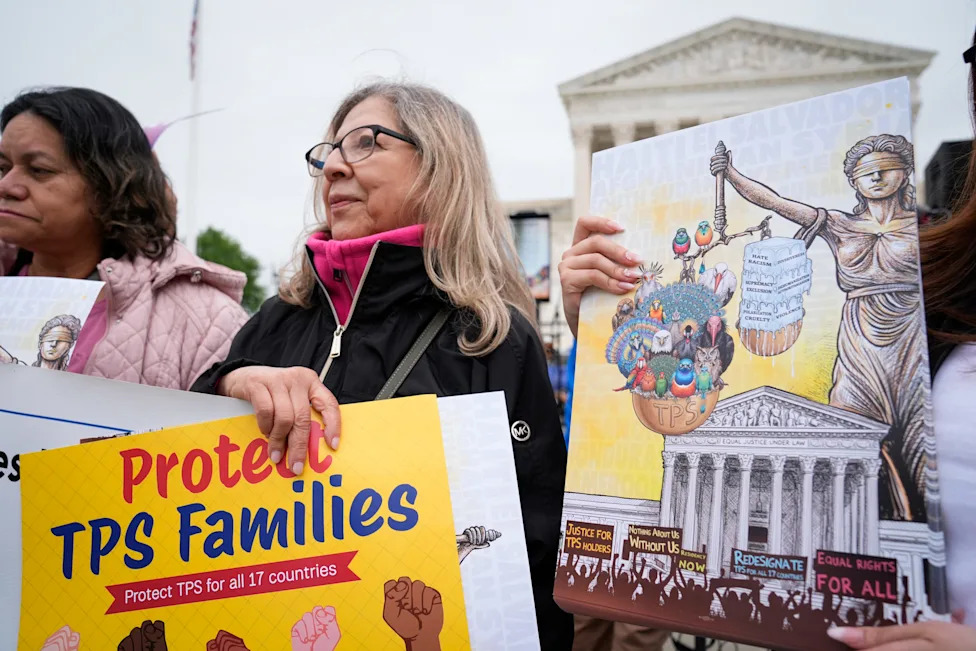
Protestors gather outside theSupreme Courtduring oral arguments for two cases regarding the Trump administration ending the Temporary Protected Status program for Syrians and Haitians, on April 29, 2026, in Washington, DC.(Jack Gruber, USA TODAY)
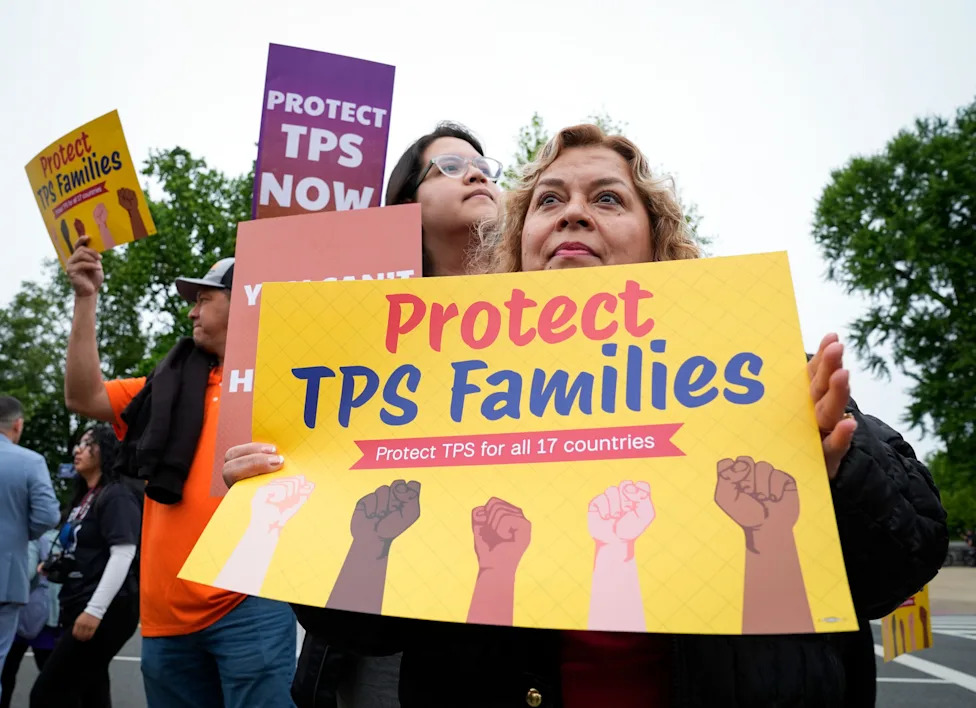
Protestors gather outside the Supreme Court during oral arguments for two cases regarding the Trump administration ending the Temporary Protected Status program for Syrians and Haitians, on April 29, 2026, in Washington, DC.(Jack Gruber, USA TODAY)
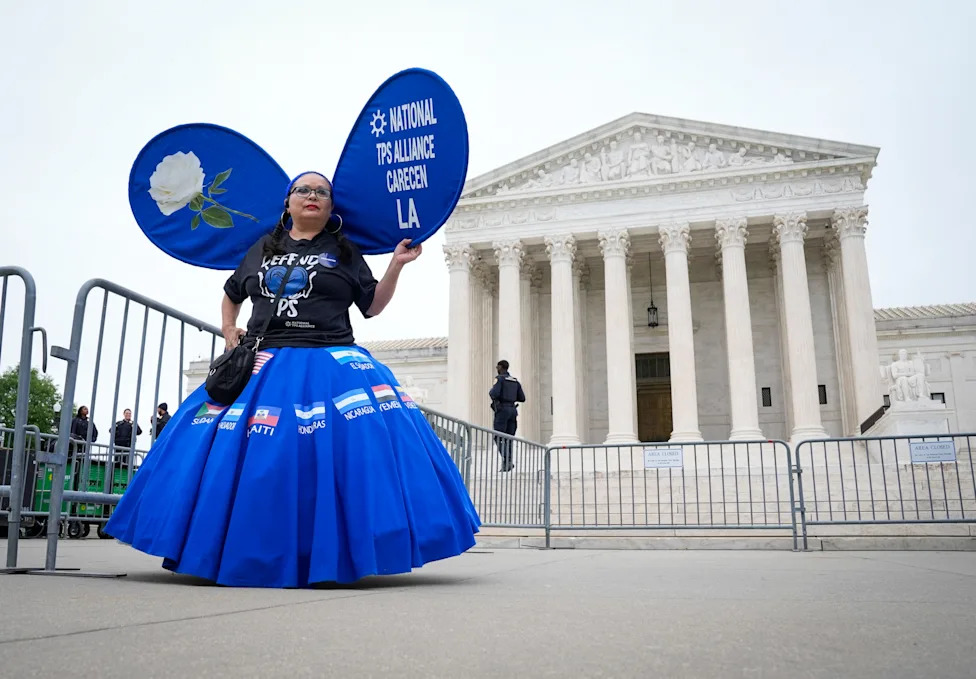
Protestors gather outside the Supreme Court during oral arguments for two cases regarding the Trump administration ending the Temporary Protected Status program for Syrians and Haitians, on April 29, 2026, in Washington, DC.(Jack Gruber, USA TODAY)
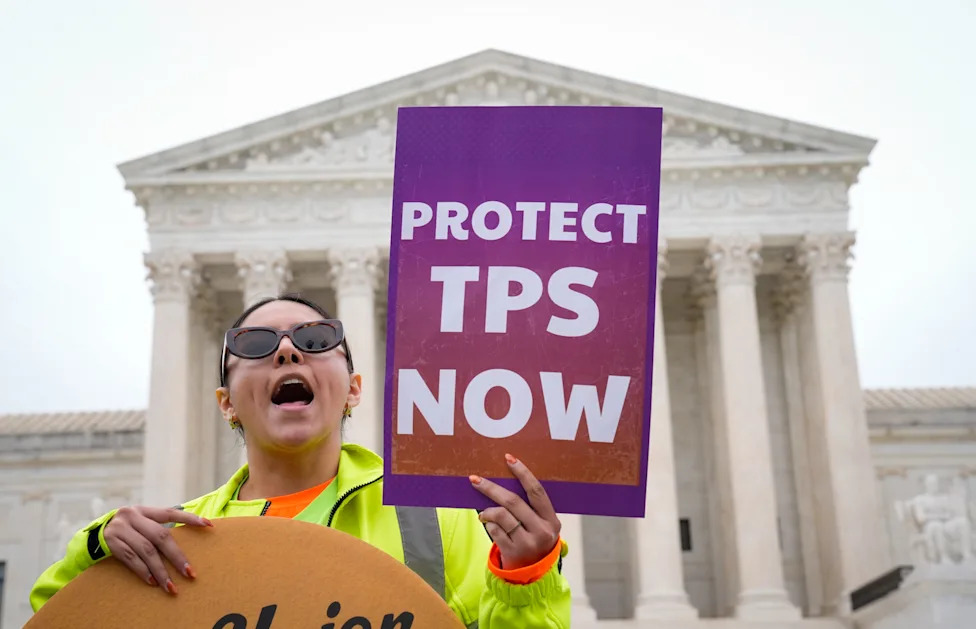
Protestors gather outside the Supreme Court during oral arguments for two cases regarding the Trump administration ending the Temporary Protected Status program for Syrians and Haitians, on April 29, 2026, in Washington, DC.(Jack Gruber, USA TODAY)

Protestors gather outside the Supreme Court during oral arguments for two cases regarding the Trump administration ending the Temporary Protected Status program for Syrians and Haitians, on April 29, 2026, in Washington, DC.(Jack Gruber, USA TODAY)
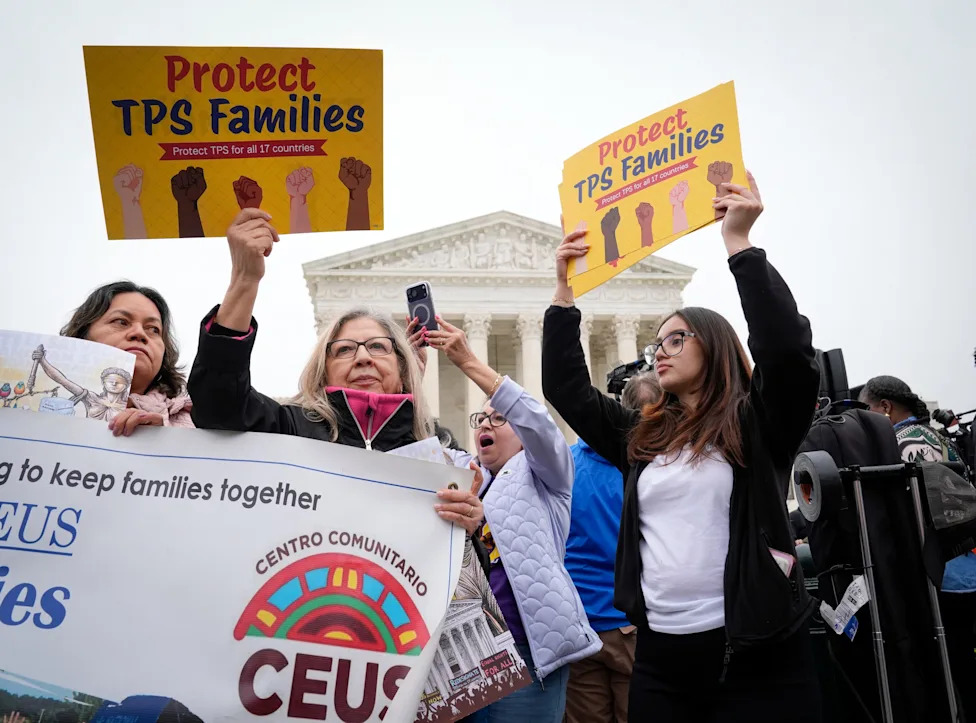
Protestors gather outside the Supreme Court during oral arguments for two cases regarding the Trump administration ending the Temporary Protected Status program for Syrians and Haitians, on April 29, 2026, in Washington, DC.(Jack Gruber, USA TODAY)
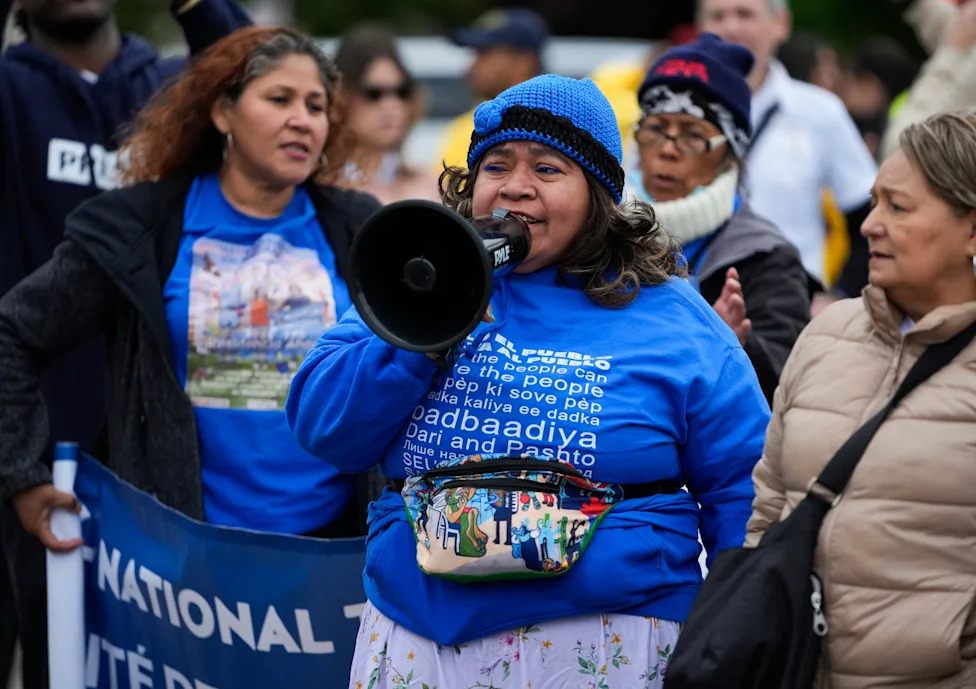
Protestors gather outside the Supreme Court during oral arguments for two cases regarding the Trump administration ending the Temporary Protected Status program for Syrians and Haitians, on April 29, 2026, in Washington, DC.(Jack Gruber, USA TODAY)
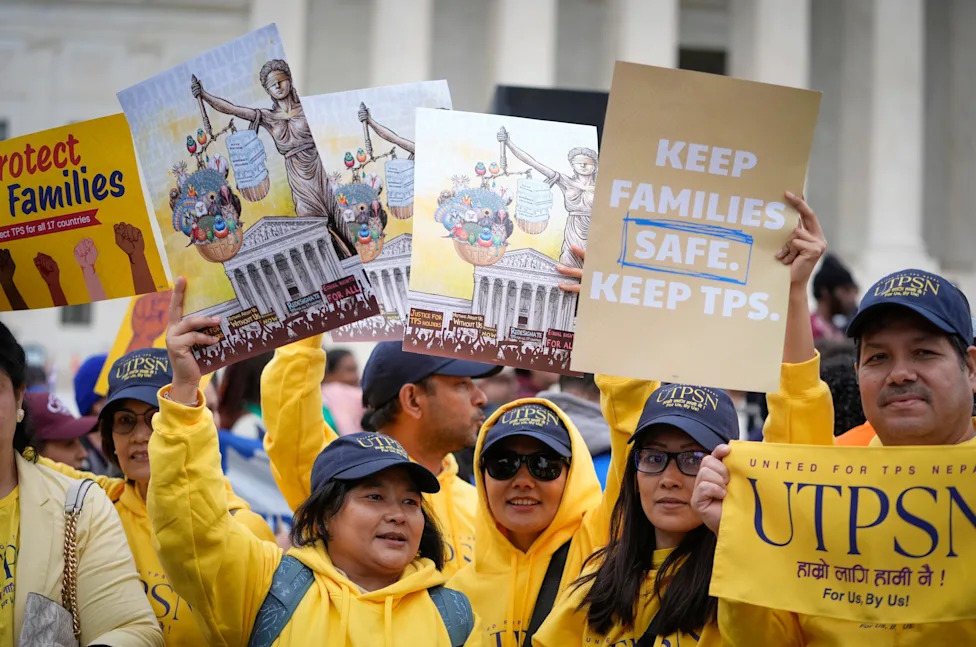
Protestors gather outside the Supreme Court during oral arguments for two cases regarding the Trump administration ending the Temporary Protected Status program for Syrians and Haitians, on April 29, 2026, in Washington, DC.(Jack Gruber, USA TODAY)
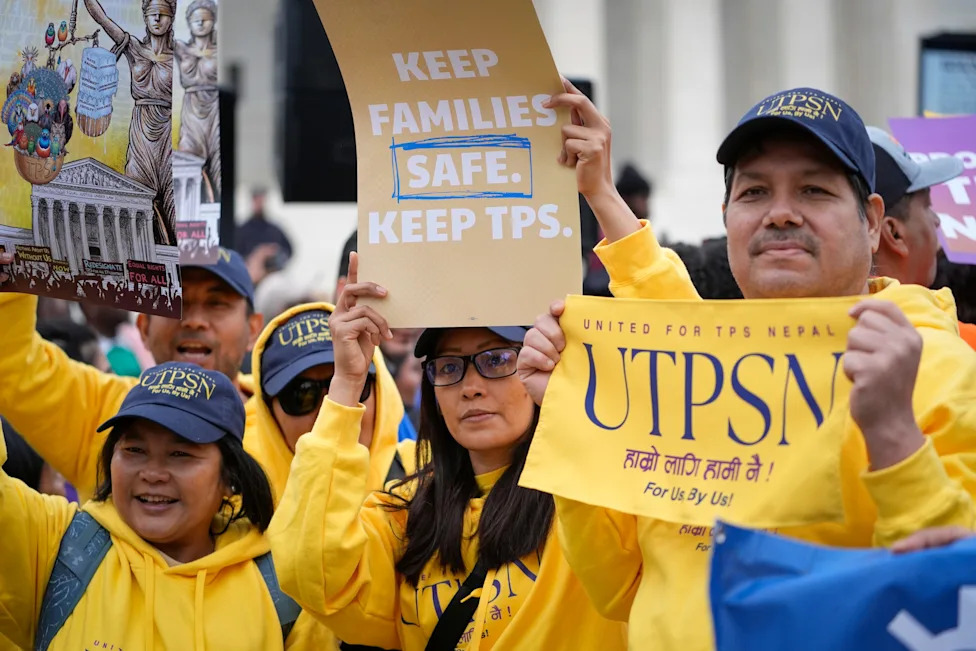
Protestors gather outside the Supreme Court during oral arguments for two cases regarding the Trump administration ending the Temporary Protected Status program for Syrians and Haitians, on April 29, 2026, in Washington, DC.(Jack Gruber, USA TODAY)
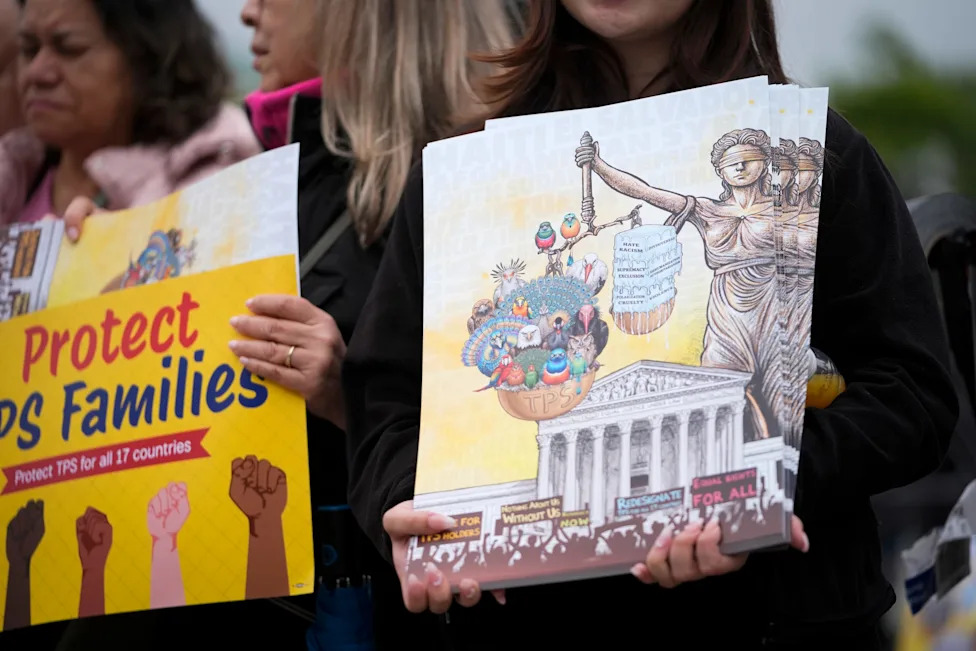
Protestors gather outside the Supreme Court during oral arguments for two cases regarding the Trump administration ending the Temporary Protected Status program for Syrians and Haitians, on April 29, 2026, in Washington, DC.(Jack Gruber, USA TODAY)
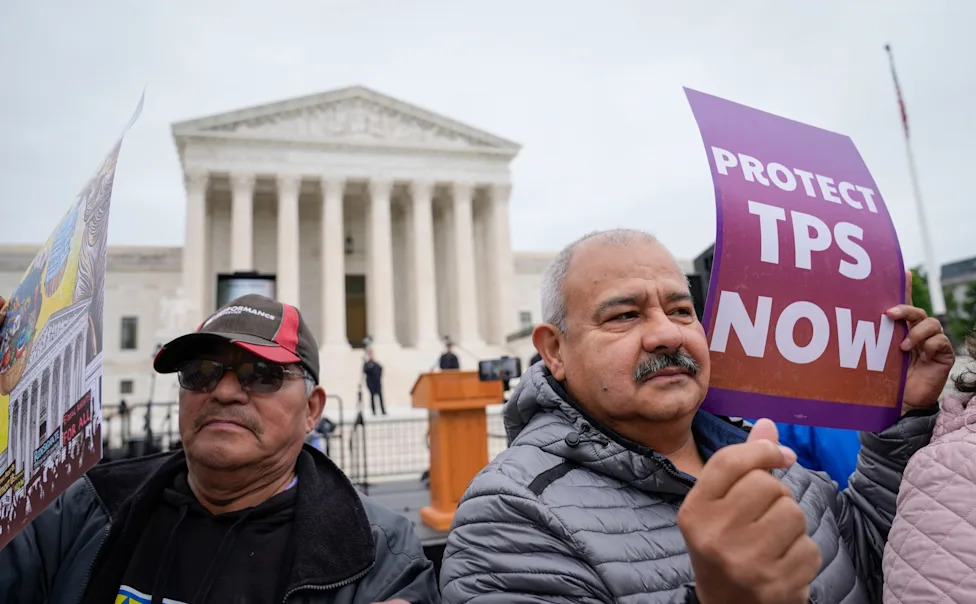
Protestors gather outside the Supreme Court during oral arguments for two cases regarding the Trump administration ending the Temporary Protected Status program for Syrians and Haitians, on April 29, 2026, in Washington, DC.(Jack Gruber, USA TODAY)
Help us improve.