Pope Leo XIV urged young Europeans not to lose hope as he concluded a four-day visit to France, telling an audience in Metz, “Don't fear the future.” He warned that relations among people and states are growing “increasingly barbaric,” and decried a rise in lies and broken promises without naming specific leaders. Speaking beside President Emmanuel Macron, the pope called on Europe to stop a “downward spiral,” citing 80 years of cooperation as proof that unity can overcome conflict. He chose Metz to honor Robert Schuman, a founding father of the European Union.
Pope Leo XIV to Young Europeans: Don't Fear the Future — A Call for Unity in Metz
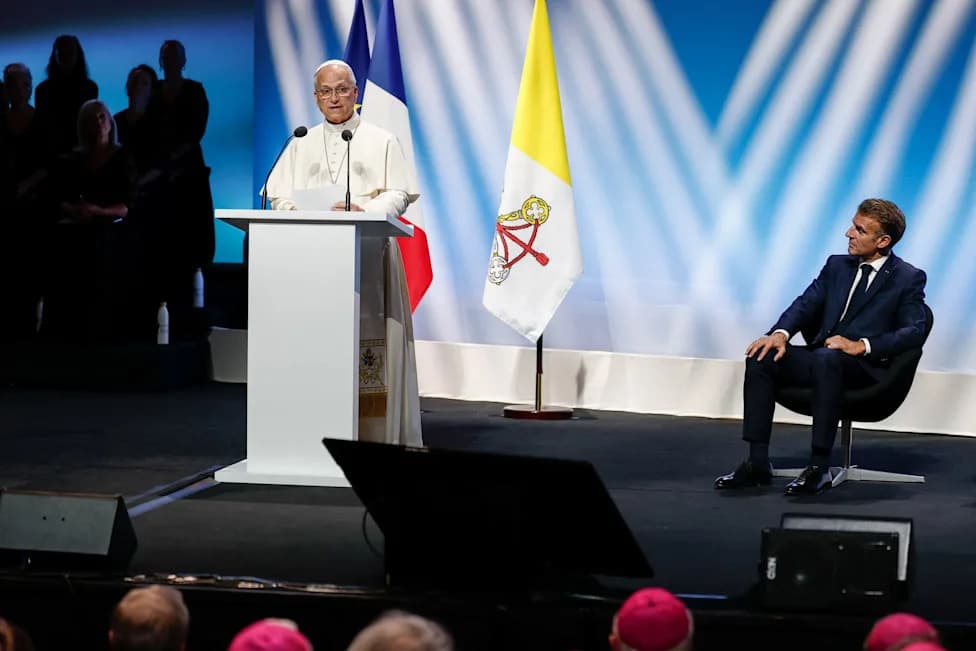
French President Emmanuel Macron looks on as Pope Leo XIV speaks at the meeting "At the Roots of Europe for Peace and Unity". (is associated with: «'Don't fear the future,' Pope Leo tells young people in Europe») Benoit Tessier/PA Wire/dpa
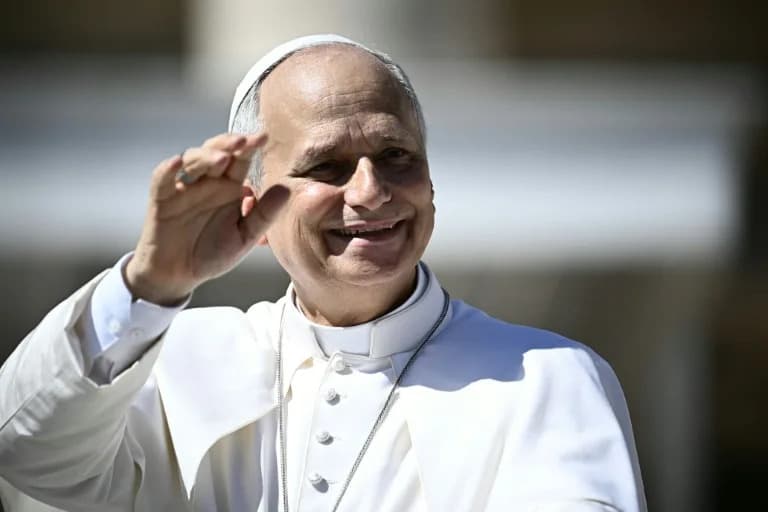
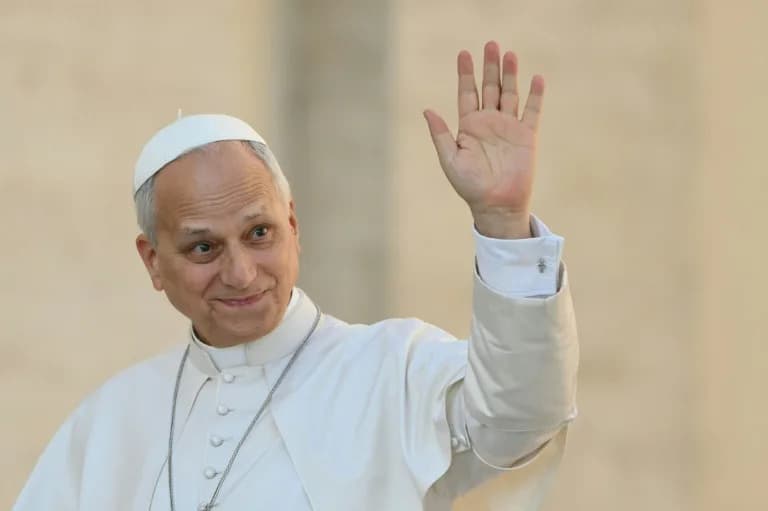
Pope Leo XIV appealed directly to young people across Europe, urging them not to be disheartened by the crises and conflicts shaping the world as he closed a four-day visit to France in Metz.
“Don't fear the future,” the pope told an audience on Monday, warning that relations between people and between states are becoming “increasingly barbaric.” He added that the pledge of a given word is too often disregarded and that many now rely on lies and deception, though he did not single out specific politicians or countries.
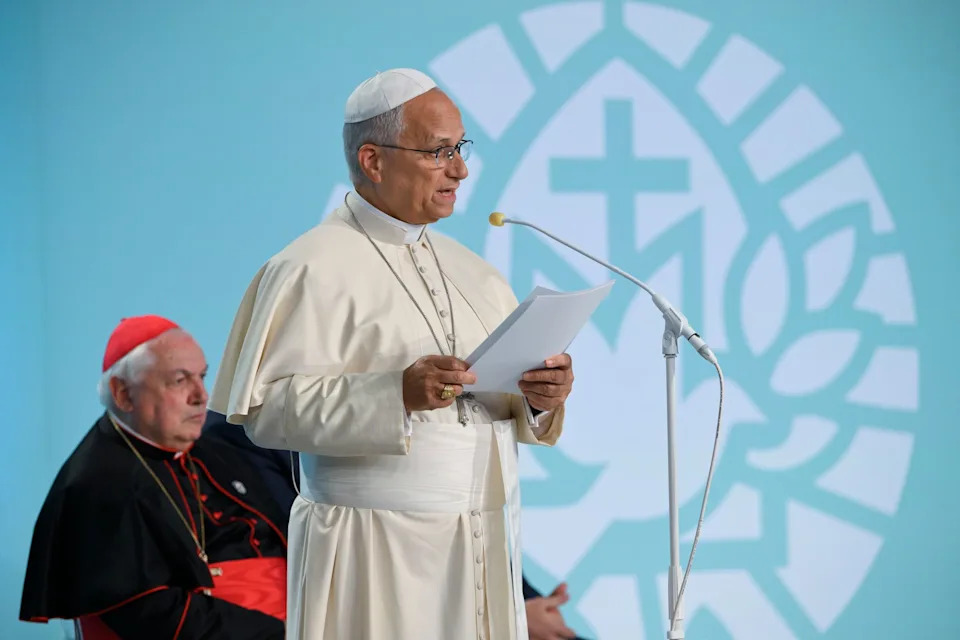
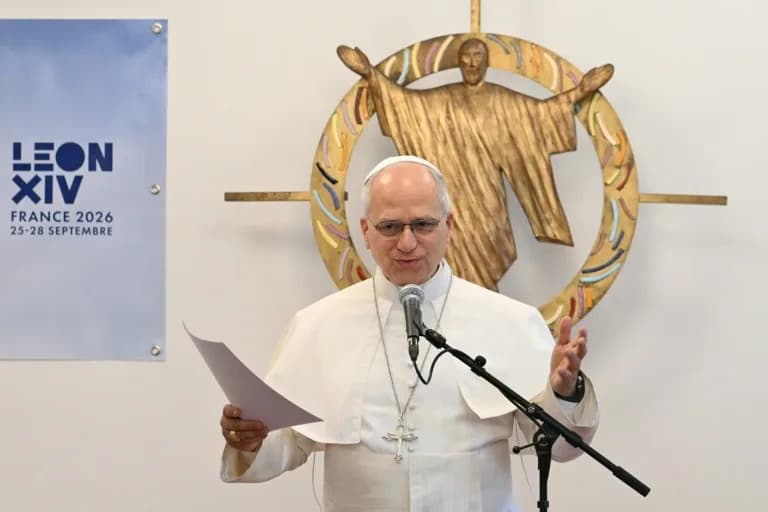
Pope Leo XIV speaks during an Interreligious meeting at the Robert Schuman Congress Center. (is associated with: «'Don't fear the future,' Pope Leo tells young people in Europe») Vatican Media/IPA via ZUMA Press/dpa
Standing alongside French President Emmanuel Macron, Pope Leo appealed to Europeans to halt what he called a “downward spiral” and to renew a commitment to cooperation rather than confrontation. He pointed to the past eight decades as evidence that competing interests and diverse opinions can be managed through dialogue and unity rather than warfare.
Metz was chosen as the final stop on the trip because it was the hometown of Robert Schuman (1886–1963), one of the architects of postwar European integration. As foreign minister after World War II, Schuman helped lay the political and institutional groundwork that eventually became today’s European Union.
The pope delivered these remarks during an interreligious meeting at the Robert Schuman Congress Center in Metz.
Help us improve.