Pope Leo XIV told UNESCO in Paris that artificial intelligence must serve human dignity and should not become an "instrument of domination and injustice." He warned that judging people only by productivity risks dehumanisation, urged stronger safeguards for children online, and linked unchecked scientific progress to the danger of weaponisation. The Pope also called for renewed trust in international institutions and reaffirmed the Vatican's opposition to nuclear weapons and defence of the right to life.
Pope Leo XIV Warns AI Must Serve Humanity, Not Become An Instrument Of Domination
AI must serve humans, rather than 'become an instrument of domination and injustice', pope warns
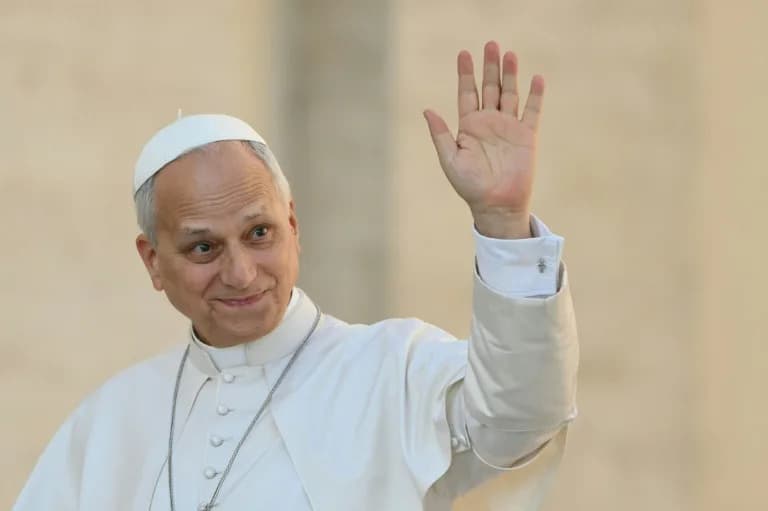
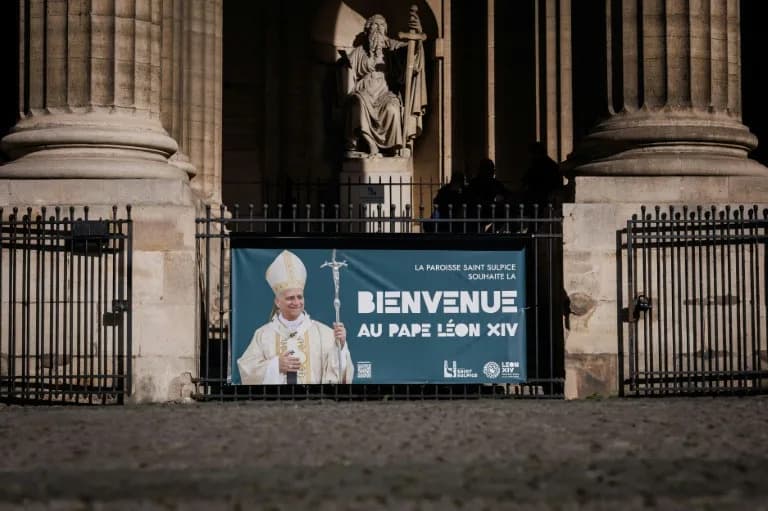
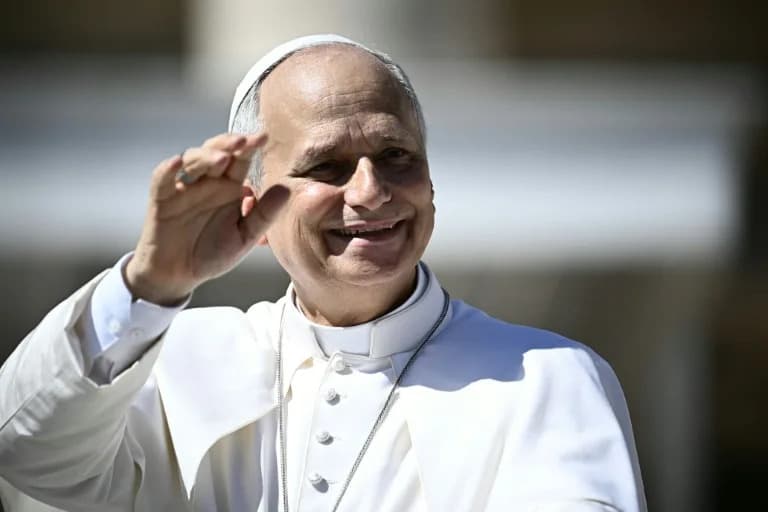
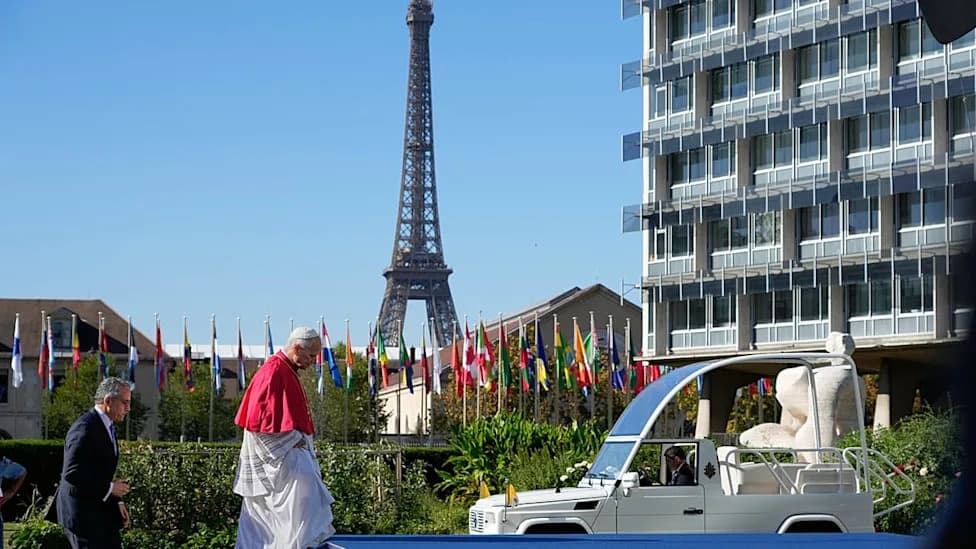
Pope Leo XIV warned at UNESCO headquarters in Paris that artificial intelligence must "remain at the service of the human person" and should not become "yet another instrument of domination and injustice." Speaking during his four-day visit to France, the pontiff cautioned that unchecked AI and an overemphasis on efficiency risk a "process of dehumanisation" that impoverishes ideas and relationships.
AI and Human Dignity
Delivering parts of his address in both French and English, the Pope argued that judging people solely by a single "criterion of efficiency" undermines respect for human dignity and can lead societies to discard "those who are no longer productive." He linked this critique to a broader call for regulation and ethical guidance around AI.
"New technologies must remain at the service of the human person, not become instruments of domination and injustice," the Pope said.
Encyclical and Policy Context
The pontiff has made AI a central theme of his papacy. In May he published a 42,300-word encyclical titled "Magnifica humanitas", warning of the risks unregulated AI poses and urging stronger oversight. He also stressed that scientific progress, "when it's severed from wisdom, can turn into a weapon of destruction."
Protecting Children Online
The Pope emphasised the need for adequate safeguards to protect young people online, warning that the "vulnerability" of children must "never become an opportunity for exploitation." He pointed to ongoing European policy debates — including school phone bans and the European Commission's proposed Kids Act, aimed at restricting social media access for under-13s — as part of wider efforts to shield children from online harm.
International Dialogue, Peace and Institutions
Invoking UNESCO's motto — that "since wars begin in the minds of women and men, it is in the minds of women and men that the defences of peace must be constructed" — the Pope placed his remarks about technology in the context of global conflict, including unrest in the Middle East and Russia's invasion of Ukraine. He described international institutions as necessary but sometimes viewed "with mixed feelings," calling for renewed trust and sincere dialogue to address challenges no single state can face alone.
Tensions, Rights and Nuclear Opposition
During his visit, President Emmanuel Macron hosted the Pope at the Elysée Palace, where the pontiff met diplomats, Notre-Dame firefighters and religious leaders. Addressing domestic controversies, he reaffirmed the centrality of the human right to life, calling it "the indispensable foundation to every other human right," amid recent French developments including the 2024 constitutional enshrinement of abortion rights and a law on assisted dying in extreme medical situations. The Pope also reiterated the Vatican's firm opposition to nuclear weapons and rejected the belief that nuclear deterrence offers true solutions.
Visit Highlights
After the UNESCO address the Pope rode through Paris in his popemobile, attended Vespers at Notre-Dame-de-Paris cathedral and led an evening prayer vigil with young people at the Stade de France in Saint-Denis.
Help us improve.