The pope wraps up a four-day visit to France with a stop in Metz, a city linked to EU founder Robert Schuman, where he will stress European unity amid rising nationalism and the fifth year of the war in Ukraine. The trip drew massive crowds—reported as 1.3 million across Paris and Lourdes and about 800,000 at a Champs-Élysées Mass—and involved tight security measures, including deminers at St Stephen's Cathedral. He met migrants and abuse survivors, urged bishops to confront clerical abuse, cautioned against dehumanizing technology, and said assisted dying was not "normal."
Pope to Urge European Unity in Metz Visit Linked to Robert Schuman
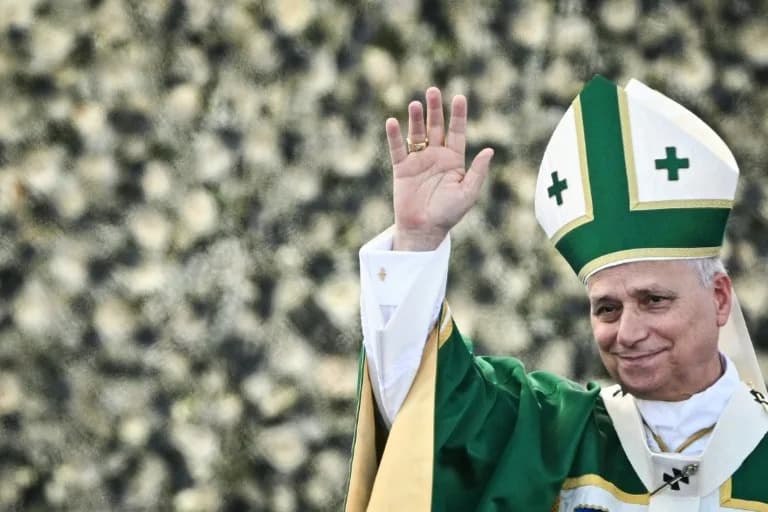
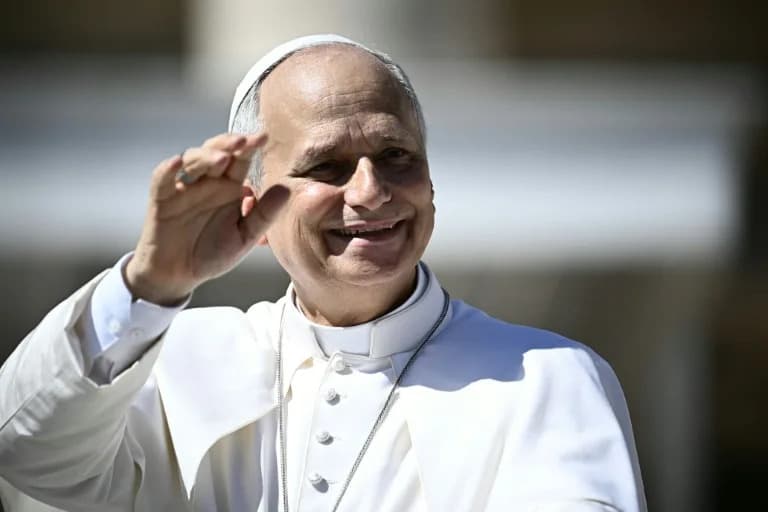
Leo's visit stirred enthusiasm and religious fervour among the faithful (Lionel BONAVENTURE)
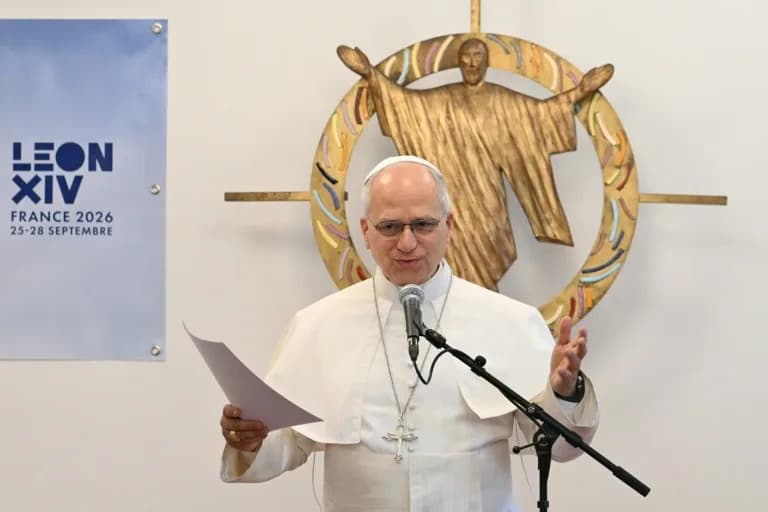
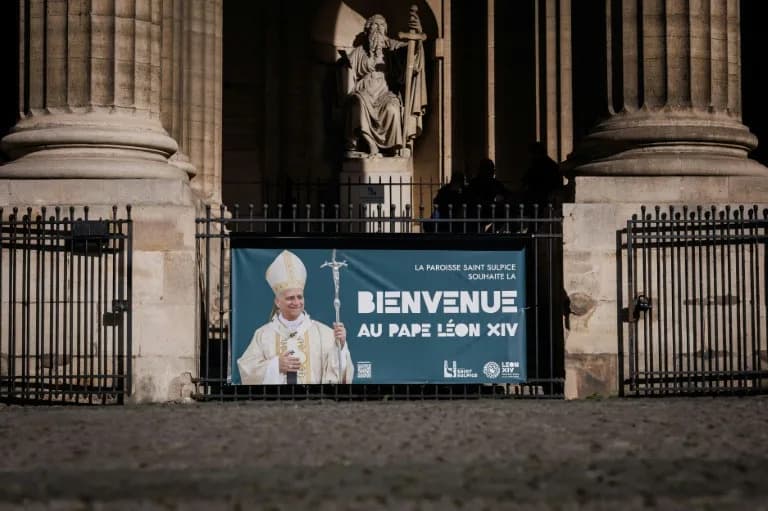
The pope concludes a four-day visit to France in Metz, a northeastern border city steeped in European history, where he is set to deliver a speech on the "roots of Europe" and the need for continental unity.
Metz, a city of roughly 120,000 that changed hands between France and Germany in past conflicts, is closely associated with Robert Schuman, one of the founding figures of the European Union, who is buried nearby. The visit underscored the city's symbolic role in European reconciliation and integration.
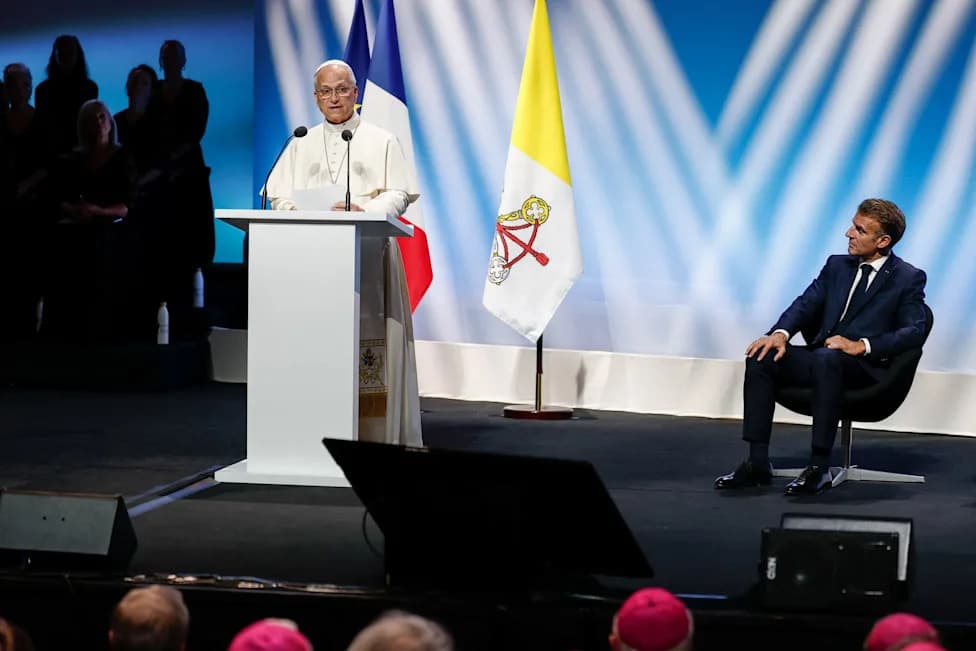
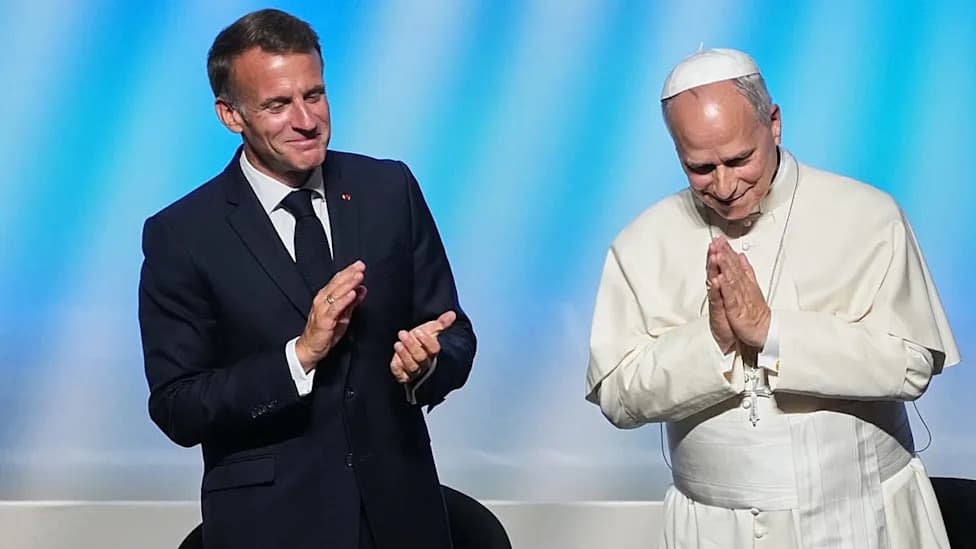
Speaking at a moment of rising nationalist sentiment across the continent and with Russia's war in Ukraine in its fifth year, the pope is expected to emphasize solidarity, peace and the European project as a counterweight to global tensions. President Emmanuel Macron and a number of other European leaders were reported to be in attendance.
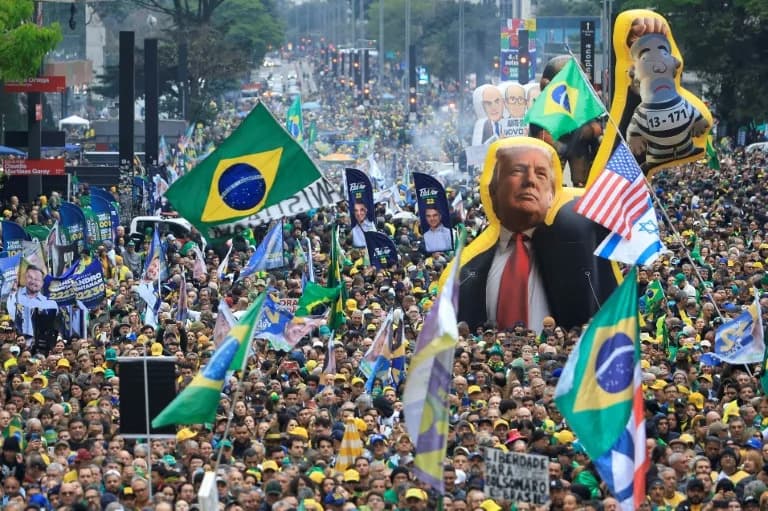
Reuters and Vatican sources reported large crowds across the pope's itinerary: more than 1.3 million people in Paris and Lourdes over the weekend, and an estimated 800,000 at a Mass on the Champs-Élysées. In Metz, hotels were booked up and restaurants reported a surge in reservations as locals and visitors prepared for the papal events.
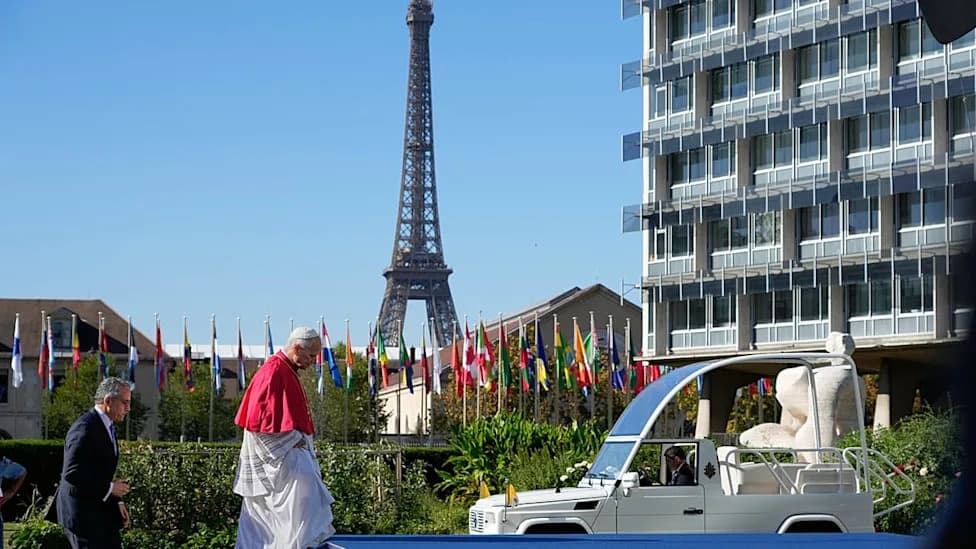
The pope will process through Metz in an open-top popemobile and celebrate Mass in St Stephen's Cathedral, a celebrated example of Gothic architecture. "The scale of the preparations is enormous," said local resident Anne Padoreck, as authorities completed meticulous security checks that included deminers inspecting the cathedral's façade.
"The visit carries strong symbolic significance," Archbishop Philippe Ballot of Metz said, noting the city's history and the scars left by "three wars, including two world wars."
Throughout his trip the pope met a wide cross-section of people: he greeted crowds warmly, blessed children and people with disabilities, met migrants and spoke with victims of clerical sex abuse, urging bishops to confront the "scourge". He also reiterated concerns about society's relationship with technology, warning against "losing humanity in a paradise of machines," and said assisted dying was not "normal" after France's parliament extended legalization for certain patients.
Beyond the pastoral engagements, the visit took on a political tone because of its timing—months ahead of France's presidential succession contest—highlighting how papal comments on unity, migration and human dignity intersect with major public debates in Europe.
According to Vatican briefings, the pope used the trip to reinforce the core priorities of his pontificate: peace, human dignity, social cohesion and the moral challenges posed by rapid technological change.
Help us improve.