Pope Leo XIV began a four-day state visit to France — the first by a Vatican head of state in 18 years — arriving outside Paris at 10:00 a.m. He will meet President Emmanuel Macron and address AI regulation at UNESCO, while large public events include a 2.5-kilometre popemobile procession to Notre Dame and a Mass for 80,000 young people in Saint-Denis featuring a Passion relic. The visit also includes a private meeting with seven abuse survivors in Lourdes and a closing speech on European peace in Metz, where EU leaders have been invited.
Pope Leo XIV Begins Four-Day State Visit to France, Emphasizing AI, Youth and European Peace
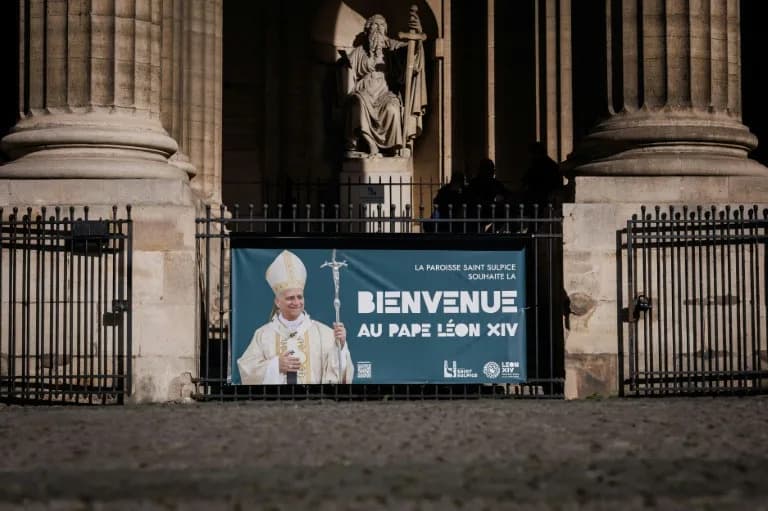
A million people are expected at the various events to be held in Paris (Simon WOHLFAHRT)
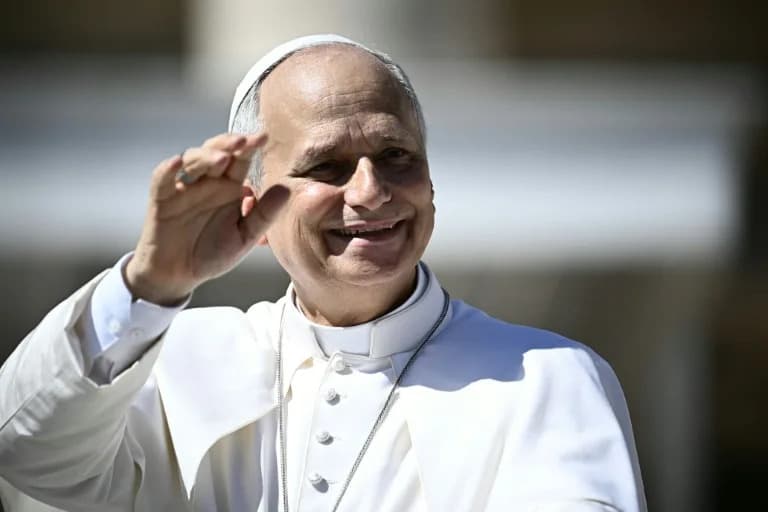
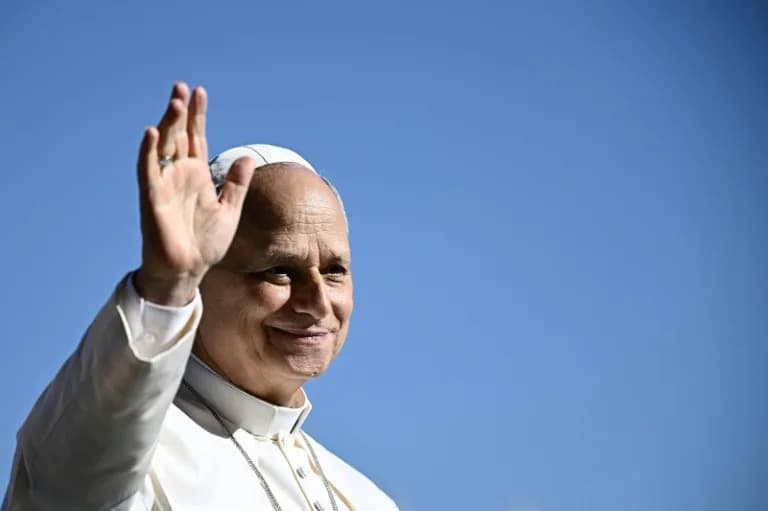
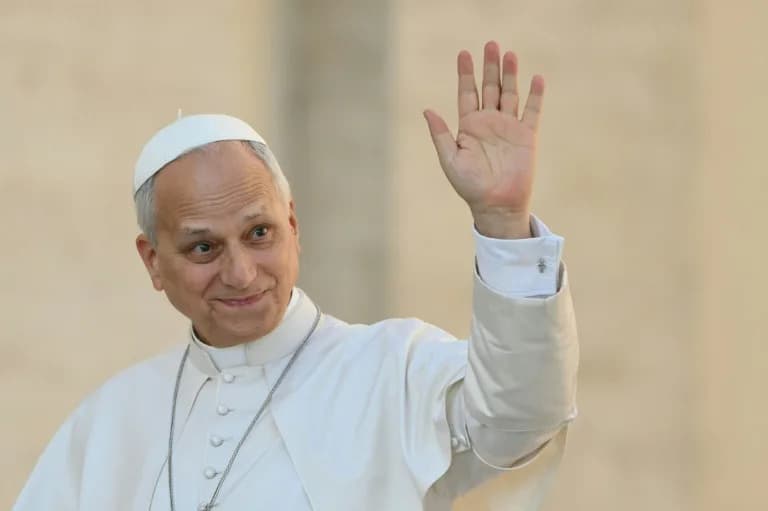
Pope Leo XIV arrived outside Paris on Friday to begin a four-day state visit to France — the first official trip by a Vatican head of state to the country in 18 years. Church bells across the nation were scheduled to peal for seven minutes as the US-born pontiff, who also holds Peruvian ties, landed at 10:00 a.m. (0800 GMT). President Emmanuel Macron and his wife Brigitte met the 71-year-old pope on the tarmac.
Agenda and Key Themes
The pope's programme places artificial intelligence, outreach to young Catholics, migration, clerical sexual abuse and a call for peace in Europe at the center of his visit. He is expected to call for stronger regulation of AI during an address at UNESCO, stressing human dignity, education and responsibility in the face of new technologies.
Monsignor Roberto Campisi, the Holy See's permanent observer to UNESCO, said the pope would emphasize "human dignity, peace, education and responsibility in the face of new technologies."
Major Public Events
Organizers expected around one million people to attend events across Paris during the first two days. On Friday afternoon the pope will travel a 2.5-kilometre (1.5-mile) route in the popemobile to Notre Dame cathedral, becoming the first pope to inspect the cathedral’s repairs after the devastating 2019 fire.
The day closes with a Mass and hymns for roughly 80,000 young people (ages 17–35) at a stadium in Saint-Denis. For that occasion, a relic believed to be the tunic Jesus wore during the Passion will be moved from Saint-Denis Cathedral to the stadium.
Lourdes, Abuse Survivors and Metz
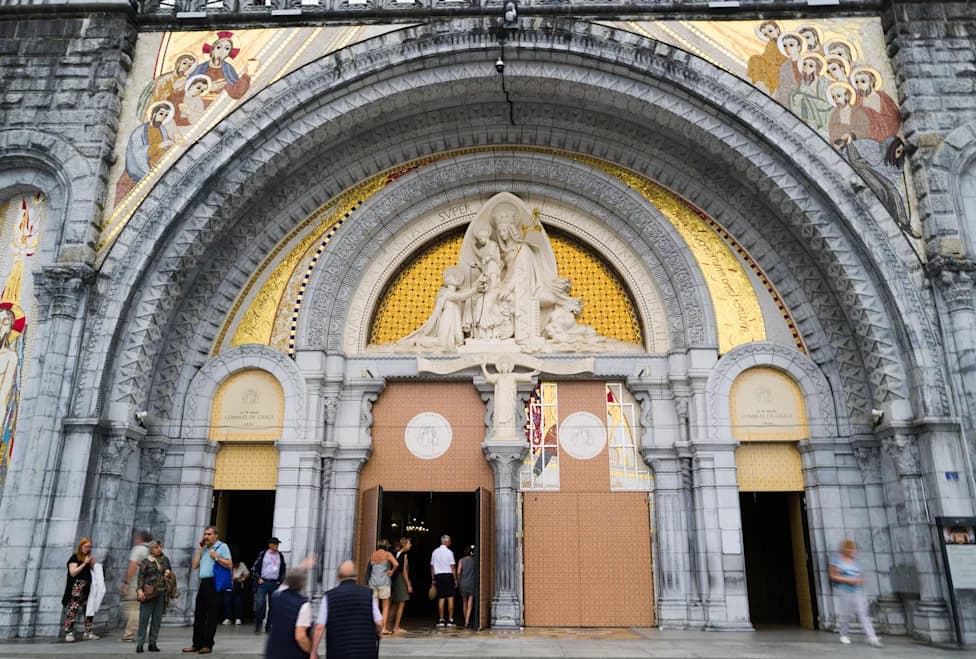
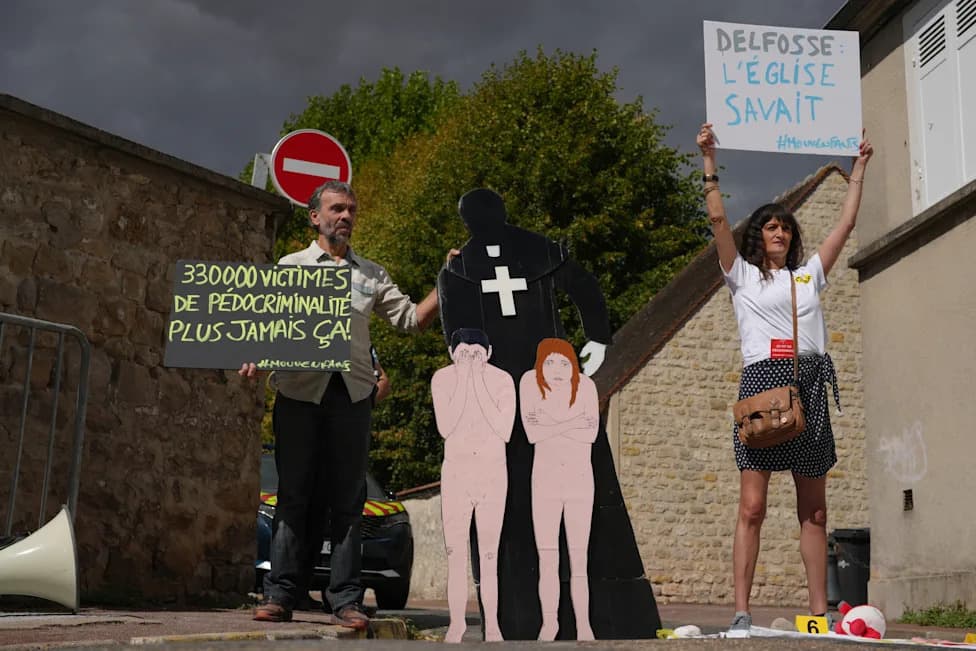
On Saturday the pope will celebrate a large Mass at the Place de la Concorde and the Champs-Élysées before traveling to Lourdes, the southwestern pilgrimage site where the Virgin Mary is said to have appeared in 1858. In Lourdes he will hold a private meeting with seven victims of clerical sexual abuse.
A 2021 inquiry in France concluded that clergy or lay members of the Church sexually abused about 330,000 minors over a 70-year period, a figure that remains central to public debate and to the pope's pastoral agenda while in France.
For the final leg of his trip, the pope will travel to Metz near the German border to deliver a speech on peace in Europe as Russia's full-scale invasion of Ukraine continues into its fifth year. French officials said EU heads of state and government had been invited to attend.
Context
France is a deeply secular republic: a recent survey found only about 5% of the country's 69 million residents attend Catholic services regularly. The country has enshrined the right to abortion in its constitution and has approved assisted dying for some patients. Although infant christenings have declined, adult baptisms have been rising, with thousands choosing to embrace the Catholic faith.
Schedule Snapshot
- Arrival and welcome by President Macron (Friday morning).
- Speech at UNESCO on AI regulation (Friday afternoon).
- Popemobile procession to Notre Dame and youth Mass in Saint-Denis (Friday evening).
- Large Mass at Place de la Concorde and travel to Lourdes (Saturday).
- Private meetings with abuse survivors in Lourdes (Sunday).
- Closing speech on European peace in Metz (Monday).
The pope's visit combines diplomatic, pastoral and symbolic moments and is likely to draw both large crowds of supporters and intense public scrutiny on issues ranging from technology policy to accountability for past abuses.
Help us improve.