Pope Leo XIV visits France beginning 25 September amid tensions over clerical sexual abuse, a newly passed assisted‑dying law and the approach of a presidential election. He will meet seven abuse victims in Lourdes and is expected to stress care for the vulnerable rather than take a confrontational public stance on the assisted‑dying debate. The trip — the first papal state visit to France since 2008 — also highlights the pope’s emphasis on European unity and multilateralism, with speeches planned at UNESCO and in Metz.
Pope Leo XIV's France Visit: Abuse Scandal, Assisted‑Dying Law and Election Spotlight
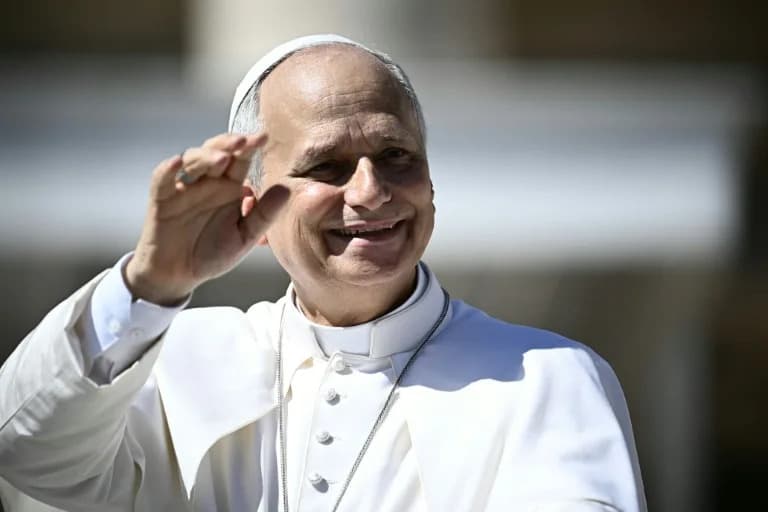
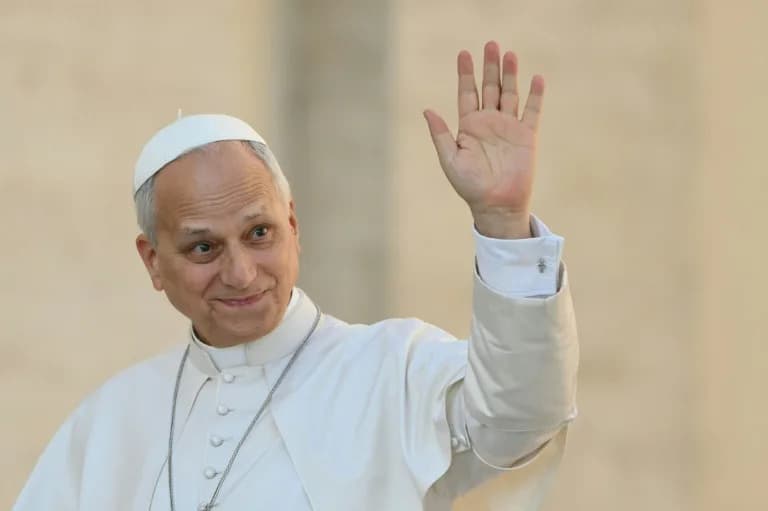
Pope Leo's trip is the first papal state visit to France since Benedict XVI's in 2008 (Filippo MONTEFORTE)
Pope Leo XIV begins an official visit to France on 25 September that is expected to confront several sensitive and politically charged issues — from the ongoing clerical sexual abuse crisis to the country's new assisted‑dying law — all against the backdrop of a looming presidential election.
Clerical abuse
The Vatican confirmed in August that the pope will meet people who say they were victims of clerical sexual abuse while he is in France. As leader of roughly 1.4 billion Catholics worldwide, Pope Leo has pledged to intensify reforms in response to the global abuse scandal.
A 2021 independent inquiry in France concluded that clergy or lay members of the Church had abused about 330,000 people as minors over a 70‑year period. The Church’s reputation has been further damaged by later revelations, including allegations involving the charity figure Abbé Pierre and reports of physical and sexual abuse at the Notre‑Dame de Bétharram school in southwestern France.
The pope, who is the first pontiff from the United States, is scheduled to meet seven abuse victims in Lourdes on 27 September, including a former pupil of Bétharram. Victim‑support groups have criticised the format of those meetings, noting it mirrors a session used during the pope’s June visit to Spain, where he pledged "additional efforts" to better protect victims and prevent future abuse.
Assisted‑dying law
In June, France’s parliament approved legislation granting the right to assisted dying for some adults with incurable conditions. The move drew strong criticism from the Catholic Church in France, which described the bill as a serious moral rupture.
Cardinal Jean‑Marc Aveline, president of the French bishops’ conference, said the defence of the dignity of human life "is at the heart of the Pope’s message," and observers expect Pope Leo to address questions of care and dignity while in France. Analysts predict he will likely avoid a confrontational tone and instead emphasise pastoral care for the elderly and vulnerable.
Presidential election and migration
The visit comes just seven months before the first round of France’s presidential election — an uncommon scheduling choice for a papal trip given pontiffs usually avoid travel close to major national votes. With President Emmanuel Macron stepping down next year, the far‑right National Rally sees the election as a strong opportunity to win power, making migration a central campaign issue.
Migration was a prominent theme during Pope Leo’s June trip to Spain, where he denounced societal "indifference" to migrants. In France, he will visit an association that supports migrants — an act observers call a deliberate, public signal about the Church’s concern for displaced and vulnerable people.
Europe, multilateralism and the visit's wider message
This is the first papal state visit to France since Benedict XVI’s 2008 trip. Coming after his visit to Spain, it underlines Pope Leo’s focus on engaging with historically Catholic but increasingly secular European countries. His programme includes addresses at UNESCO and a speech in Metz — near the German border — featuring a meeting titled "To the Roots of Europe for Peace and Unity."
While the pope is unlikely to single out political figures, his public defence of European integration and multilateral cooperation will carry political significance. Experts note that Pope Leo frames Europe as a counterweight to what he calls "imperial logics" represented by major global powers, and that theme is expected to surface in his speeches.
Key dates: Official visit begins 25 September; meeting with abuse victims in Lourdes on 27 September.
Help us improve.