Facing scarce flat land and the need to replace lost nuclear generation after Fukushima, Japan is turning many defunct golf courses into utility-scale solar farms. Bloomberg found about 9% of current utility-scale solar sits on former golf-course land, and at least 10% of planned capacity will use similar sites. Repurposing courses offers cheap, grid-connected land and avoids some community opposition tied to forest and foothill projects, but environmental and land‑use concerns remain.
Short on Land, Japan Converts Defunct Golf Courses Into Large Solar Farms
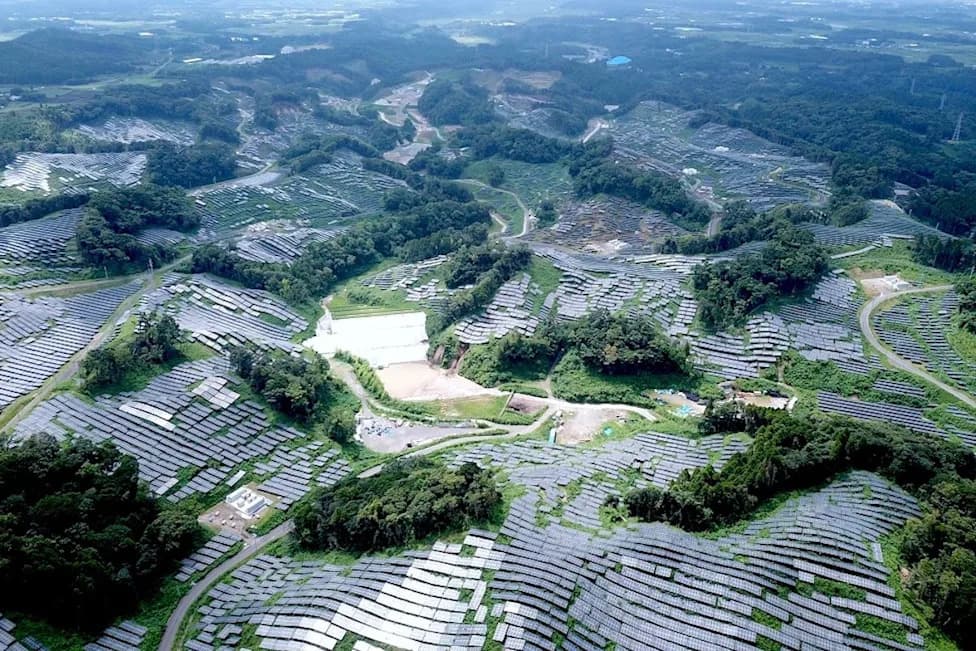
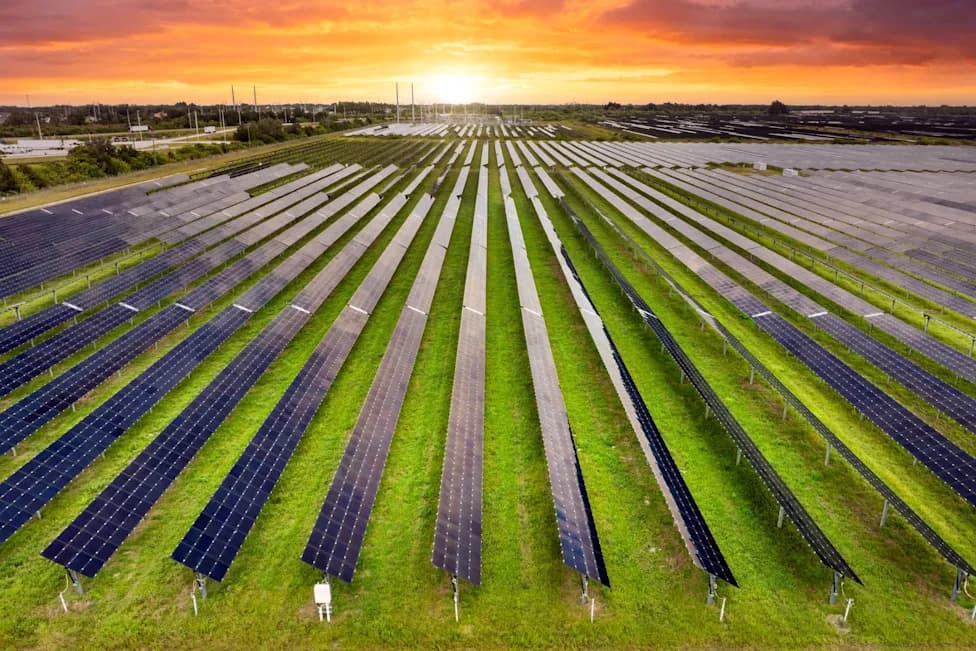
The Kanoya Osaki Solar Hills solar plant in Kagoshima Prefecture, Japan, was built on a former golf course. Kyocera
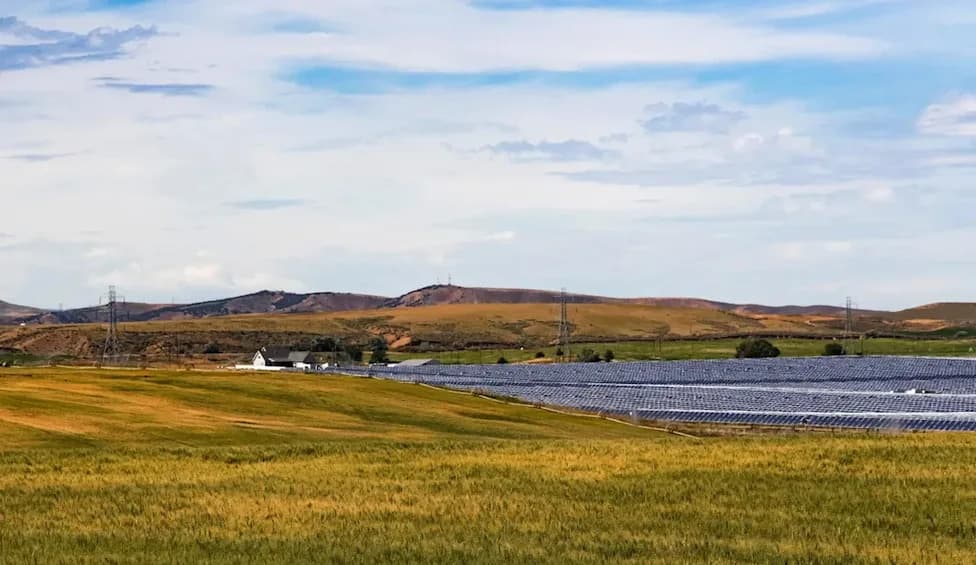
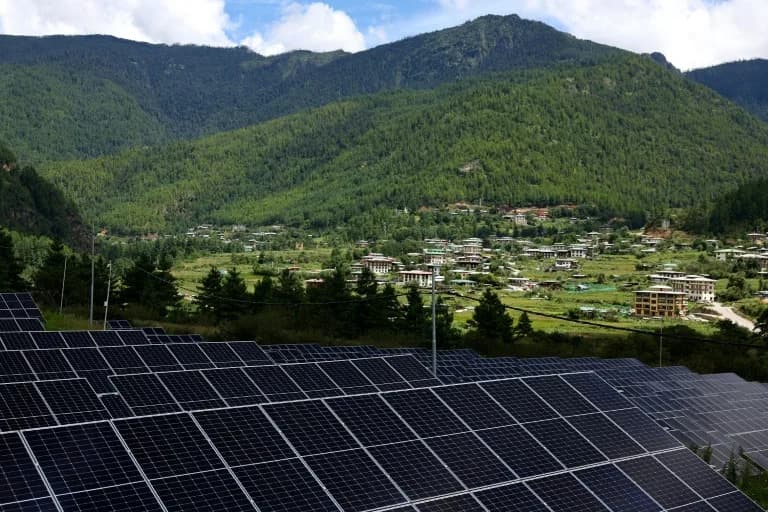
Japan's mountainous terrain and high population density leave limited space for large, flat solar installations. To meet growing renewable targets and replace lost generation after the 2011 Fukushima nuclear accident, developers are increasingly repurposing the many golf courses that sprang up during the country's 1980s boom.
Bloomberg's analysis found that roughly 9% of Japan's current utility-scale solar capacity is installed on former golf-course land, and at least 10% of announced or under-construction utility-scale capacity is planned for those sites. Closed courses are attractive because they tend to be relatively flat and affordable, already have grid connections, and often face less local opposition than projects that clear forests or occupy foothill terrain.
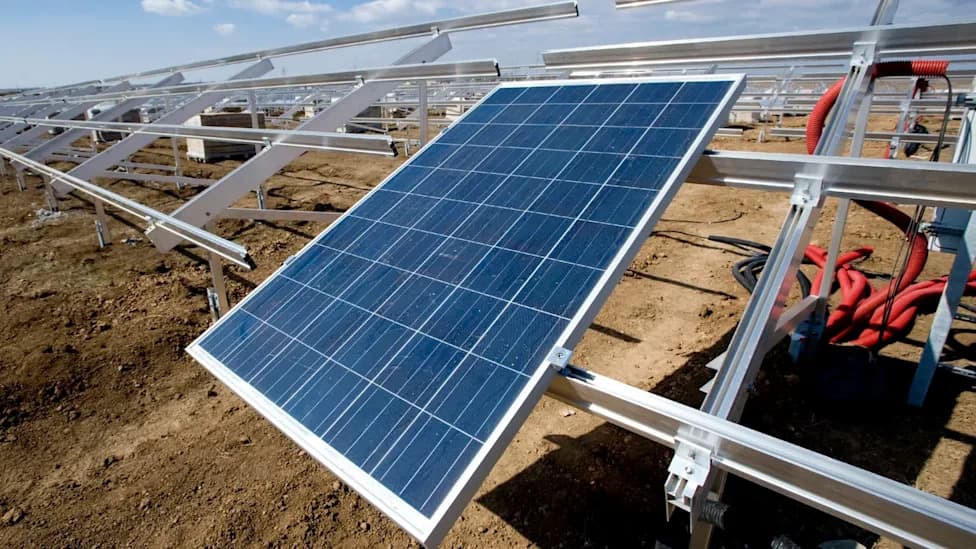
After the 2011 Fukushima disaster, widespread public concern prompted the government to shut dozens of nuclear reactors that previously supplied about one-third of the country's electricity. To help fill that gap, Japan introduced generous incentives for solar developers, sparking a rapid expansion of large-scale solar projects.
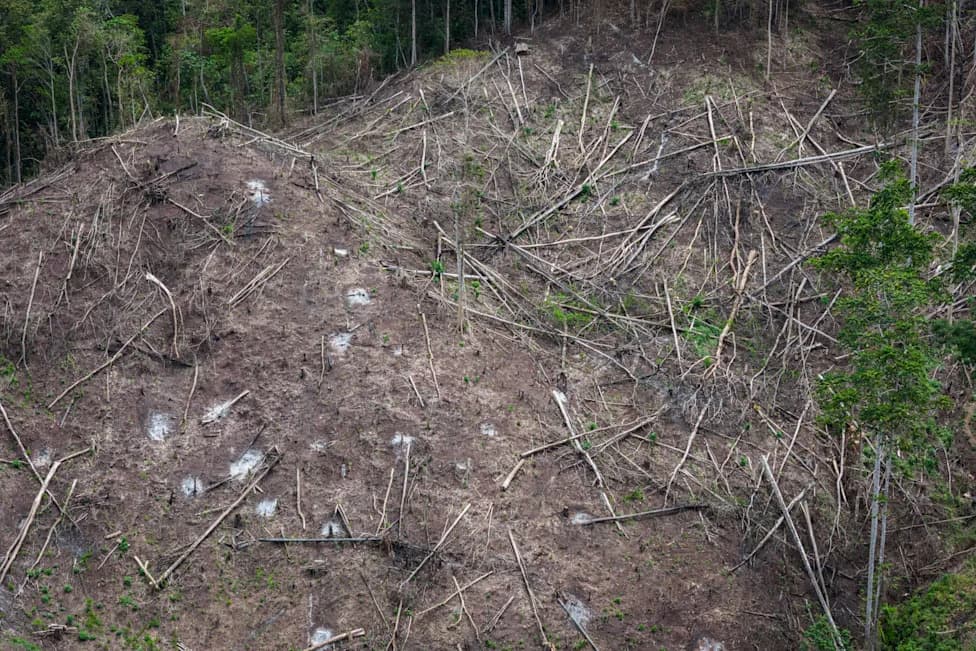
Developers have pursued a range of sites, including abandoned farmland — some in the Fukushima region rendered unsafe for agriculture by radioactive contamination. However, many large arrays were also built on foothills and forested slopes, leading to deforestation, heightened landslide risk, and strong local pushback.
By converting shuttered golf courses, developers avoid many of those controversies while using land that is typically already served by transmission lines. Still, concerns remain about land-use change, biodiversity, and the long-term management of these sites. As Japan continues to scale up solar power, balancing rapid deployment with environmental and community interests will be a central challenge.
Key Statistics: 9% of existing utility-scale solar capacity is on former golf courses; at least 10% of planned or under-construction capacity is slated for the same type of sites.
Help us improve.