Bhutan has converted a former military firing range near Thimphu into the 4.45 MW Dechencholing solar farm as part of an effort to ease winter power shortages and diversify a hydropower-heavy grid. Hydropower capacity of about 3,700 MW falls by roughly four-fifths in winter, while demand has increased from about 400 MW to 1,500 MW, forcing imports from India. The country aims for 25,000 MW total capacity by 2040 with solar supplying roughly 20%, but land scarcity, high-altitude road damage and upfront costs constrain rapid expansion. Local training and rooftop programs are being scaled to build domestic capacity and improve resilience.
Bhutan Converts Former Firing Range Into 4.45 MW Solar Farm To Ease Winter Power Crunch
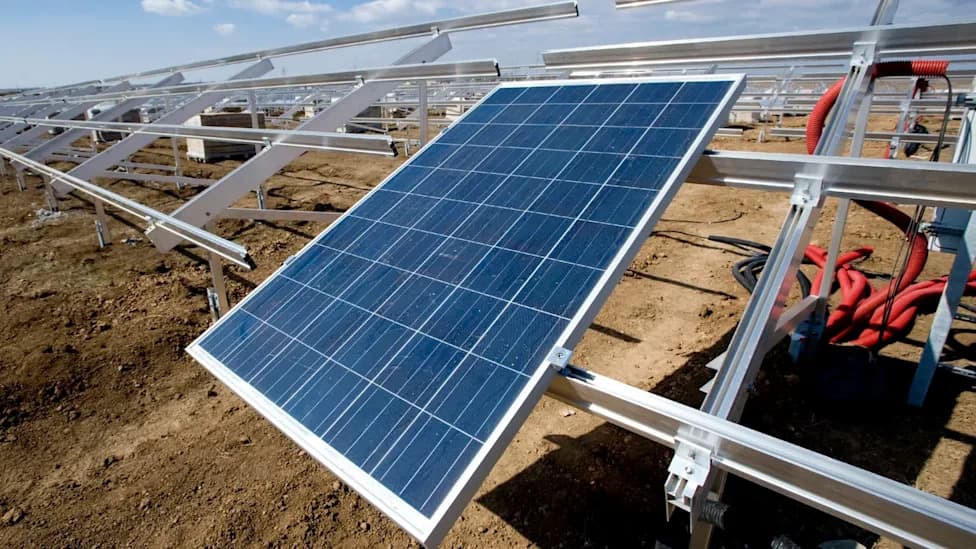
Photo Credit: iStock
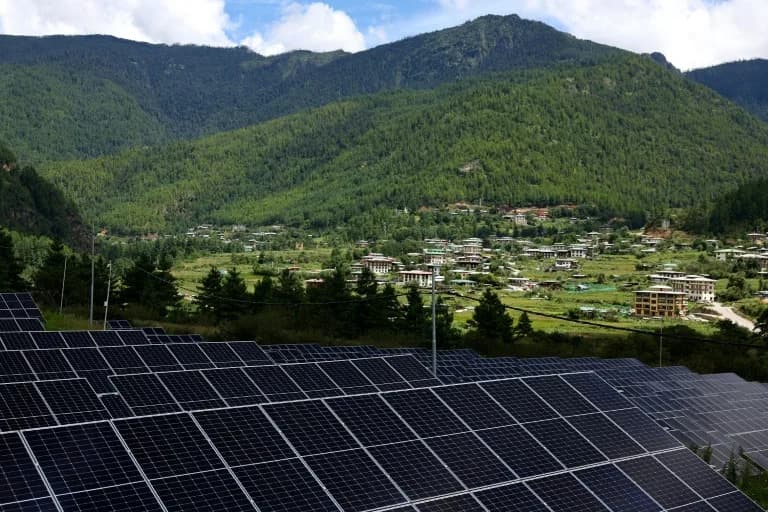
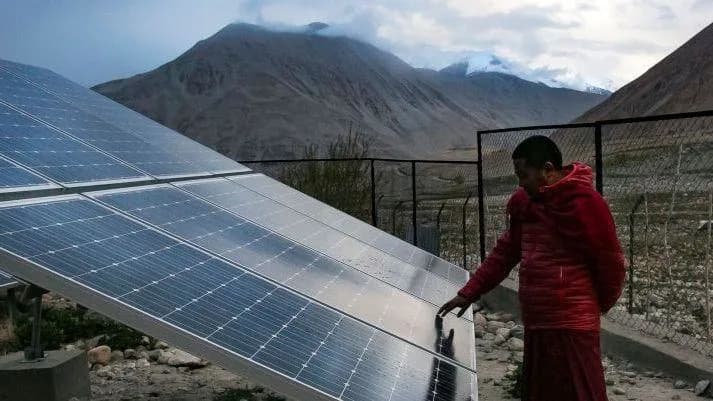
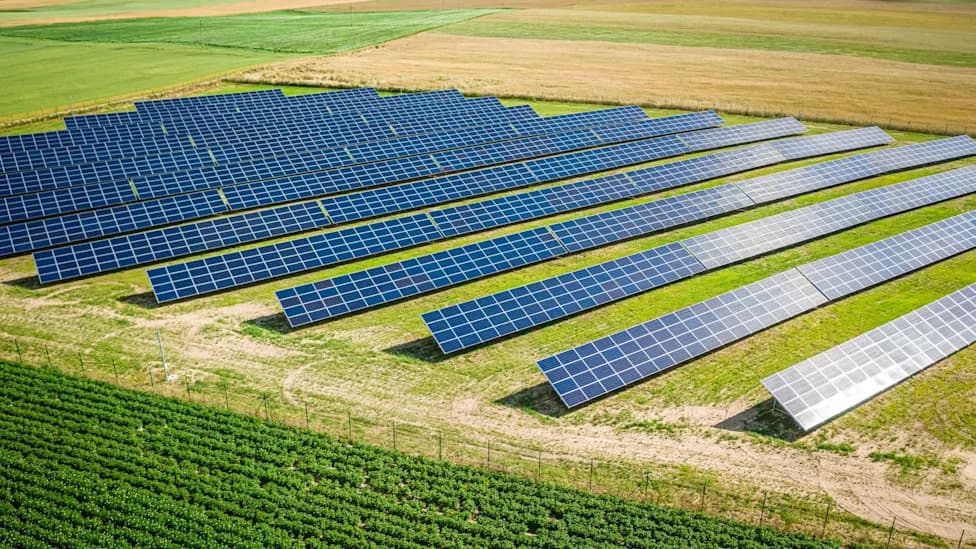
Solar panels now blanket a former military firing range near Thimphu, a visible sign of how Bhutan is diversifying its power mix as winter shortages deepen and climate risks strain a hydropower-dominated grid.
Dechencholing And The Growing Solar Push
Near the capital, Norion Renewable Energy senior engineer Rinzin Galley is helping develop the 4.45 MW Dechencholing solar farm on reclaimed military land. Dechencholing is one of several projects under construction or planning in Bhutan, alongside larger installations such as the Sephu project, which exceeds 22 MW.
Seasonal Vulnerability Of Hydropower
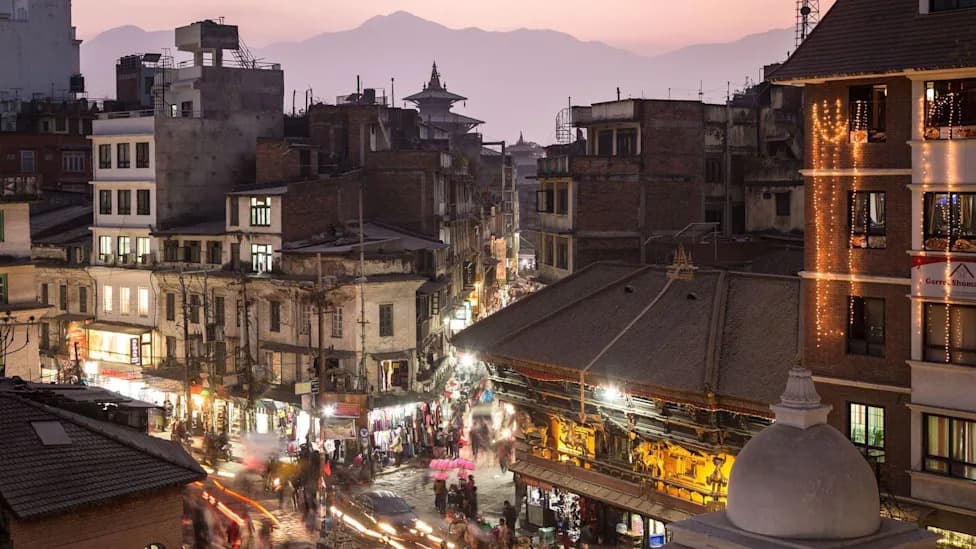
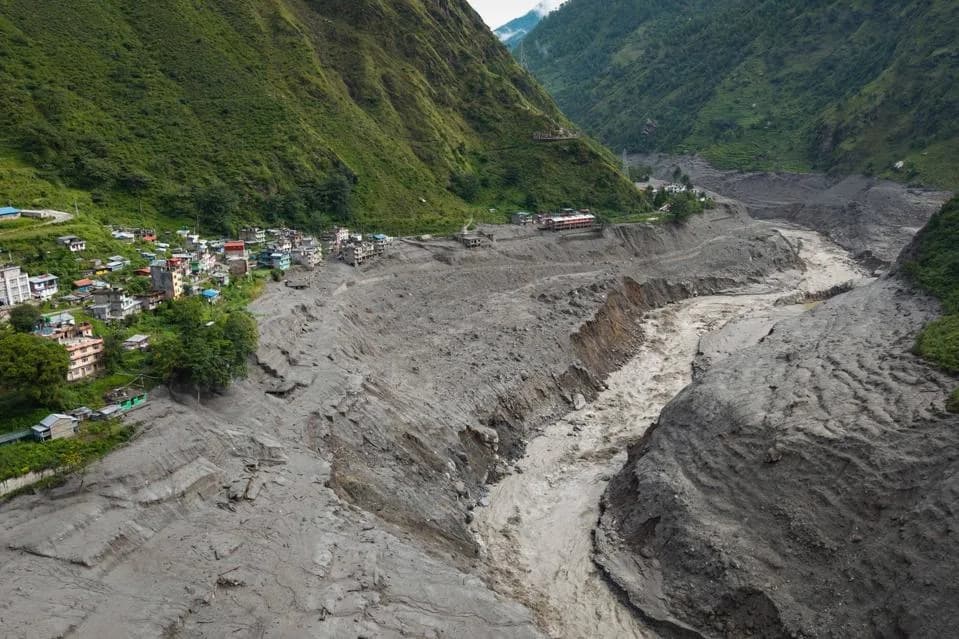
Bhutan has roughly 3,700 MW of hydropower capacity on paper, but output falls sharply in winter — by roughly four-fifths — because river flows decline. At the same time, winter demand has climbed from about 400 MW to roughly 1,500 MW, forcing Bhutan to import power from neighboring India when river levels drop.
Why Solar Matters
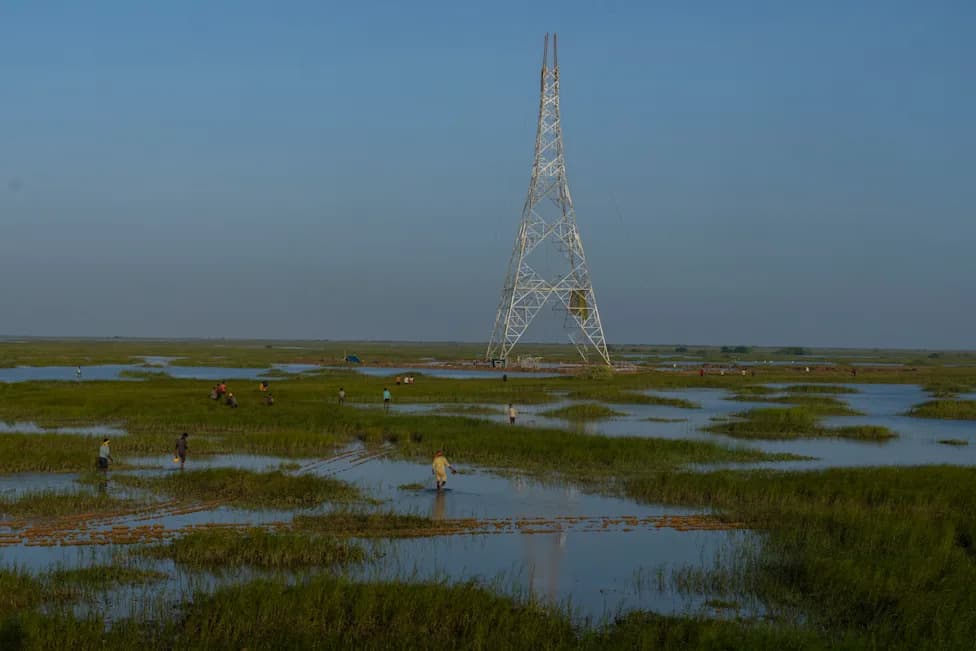
Expanding solar helps reduce imports, supports winter resilience, and diversifies a system that otherwise relies heavily on glacier-fed rivers. Bhutan plans to reach 25,000 MW of total capacity by 2040, with solar expected to supply around 20% of that goal — roughly 5,000 MW — as part of a broader strategy to reduce seasonal vulnerability and protect export revenues tied to hydropower.
Practical Challenges And Local Solutions
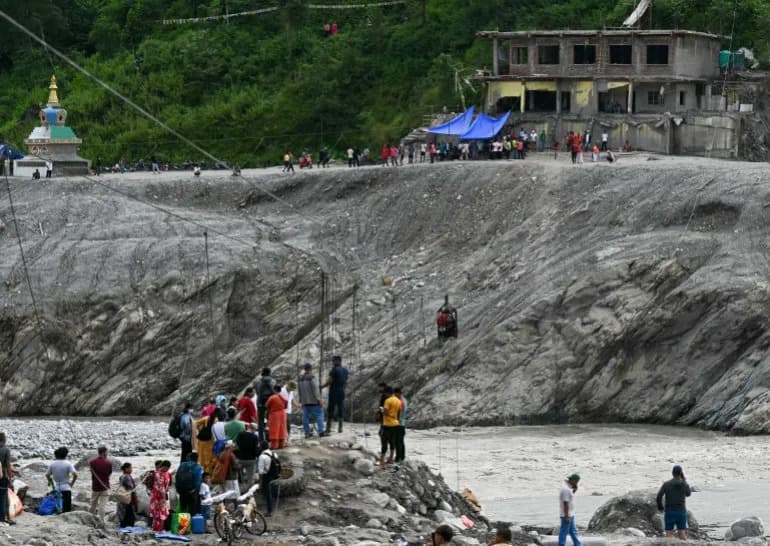
Large ground-mounted solar arrays require significant land — a scarce resource in mountainous Bhutan. High-altitude routes and roads are frequently affected by landslides, complicating transport, construction and maintenance. Upfront costs are also a barrier for many households: installing a rooftop system can cost about 600,000 ngultrums (~$6,300), according to former minister Om Pradhan.
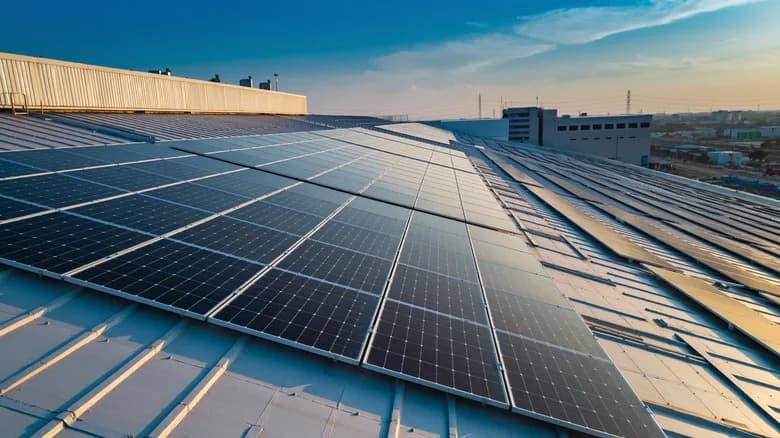
To build domestic capacity, developers and the government are investing in training. Norion has used the De-suung royal skilling initiative to train roughly 450 volunteers in solar installation and maintenance, creating a local workforce for future projects. Norion aims for 30 MW of installations by 2027, with a strong focus on rooftop systems in urban areas to improve access.
Policy, Economics And Climate Risk
Hydropower exports can account for up to 15% of Bhutan's GDP, so diversification is both an energy-security and economic priority. Climate change poses long-term risks: glaciers that feed the river systems are receding, which could reduce water availability for power generation over time. Expanding solar, and pairing it with battery storage, can help keep homes, schools and hospitals powered during seasonal shortfalls and outages.
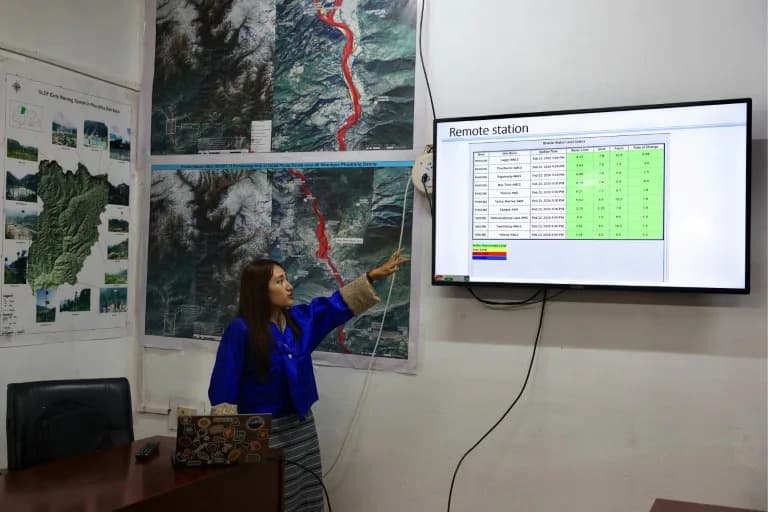
'We are quite aware that climate change will affect us, that the glaciers will keep receding,' said Chhewang Rinzin, managing director of Druk Green Power Corporation. 'So I think in the long term, you will have to keep yourself open to other options.'
Global Context
Bhutan's shift toward solar mirrors international trends: large solar rollouts in India have saved billions in energy costs, Germany has seen solar outpace fossil generation in some periods, and agrivoltaics in rural areas are helping to combine farming with photovoltaic production to ease land-use conflicts.
As Bhutan scales solar, policymakers face trade-offs between limited land, infrastructure constraints, finance and the need for skilled labor. The combination of strategic utility-scale sites, rooftop deployment, workforce training and targeted incentives will shape how quickly solar can offset seasonal hydropower shortfalls.
Help us improve.