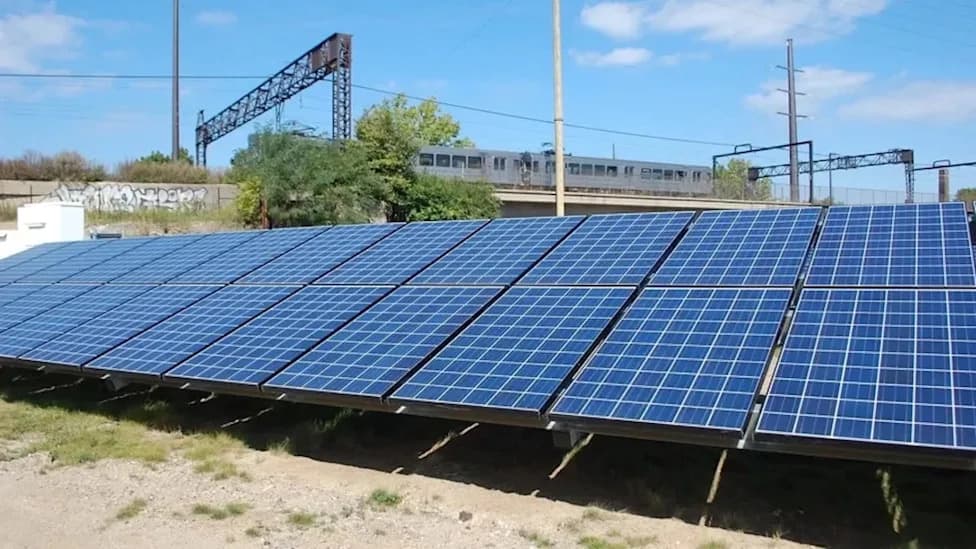
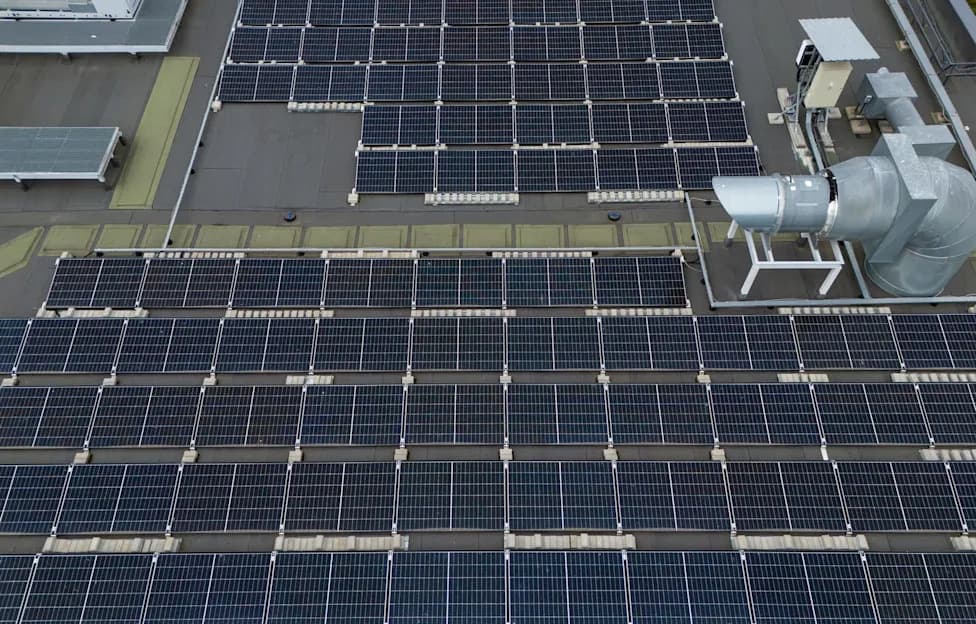
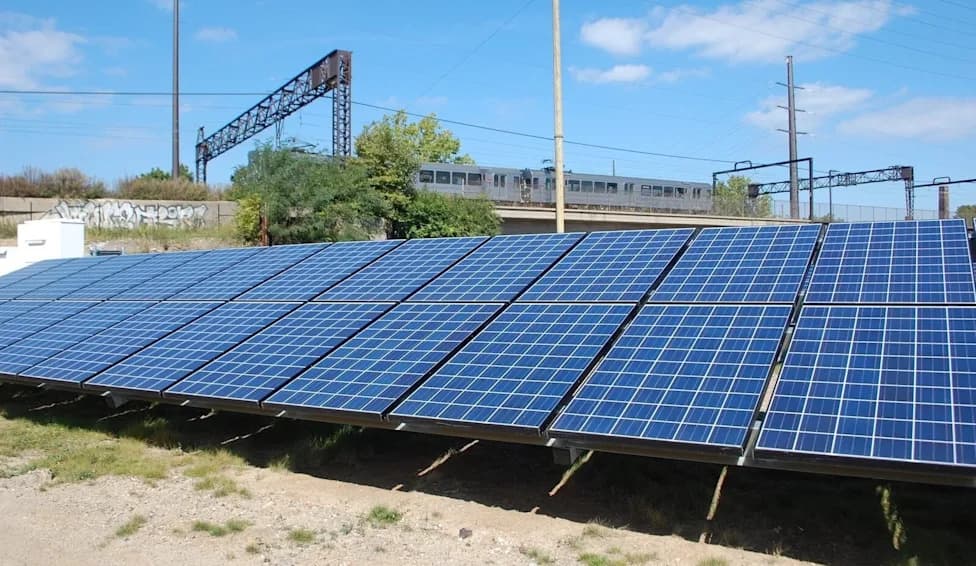
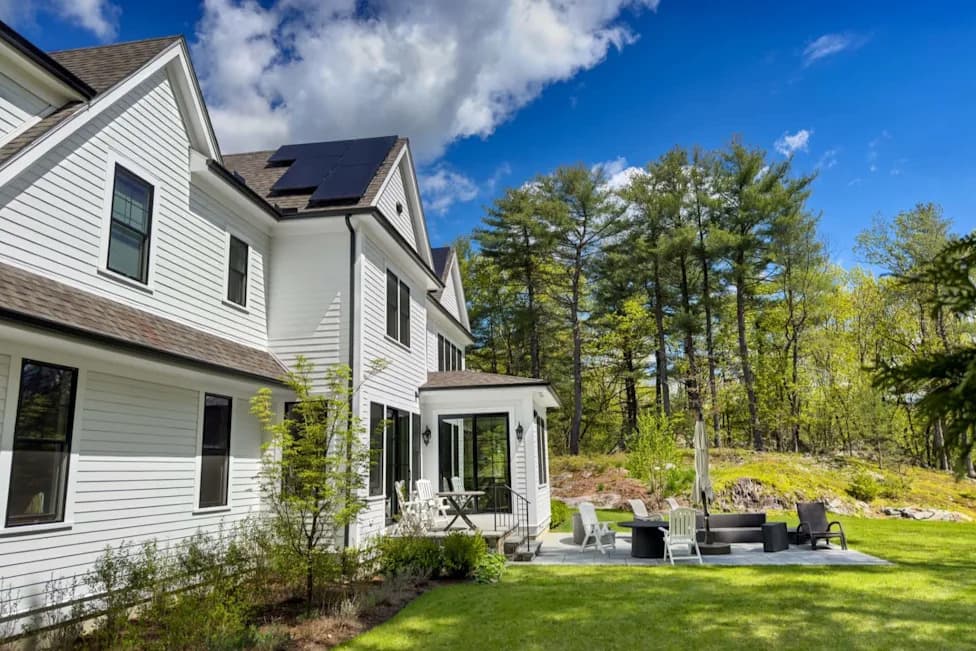
Derry, New Hampshire, has converted its capped municipal landfill into a 2.25 MW solar array that Encore Renewable Energy says could save the town about $4 million in electricity costs over 25 years. The installation should generate roughly the equivalent annual power used by 500 homes and was selected by the volunteer NetZero Task Force after a 2021 competitive bidding process. The project is part of a broader U.S. trend of turning landfills and brownfields into community clean-energy assets.
Derry Converts Capped Landfill Into 2.25 MW Solar Array, Aiming To Cut Local Power Bills
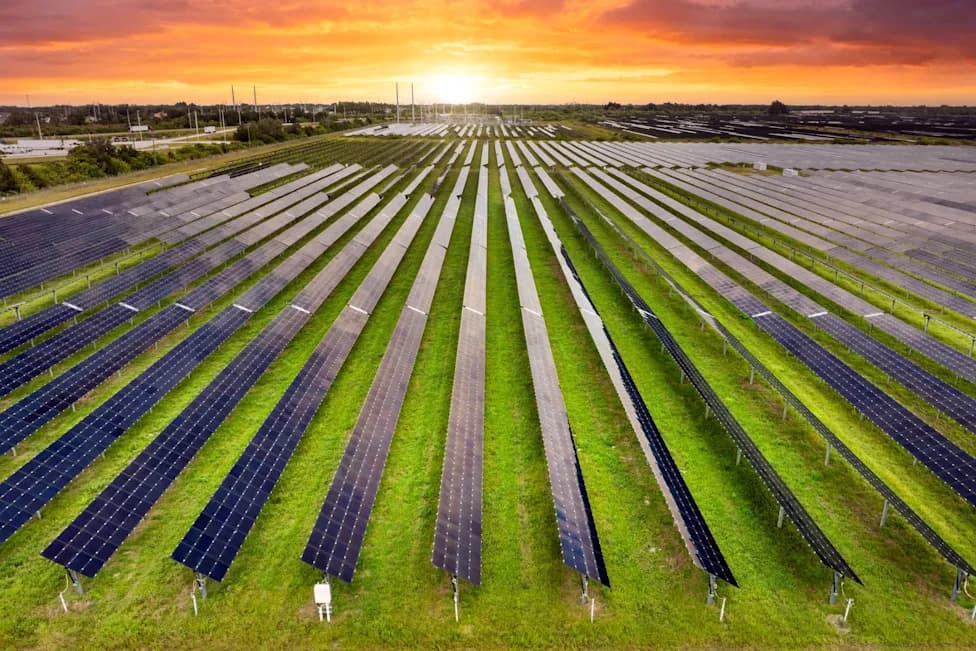
Photo Credit: iStock
An old municipal landfill in Derry, New Hampshire, has been repurposed into a 2.25-megawatt solar installation the town expects will lower electricity costs for residents while contributing cleaner energy to the regional grid.
The town partnered with developer Encore Renewable Energy to transform the closed, capped landfill into a utility-scale array. According to Solar Builder and Encore, the project could save Derry taxpayers about $4 million in electricity costs over the next 25 years and is expected to generate roughly the annual electricity equivalent used by about 500 New Hampshire homes.
Why Landfills Make Sense For Solar
Closed and capped landfills are often difficult or expensive to redevelop for housing, farming, or commercial use, but they can be ideal for solar: the ground is cleared, typically unshaded, and—when sited near existing electrical infrastructure—can deliver power to the grid without displacing people or businesses. That makes them appealing low-conflict locations for communities seeking local clean energy and budget savings.
Local Leadership And Selection Process
Derry's volunteer NetZero Task Force selected Encore after a competitive bidding process that began in 2021 and included seven developers. Chad Farrell, founder and president of Encore Renewable Energy, noted that the site offered "sufficient acreage, good sun exposure, and proximity to the electrical infrastructure needed to get that power where it's needed." Jeff Moulton, chair of the NetZero Task Force, credited Councilor Josh Bourdon for setting an ambitious net-zero goal while prioritizing cost savings for residents: "Under the leadership of Josh Bourdon, the Derry Town Council set forth an aggressive goal of being net zero by 2025 but with a caveat of saving money for the residents of Derry."
Broader Context
Derry's project is part of a wider trend across the United States to convert hard-to-use parcels—including landfills and brownfields—into clean-energy assets. Recent examples highlighted alongside Derry include a community microgrid in Pescadero, California; a solar-plus-storage development in West Virginia involving MN8 Energy, Eos, and Google; a new array for SUNY Oneonta in New York; and a large Texas installation from OCI Energy and Arava Power. Other local efforts include landfill solar approvals in Mansfield, Ohio, and a redevelopment of a former coal ash landfill in Rivesville, West Virginia.
Takeaways
By siting solar on previously idle municipal land, towns can lower municipal energy bills, advance local climate objectives, and put otherwise unusable property back into productive service. Projects like Derry's demonstrate how practical solutions can align community savings with clean-energy benefits.
Help us improve.